
 Save to Pinterest
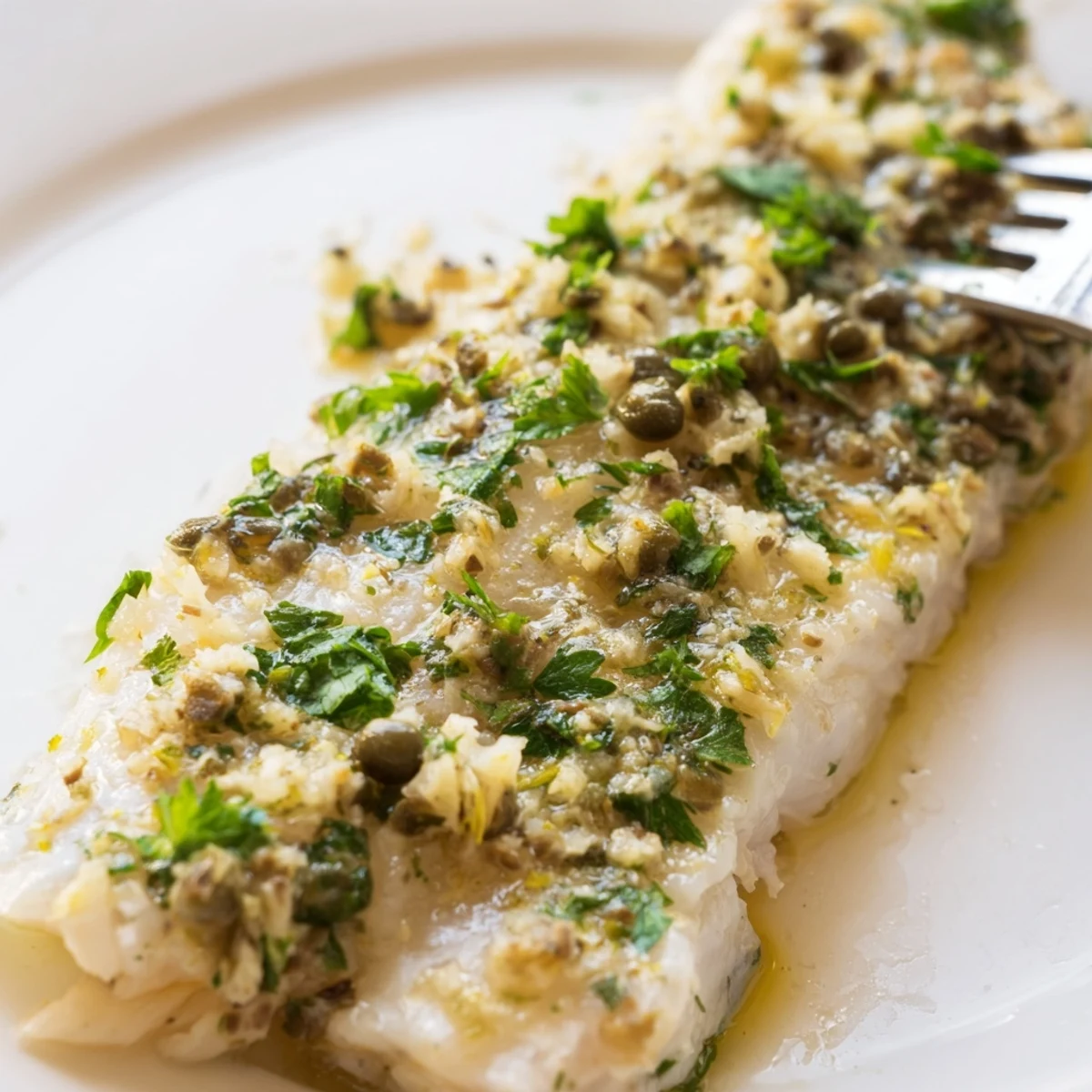
 This dish features tender haddock fillets gently baked with freshly squeezed lemon juice, lemon zest, and briny capers. Garlic and olive oil infuse rich flavor while fresh parsley adds brightness. Ready in under 30 minutes, it offers a light, healthy option that pairs well with steamed vegetables or roasted potatoes. Perfect for anyone seeking a simple yet vibrant seafood dish.
I discovered this dish on a Tuesday when my fishmonger handed me a beautiful haddock fillet and mentioned how simple it could be—just lemon, capers, and heat. That offhand suggestion turned into something I've made dozens of times since, each time finding it easier and more forgiving than I expected. The fish cooks so quickly that you can have dinner on the table before the kitchen even feels warm, and the brightness of the citrus reminds me why I fell in love with cooking at home in the first place.
I made this for my neighbor one summer evening when she mentioned wanting to eat healthier, and watching her face light up when she took the first bite reminded me that the simplest food often hits the hardest. She asked for the recipe three times before I finally wrote it down, and I think it's because there's something honest about a dish that doesn't pretend to be more than it is.
Ingredients
- Haddock fillets (4, about 6 ounces each): Look for fillets that are opaque and smell like the ocean, not fishy—fresh fish should be almost sweet. Pat them completely dry before baking, which helps them cook evenly and develop a gentle golden tone.
- Freshly squeezed lemon juice (2 tablespoons): Bottled juice tastes tired compared to the snap of fresh lemon; it's the one thing worth squeezing yourself for this recipe.
- Lemon zest (1 tablespoon): Use a microplane if you have one, and avoid the bitter white pith underneath the yellow skin.
- Capers, drained (2 tablespoons): Those little briny bursts are what make this dish sing, so don't skip them or replace them with something mild.
- Garlic, minced (2 cloves): Mince it small so it cooks through in the oven without overpowering the delicate fish.
- Fresh parsley, chopped (2 tablespoons): The herb keeps everything tasting bright and prevents the dish from feeling heavy.
- Sea salt and freshly ground black pepper (1 teaspoon salt, ½ teaspoon pepper): Taste as you go, because salt levels vary depending on your capers and how salty your chosen fish is.
- Olive oil (3 tablespoons): Good oil matters here since it's one of the few carriers of flavor—use something you'd eat straight.
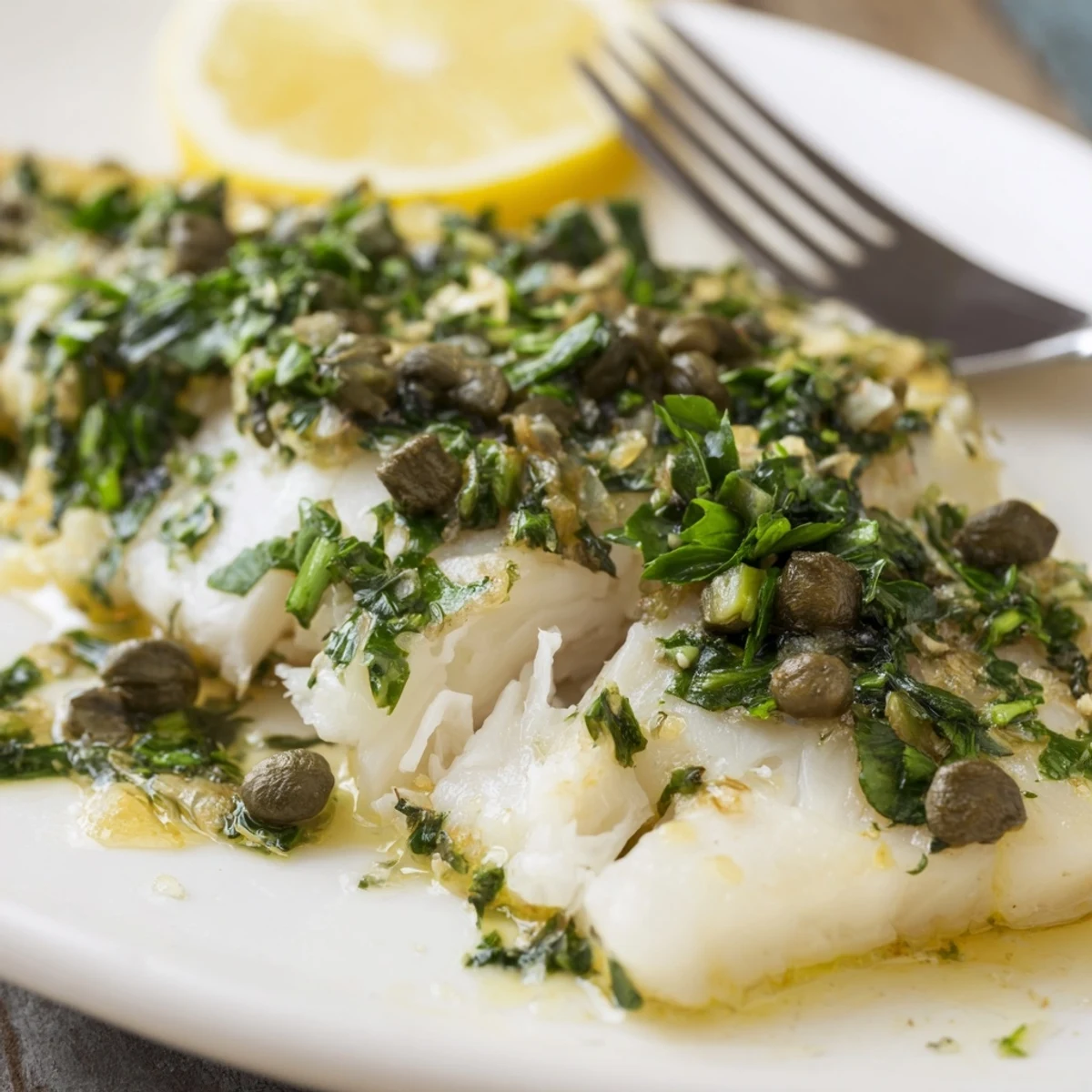
- Lemon slices for garnish (optional): These add a final brightness and make the plate look like someone actually cared about dinner.
Instructions
- Set the stage:
- Preheat your oven to 400°F and lightly grease a baking dish—just enough so the fillets won't stick but not so much that oil pools. You want the fish to have room to breathe, so choose a dish that holds all four fillets in a single layer without crowding.
- Prepare the fish:
- Pat each haddock fillet dry with paper towels and lay them in the baking dish. This drying step is small but important—it helps the fish cook gently instead of steaming.
- Build the sauce:
- Whisk together the olive oil, fresh lemon juice, lemon zest, and minced garlic in a small bowl until they look golden and combined. This mixture is what carries all the flavor, so take a moment to make sure the zest and garlic are evenly distributed.
- Dress the fillets:
- Drizzle the oil mixture over each fillet, trying to get some of the minced garlic and zest on each one. Season lightly with salt and pepper as you go.
- Add the finishing touches:
- Sprinkle the drained capers and chopped parsley over the top. The capers will soften slightly in the heat and their brininess will meld with the lemon.
- Bake until perfect:
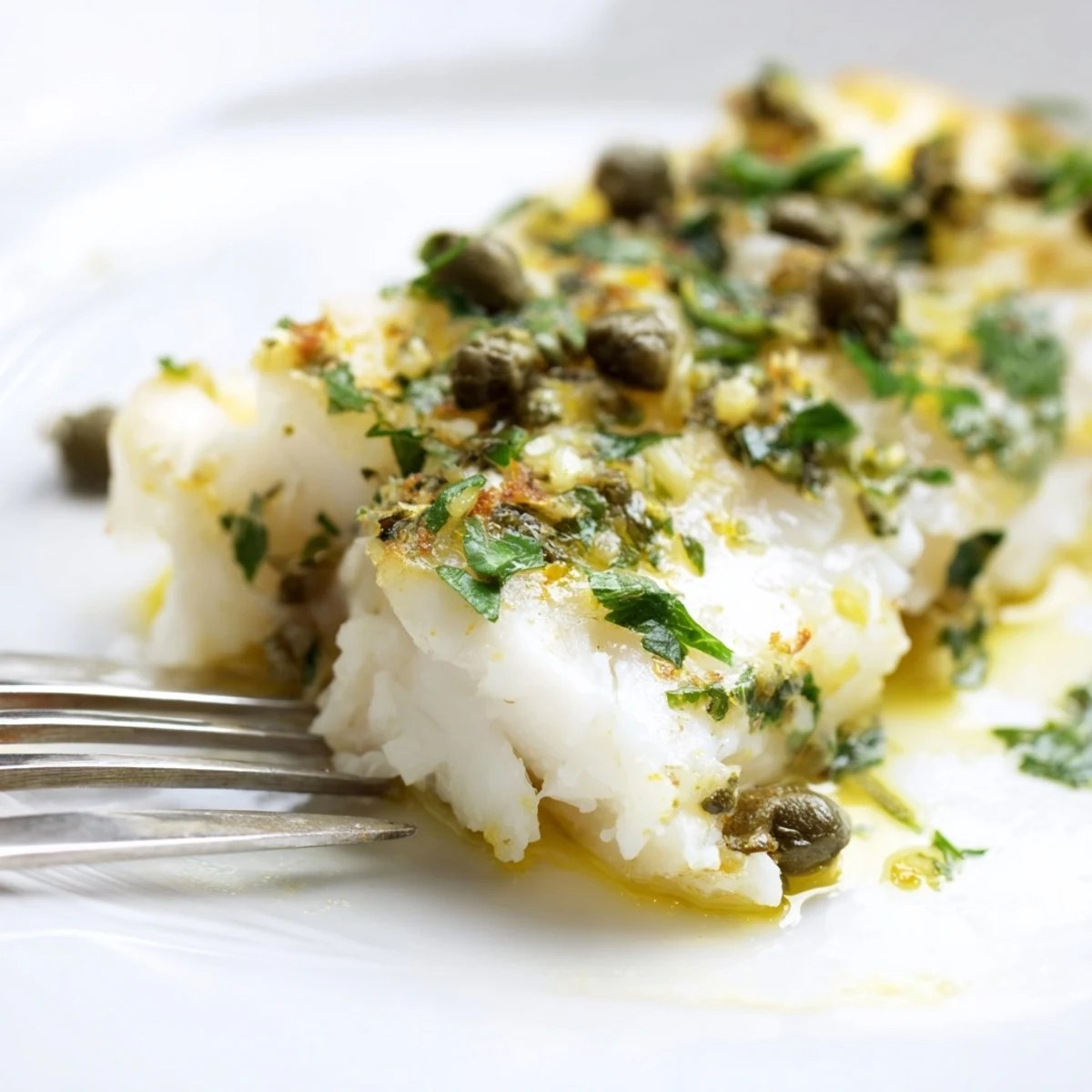
- Slide the dish into the oven for 16 to 18 minutes—the fish is done when it flakes easily with a fork and the flesh has turned opaque white throughout. Don't overbake or the fish will dry out and lose its tender texture.
- Finish and serve:
- Remove from the oven and let it rest for a moment while you plate. Garnish with extra parsley and thin lemon slices if you have them on hand.
 Save to Pinterest
 My daughter asked me why this fish tasted different from the sad frozen fillets she'd had at school, and I realized it's because cooking with actual care changes everything. There's no elaborate technique hiding here, just fresh ingredients treated with respect.
Why Haddock Works So Well
Haddock is a mild white fish that doesn't demand much from you—it won't overpower the lemon and capers, and it cooks so gently that even if you're a few minutes off on timing, it stays forgiving. I've used cod and pollock in a pinch, and they work, but haddock has a subtle sweetness that makes this dish shine.
Pairing and Serving Ideas
Serve this alongside something light and green—steamed broccoli or a simple salad lets the fish be the star instead of getting buried under heavy sides. Rice soaks up the lemon oil beautifully, and if you want something more indulgent, roasted potatoes are never wrong.
Kitchen Lessons and Flexibility
I've learned that the best recipes are the ones that bend without breaking, and this one is built for adaptation. If you have fresh dill instead of parsley, use it; if white wine sounds good, add a splash before baking and reduce the water content elsewhere. The bones of the dish are strong enough to handle a little improvisation, which is probably why I keep coming back to it.
- A tablespoon of white wine before baking adds richness and helps everything taste more complex without tasting like wine.
- If you can't find fresh capers, good-quality ones from a jar work just fine as long as you drain them well.
- Leftovers are surprisingly good cold the next day, though they're best eaten warm with a squeeze of fresh lemon.
 Save to Pinterest
 This dish taught me that feeding people well doesn't require stress or hours in the kitchen—sometimes the best meals are the ones that come together quickly and let good ingredients speak for themselves.
Recipe Questions
- → Can I use other fish besides haddock?
-
Yes, cod or pollock can be used as alternatives with similar cooking times and results.
- → How do capers enhance the dish?
-
Capers add a tangy, briny note that balances the lemon's brightness and complements the fish's mild flavor.
- → Is olive oil necessary for baking the fillets?
-
Olive oil helps keep the fish moist while adding a subtle, fruity richness.
- → Can I add wine for extra flavor?
-
A tablespoon of white wine stirred into the marinade before baking introduces a deeper, layered taste.
- → What sides pair well with this dish?
-
Steamed vegetables, rice, or roasted potatoes complement the delicate flavors and make a complete meal.