
 Save to Pinterest
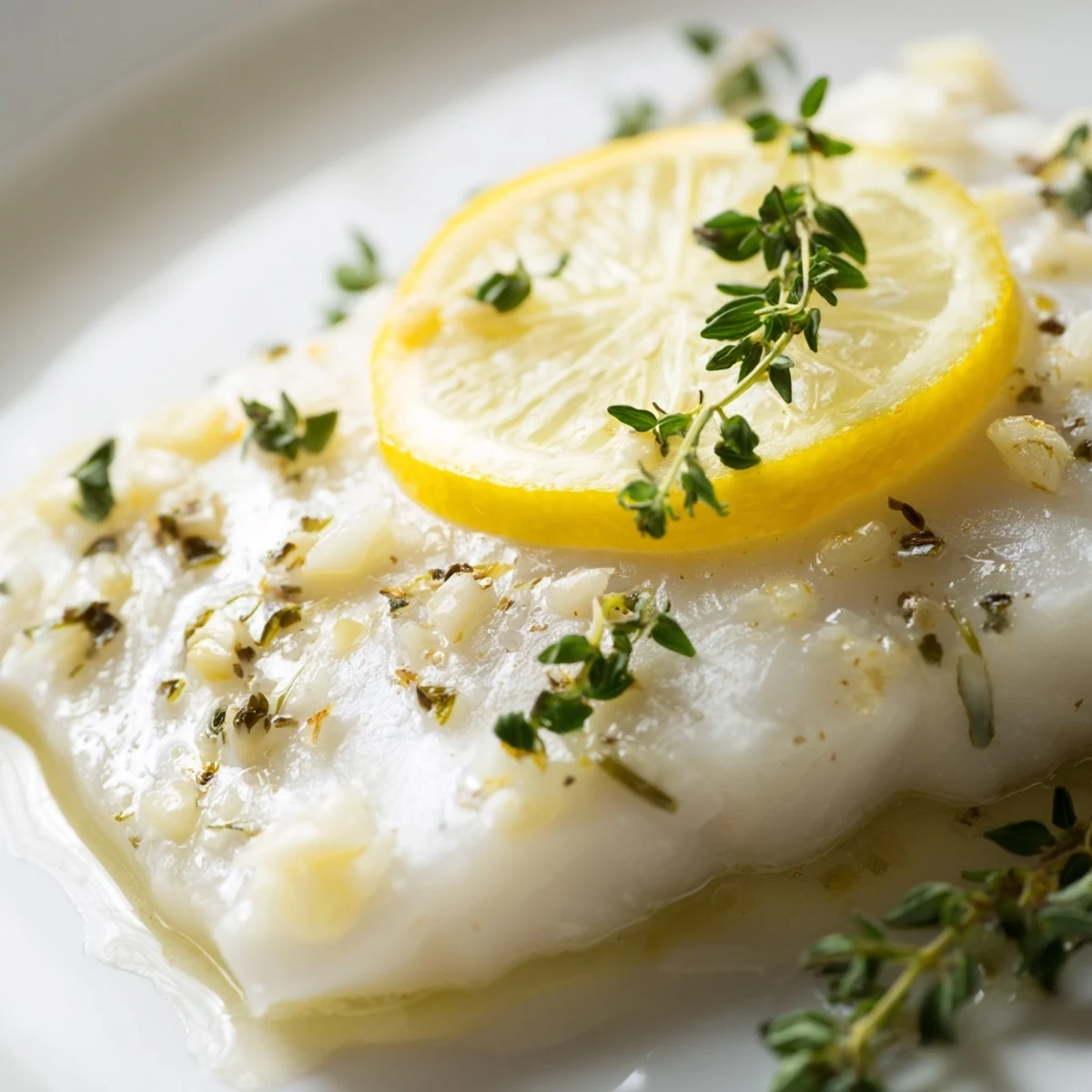
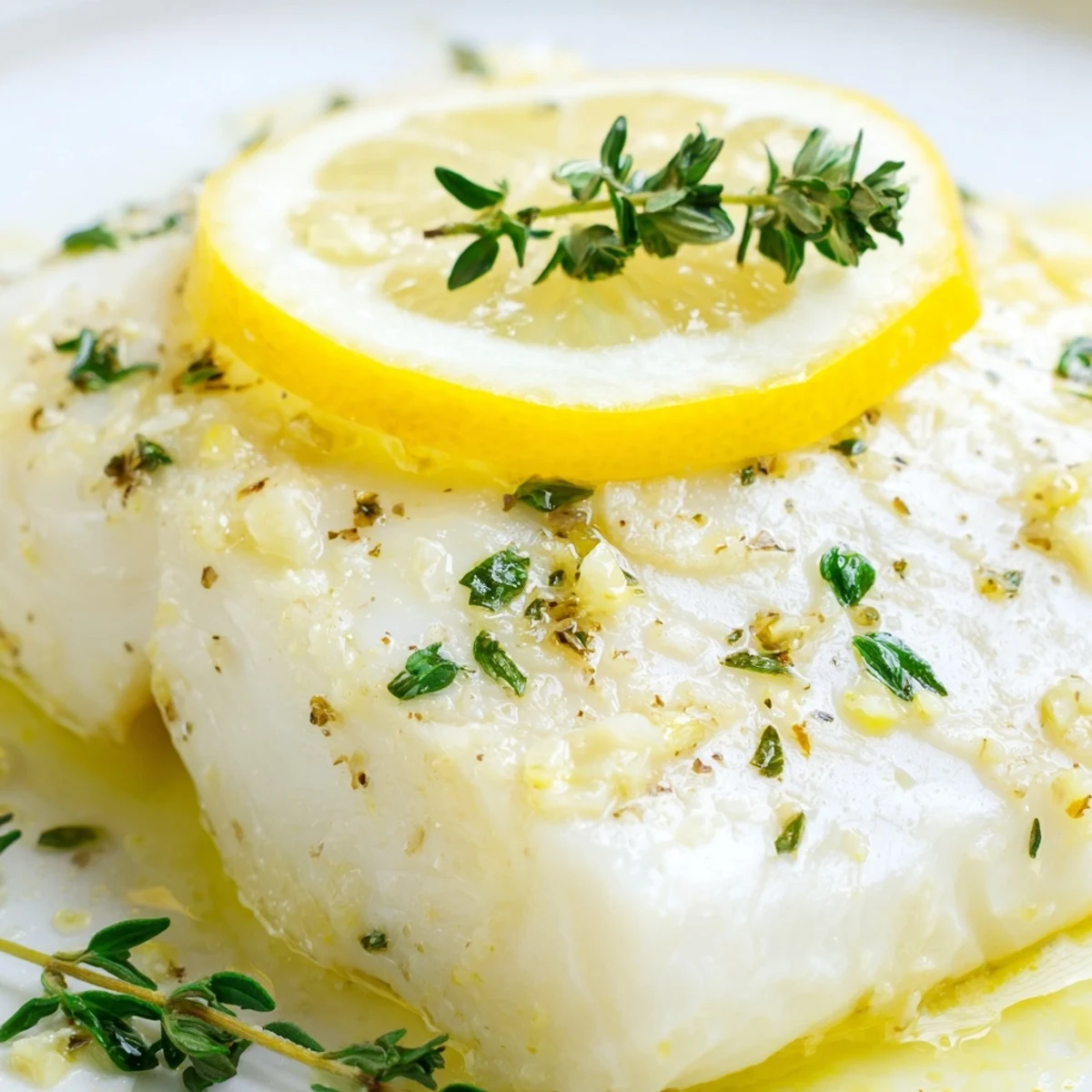
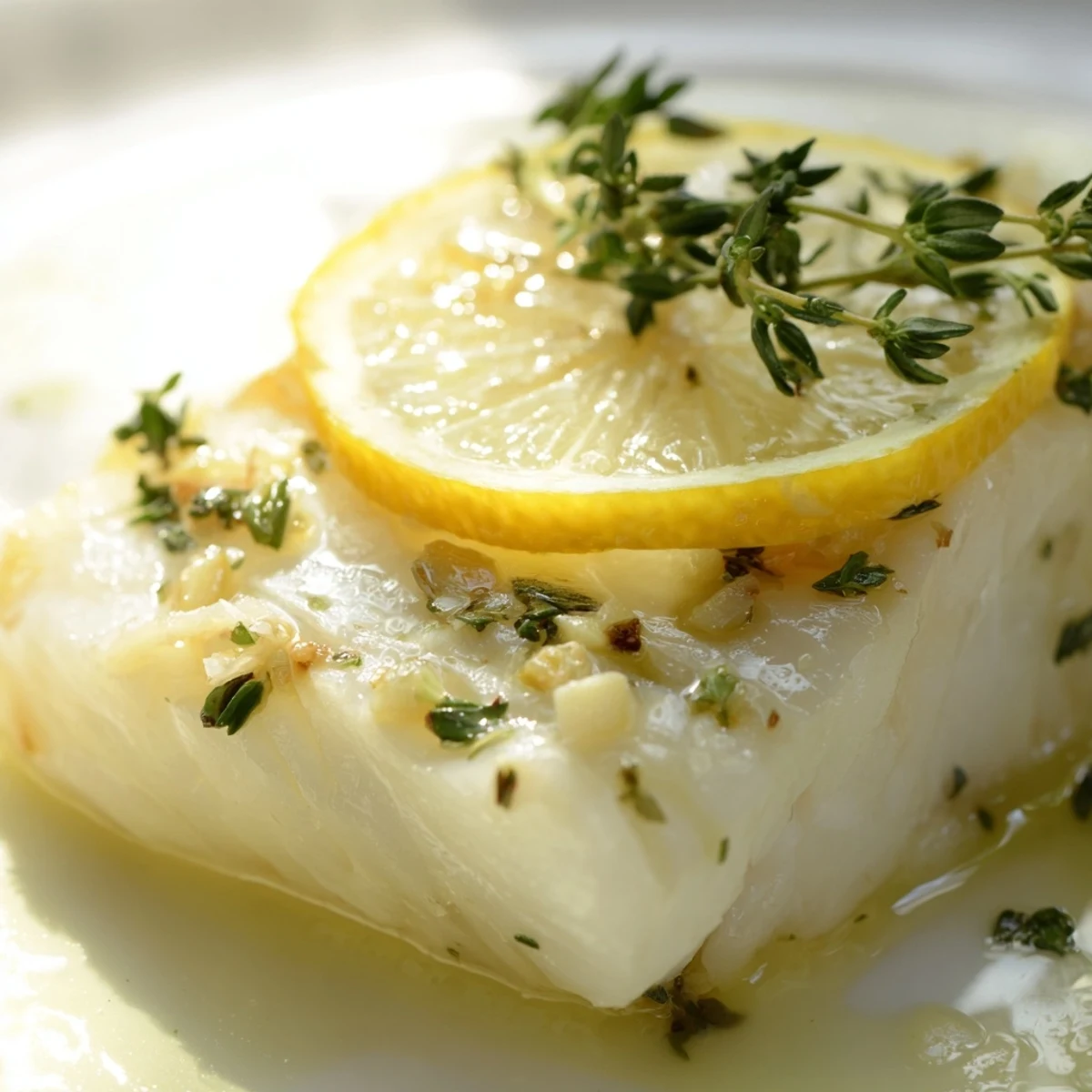
 This dish features tender halibut fillets baked with a marinade of olive oil, lemon juice, zest, garlic, and thyme. The fish is brushed with the flavorful mixture, topped with thin lemon slices, and baked until opaque and flaky. Garnished with fresh parsley, it offers a bright and healthy option that pairs well with steamed vegetables or a light salad. Easy to prepare, it takes under 30 minutes for a delicious and elegant main course.
There's something about halibut that stops you mid-sentence. The first time I baked it at home, I was nervous—fish seemed like the kind of thing you ordered at restaurants, not something you trusted yourself to make. But that evening, watching the fillets turn from translucent to opaque under the oven light, I realized I'd been overthinking it. A squeeze of fresh lemon, a whisper of garlic, and eighteen minutes later, I had something that tasted like I'd actually known what I was doing all along.
I made this for my sister on a Tuesday when she said she needed something that wouldn't make her feel heavy after eating. We stood at the kitchen counter, and I remember her pulling the baking dish out just to peek—that moment when you can't help yourself, when you have to see if the fish is ready, even though you know checking it repeatedly won't make it cook faster. She took one bite and just nodded, the kind of nod that means you've nailed something.
Ingredients
- Halibut fillets (4, 6-ounce pieces): The star of this show—you want them thick enough to handle a brushing without falling apart, but not so thick they'll turn into rubber by the time they cook through.
- Olive oil (2 tablespoons): This carries all the flavor, so use something you'd actually taste on its own, not the cheapest bottle.
- Fresh lemon juice (2 tablespoons): Bottled will work in a pinch, but fresh squeezes make all the difference; you'll taste the brightness.
- Lemon zest (1 teaspoon): Don't skip this—it's where the real lemon punch lives, the part that makes people ask what you did.
- Garlic cloves (2, minced): Mince them small so they distribute evenly and cook gently into the fish rather than becoming bitter little nuggets.
- Fresh thyme (1 teaspoon) or dried (1/2 teaspoon): Fresh thyme has a delicate woodiness that dried can't quite replicate, but both work; just don't double the dried version.
- Salt and black pepper: Taste as you go—the marinade should taste slightly more seasoned than you'd eat it straight, because the fish will mellow it.
- Lemon slices and fresh parsley: These aren't just garnish; they're the finishing touch that makes people think you know what you're doing.
Instructions
- Set the oven and prep your space:
- Heat your oven to 400°F and line a baking dish with parchment paper or a light brush of oil. This takes the worry out of cleanup and keeps the fish from sticking.
- Build your marinade:
- Whisk together the olive oil, lemon juice, zest, minced garlic, thyme, salt, and pepper in a small bowl. The garlic should be fine enough that you don't bite down on chunks—use a microplane if you have one, or mince it on a cutting board until it's almost paste-like.
- Dry your halibut:
- Pat the fillets dry with paper towels, and I mean really dry—moisture is the enemy of good browning and even cooking. Lay them in the prepared dish without crowding; they should have a little breathing room.
- Coat with care:
- Brush the marinade evenly over each fillet using a pastry brush or the back of a spoon. You want an even coat, not puddles pooling in one corner. Top each piece with a couple of thin lemon slices.
- Bake until just cooked:
- Slide into the oven for 15 to 18 minutes—the exact time depends on how thick your fillets are and your oven's mood. Fish is done when it turns from translucent to opaque and flakes gently when you press a fork to it, not when it's starting to fall apart.
- Finish and serve:
- Pull from the oven, scatter fresh parsley over the top, and serve immediately while everything is still warm and the fish hasn't had time to firm up too much.
 Save to Pinterest
 What made this recipe stick in my kitchen wasn't just that it was delicious, but that it changed how I thought about weeknight cooking. Suddenly, elegant didn't have to mean complicated, and I stopped saving halibut for special occasions.
Why Fresh Lemon Changes Everything
There's a brightness that comes from fresh lemon that bottled juice just can't touch. When you zest a fresh lemon, those oils come off onto the microplane, and they carry a flavor that feels almost floral compared to the flat tartness of bottled. I learned this the hard way by making the same recipe twice—once with bottled, once with fresh—and wondering why my kitchen didn't smell as good the second time.
The Secret of the Parchment Paper
Using parchment paper isn't just about easy cleanup, though that's nice. It creates a gentle barrier that helps the fish steam slightly while the lemon and garlic infuse into it, rather than the bottom getting too much direct heat from the dish. Plus, you can literally see what's happening without having to lift the fish and risk it falling apart.
Serving Suggestions and Variations
This fish pairs beautifully with roasted asparagus or sautéed spinach on the side, something that won't compete with the delicate flavor but will round out the plate. A simple arugula salad with lemon vinaigrette echoes the bright notes, or if you want something heartier, wild rice works without being heavy. You could also add a splash of dry white wine to the baking dish before cooking—let it simmer down a bit first so the fish doesn't poach, and you'll have a subtle sauce at the bottom.
- Swap halibut for cod, haddock, or even sea bass if that's what you find at the market.
- A pinch of red pepper flakes adds a whisper of heat if you want to wake things up.
- Don't skip the parsley at the end—it's the thing that makes people ask what you did.
 Save to Pinterest
 This dish taught me that the best meals don't have to be complicated to be memorable. Something about halibut and lemon just works, and now it's the thing I make when I want to feel like I'm taking care of someone—including myself.
Recipe Questions
- → What is the best way to bake halibut for tenderness?
-
Bake halibut at 400°F for 15-18 minutes until the fish flakes easily with a fork, ensuring it remains moist and tender.
- → Can I substitute other fish for halibut in this dish?
-
Yes, cod or haddock can be used as alternatives with similar cooking times and flavor outcomes.
- → How does the lemon marinade enhance the fish?
-
The combination of lemon juice, zest, garlic, and herbs infuses bright, fresh flavors while keeping the fish moist during baking.
- → What sides complement baked halibut best?
-
Steamed vegetables, rice, or a light salad pair perfectly, balancing the dish's fresh and zesty profile.
- → Is this dish suitable for gluten-free and low-carb diets?
-
Yes, the ingredients used contain no gluten and are low in carbohydrates, making it suitable for both diets.