
 Save to Pinterest
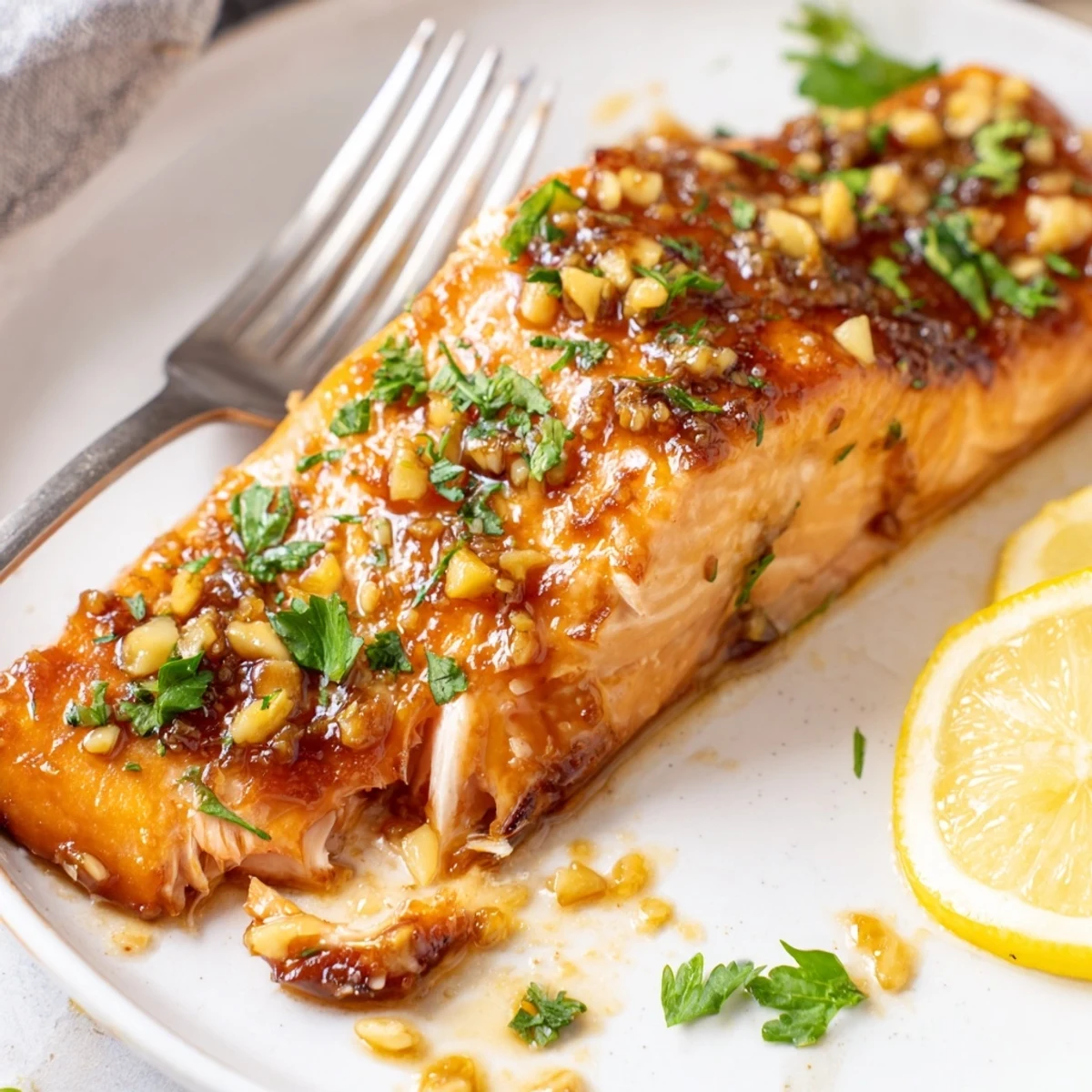
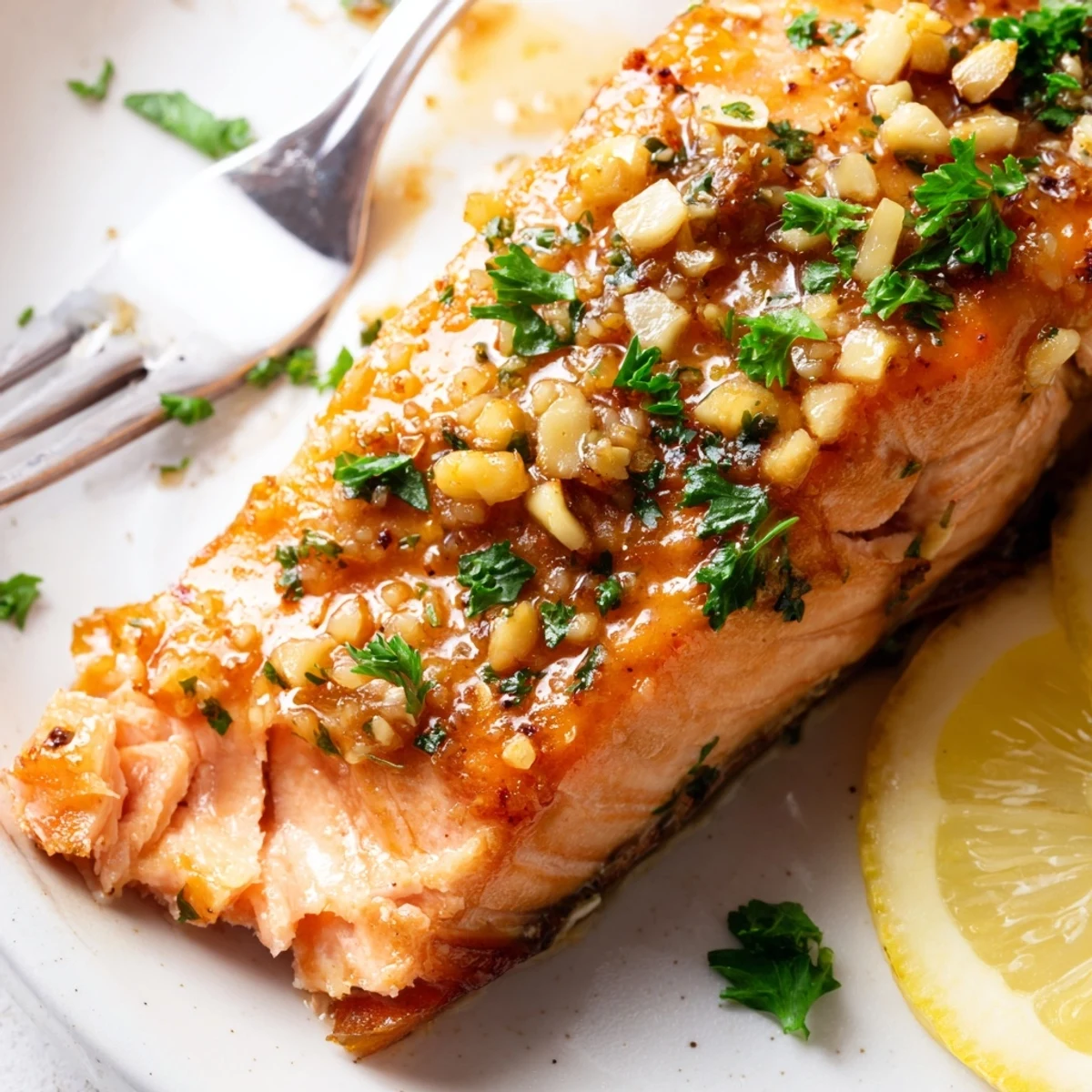
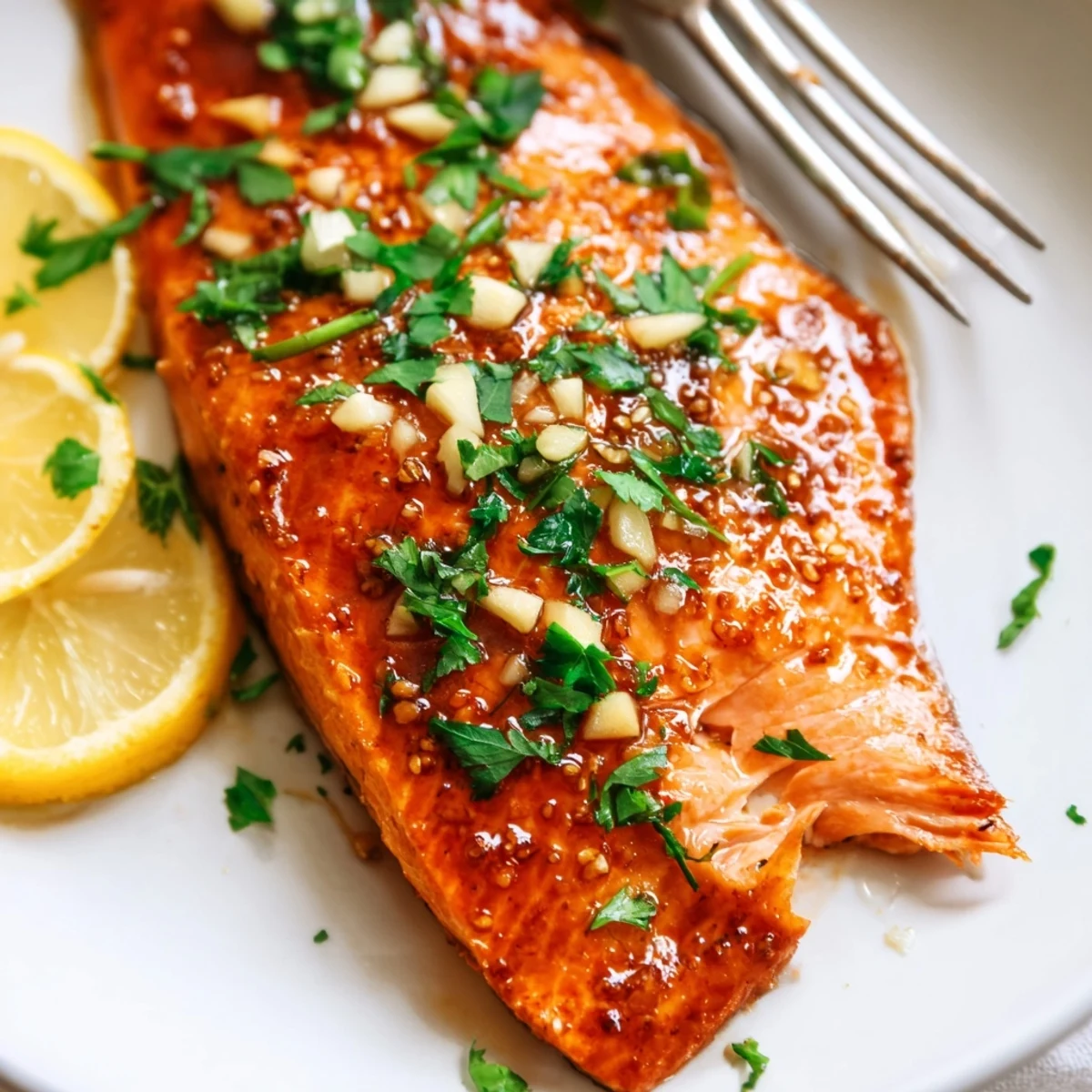
 This dish features tender salmon fillets oven-baked and brushed with a rich honey garlic glaze combining sweet honey, zesty lemon, and savory soy sauce. The glaze imparts a glossy finish with hints of garlic and mustard, enhanced by optional red pepper flakes for a gentle heat. Garnished with fresh parsley and lemon wedges, the salmon pairs beautifully with steamed rice or vegetables. Simple to prepare and quick to cook, it's perfect for an easy yet elegant dinner.
The first time I nailed this salmon, I wasn't even trying to impress anyone—just myself on a Tuesday night when I wanted something that tasted like I'd spent hours in the kitchen but actually took twenty minutes. The honey and garlic hit the pan with this gorgeous sizzle, and suddenly my whole apartment smelled like a restaurant I'd been meaning to visit. That's when I realized the best dinners don't require complicated techniques, just good ingredients and a little confidence.
I made this for my partner's parents once, genuinely nervous because they're the type to cook real food, and I watched their faces when they took that first bite—pure, uncomplicated satisfaction. The salmon was so tender it barely needed a fork, and the glaze had this caramelized edge that made it feel special without being pretentious. That's when I stopped apologizing for easy recipes and started celebrating them instead.
Ingredients
- Salmon fillets (6 oz each, skin-on or skinless): Look for ones that smell like ocean, not fish market, and let them sit out for five minutes before cooking so they cook evenly.
- Olive oil: Just enough to coat the sheet and help the seasoning stick—don't drown them.
- Salt and freshly ground black pepper: More generous than you think; salmon can handle it.
- Honey: The sweetness that balances the soy sauce and creates that glossy finish.
- Soy sauce: Use tamari if you're avoiding gluten, and taste as you whisk because brands vary in saltiness.
- Garlic (3 cloves, minced): Fresh and fine—this isn't the time for jarred garlic, which turns bitter in the oven.
- Fresh lemon juice: Real lemon, squeezed by hand, cuts through the richness and keeps things bright.
- Dijon mustard: Just a teaspoon adds depth and helps emulsify the glaze so it clings to the fish.
- Crushed red pepper flakes: Optional but worth it if you like a gentle whisper of heat.
- Fresh parsley: A small handful chopped right before serving brings everything to life with color and freshness.
- Lemon wedges: For squeezing at the table—always have them ready.
Instructions
- Heat your oven and prep the stage:
- Get your oven to 400°F and line a baking sheet with parchment paper or a light spray of nonstick oil. This little bit of setup saves you from scrubbing later and gives the salmon somewhere safe to cook.
- Dry and season the salmon:
- Pat each fillet dry with paper towels—this is the secret to better browning and better texture. Arrange them on the sheet, drizzle lightly with olive oil, and season generously with salt and pepper on both sides.
- Build the glaze:
- In a small bowl, whisk together the honey, soy sauce, minced garlic, lemon juice, Dijon mustard, and red pepper flakes if you're using them. Taste it on your finger—it should make you happy.
- First brush of flavor:
- Spoon or brush half the glaze evenly over each salmon fillet, making sure the garlic pieces distribute nicely. You're coating them, not drowning them.
- Bake until tender:
- Slide the sheet into the oven for 12 to 15 minutes, depending on how thick your fillets are and how your oven behaves. The salmon is done when it flakes gently with a fork and looks just cooked through—overcooking is the only real mistake here.
- Final glaze and garnish:
- Pull the sheet out, brush the remaining glaze over each fillet, then scatter parsley over the top and serve immediately with lemon wedges for people to squeeze at the table.
 Save to Pinterest
 My roommate came home the night I was testing this recipe, stood in the kitchen doorway, and just said, 'Okay, what is that smell?' When we sat down to eat, there was zero small talk—just quiet appreciation and someone asking for thirds. That's when food stops being about effort or impressiveness and becomes about connection, which is really what cooking is.
Why the Honey-Garlic Combination Works
Honey brings sweetness and gloss, garlic adds depth and aromatic richness, soy sauce contributes umami and a touch of saltiness, and lemon juice brightens everything so it doesn't feel heavy or cloying. Together they create a glaze that tastes like you've been simmering things for hours, when really you've just mixed five ingredients in a bowl. The mustard is the quiet hero here—it helps the glaze stick and adds complexity without announcing itself.
Timing and Temperature Matter More Than You'd Think
Salmon cooks fast at 400°F, which is exactly why this meal takes twenty-five minutes instead of an hour. The high heat firms up the outside while the inside stays tender and buttery, and the glaze caramelizes just enough to taste intentional without burning. If your oven runs hot, check at 12 minutes; if it runs cool, you might need the full 15. Trust your fork, not the clock.
Serving Suggestions and Flavor Pairings
Steamed rice soaks up the glaze like it was made for this moment, roasted vegetables on the side feel complete and balanced, and a simple green salad cuts through the richness perfectly. Some nights I serve it with just rice and lemon wedges, other nights with roasted asparagus and little potatoes. The salmon is the star, so don't overcomplicate what sits beside it.
- Make extra glaze if you're cooking for people who like things saucier—you can always brush more on after plating.
- If you're substituting maple syrup for honey, use the same amount but taste the glaze first since maple can be more assertive.
- Leftover salmon is genuinely good cold the next day on a salad, so don't hesitate to make extra on purpose.
 Save to Pinterest
 This salmon has become my go-to dinner when I want to feel like I actually cooked something, and my guests always leave thinking I'm more skilled than I really am. That's the best kind of recipe—the one that makes you look good while barely trying.
Recipe Questions
- → What is the best way to cook the salmon for tender results?
-
Baking the salmon at 400°F (200°C) allows even cooking and a moist texture. Avoid overcooking by baking for 12-15 minutes until the salmon flakes easily.
- → Can I adjust the glaze for more spice?
-
Yes, adding crushed red pepper flakes to the glaze gives a subtle kick. Adjust the amount to your preferred heat level.
- → How can I make the glaze more caramelized?
-
Broil the salmon for the last 1-2 minutes of cooking to caramelize the glaze for a richer, slightly crisp finish.
- → Are there suitable substitutions for honey in the glaze?
-
Maple syrup can be used as a natural alternative to honey, providing a similar sweetness and depth of flavor.
- → What sides complement this baked salmon dish?
-
Steamed rice, roasted vegetables, or a fresh salad balance the rich flavors and make a complete meal.