
 Save to Pinterest
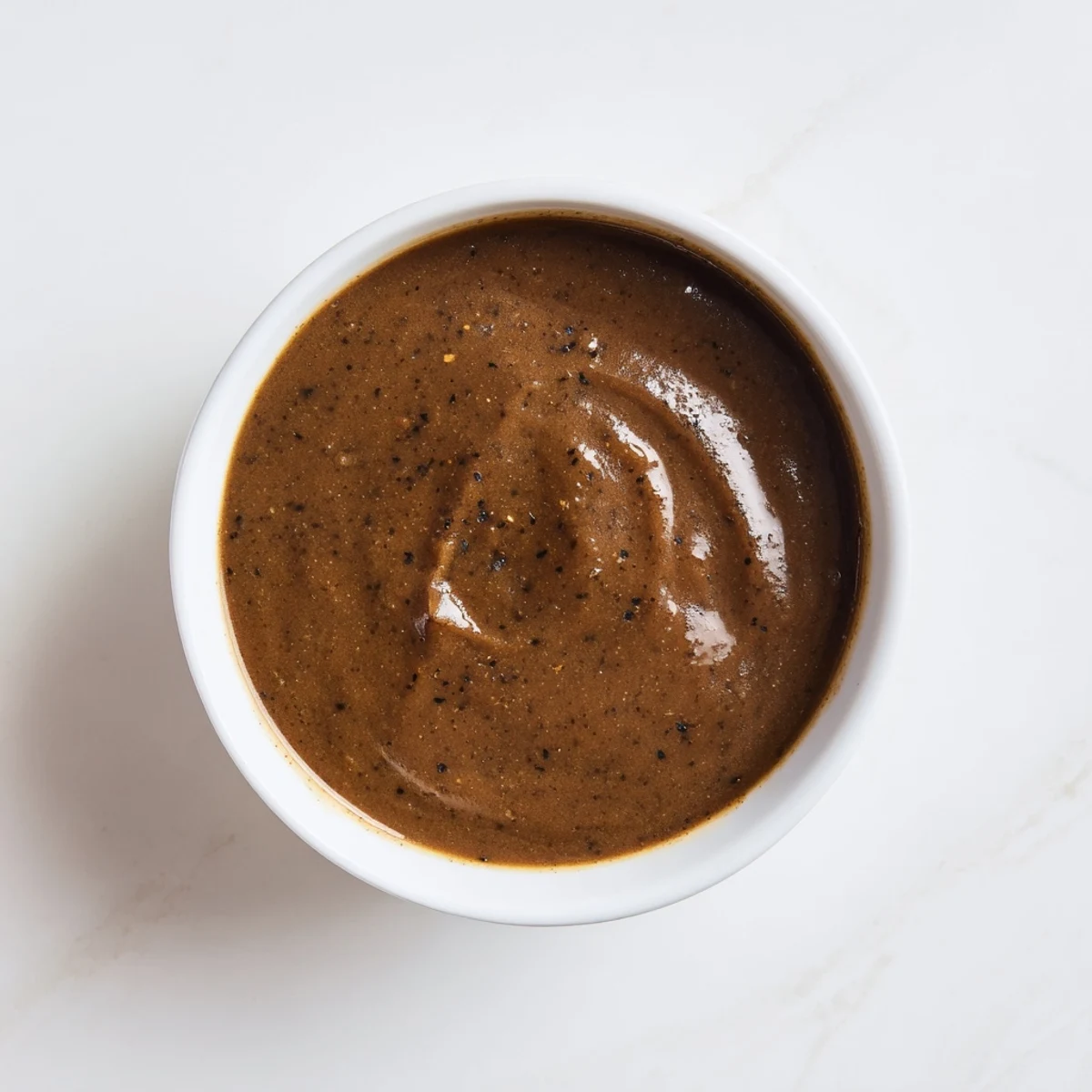
 This savory beef sauce is made by combining pan drippings with beef stock, thickened into a smooth, flavorful topping. A roux base with butter and flour creates a velvety texture while seasonings like black pepper and optional Worcestershire add depth. The sauce simmers until it thickens to the perfect consistency, complementing roast beef or classic side dishes with rich, meaty notes. Straining ensures a smooth finish, making it a versatile addition for British-style meals or comfort food alike.
The first time I truly understood gravy was watching my grandmother work a wooden spoon through a bubbling pan, coaxing every bit of flavor from the meat juices clinging to the bottom. She never measured anything, just knew by feel when the roux had turned that perfect pale gold, when the stock had thickened enough to coat the back of a spoon. Now, whenever I roast beef, I save those precious drippings—that's where the real magic lives, and it transforms something as simple as butter and flour into something that tastes like Sunday dinner.
I remember serving this gravy at a dinner where someone's aging mother tasted it and went quiet for a moment—then said it reminded her of her own kitchen fifty years ago. That's when I realized gravy isn't just sauce; it's the thing that holds a meal together, the taste of care poured over something humble and made it matter.
Ingredients
- Beef drippings (1/4 cup): These are liquid treasure—strain them to remove any bits, and never skip this step or you'll lose the soul of your gravy.
- Beef stock (2 cups): Use what you have, but lower sodium gives you control over the final seasoning; cold stock whisks in more smoothly than hot.
- Unsalted butter (2 tbsp): This is your base, so use real butter—it's the foundation of a proper roux.
- All-purpose flour (2 tbsp): Equal parts butter and flour make the roux foolproof; too much flour makes it pasty, too little leaves it thin.
- Black pepper (1/2 tsp): Grind it fresh right before adding if you can; pre-ground loses its bite in the heat.
- Salt (1/2 tsp): Taste as you go—you'll need more than you think, but you can always add.
- Onion powder (1/2 tsp, optional): This is my secret weapon for depth when fresh onions aren't an option.
- Worcestershire sauce (1/2 tsp, optional): A splash of this adds umami and a subtle tang that makes people ask what your secret is.
Instructions
- Melt the butter:
- Set your saucepan to medium heat and watch the butter foam and turn from pale yellow to deeper gold—you want it hot enough to cook the flour but not so hot it browns.
- Make the roux:
- Sprinkle the flour in slowly while whisking, then keep stirring for 2-3 minutes until it loses that raw flour smell and turns a light, creamy color. You'll feel it transform under the whisk, becoming silky instead of grainy.
- Add the liquid:
- Pour the beef drippings and stock in slowly while whisking constantly—rushing this is how lumps happen, so patience here pays off. Keep whisking until it's completely smooth, then stop when there's no trace of flour.
- Bring to a simmer:
- Turn up the heat slightly and watch for tiny bubbles to break the surface—don't let it boil hard or it'll splatter. Stir often, reaching into the corners of the pan where it tends to stick.
- Season and simmer:
- Stir in the pepper, salt, onion powder, and Worcestershire if using, then let it bubble gently for 8-10 minutes. You'll see it transform from thin and glossy to velvety and thick—that's the flour doing its job.
- Taste and adjust:
- This is crucial—dip a clean spoon in, blow on it, and really taste. Gravy needs bold seasoning, so don't be shy.
- Strain for silkiness (optional):
- If you want it impossibly smooth, pour it through a fine mesh sieve into a bowl—this catches any flour bits that didn't dissolve.
- Serve hot:
- Pour it over roast beef, mashed potatoes, Yorkshire pudding, or whatever needs that savory blanket.
 Save to Pinterest
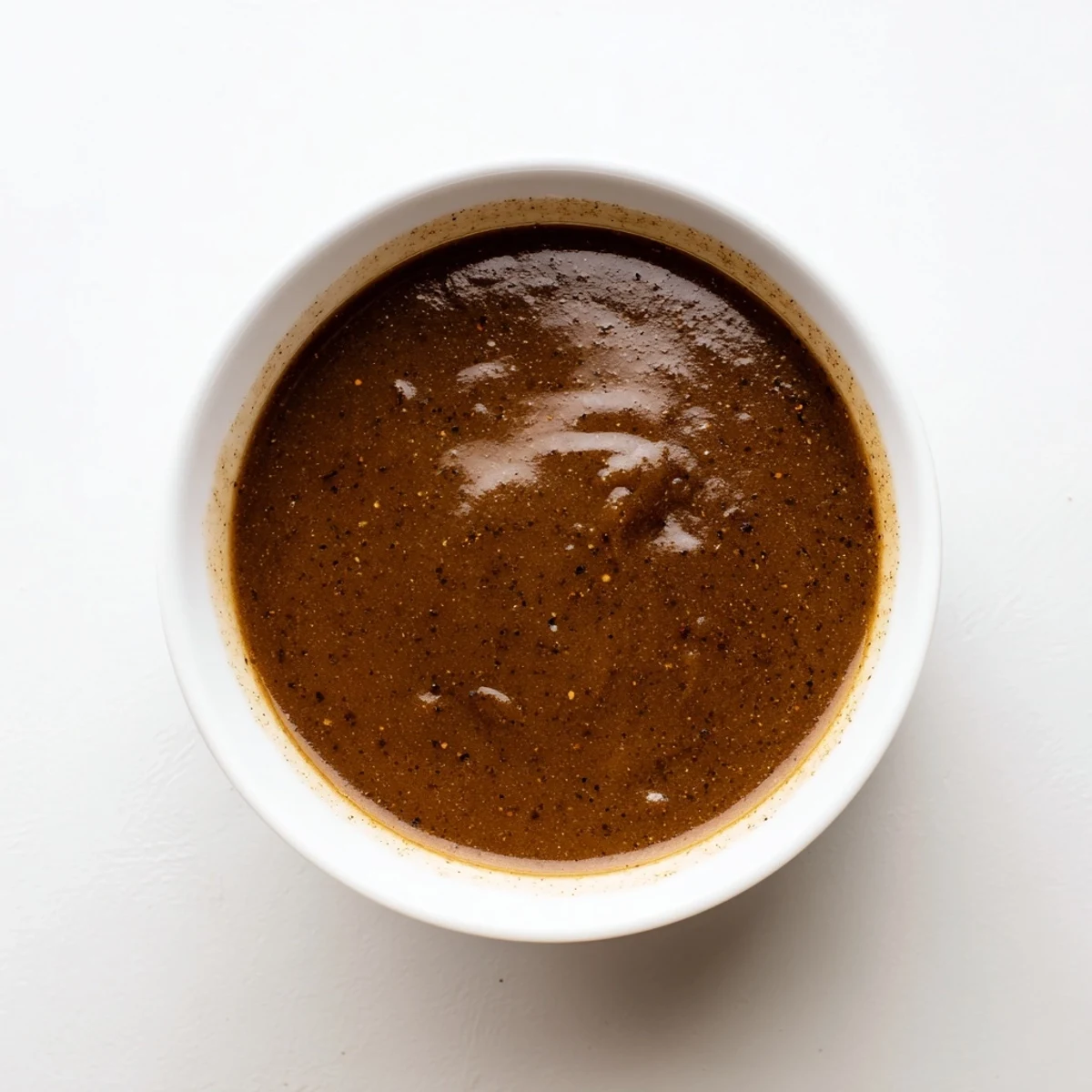
 There's something about watching gravy glisten on a plate that makes you feel like you've done something right in the kitchen. It's proof that the best things don't require fancy tricks—just good ingredients, a little technique, and the confidence to season boldly.
The Roux: Your Secret Weapon
The roux is where everything begins, and understanding it changes everything. Equal parts fat and flour, cooked together until they bond into a thickener—it's the same technique French cooks have used for centuries, and it works because of actual chemistry, not magic. That light golden color isn't just pretty; it means the flour has lost its starchy rawness and gained a subtle toasted depth.
Building Flavor Layers
Beef drippings are non-negotiable because they're where the real flavor lives—that's the caramelized, browned meat juice that makes gravy taste like roast beef instead of just beef stock. If you're making this without saving drippings, you've already lost something important, but you can salvage it by adding a splash of red wine or a touch more Worcestershire. The optional additions matter too; onion powder and Worcestershire aren't just flavor boosters, they're the quiet ingredients that make people lean back and wonder why restaurant gravy tastes better.
Texture and Thickness
Gravy should coat a spoon without being gluey, and the trick is stopping right before you think it's thick enough—it keeps thickening as it cools. If it becomes too thick, a splash of hot stock brings it back to life; if it stays thin, another minute or two of simmering usually does it. The straining step is optional but changes everything if you want silkiness; some people love it, others prefer a little texture.
- Thinner gravy feels elegant poured over meat; thicker gravy clings to potatoes like a blanket.
- Cold gravy thickens like gelatin once it cools, so always reheat gently with a little extra liquid.
- Taste one final time just before serving—salt can dissipate or intensify depending on how long it's been sitting.
 Save to Pinterest
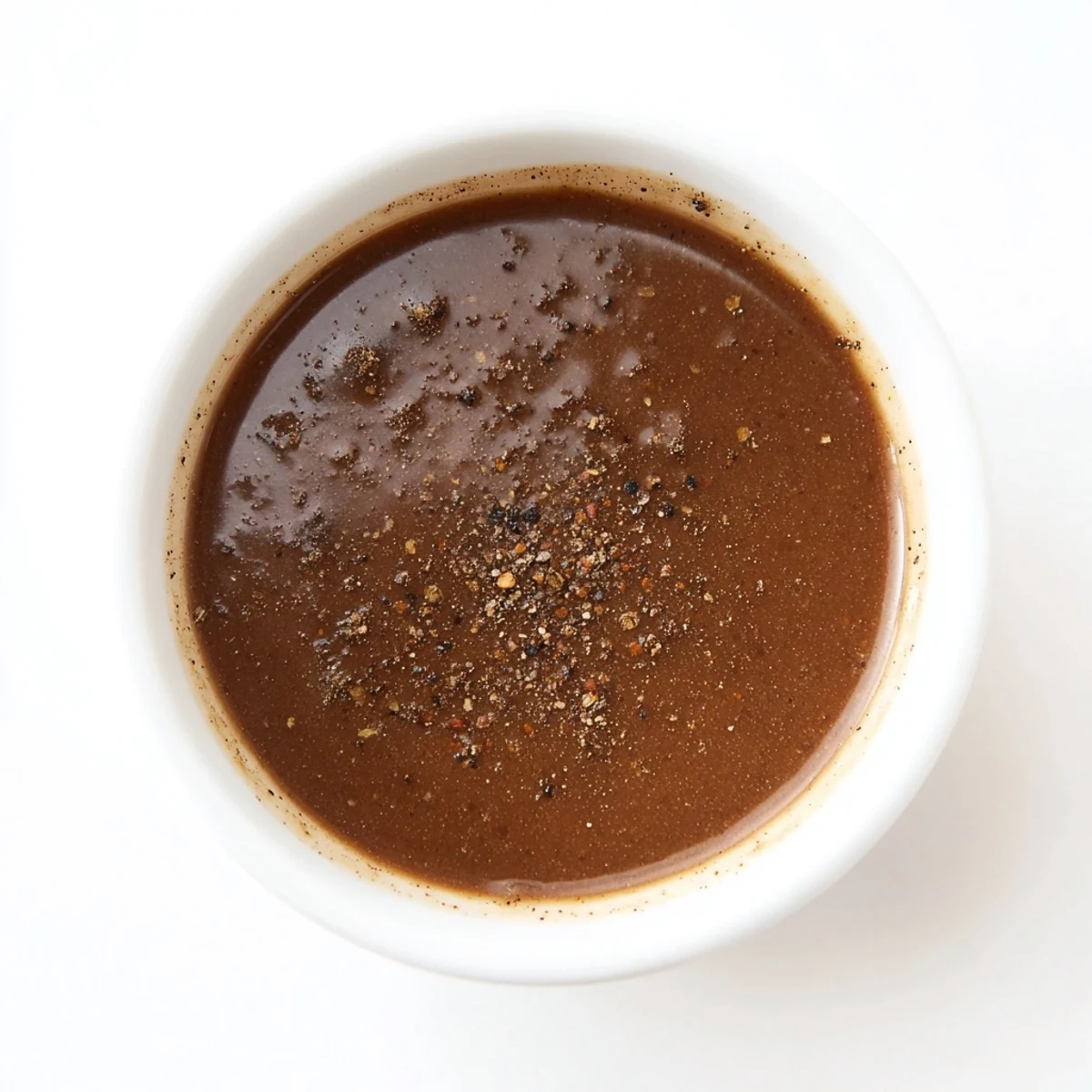
 Gravy is one of those things that feels impossible until it isn't, and then you realize you've been holding the secret all along. Make it once and taste what happens when you season boldly, and you'll never go back to anything else.
Recipe Questions
- → What ingredients create the base of this beef sauce?
-
The base combines beef pan juices with low sodium beef stock, thickened using a butter and flour roux for a smooth consistency.
- → How do you achieve the perfect thickness for the sauce?
-
Cooking the butter and flour roux until golden before gradually adding beef liquids ensures a lump-free thickening as it simmers gently.
- → Can I make this sauce gluten-free?
-
Yes, by substituting all-purpose flour with a gluten-free flour blend or cornstarch (use half the amount dissolved in cold stock).
- → What optional seasonings enhance the sauce's flavor?
-
Onion powder and Worcestershire sauce can be added for additional depth and complexity to the savory base.
- → Is it necessary to strain the sauce?
-
Straining through a fine mesh sieve is optional but recommended for a smooth, silky texture without lumps.
- → How can I enrich the flavor further?
-
Adding a splash of red wine during simmering or substituting some butter with beef fat from the drippings intensifies the richness.