
 Save to Pinterest
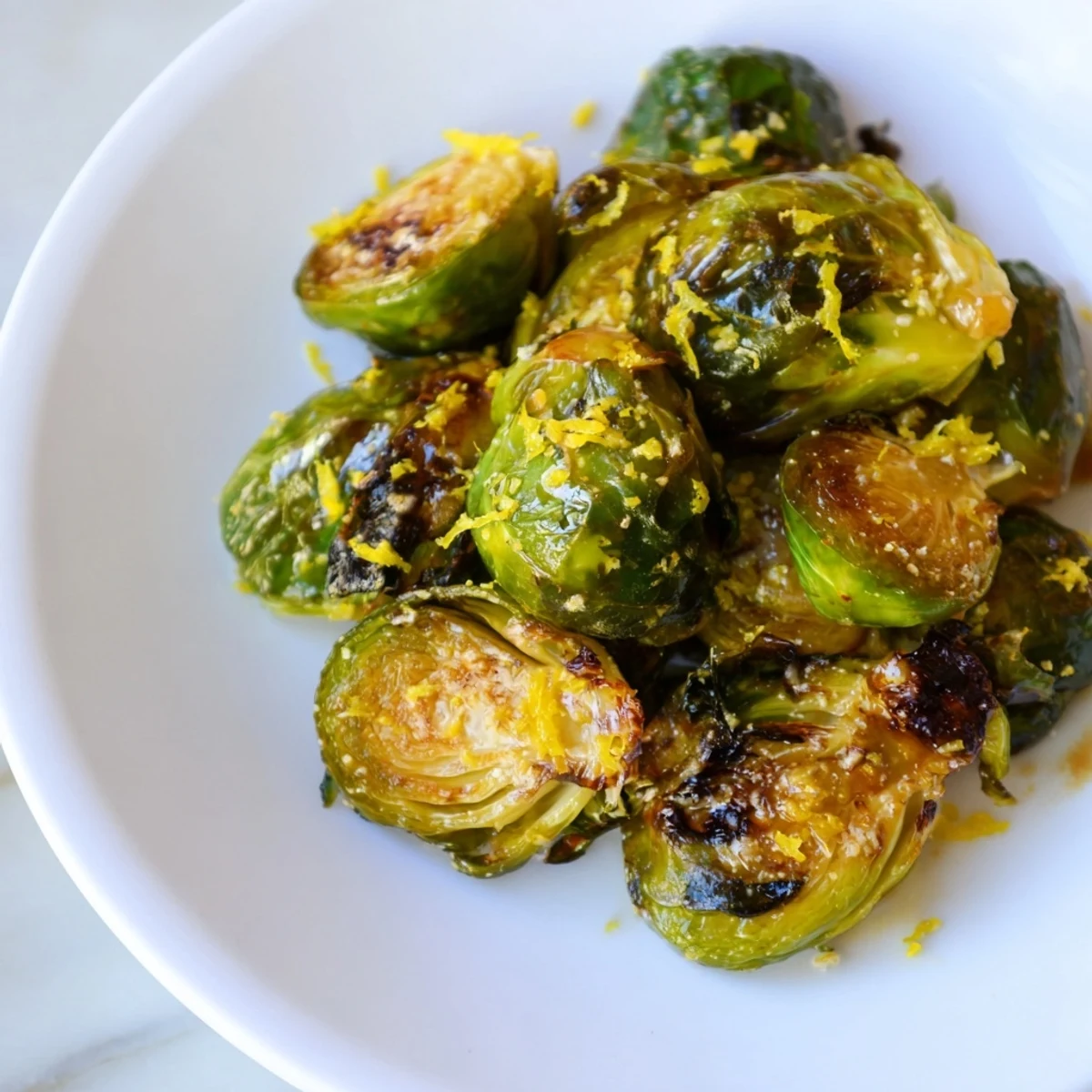
 Tender Brussels sprouts are halved and coated in olive oil, garlic, salt, and pepper before roasting to a crispy golden finish. Once out of the oven, they are tossed with fresh lemon juice and zest to add bright, savory notes. Optional Parmesan cheese can be sprinkled for extra richness. This simple, flavorful side comes together in under 35 minutes and pairs well with a variety of main courses.
I still remember the first time I truly understood Brussels sprouts. It was at my grandmother's kitchen table on a crisp autumn evening, watching her pull a golden-brown tray from the oven. The smell hit me first—nutty, caramelized, with that bright whisper of lemon cutting through. I'd spent years avoiding these little green orbs, convinced they were the enemy. But in that moment, tasting one with its crispy exterior and tender, almost sweet interior, I realized I'd been wrong my entire life. Now, Brussels sprouts roasted with garlic and lemon is the dish I come back to whenever I want to feel that same magic in my own kitchen.
I made this for a dinner party last spring when a friend brought her new partner to our house for the first time. I was nervous about the meal, honestly, but these Brussels sprouts became the conversation starter. Everyone went back for seconds, and my friend's partner asked for the recipe before dessert even arrived. It became the thing they specifically requested me to make whenever they visited. That's when I knew I'd found something special.
Ingredients
- 500g Brussels sprouts, trimmed and halved: The key here is getting them roughly the same size so they roast evenly. Don't be shy about halving them—you want that flat cut side to face down on the pan where it'll get gloriously caramelized and crispy
- 3 cloves garlic, minced: Fresh garlic is non-negotiable. Mincing it small means it'll become fragrant and golden rather than burnt. If you only have jarred garlic, use about half what you'd normally use
- 2 tbsp olive oil: Use a good quality extra virgin olive oil if you can—it matters here since it's so prominent in flavor. The oil is what creates that crispy exterior everyone loves
- 1/2 tsp sea salt: Sea salt has a cleaner flavor than table salt. You can always add more at the end, but you can't take it out
- 1/4 tsp freshly ground black pepper: Freshly ground is really worth the effort. Pre-ground pepper loses so much of its personality sitting in a tin
- 1 tbsp fresh lemon juice and 1 tsp lemon zest: Fresh lemon is essential here. Bottled juice is sad and flat by comparison. The zest adds brightness and those little pops of citrus oil that make everything sing
- Optional 2 tbsp grated Parmesan cheese: This is my secret weapon when I want to make it feel extra special. It adds a savory depth that makes people ask what you did differently
Instructions
- Heat your oven and prepare the stage:
- Start by preheating your oven to 220°C (425°F). While it's warming up, line your baking sheet with parchment paper. This step matters more than you might think—the parchment prevents sticking and helps everything cook evenly. I learned this the hard way with a stuck pan and a kitchen that smelled like burnt Brussels sprouts for three days
- Dress your sprouts:
- In a large bowl, combine your halved Brussels sprouts with the olive oil, minced garlic, salt, and pepper. Use your hands to toss everything together until each piece is glistening and coated. This is actually meditative—feel the texture change as the oil coats everything. You want every sprout kissed with garlic and oil
- Arrange them for glory:
- Spread the Brussels sprouts in a single layer on your prepared baking sheet with the flat, cut side facing down. This is crucial. That flat side is going to kiss the hot pan and turn into crispy, caramelized perfection. Don't overcrowd them—give them breathing room or they'll steam instead of roast
- Roast until golden:
- Pop the baking sheet into your oven and roast for 20 to 25 minutes. About halfway through, give the pan a gentle shake or stir to make sure everything's cooking evenly. You're looking for golden brown edges and a tender inside. The sprouts should smell absolutely incredible—nutty and sweet with just a hint of char
- The finishing touch:
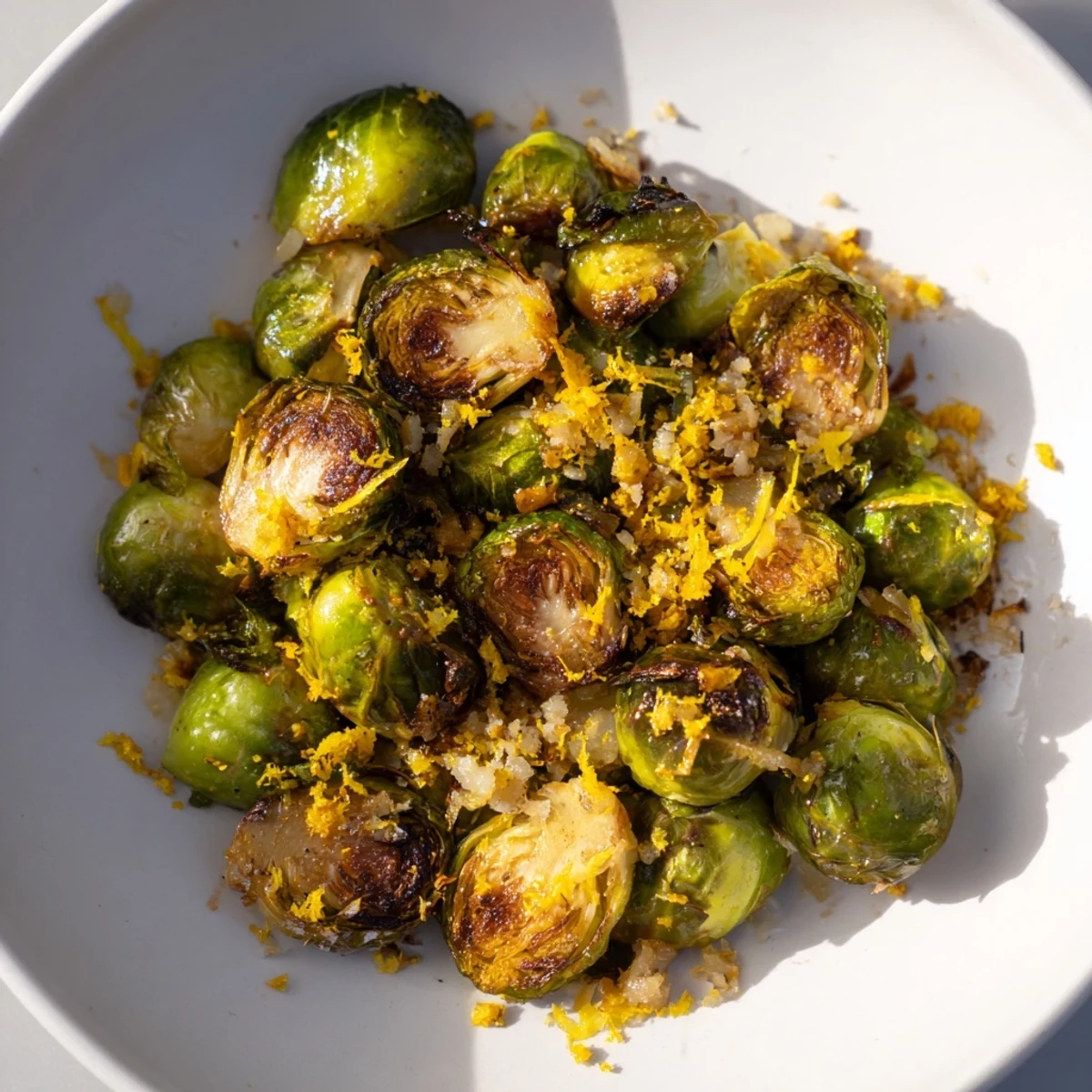
- Remove the baking sheet from the oven and immediately toss the hot sprouts with fresh lemon juice and zest. The heat will release the lemon's oils and brighten everything. If you're using Parmesan, sprinkle it on now while everything's still warm. Let it sit for just a minute so the flavors settle
- Serve with intention:
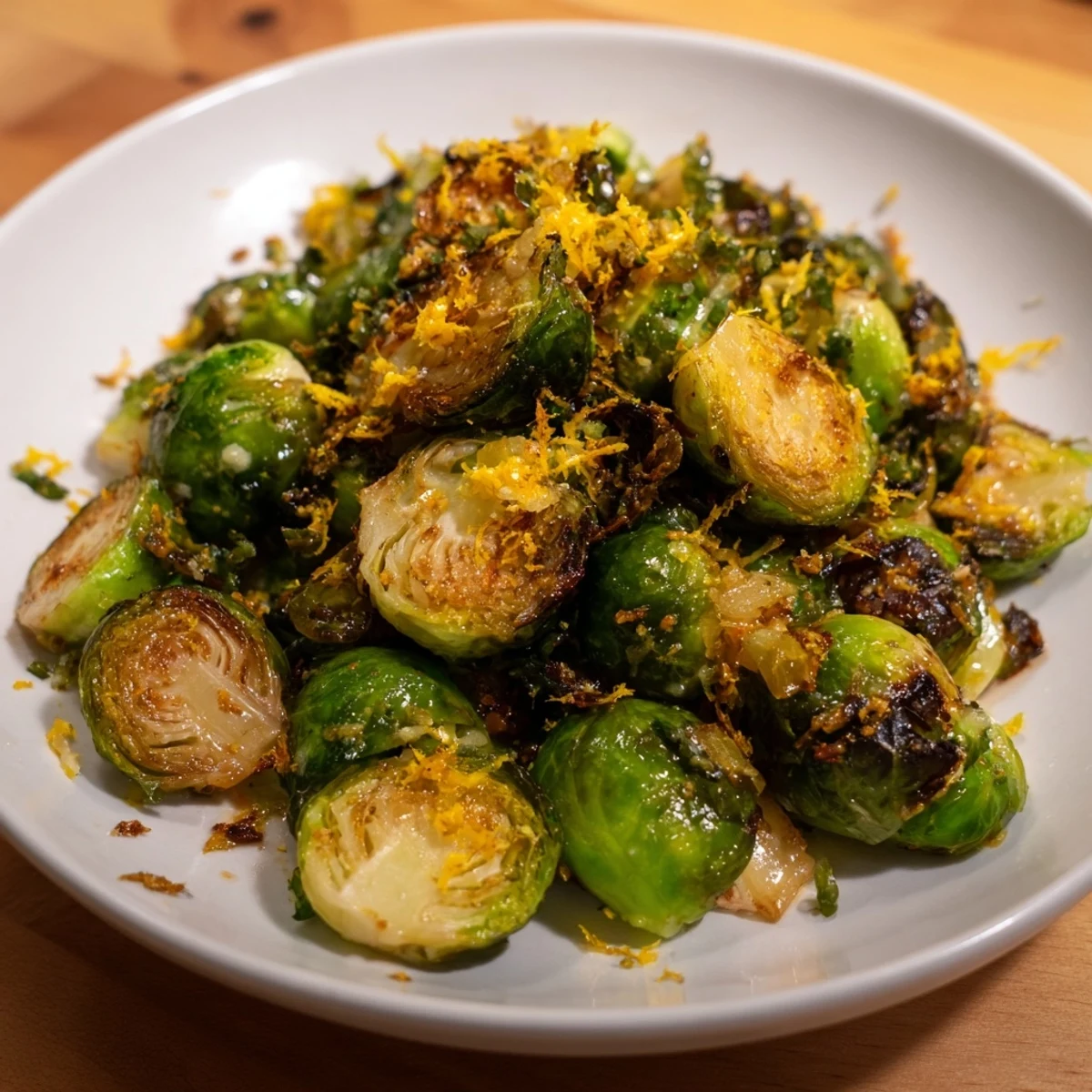
- Transfer to a serving dish while everything is still warm. These are best eaten within minutes, but honestly, they're good even at room temperature if you have any left over
 Save to Pinterest
 I'll never forget when my five-year-old nephew, who survived on chicken nuggets and pasta, tried these Brussels sprouts at my house. He asked for seconds without me even offering. His mom cried a little. That's when I realized this recipe isn't just about food—it's about changing minds and opening doors to flavors people didn't know they were missing.
Why Brussels Sprouts Are Worth Your Time
Brussels sprouts get a bad reputation, mostly because so many people grew up eating boiled, mushy versions that tasted like disappointment. But roasting them is completely different. The dry heat of the oven brings out their natural sweetness while the edges turn crispy and caramelized. They're packed with vitamin C, fiber, and antioxidants, so you're getting genuine nutrition without any of the guilt. Plus, they're dramatically cheaper than most vegetables and last for weeks in your crisper drawer, making them one of the most reliable ingredients in your kitchen.
Timing and Temperature Matter
The oven temperature here is important. At 220°C (425°F), you're hot enough to caramelize the outside before the inside gets too soft. If your oven runs cool, you might need to add five extra minutes. If it runs hot, check them a bit earlier. Every oven has a personality, and once you figure out yours, you'll nail this every time. I keep a note on my fridge about my oven's quirks—it sounds silly, but it saves so much frustration.
Seven Ways to Make This Your Own
While the base recipe is perfect as-is, this dish is beautifully flexible. Want something spicier? Toss a pinch of chili flakes into the oil before roasting. Craving something richer? Add a splash of balsamic vinegar instead of lemon. For a completely different vibe, try a tiny drizzle of honey after roasting, or sprinkle with crispy bacon bits. Some nights I add a touch of Dijon mustard to the coating. Other times, I finish with a sprinkle of toasted breadcrumbs for crunch. The garlic and the roasting method are the foundation—everything else is your playground. I've even made this with just lime instead of lemon when that's what I had on hand, and it was equally delicious.
- Swap lemon for balsamic vinegar, orange zest, or even a tiny drizzle of honey for completely different flavor profiles
- Add heat with chili flakes, or richness with a bit of Parmesan mixed into the cooking oil
- These pair beautifully with roasted chicken, grilled fish, or even as part of a vegetarian grain bowl
 Save to Pinterest
 This recipe has become my answer to the question, What should I make? on hundreds of nights. It's simple enough for a Tuesday dinner after work but good enough for Friday when friends are coming over. That's the magic of a truly great recipe.