
 Save to Pinterest
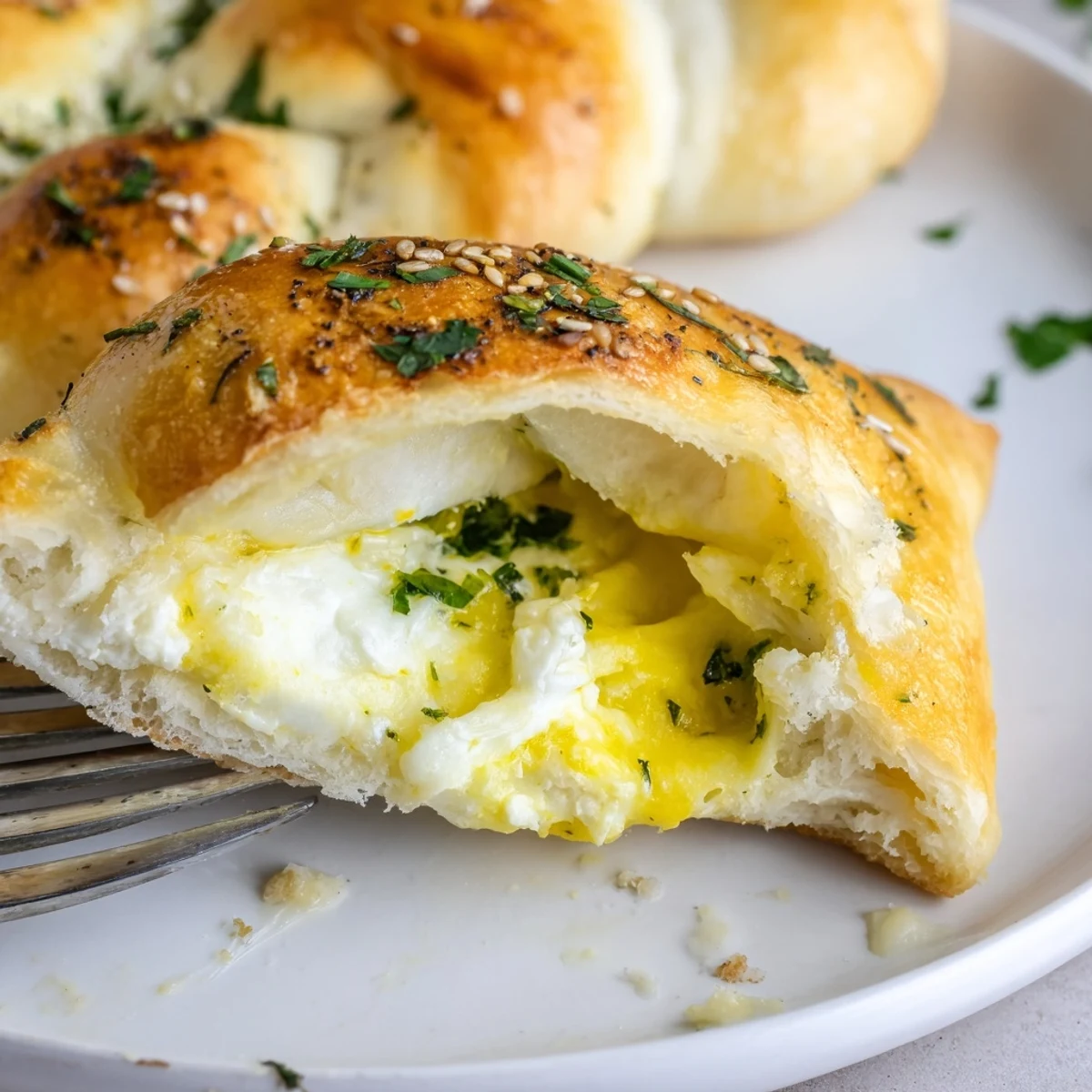
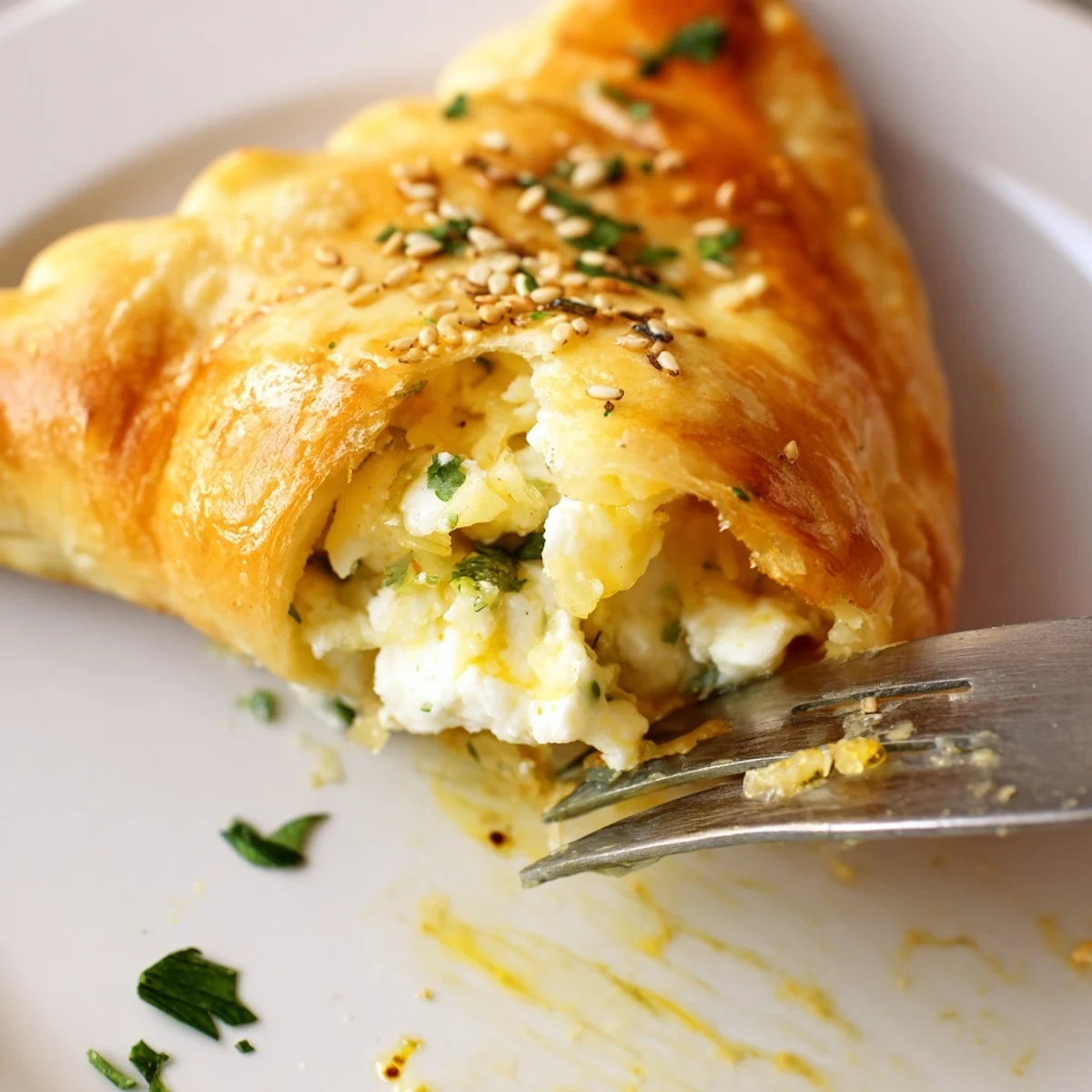
 Start by making a soft, elastic dough from flour, yeast, olive oil and warm milk; let it double. Combine crumbled feta, shredded mozzarella, chopped parsley, nigella and an egg white to bind. Divide dough into 12 rounds, add a generous spoonful of filling, fold into triangles or ovals and seal. Brush with yolk mixed with milk and bake at 190°C (375°F) until golden, about 18–22 minutes. Serve warm with mint, tomatoes or olives.
There’s something supremely satisfying about the rhythmic sound of dough being kneaded on a cool countertop, especially when making cheese fatayer. The aroma of olive oil mingling with yeast always seems to signal that something delicious is on its way. I first tried my hand at these flaky pockets after a friend described them over a coffee break at work, tempting me with talk of melting cheese and warm bread. That same evening, my kitchen was filled with curiosity and the scent of baking pastries.
The first time I made these fatayer for my parents during a rainy weekend, my father was drawn to the kitchen by the smell alone. We ended up eating them standing at the counter, impatiently breaking them open while steam still curled from the filling. It’s a recipe that invites sharing and spontaneous laughter, especially when the cheese stretches out in long, delightful threads. Even now, someone always manages to sneak a piece before they’re fully cooled.
Ingredients
- All-purpose flour: Go for unbleached if you have it—the dough will be softer and easier to work with.
- Instant dry yeast: This gives a nice, even rise, and I always check the expiration date, just in case.
- Sugar: A small amount speeds up yeast activation and adds a subtle depth.
- Salt: Balances the richness of the cheese and makes the dough more flavorful.
- Olive oil: Adds tenderness and gives the dough an unmistakable Mediterranean aroma.
- Warm milk: Make sure it’s slightly warm, not hot, or the yeast won’t do its job.
- Feta cheese: The tangy backbone of the filling—I go for a creamy variety, not too dry.
- Mozzarella cheese: Its stretchiness is what makes every bite fun; shredding your own melts better than pre-shredded.
- Fresh parsley: Chop it small so you get flashes of freshness in each mouthful.
- Nigella seeds or black sesame seeds: Optional, but they add a subtle earthiness I’ve grown to love.
- Egg white: Helps bind the cheese together—don’t leave it out unless you must.
- Freshly ground black pepper: Just a few twists bring the cheeses to life.
- Egg yolk: For a glossy, golden top.
- Milk or water: Mixes with egg yolk for that perfect pastry sheen.
Instructions
- Dough Together Time:
- Combine the flour, yeast, sugar, and salt in a big bowl and stir them around for a minute—you’ll notice the flour begin to puff up from the yeast. Drizzle in olive oil, then slowly pour in warm milk as you knead; your hands will get sticky but then the dough turns silky smooth after five minutes or so.
- Let the Dough Rise:
- Shape the dough into a ball, cover the bowl, and tuck it away in a warm corner—it should double as you wash up or prep your filling, and pressing your finger into it later is oddly satisfying.
- Mix the Cheesy Filling:
- Crumble feta and toss mozzarella with parsley, nigella seeds, egg white, and black pepper for a filling that smells herby and a bit salty; it should be just moist enough to stick together.
- Shape and Fill:
- Divide the dough into 12 pieces, roll each into a ball, and flatten into small discs; the soft dough should feel stretchy, not sticky, under your hands.
- Seal the Pockets:
- Add a heaping spoonful of cheese filling to each circle, then fold and pinch the edges into triangles or ovals, squeezing tight so nothing leaks out.
- Bake and Brush:
- Arrange each fatayer on a parchment-lined tray, whisk egg yolk with milk, and brush the tops—there’s something calming about this step. Bake until deeply golden and your kitchen smells like a bakery (around 20 minutes gives optimal color and crunch).
- Cool and Serve:
- Let them rest for a few minutes; resist biting in straight from the oven unless you want to risk the roof of your mouth like I once did.
 Save to Pinterest
 The day I brought a basket of these to a friend’s rooftop picnic, someone called them ‘cheese hugs’—and the name stuck. Watching friends break them open, discovering their gooey centers under the open sky, I realized sharing homemade pastries really can make the simplest afternoon feel special.
Tools You’ll Want Handy
Having everything ready saves so much time, especially when flour is flying. I keep my rolling pin and mixing bowls out on the counter so there’s no frantic drawer-diving mid-dough, and a sheet of parchment paper means easy cleanup (and less scrubbing later).
Mix and Match Cheese Ideas
Once, I tried half ricotta in the filling when I ran out of mozzarella, and nobody even noticed—the extra creaminess was a happy accident. Halloumi, kashkaval, or even cheddar bring their own twist, so you can experiment based on what’s hiding in your fridge.
Little Tricks for Perfect Fatayer
The second rise is subtle but makes the dough fluffier, and don’t forget a final pinch along all seams to seal the cheese in. I like to sprinkle a handful of nigella or sesame seeds over the brushed tops for crunch and a gentle, nutty aroma that fills the kitchen as they bake. Serve with a cool salad or even just fresh herbs—however you pair them, these are as good warm as they are at room temperature.
- If you want super even fatayer, weigh each dough ball as you go.
- Line your baking sheet with parchment for easy lifting and zero sticking.
- Brush the fatayer while they’re still warm for an even glossier finish.
 Save to Pinterest
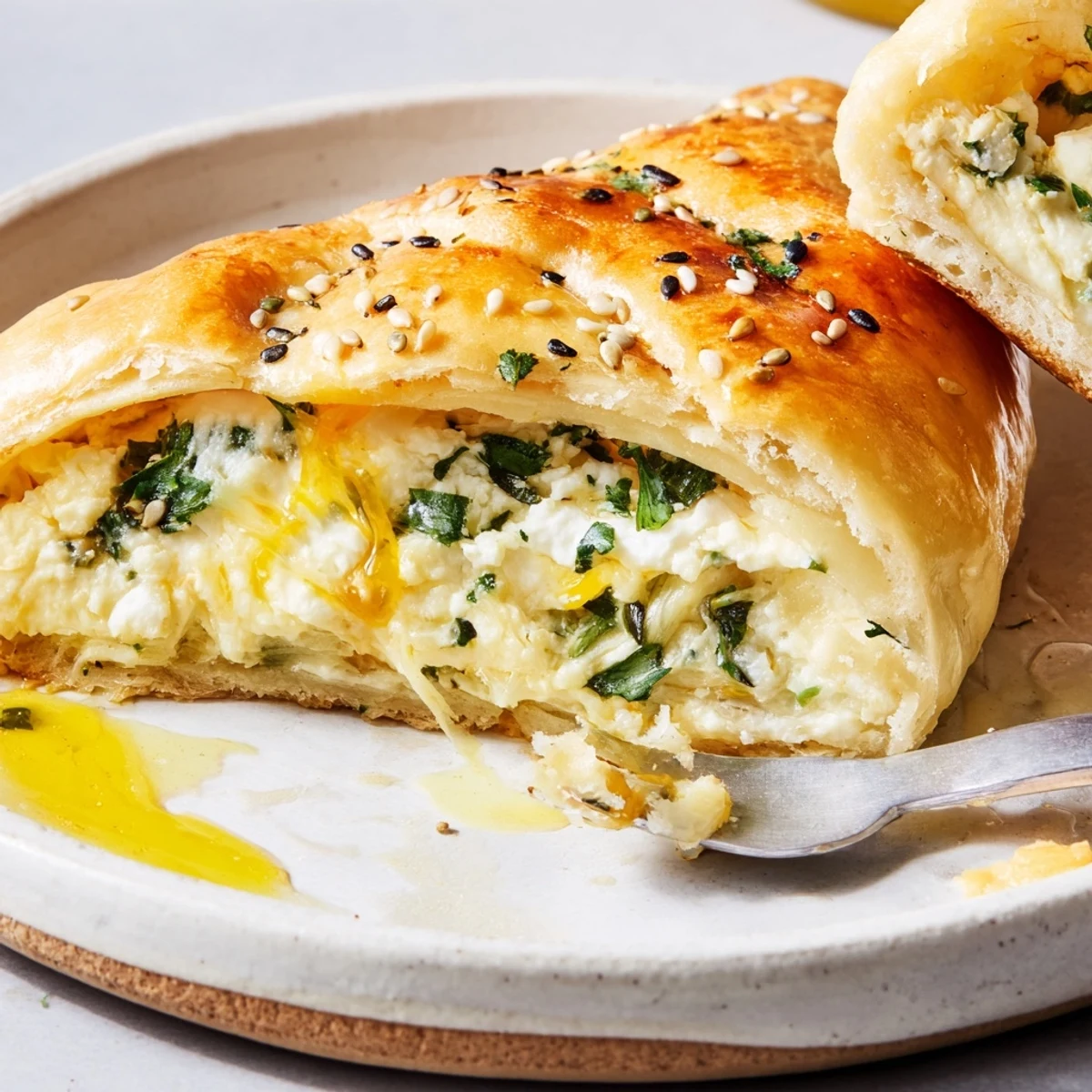
 Pass a plate of cheese fatayer around and you’ll see just how quickly good food disappears. However you shape them, these little golden parcels always bring a smile.
Recipe Questions
- → How do I prevent the filling from leaking during baking?
-
Use a small amount of filling, include the egg white as a binder, and press seams firmly to seal. Chill shaped pieces briefly before baking if the filling seems soft to help maintain shape.
- → Can I swap the cheeses for other varieties?
-
Yes. Try halloumi for salt and texture, ricotta for creaminess, or a mild kasseri. Adjust salt to taste when using saltier cheeses like halloumi or feta blends.
- → What makes the dough light and tender?
-
Warm milk, proper kneading to develop gluten, and a full rise make a soft crumb. Avoid adding too much flour while shaping to keep the pockets tender.
- → Can these be frozen for later?
-
Freeze unbaked, shaped pockets on a tray until firm, then transfer to a bag. Bake from frozen, adding a few extra minutes until golden. Baked pockets also freeze well and can be reheated in a hot oven.
- → How do I get a shiny, golden top?
-
Brush with a mix of egg yolk and a little milk or water just before baking. Use a preheated baking sheet and bake until the tops are deeply golden for the best color and shine.
- → What are good accompaniments for serving?
-
Serve warm with fresh mint, sliced tomatoes, olives, labneh or a drizzle of olive oil. A simple yogurt or tahini dip also complements the salty cheese filling.