
 Save to Pinterest
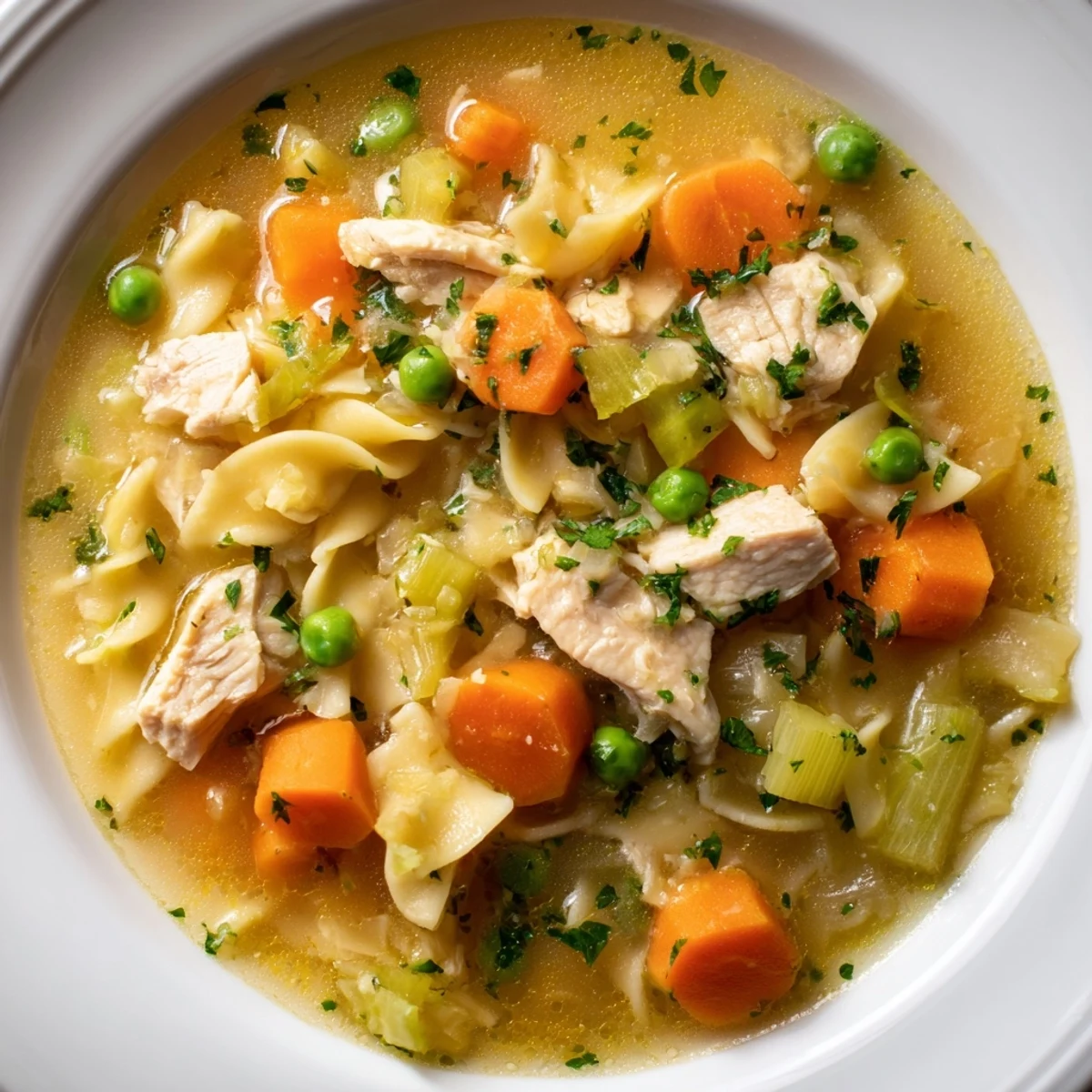
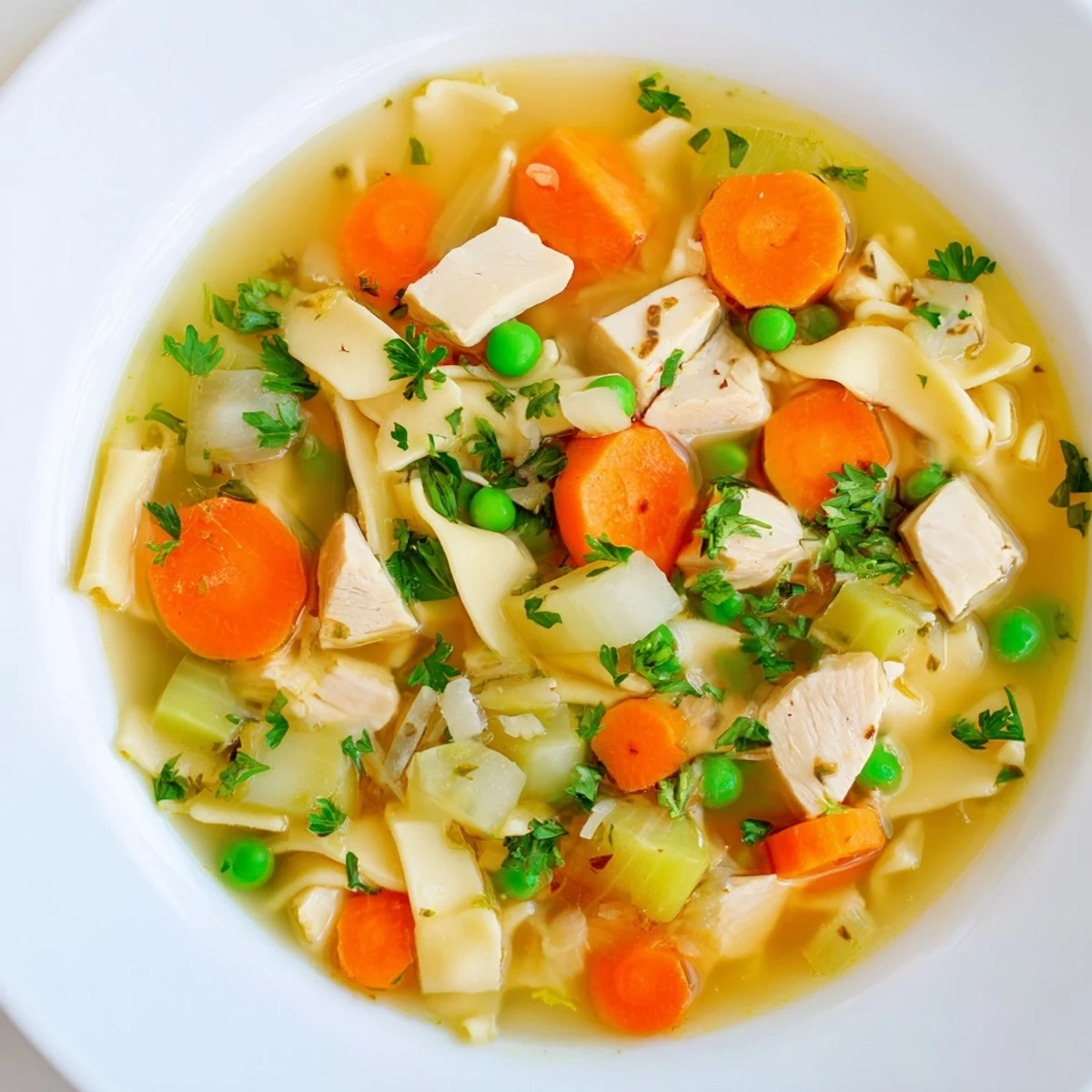
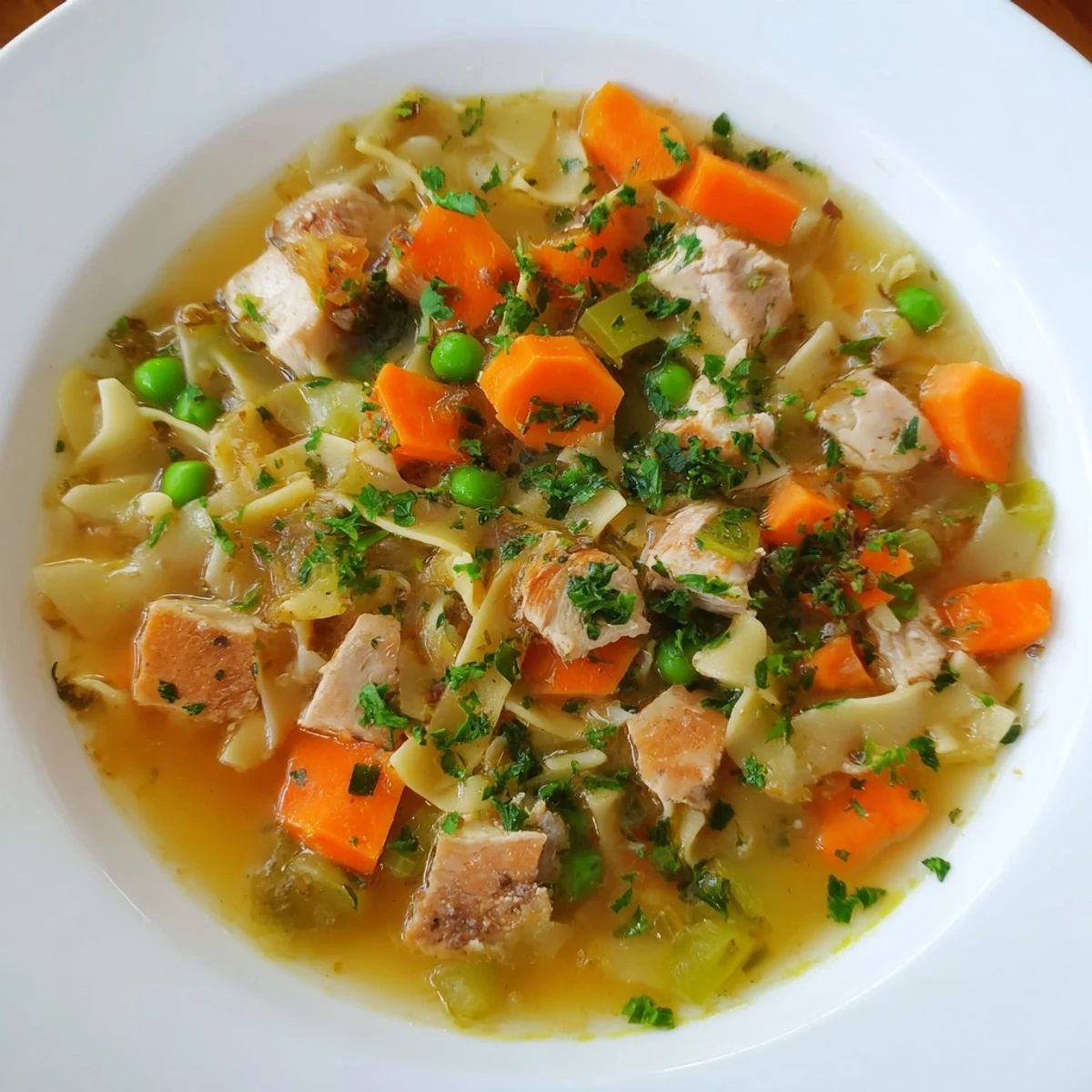
 This classic dish blends tender chicken breasts with fresh carrots, celery, onion, garlic, and peas simmered in low-sodium broth. Egg noodles are added for hearty texture, while thyme, bay leaf, and parsley deliver gentle herbal notes. Olive oil sautés the veggies, creating a warm base perfect for cold days or whenever comfort is needed. The dish balances protein and veggies, making it filling yet light enough for any occasion.
There's something almost magical about the smell of chicken soup simmering on the stove—it fills your kitchen with a warmth that no amount of heating can replicate. I stumbled into making this version on a grey afternoon when my roommate came home under the weather, and I realized I had everything needed scattered across the fridge. What started as a quick fix turned into something we both looked forward to, and now it's the soup I make whenever someone needs comfort in a bowl.
I made this for my neighbor's family after her surgery, and watching her take that first spoonful—the way her shoulders relaxed—reminded me that the best recipes aren't about precision, they're about showing up for people. That batch taught me that the noodles absorb flavor as they cook, so the soup actually improves when you let it sit before eating.
Ingredients
- Boneless, skinless chicken breasts (2, about 400 g, diced): Cutting them into bite-sized pieces ensures they cook evenly and won't require extra shredding once the soup is done.
- Medium carrots (2, peeled and sliced): The natural sweetness balances the savory broth beautifully, and they soften just enough to be tender but not mushy.
- Celery stalks (2, sliced): This is the backbone of the broth's flavor—don't skip it or substitute it.
- Medium onion (1, diced): The aromatics are crucial; sauté them properly and you've already built half the soup's soul.
- Garlic cloves (2, minced): Fresh garlic makes all the difference in brightness—jarred just doesn't compare.
- Frozen peas (1 cup/150 g): These add sweetness and color; add them late so they stay vibrant and don't become grainy.
- Low-sodium chicken broth (8 cups/2 liters): Using low-sodium gives you control over salt levels and lets the natural flavors come through.
- Egg noodles (120 g/4 oz): They'll absorb the broth as they cook, so don't overcrowd the pot or they'll clump together.
- Fresh parsley (2 tbsp, chopped): Stir this in right before serving to preserve its fresh, grassy note.
- Bay leaf (1): Remove it before serving—it flavors the broth without needing to stay in the bowl.
- Dried thyme (1 tsp): This herb gives the soup an earthy comfort without being aggressive.
- Salt and black pepper: Taste as you go; you'll be surprised how much the noodles concentrate the broth's seasoning.
- Olive oil (2 tbsp): Just enough to coat the pot and prevent sticking without making the broth greasy.
Instructions
- Soften the aromatics:
- Heat the oil in your pot over medium heat, then add the onion, carrots, and celery. You'll know they're ready when the onion turns translucent and the carrot edges start to soften—about 4 to 5 minutes. Listen for the gentle sizzle; if it's too aggressive, lower the heat slightly.
- Wake up the garlic:
- Add the minced garlic and let it cook for just 1 minute, stirring constantly. You want to smell that garlicky perfume, but not let it brown or it'll taste bitter.
- Seal the chicken:
- Stir in your diced chicken and cook for 3 to 4 minutes, turning the pieces so each side loses its raw pink. You're not trying to cook it through completely—just get it opaque on the surface.
- Build the broth:
- Pour in the chicken broth slowly, scraping the bottom of the pot as you go to capture all those flavorful bits. Drop in the bay leaf and thyme, then raise the heat until you see a rolling boil.
- Simmer gently:
- Once it boils, reduce the heat to medium-low, cover the pot, and let it bubble quietly for 15 minutes. The chicken will finish cooking, and the broth will deepen in flavor.
- Add pasta and vegetables:
- Uncover the pot and stir in the egg noodles and frozen peas. You don't need to thaw the peas—they'll cook in seconds. Simmer uncovered for 8 to 10 minutes, stirring occasionally, until the noodles are tender but not mushy and the chicken is cooked through.
- Finish and serve:
- Fish out the bay leaf, stir in the fresh parsley, and taste the broth. Season with salt and pepper until it tastes like comfort—this is your moment to adjust.
 Save to Pinterest
 One winter, I made this soup and left the pot on the stove while I ran out, and by the time I got back, the noodles had soaked up nearly all the broth. Instead of starting over, I added more broth, and it somehow tasted even richer than before. That accident taught me that this soup is forgiving and wants to be tinkered with—it doesn't mind improvisation.
Building a Broth Worth Your Time
The secret to a broth that actually tastes like something is patience and heat management. Most people rush this step, cranking the heat and boiling everything aggressively, which can make the chicken stringy and the broth cloudy. Medium-low heat lets the ingredients surrender their flavors gently, and the result is a clear, clean broth that tastes intentional.
The Vegetable Ratio That Works
I've made this soup with twice as many vegetables as the recipe calls for, and I've made it with half, and I learned something both times. The vegetables here are balanced specifically so that none of them overwhelm the others—the celery isn't loud, the carrot sweetness is subtle, and the onion holds everything together. If you want a brothier soup, stick to the ratios; if you want something closer to a stew, add more vegetables and less broth.
Variations and Brightness
Some people add a squeeze of lemon juice right before serving, and honestly, it does something almost miraculous—it lifts all the flavors and makes the broth taste fresher without tasting sour. I've also played with adding rice instead of noodles, swapping the thyme for rosemary, and even throwing in a tablespoon of soy sauce for depth. The beauty of this soup is that it's a canvas, not a rulebook.
- A squeeze of fresh lemon juice at the table adds brightness without changing the recipe.
- Substitute gluten-free pasta for the egg noodles if you need to avoid gluten.
- Bone-in chicken thighs will give you a richer, deeper broth if you have time to remove the bones before serving.
 Save to Pinterest
 This soup has become the thing I make when someone needs feeding, whether it's illness or heartbreak or just a rough Tuesday. It's humble enough not to pretend it's fancy, but thoughtful enough to feel like love in a bowl.
Recipe Questions
- → Can I use different noodles?
-
Yes, gluten-free pasta can replace egg noodles without altering the flavors significantly.
- → How long should I simmer the soup?
-
Simmer the broth with chicken and herbs for 15 minutes, then add noodles and peas for about 8–10 minutes until tender.
- → What herbs complement this dish?
-
Thyme, bay leaf, and fresh parsley add delicate herbal layers enhancing the chicken and vegetable flavors.
- → Is this dish suitable for dairy-free diets?
-
Yes, it contains no dairy ingredients, making it suitable for dairy-free preferences.
- → Can bone-in chicken be used?
-
Bone-in chicken adds richer flavor; just remove bones before serving for ease of eating.