
 Save to Pinterest
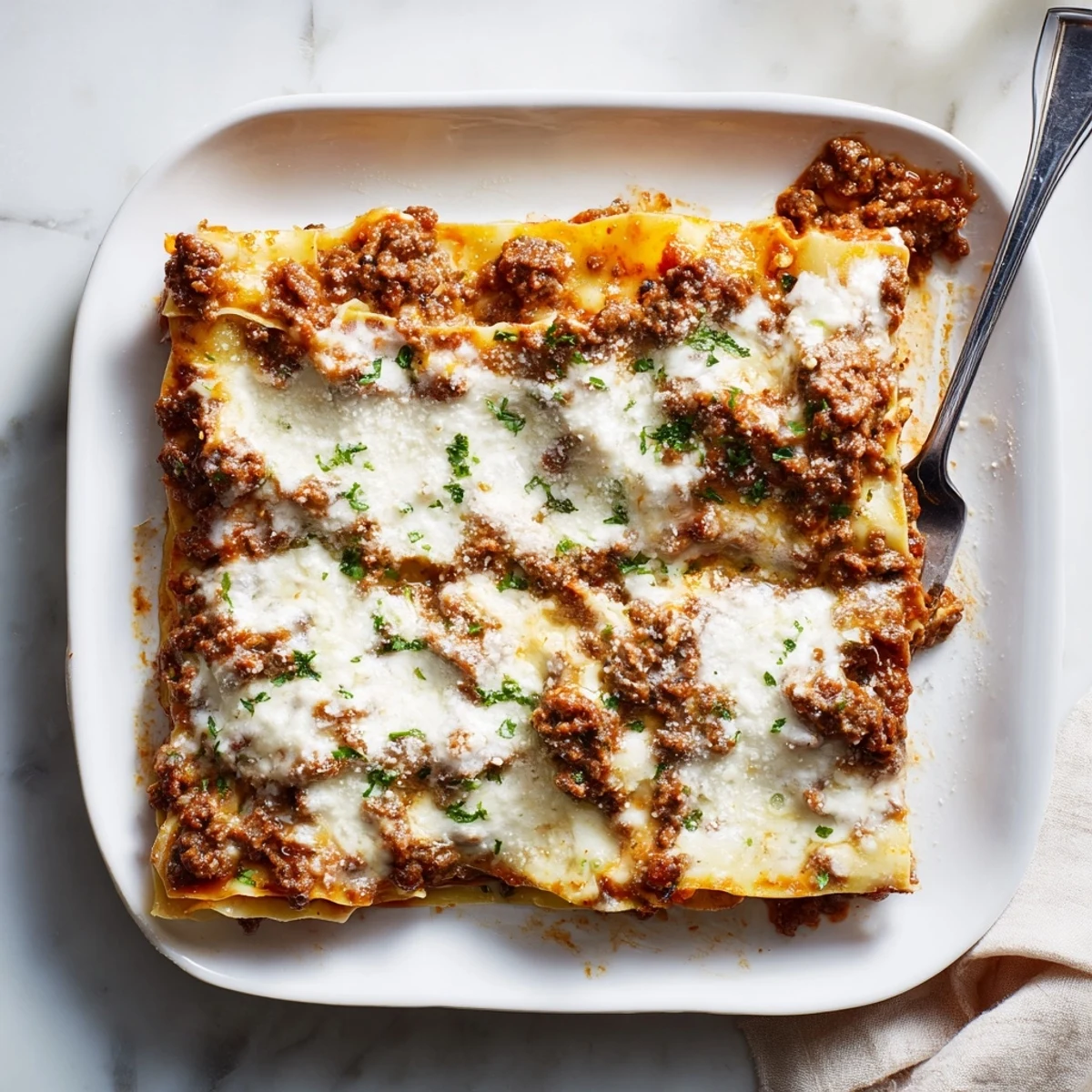
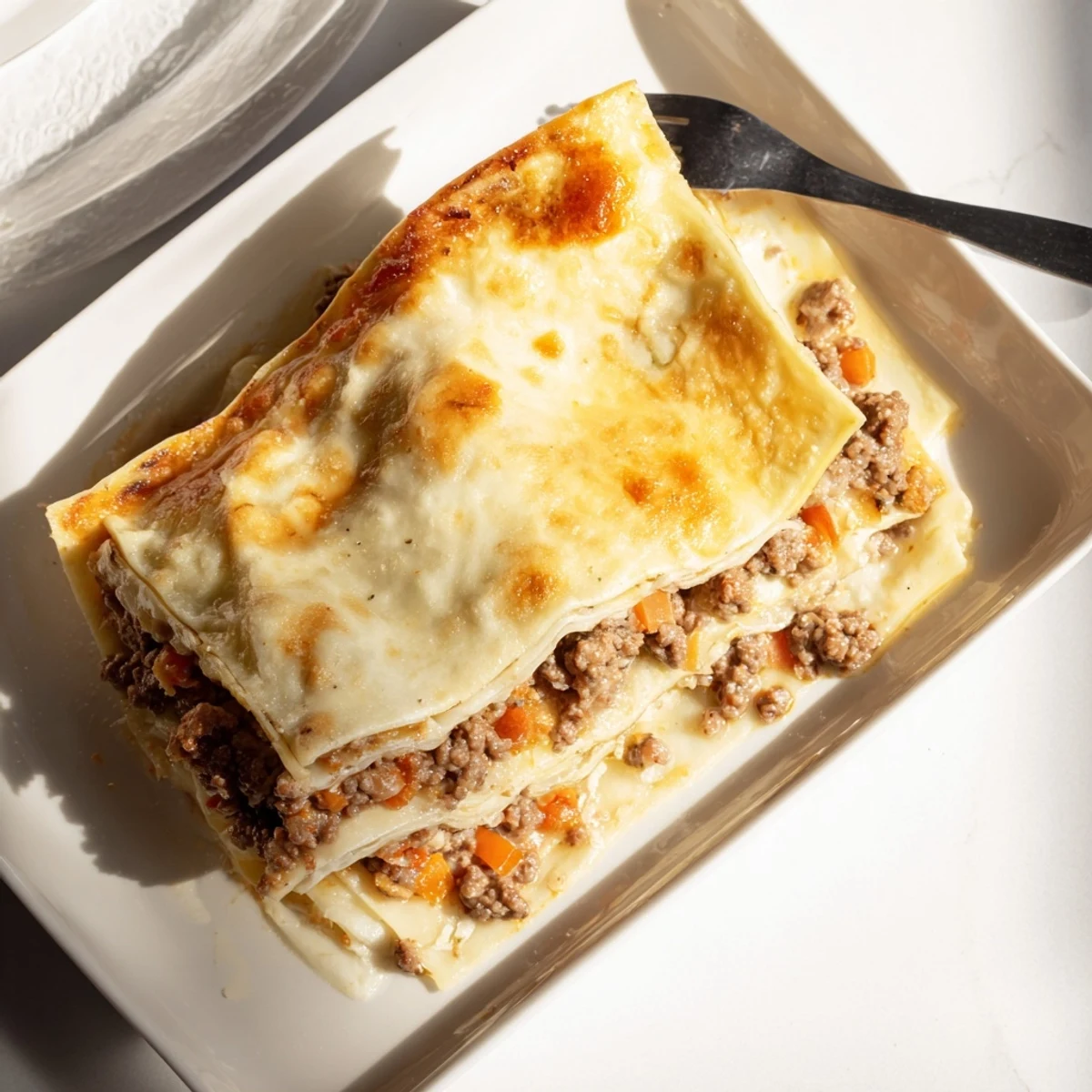
 This traditional Italian lasagne brings together homemade beef ragù simmered with aromatic vegetables, herbs, and tomatoes, paired with a silky white béchamel sauce. The dish features tender pasta sheets layered with these rich sauces, then baked until the cheese topping turns golden and bubbly. Perfect for family dinners or gatherings, this lasagne improves in flavor when made ahead and reheated, making it an ideal choice for entertaining.
The first time I attempted lasagne from scratch, I spent three hours hovering over my stove while my apartment filled with the most incredible aromas. My roommate kept wandering into the kitchen, asking if it was ready yet, until I finally shooed her away with a wooden spoon. That evening, watching six people practically inhale plates of the bubbling, cheesy masterpiece, I understood why this dish deserves its reputation as labor-intensive love on a plate.
Last winter, I made a double batch for a snowed-in weekend with friends. We spent the entire day cooking together, taking turns stirring the ragù and taste-testing the béchamel until we got it just right. Something magical happens when you gather people in the kitchen with the promise of lasagne.
Ingredients
- 2 tablespoons olive oil: The foundation for building your ragù, use a good quality one here
- 1 large onion, finely chopped: Sweet onions work beautifully for their natural sweetness
- 2 carrots, diced: These add subtle sweetness and body to the sauce
- 2 celery stalks, diced: Essential aromatic base that deepens the flavor profile
- 3 garlic cloves, minced: Fresh garlic makes all the difference, jarred garlic is too harsh
- 750 g (1.7 lbs) ground beef: I recommend 85% lean for the best balance of flavor and texture
- 2 tablespoons tomato paste: Concentrated tomato flavor that adds richness
- 800 g (28 oz) canned crushed tomatoes: San Marzano tomatoes are worth the extra cost
- 125 ml (½ cup) dry red wine: A Chianti or Sangiovese echoes the Italian origins
- 1 teaspoon dried oregano: Dried herbs work better than fresh for long-simmered sauces
- 1 teaspoon dried basil: Add it with the oregano for classic Italian herb balance
- 1 teaspoon salt: Adjust to taste, but remember the cheese adds salt later
- ½ teaspoon black pepper: Freshly cracked pepper has superior aroma
- 1 teaspoon sugar: Just enough to balance the acidity of the tomatoes
- 60 g (¼ cup) unsalted butter: Unsalted lets you control the seasoning precisely
- 60 g (½ cup) all-purpose flour: Creates the classic roux for thickening
- 800 ml (3⅓ cups) whole milk, warmed: Warm milk prevents lumps from forming
- ¼ teaspoon ground nutmeg: The secret ingredient that makes béchamel special
- ½ teaspoon salt: Essential for bringing out the milk flavor
- ¼ teaspoon white pepper: White pepper maintains the sauce color
- 12 no-boil lasagne sheets: Oven-ready sheets absorb sauce beautifully without pre-cooking
- 150 g (1½ cups) grated mozzarella cheese: Low moisture mozzarella prevents watery layers
- 60 g (½ cup) grated Parmesan cheese: Authentic Parmigiano Reggiano is ideal
Instructions
- Build the ragù foundation:
- Heat olive oil in a large skillet over medium heat and add your onion, carrot, and celery. Sauté for 6 to 8 minutes until softened and fragrant, stirring occasionally to prevent browning.
- Add garlic and brown the beef:
- Stir in garlic and cook for 1 minute until fragrant. Add ground beef and cook, breaking up meat with your spoon, until browned completely.
- Develop the flavors:
- Stir in tomato paste and cook for 2 minutes to deepen its color. Pour in wine and simmer until mostly evaporated, about 3 minutes.
- Simmer the sauce:
- Add crushed tomatoes, oregano, basil, salt, pepper, and sugar. Simmer uncovered for 30 to 40 minutes, stirring occasionally, until thickened and rich.
- Start the béchamel:
- Melt butter in a saucepan over medium heat. Add flour and whisk constantly for 1 to 2 minutes until the mixture smells nutty.
- Create the white sauce:
- Gradually whisk in warm milk, about ½ cup at a time. Cook, whisking constantly, for 6 to 8 minutes until thickened and smooth.
- Season the béchamel:
- Add nutmeg, salt, and white pepper. Remove from heat and set aside, whisking occasionally to prevent a skin from forming.
- Prepare for assembly:
- Preheat oven to 180°C (350°F). Spread a thin layer of ragù on the bottom of a 23x33 cm (9x13-inch) baking dish.
- Layer it up:
- Add a layer of lasagne sheets, then spread ¼ of the ragù followed by ¼ of the béchamel. Repeat three more times, finishing with béchamel on top.
- Add the cheese topping:
- Sprinkle mozzarella and Parmesan evenly over the final layer. Cover loosely with foil and bake for 30 minutes.
- Golden finish:
- Remove foil and bake for an additional 15 to 20 minutes until golden and bubbling around the edges.
- The essential rest:
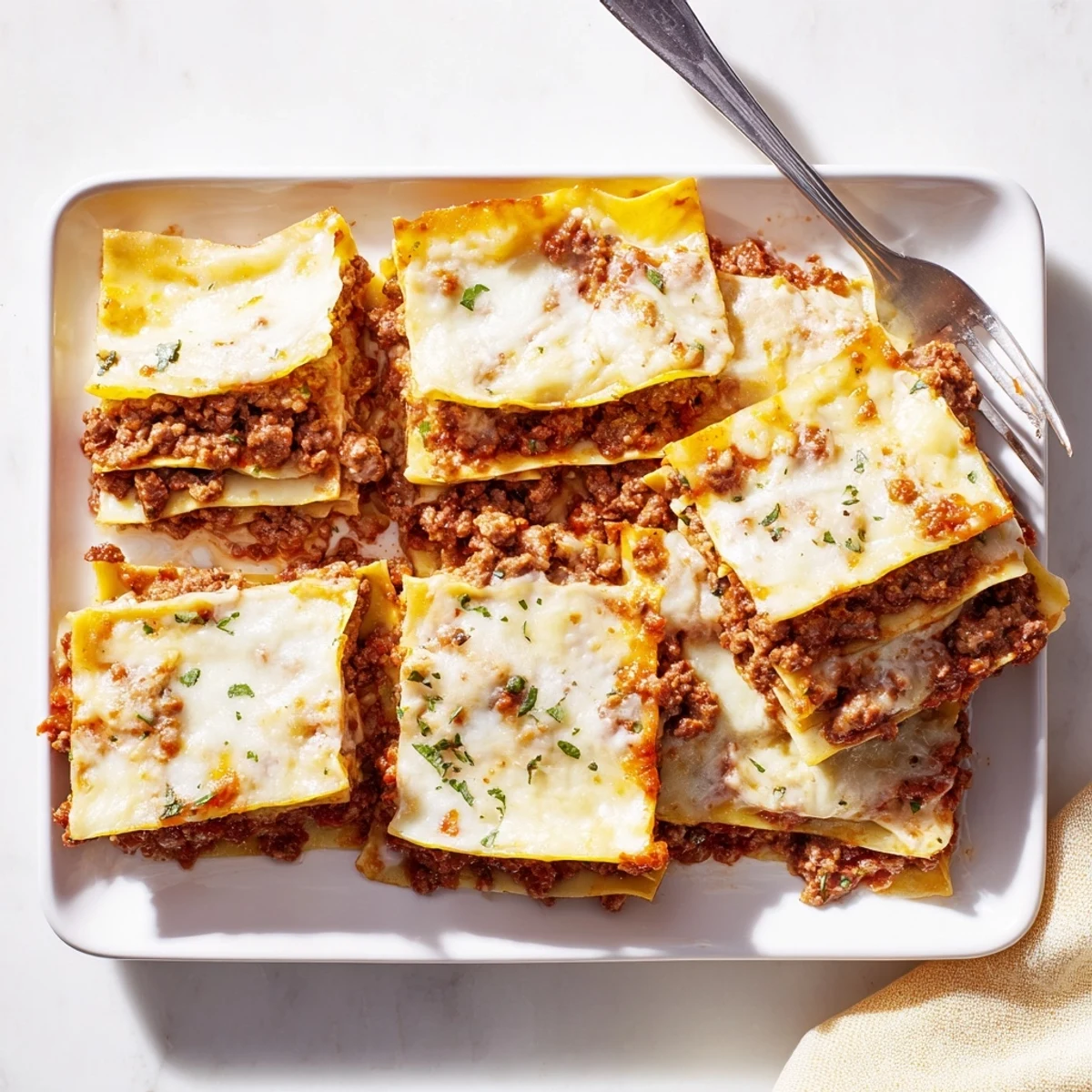
- Let lasagne rest for 15 minutes before slicing. This waiting time is crucial for clean, neat servings.
 Save to Pinterest
 This recipe became my go-to for comforting friends through breakups, celebrations, and everything in between. Something about the combination of bubbling cheese and hearty ragù turns an ordinary dinner into a memory.
Making It Ahead
You can assemble the entire lasagne up to 24 hours in advance, refrigerate it covered, and bake when ready. Just add about 10 minutes to the baking time if baking from cold.
Freezing Instructions
Wrap the unbaked lasagne tightly in plastic and foil before freezing. Thaw overnight in the refrigerator before baking, or increase baking time to about 90 minutes from frozen.
Serving Suggestions
A simple green salad with bright vinaigrette cuts through the richness beautifully. Crusty garlic bread is never a bad idea, and a glass of the same red wine you used in the sauce ties everything together.
- Let guests add extra Parmesan at the table
- Serve with extra red sauce on the side
- A light dessert like fruit or gelato finishes the meal perfectly
 Save to Pinterest
 There is something profoundly satisfying about serving a dish that took time and care to create. Enjoy every bubbling, cheesy bite.
Recipe Questions
- → Can I make lasagne ahead of time?
-
Yes, lasagne actually benefits from being made ahead. Assemble the dish, cover tightly, and refrigerate for up to 24 hours before baking. The flavors will meld together beautifully during this time.
- → Why does my lasagne fall apart when sliced?
-
Letting the lasagne rest for 15 minutes after baking is crucial. This allows the layers to set and makes slicing easier. If it's still too loose, try baking for an additional 5-10 minutes.
- → Can I freeze lasagne?
-
Absolutely. Assemble the lasagne, wrap tightly in plastic and foil, and freeze for up to 3 months. Thaw overnight in the refrigerator before baking as directed.
- → What can I substitute for red wine in the ragù?
-
You can use beef broth instead of red wine. The wine adds depth and acidity, but broth provides richness. For a non-alcoholic option with similar flavor, use grape juice mixed with a splash of balsamic vinegar.
- → How do I prevent the top from burning?
-
Cover loosely with aluminum foil for the first 30 minutes of baking. Remove foil for the final 15-20 minutes to allow the cheese to brown. If it browns too quickly, tent with foil.
- → Can I use no-boil pasta sheets?
-
Yes, no-boil sheets work perfectly and save time. They absorb moisture from the sauces during baking. If using traditional pasta, boil according to package directions before assembling.