
 Save to Pinterest
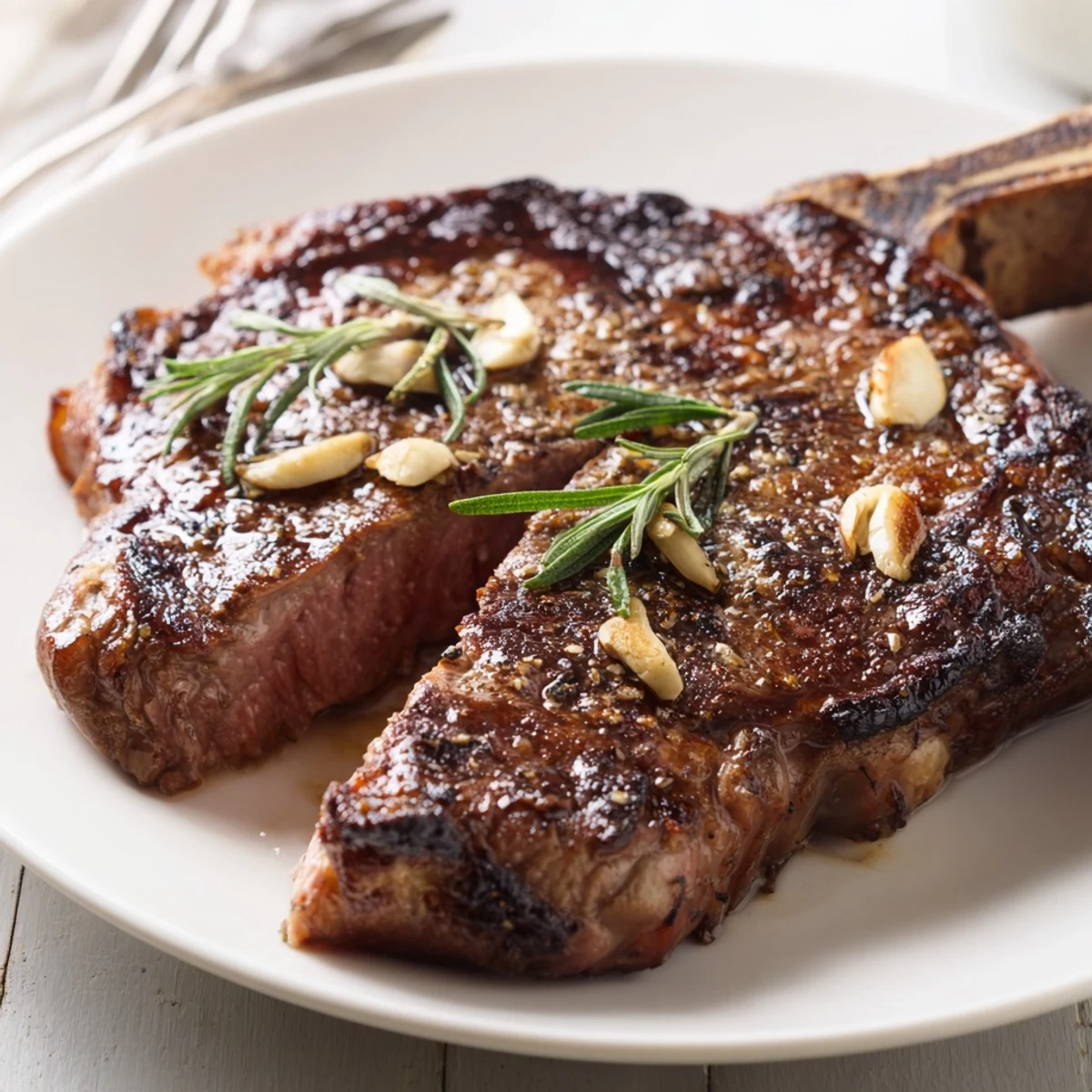
 This method highlights a juicy ribeye or sirloin steak, seared in a hot skillet to develop a deep brown crust. Seasoned simply with salt and pepper, the steak is basted with melted butter, garlic, and fresh thyme or rosemary to infuse aromatic flavors. Resting the meat after cooking ensures juices redistribute for tender, flavorful bites.
There's something almost sacred about the sound of a steak hitting a screaming hot skillet—that immediate sizzle that tells you everything is about to go right. I learned this technique years ago when a chef friend got tired of watching me order expensive steaks at restaurants and insisted I could make them just as good at home. The secret, she said with total confidence, was temperature and patience, two things I initially thought were opposites. Turns out, she was right.
I remember the first time I made this for someone I wanted to impress—I was so nervous I almost talked myself into ordering takeout instead. But I pulled out my cast iron, grabbed two good steaks, and committed. When they took that first bite and got quiet for a second, then looked up with that specific kind of satisfaction, I realized this was my dish now.
Ingredients
- 2 boneless ribeye or sirloin steaks, 8 oz each and 1 to 1.5 inches thick: Thickness matters because thin steaks overcook before they get a proper crust, and thin steaks from the butcher counter are your best investment in this recipe.
- 1.5 teaspoons kosher salt and 1 teaspoon freshly ground black pepper: Kosher salt granules dissolve into the meat differently than table salt, and fresh pepper makes a noticeable difference in flavor.
- 2 tablespoons high-heat oil like canola, grapeseed, or vegetable oil: This needs a high smoke point because your skillet will be blazing hot, and cheaper oils sometimes taste bitter when pushed that hard.
- 2 tablespoons unsalted butter: Salted butter will oversalt your dish when combined with the salt already on the meat.
- 3 garlic cloves, lightly crushed and 2 to 3 sprigs fresh thyme or rosemary: These hit the pan near the end and perfume the butter that will kiss your steaks, adding a subtle richness.
Instructions
- Bring your steaks to room temperature:
- Pull them from the fridge 30 minutes before cooking, then pat them completely dry with paper towels. Cold meat won't sear properly, and any surface moisture will steam rather than brown.
- Season generously:
- Cover both sides with salt and pepper, making sure the seasoning actually sticks to the meat. This is not the time to be timid.
- Get your skillet screaming hot:
- Use cast iron if you have it because it holds heat better than anything else, and let it sit over high heat until a tiny drop of water dances across it and evaporates instantly. Add your oil and swirl it around to coat.
- Sear without moving:
- Place the steaks down and leave them completely alone for 2 to 3 minutes. This is where the magic crust forms, and any jiggling will interrupt the process.
- Flip and butter baste:
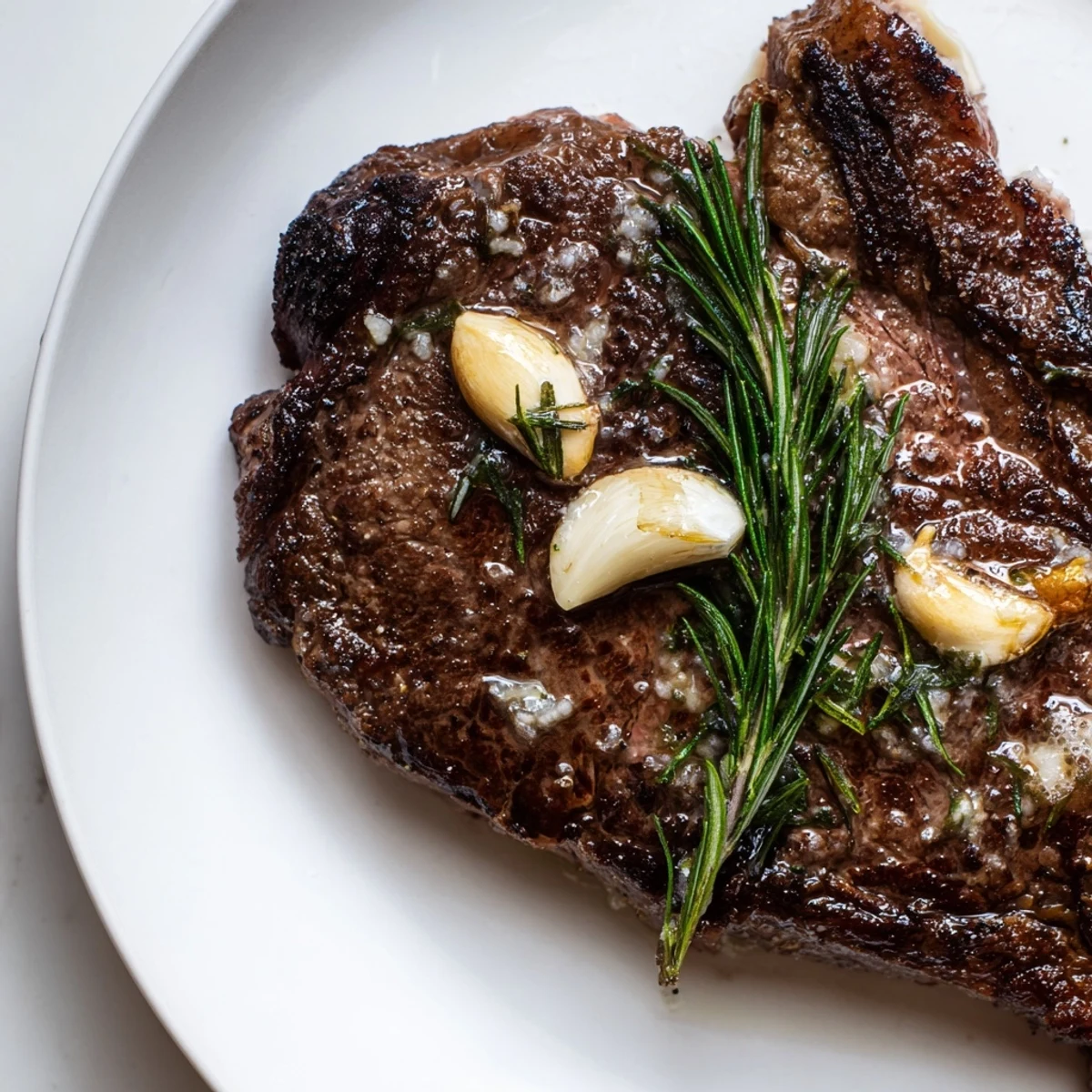
- Once the bottom has a deep brown crust, flip once and immediately add butter, crushed garlic, and herbs to the pan. Tilt the skillet slightly and use a spoon to continuously pour that foaming butter over the steaks for another 2 to 3 minutes.
- Check for doneness:
- An instant-read thermometer should read 130°F for medium-rare, which is where these steaks really shine. If you don't have a thermometer, a quick touch test with your finger works too, though a thermometer removes the guesswork.
- Rest before serving:
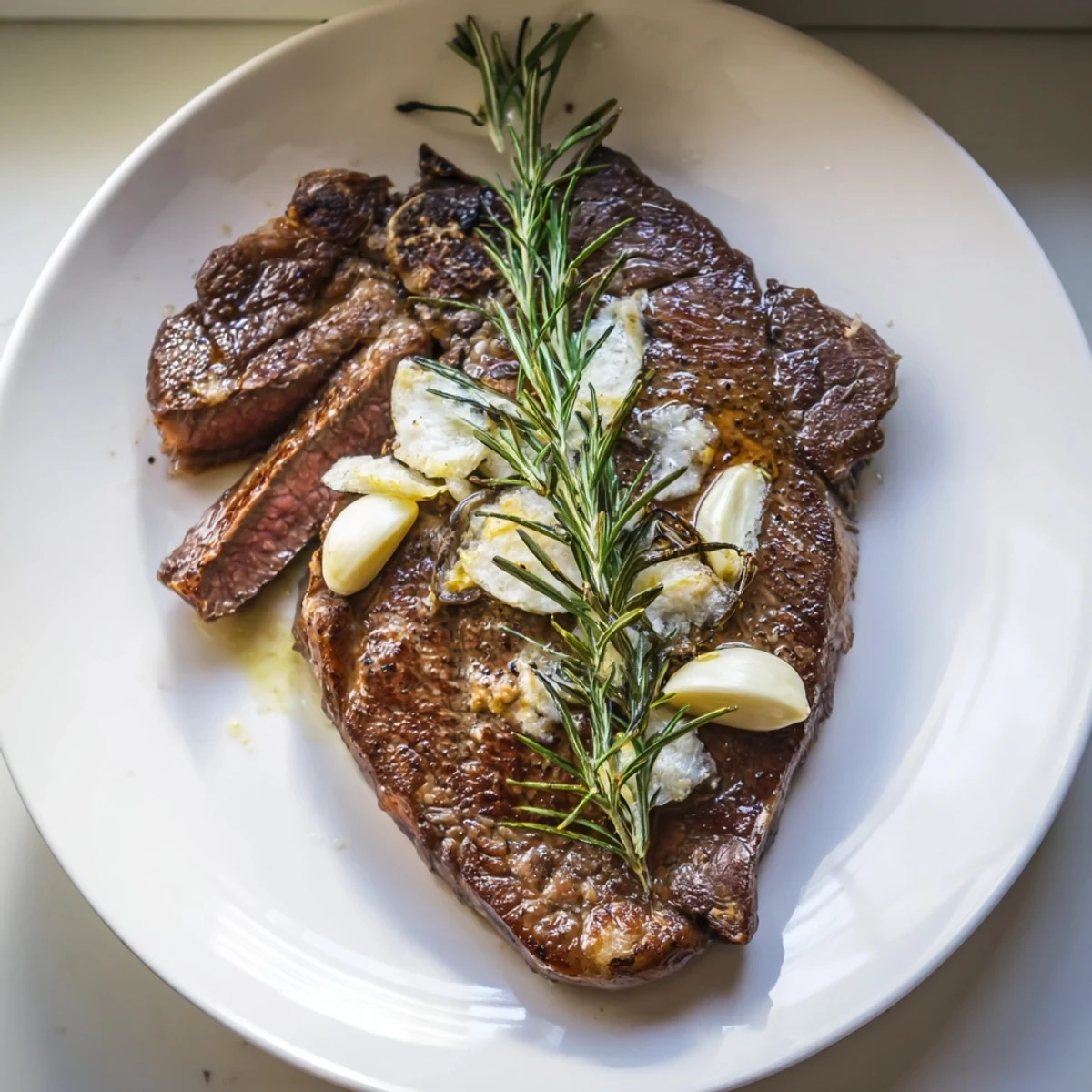
- Transfer the steaks to a plate, loosely tent them with foil, and let them sit for 5 minutes so all those juices redistribute throughout the meat instead of running onto your plate.
 Save to Pinterest
 There's a moment when the steak is resting and you're standing there with that foil-tented plate, knowing what's about to happen, that feels like something special. That's when steak stops being dinner and becomes an occasion, even if it's just you at home on a random night.
The Science of the Sear
The crust you're looking for is called a Maillard reaction, which is basically the steak's proteins and sugars bonding together at high heat to create hundreds of new flavor compounds. This only happens above a certain temperature, which is why low and slow cooking won't give you this crust no matter how long you wait. High heat is non-negotiable, and that's actually liberating because it means this whole process happens fast.
Doneness and Temperature
Medium-rare at 130°F is my recommendation because it's where the steak is still tender and juicy but has just enough heat to render the fat without becoming tough. But doneness is personal, so here's the full guide to choose your own adventure. Rare is 125°F, medium-rare is 130°F, medium is 140°F, medium-well is 150°F, and well done is 160°F.
Finishing Touches and Serving
Those pan juices left behind are liquid gold, and you should absolutely pour them over your steak right before eating. If you want something with more personality, chimichurri brings brightness and herbs, or compound butter lets you get creative with flavors like truffle or herb-infused versions.
- For thicker steaks beyond 1.5 inches, sear them hard in the skillet then finish in a 400°F oven until your target temperature is reached.
- Red wine like Cabernet Sauvignon or Malbec is the classic pairing because the tannins complement the richness of the beef.
- Let your cast iron cool before cleaning it, and a gentle wipe with oil keeps it seasoned better than anything else.
 Save to Pinterest
 Once you nail this technique, you'll realize you've been overpaying for restaurant steaks your whole life. Make this tonight and taste the difference a little knowledge and a hot skillet can make.
Recipe Questions
- → How do I achieve a perfect crust on the steak?
-
Use a heavy skillet heated over high heat and avoid moving the steak during searing to form a deep brown crust.
- → What type of oil is best for pan-searing?
-
Choose high-heat oils like canola, grapeseed, or vegetable oil to prevent burning during searing.
- → Why is butter added along with garlic and herbs?
-
Butter adds richness while the garlic and herbs infuse the steak with savory, aromatic flavors during basting.
- → Should the steak rest before slicing?
-
Yes, resting the steak for about 5 minutes allows juices to redistribute, ensuring tenderness and moisture.
- → How can I adjust cooking for thicker cuts?
-
After searing, finish thicker steaks in a 400°F oven until desired doneness is reached.