
 Save to Pinterest
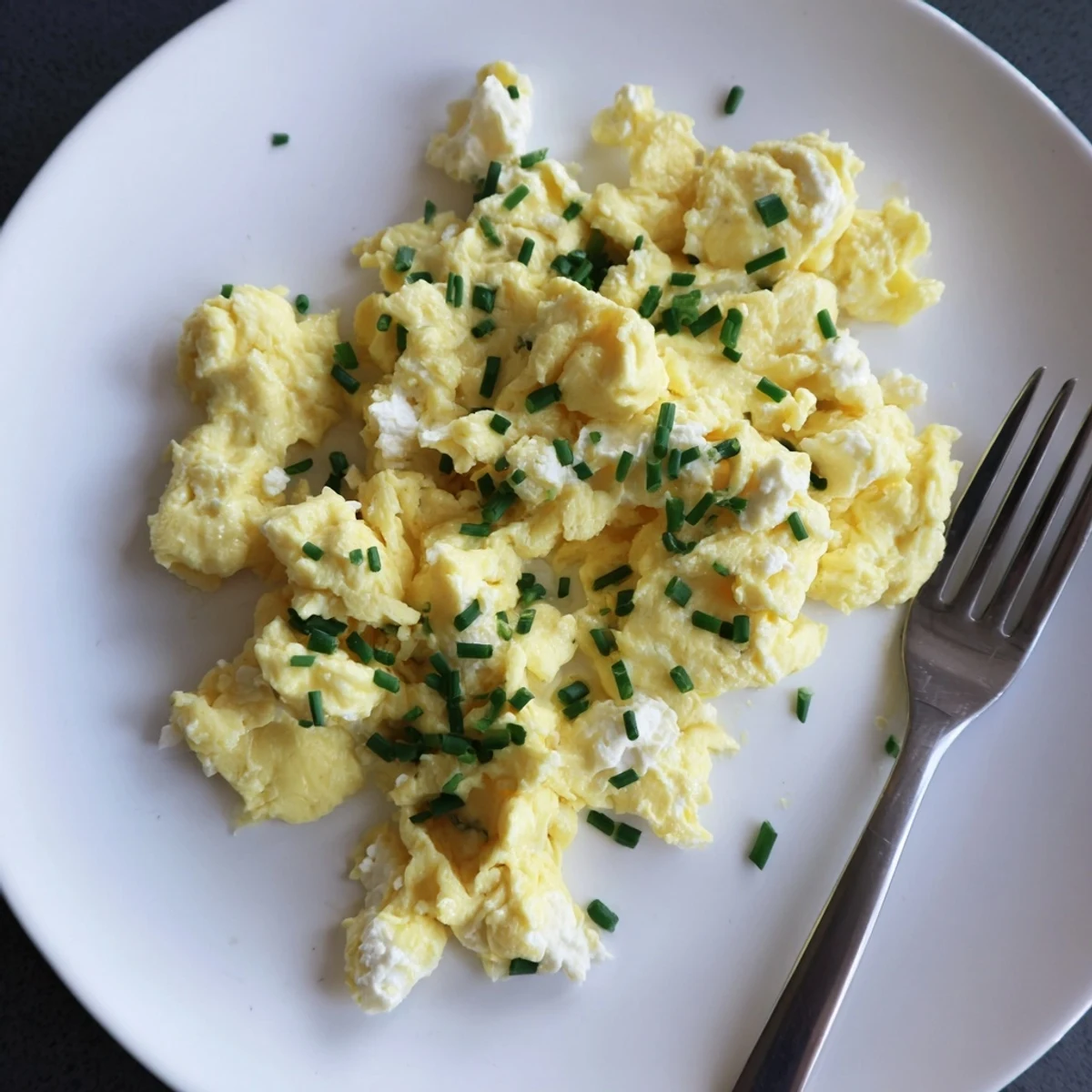
 Whisk eggs with cottage cheese and a splash of milk until slightly frothy. Melt butter in a skillet over medium-low, pour in the mixture and stir gently to form soft, creamy curds. Remove while still slightly moist and fold in chopped chives. Serves two in roughly 12 minutes. Tip: use small-curd cottage cheese for extra silkiness; swap chives for scallions or dill and serve on toast or with smoked salmon. Allergens: eggs and dairy.
The smell of butter hitting a hot pan on a lazy Sunday morning is enough to make anyone forget about sleeping in, and these cottage cheese scrambled eggs are the reason my weekends start in the kitchen instead of bed. I stumbled onto the combination during a fridge cleanout, half groggy and desperate for something beyond plain scrambled eggs. The cottage cheese melts into the curds in a way that makes everything impossibly creamy without needing a drop of heavy cream. It has been my go to breakfast ever since.
My roommate walked in halfway through cooking these one morning and stood over my shoulder saying nothing, just watching the pan. I slid a plate her way without asking, and she ate the whole thing standing at the counter in her socks. Now she texts me every Saturday asking if I am making the eggs.
Ingredients
- 4 large eggs: The foundation of everything, so grab the freshest ones you can find.
- 1/4 cup cottage cheese: Small curd works best because it blends seamlessly into the eggs as they cook.
- 2 tbsp whole milk or cream: Just enough to loosen the mixture and keep it silky.
- Salt and freshly ground black pepper: Season boldly because the cottage cheese is mild.
- 2 tbsp chopped fresh chives: Their mild onion flavor cuts through the richness beautifully.
- 1 tbsp unsalted butter: This is nonnegotiable for the right texture and flavor in the pan.
Instructions
- Whisk everything together:
- Crack the eggs into a bowl and add the cottage cheese, milk, salt, and pepper. Whisk until the mixture looks slightly frothy and no large streaks of cottage cheese remain.
- Melt the butter slowly:
- Set a nonstick skillet over medium low heat and let the butter melt until it just starts to foam without browning.
- Pour and wait:
- Add the egg mixture to the pan and resist the urge to stir immediately. Let the bottom set for about ten seconds so the first curds can form naturally.
- Stir gently from edge to center:
- Use a spatula to push the eggs slowly from the outside in, creating soft folds rather than tiny crumbles.
- Know when to pull the pan off heat:
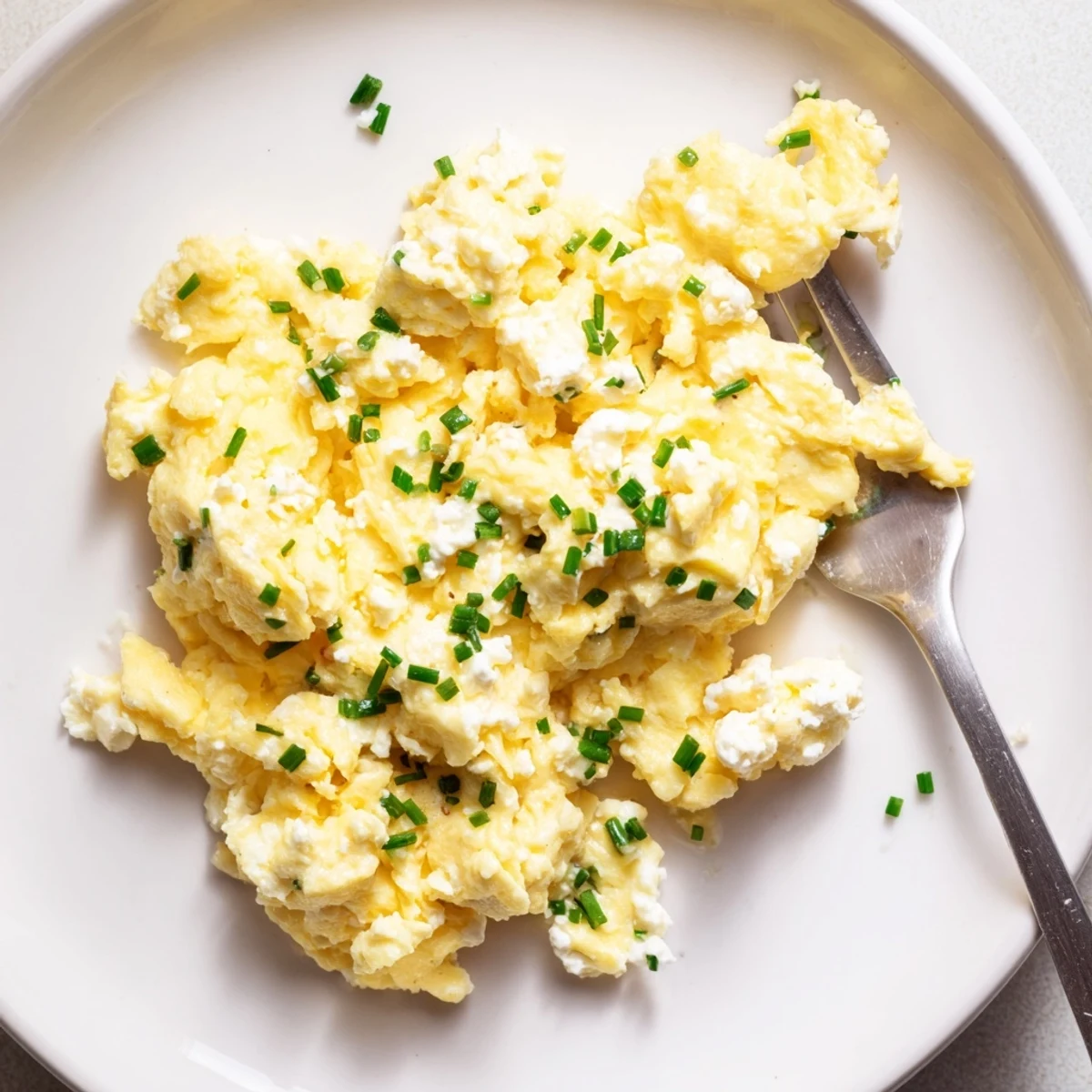
- The eggs should still look slightly wet and glossy when you remove them because they will finish cooking on the plate. This takes roughly three to four minutes total.
- Fold in the chives and serve:
- Take the pan off the heat, scatter the chopped chives over the top, and give one gentle fold before serving immediately.
 Save to Pinterest
 There is something quietly powerful about a dish that turns four eggs and a spoonful of cheese into something that feels intentional and cared for.
Serving Ideas Worth Trying
I have piled these eggs onto thick toast with smashed avocado underneath and it was the kind of breakfast that makes you put your phone down. Smoked salmon on top turns it into something elegant enough for guests without any extra work. Roasted tomatoes on the side add a tart warmth that balances the creamy eggs perfectly.
Swaps and Tweaks
If you cannot find chives, thinly sliced scallions work just as well and add a slightly sharper bite. Fresh dill is another unexpected route that makes the whole plate taste brighter and more Scandinavian. I once used goat cheese instead of cottage cheese in a pinch and while it was completely different, it was absolutely delicious.
Getting the Texture Right
The difference between good scrambled eggs and great ones comes down entirely to patience and heat control. Keep the flame low, stir slowly, and never walk away from the pan because thirty seconds of inattention can turn creamy eggs rubbery.
- Use a nonstick pan and a flexible silicone spatula for the gentlest folding motion.
- Cooking on medium low heat gives you a wider window to catch the eggs at the perfect moment.
- Serve immediately because these eggs wait for no one.
 Save to Pinterest
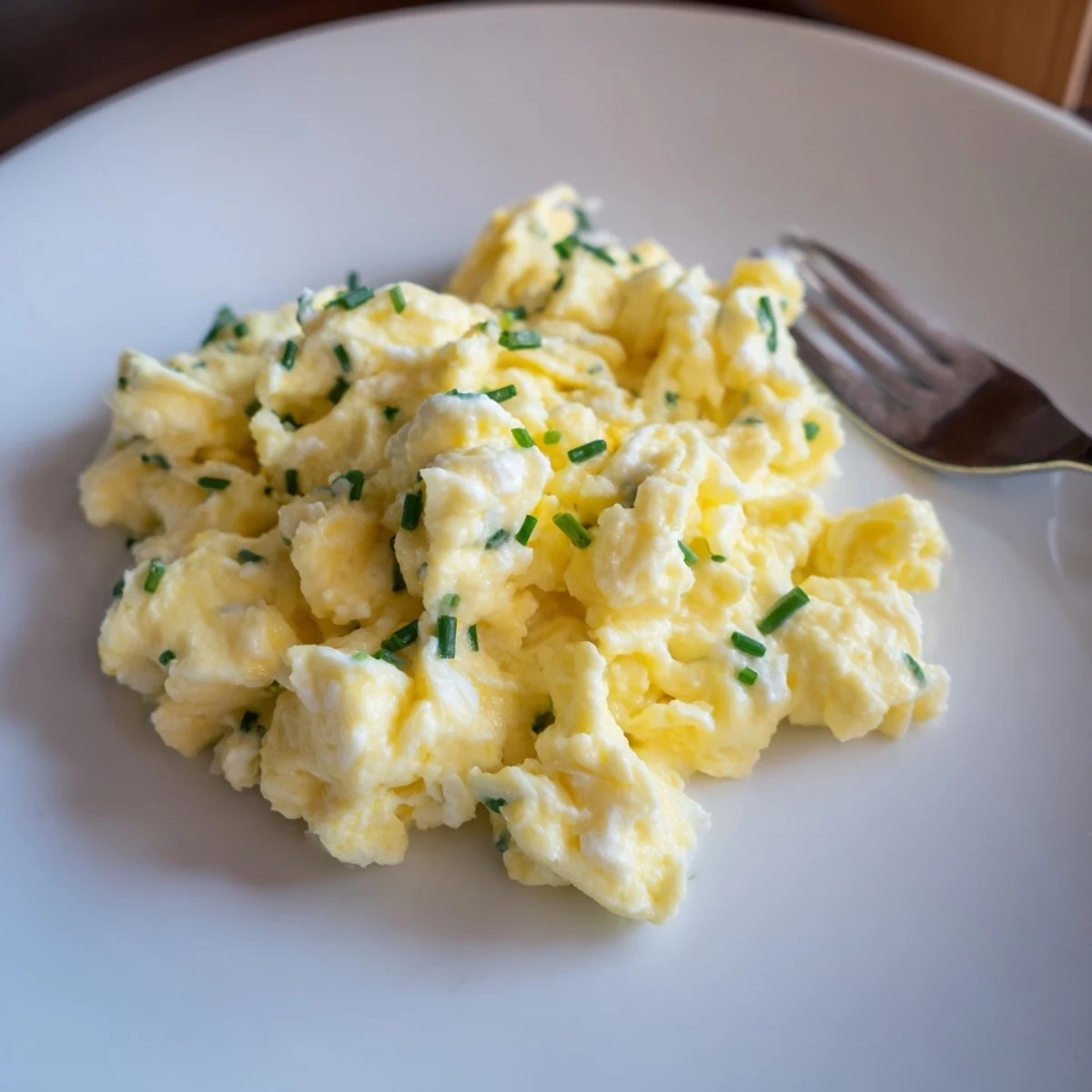
 Some mornings you just need breakfast to feel like a small victory, and these eggs do exactly that with almost no effort. Make them once and you will never go back to plain scrambled eggs again.
Recipe Questions
- → How do I get very creamy curds?
-
Cook over medium-low heat and stir gently rather than constantly; remove the pan while the eggs are still slightly moist—the carryover heat will finish them. Using small-curd cottage cheese adds extra creaminess.
- → Can I use a different milk or cream?
-
Yes. Whole milk or light cream work well; for richer texture use cream. A splash of milk keeps the eggs tender without overpowering the cottage cheese flavor.
- → What heat level is best for soft, tender eggs?
-
Medium-low heat is ideal. It allows the curds to form slowly and stay creamy. High heat yields dry, rubbery eggs.
- → Any good garnish or serving suggestions?
-
Fresh chives are classic, but scallions or dill work nicely. Serve on toasted bread, with smoked salmon, or alongside roasted tomatoes for a fuller plate.
- → Can I prepare the egg mixture ahead of time?
-
You can whisk eggs with cottage cheese and milk briefly ahead, but cook within an hour for best texture. Storage before cooking can thin the curds; whisk again just before cooking.
- → How do I adapt this for dietary preferences?
-
Use lactose-free cottage cheese and milk if needed, or try a low-fat cottage cheese for fewer calories. Note that texture and richness will vary with substitutions.