
 Save to Pinterest
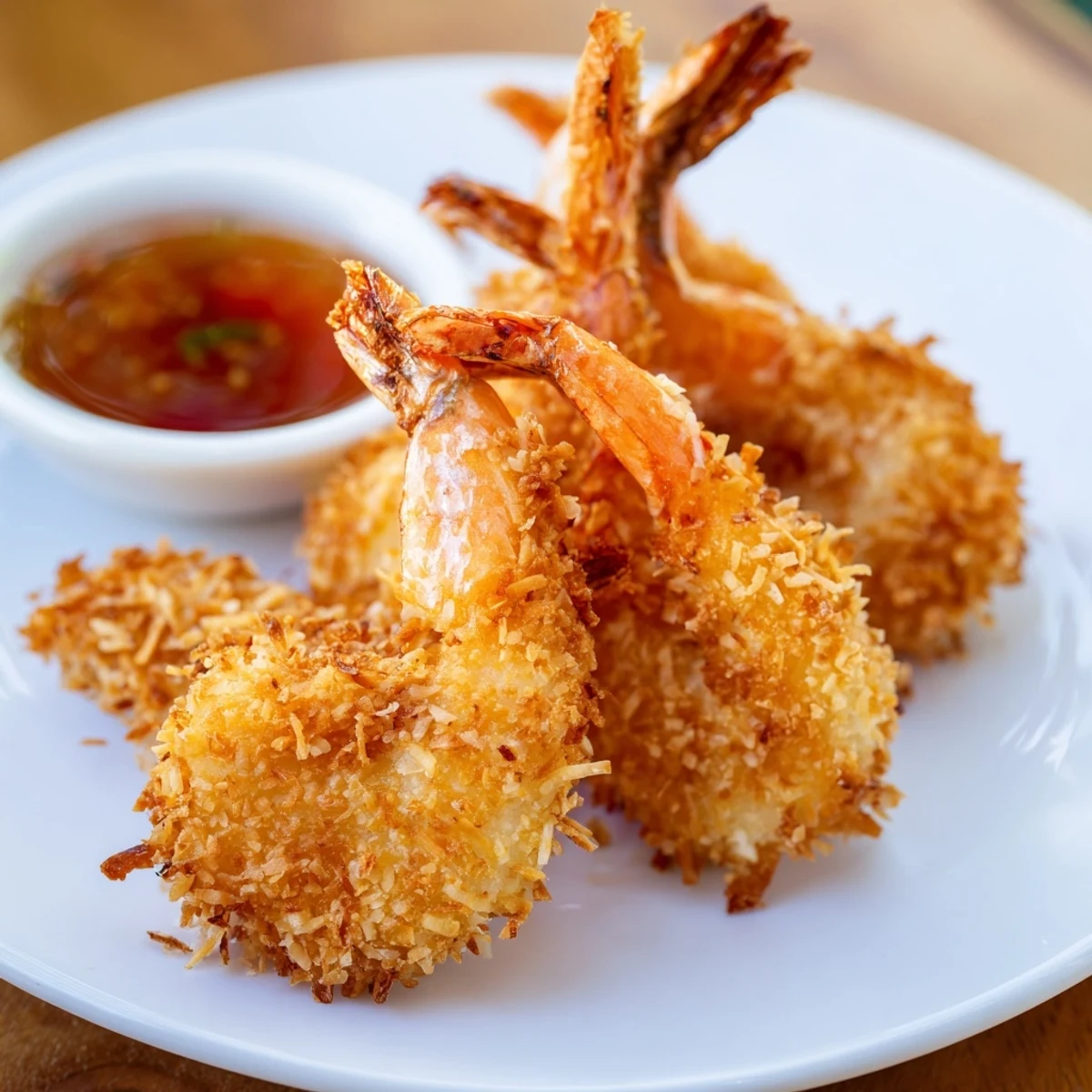
 Prepare a tropical appetizer by coating large shrimp in seasoned flour, egg wash, and a crunchy blend of shredded coconut and panko breadcrumbs. Deep fry the shrimp until golden brown and crispy. While they drain, whisk together Thai sweet chili sauce, lime juice, and soy sauce for a zesty dip. Serve the hot, crunchy shrimp alongside this tangy sauce for an irresistible snack or starter.
Years ago, my friend Marcus brought a platter of these coconut shrimp to a casual dinner party, and I watched them disappear in minutes—people were literally fighting over the last piece. I finally got him to share the technique, and the first time I made them, my kitchen filled with this warm, toasty coconut smell that made everyone come running. There's something magical about that crispy golden exterior giving way to tender shrimp, and the sweet chili sauce just seals the deal. Now they're my go-to when I need to impress without spending hours in the kitchen.
I made these for my sister's engagement party last spring, and her fiancé—who claims he doesn't really eat seafood—ended up eating half a dozen before anyone else even grabbed one. That moment when someone discovers they love something they thought they didn't is pure joy. After that day, these shrimp became the unofficial celebration snack in our family.
Ingredients
- Large raw shrimp (1 lb, tails on): Leave those tails attached—they give you something to hold and look fancy on the plate. Pat them completely dry before seasoning or your coating won't stick properly.
- All-purpose flour (1/2 cup): This is your first layer and it helps the egg adhesive work; don't skip it or your coconut coating will slide right off.
- Eggs (2 large): The glue that holds everything together, so beat them well and don't be shy with coating each shrimp.
- Unsweetened shredded coconut (3/4 cup): Unsweetened is crucial here—sweetened coconut will burn and turn bitter before the shrimp even cooks through.
- Panko breadcrumbs (3/4 cup): These give you that delicate crunch; regular breadcrumbs work but panko creates that restaurant-quality texture.
- Vegetable oil: You need enough to reach 1–2 inches in your pan so the shrimp can float and cook evenly all around.
- Thai sweet chili sauce (1/2 cup): This is the soul of the dipping sauce, balancing heat with sweetness in that perfect way.
- Fresh lime juice (1 tbsp): Cuts through the richness and adds brightness that makes people want another bite.
- Soy sauce (1 tsp): A small amount adds umami depth without making the sauce salty.
Instructions
- Prep your shrimp:
- Pat them bone-dry with paper towels and season generously with salt and pepper. Moisture is the enemy of crispiness, so don't skip this step even though it feels simple.
- Set up your breading station:
- Line up three shallow bowls in a row: flour in the first, beaten eggs in the second, and your coconut-panko blend in the third. Having everything ready means you'll move fast and won't get overwhelmed.
- Coat each shrimp:
- Dredge each one in flour, shake off the excess, dip it in egg until fully coated, then roll it through the coconut mixture, pressing gently so it sticks. Think of it like giving each shrimp a little hug with the coating.
- Heat your oil to 350°F:
- Use a thermometer if you have one—too cool and they'll be greasy, too hot and they burn before cooking through. Let the oil come to temperature while you finish coating all your shrimp.
- Fry in small batches:
- Work with 6–8 shrimp at a time so the temperature doesn't crash and they have room to move around. They'll take 2–3 minutes total, and you'll know they're done when they're golden and the coconut coating looks lightly toasted.
- Drain and rest:
- Pull them out with tongs and lay them on a wire rack or paper towels so air can circulate underneath and keep them crispy.
- Make your dipping sauce:
- Whisk the sweet chili sauce with lime juice and soy sauce in a small bowl—taste it and adjust to your preference. Some people like more lime brightness, so don't be afraid to personalize it.
- Serve immediately:
- Get them to the table while they're still warm and crunchy, with the sauce ready for dipping.
 Save to Pinterest
 My nephew, who's six years old and notoriously picky about anything seafood-related, bit into one of these at a family dinner and declared it 'the best chicken I've ever had.' Nobody corrected him, and his mom and I just exchanged knowing smiles. Moments like that remind me why I keep making these.
The Coating Trick Nobody Talks About
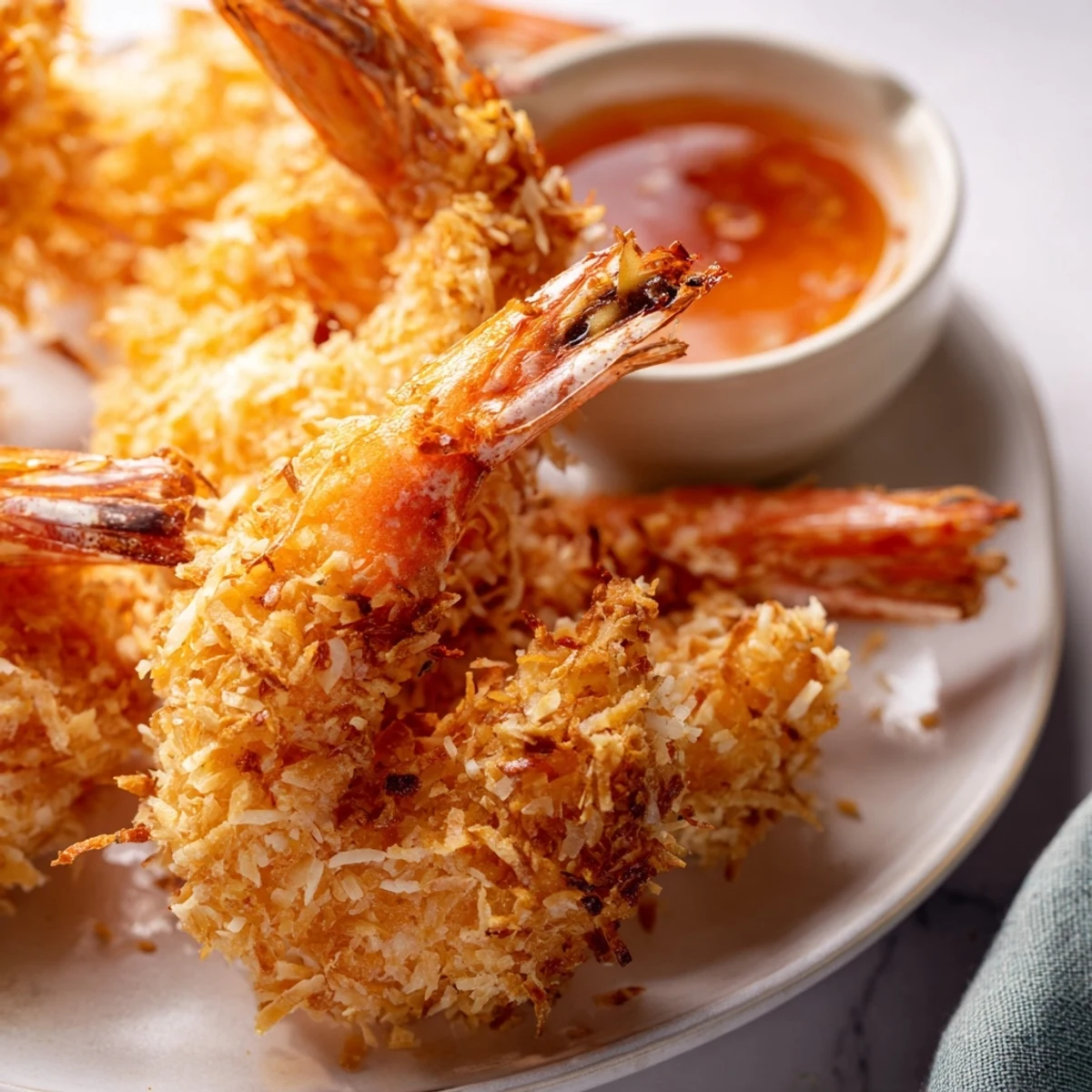
The secret to that perfect crunch isn't just the coconut—it's mixing it with panko in exactly equal parts. I learned this after several batches that were either too dense or too light, and this balance creates a texture that's crispy, delicate, and holds up beautifully. The panko adds structure while the coconut toasts and adds flavor, and together they create something neither would achieve alone.
Oil Temperature Matters More Than You'd Think
I used to eyeball the oil temperature and tell myself I could feel when it was ready, which is how I ended up with soggy shrimp or burnt coconut more times than I want to admit. Getting a reliable thermometer changed everything—350°F is the sweet spot where the exterior crisps in those 2–3 minutes while the shrimp inside stays perfectly tender. Once you nail this, the recipe becomes almost foolproof.
Flavor Variations and Serving Ideas
These shrimp are flexible enough to play well with different dipping sauces and flavor tweaks, depending on what mood you're in or what other dishes are on the table. A pinch of cayenne in the flour adds a subtle heat that builds quietly, while serving them alongside a fresh mango salsa brings in tropical brightness that makes people taste something they didn't expect. They pair beautifully with cold lager or a crisp Riesling, though honestly they're good with almost anything.
- Try adding a teaspoon of garlic powder to the flour for a savory dimension that elevates the whole snack.
- If you have access to fresh cilantro, mix a handful into your mango salsa or scatter it around the serving platter for color and freshness.
- Keep some lime wedges nearby for squeezing over everything—a little extra acidity makes people come back for more.
 Save to Pinterest
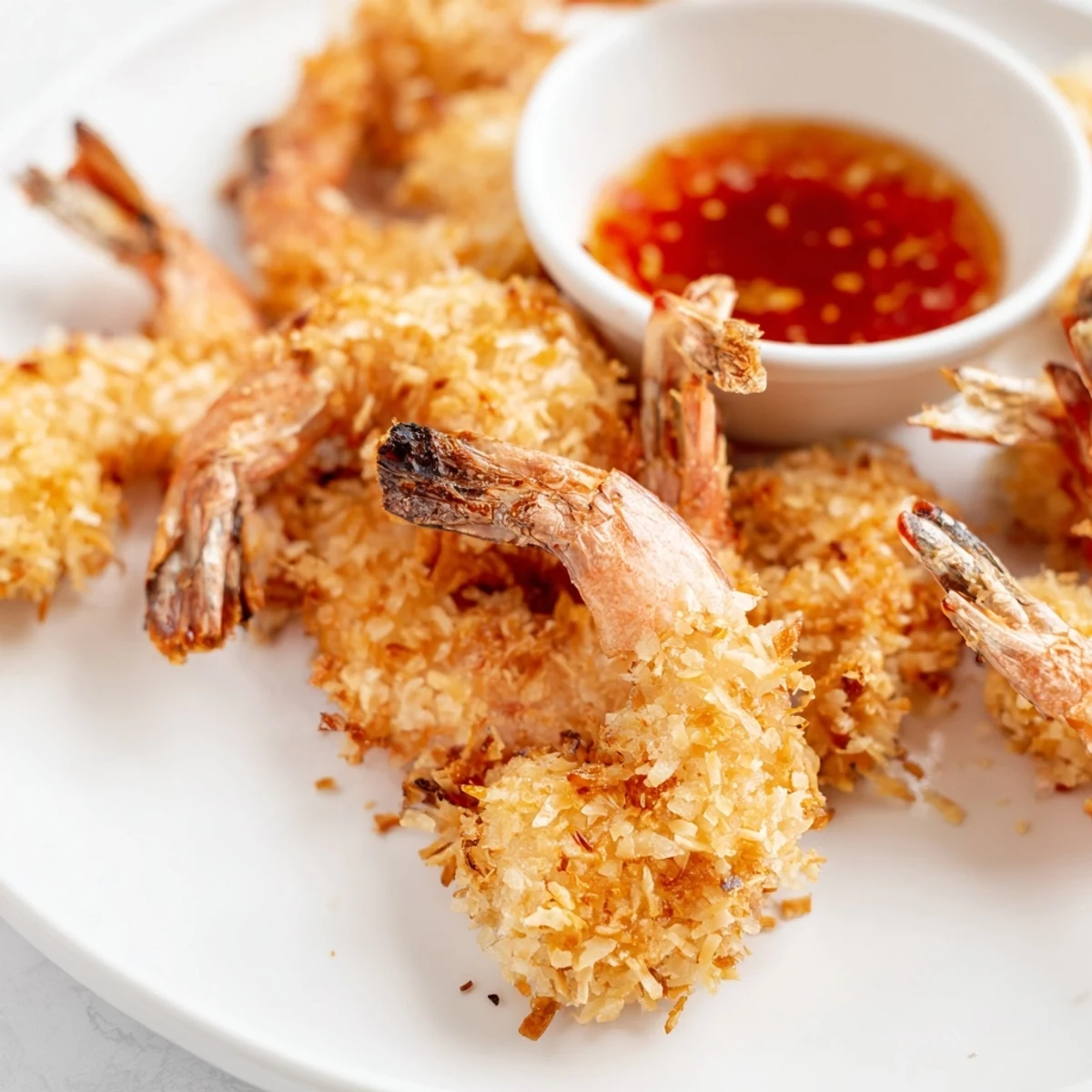
 These coconut shrimp have become my secret weapon for when I want to feel like a good host without spending my whole evening in the kitchen. They're proof that sometimes the simplest techniques, executed with a little care and attention, create the most memorable moments.
Recipe Questions
- → What oil is best for frying?
-
Neutral oils with high smoke points like vegetable, canola, or peanut oil are ideal for achieving a crisp texture without overpowering the flavor.
- → Can I bake instead of fry?
-
Yes, arrange breaded shrimp on a baking sheet and bake at 400°F (200°C) for 10-12 minutes, though the crust will be less crunchy than frying.
- → How do I store leftovers?
-
Store cooled shrimp in an airtight container in the refrigerator for up to two days, but note they will lose their crispness over time.
- → Can I use frozen shrimp?
-
Thaw frozen shrimp completely in the refrigerator and pat them very dry with paper towels before breading to ensure the coating sticks properly.
- → What can I serve with this?
-
Fresh mango salsa, cucumber salad, or steamed jasmine rice pair beautifully to complement the sweet and savory coconut flavors.