
 Save to Pinterest
 This beloved Greek specialty transforms firm cheese into a golden, crispy delight. The cheese develops a beautiful crunch while staying irresistibly soft inside. A light coating of seasoned flour creates the perfect texture, while olive oil frying adds authentic Mediterranean richness.
Traditionally made with Kefalotyri or Graviera, this appetizer comes together in just 20 minutes. The key is patting the cheese dry before coating, then frying over medium-high heat until both sides achieve that signature golden crust. Serve immediately with fresh lemon wedges—the bright citrus perfectly balances the rich, savory cheese.
Whether enjoyed as a starter, shared plate, or late-night snack, this simple yet impressive dish captures the essence of Greek meze culture. Pair with chilled white wine or ouzo for the complete experience.
The first time I had Saganaki in a tiny taverna in Athens, I actually gasped when the waiter set the flaming cheese down at our table. The sizzle alone was enough to make the entire restaurant turn their heads. That golden crust hiding impossibly stretchy, salty cheese inside became my immediate obsession. I've been making it at home ever since, minus the tableside pyrotechnics.
Last summer, I made this for my friend Maria's birthday and watched everyone go quiet at that first bite. There's something almost primal about hot, salty, fried cheese that makes people forget their manners. The lemon wedges are non-negotiable—that acid cutting through the richness is what keeps you coming back for bite after bite.
Ingredients
- 250 g firm Greek cheese: Kefalotyri is traditional but Graviera works beautifully. Halloumi makes a great substitute if that's what you can find. Just avoid anything too soft or crumbly.
- 80 g all-purpose flour: Use gluten-free flour if needed. The coating needs to be light, just enough to create that crust without overpowering the cheese.
- Freshly ground black pepper: Adds a gentle heat that balances the salty cheese. Don't skip it—it makes a difference.
- 3 tbsp extra virgin olive oil: You want enough oil to create a shallow fry. Olive oil gives the best flavor, but any neutral high-heat oil works.
- Lemon wedges: Essential for that bright squeeze over the hot cheese. The acid cuts through the richness perfectly.
Instructions
- Prep the cheese:
- Cut your cheese into slices about ½ inch thick. Pat each piece dry with paper towels—this step matters because moisture prevents proper crisping.
- Coat each piece:
- Spread flour on a plate with some black pepper mixed in. Dredge each cheese slice, coating both sides evenly but shake off the excess flour.
- Heat your pan:
- Warm the olive oil in a non-stick skillet over medium-high heat. You want it hot enough that a pinch of flour sizzles immediately.
- Fry to golden perfection:
- Carefully place cheese slices in the hot oil. Fry for 1 to 2 minutes per side until deeply golden and crisp. Watch closely—flour can go from perfect to burned quickly.
- Drain and serve:
- Transfer to paper towels to drain any excess oil, then serve immediately while the cheese is still molten inside with lemon wedges on the side.
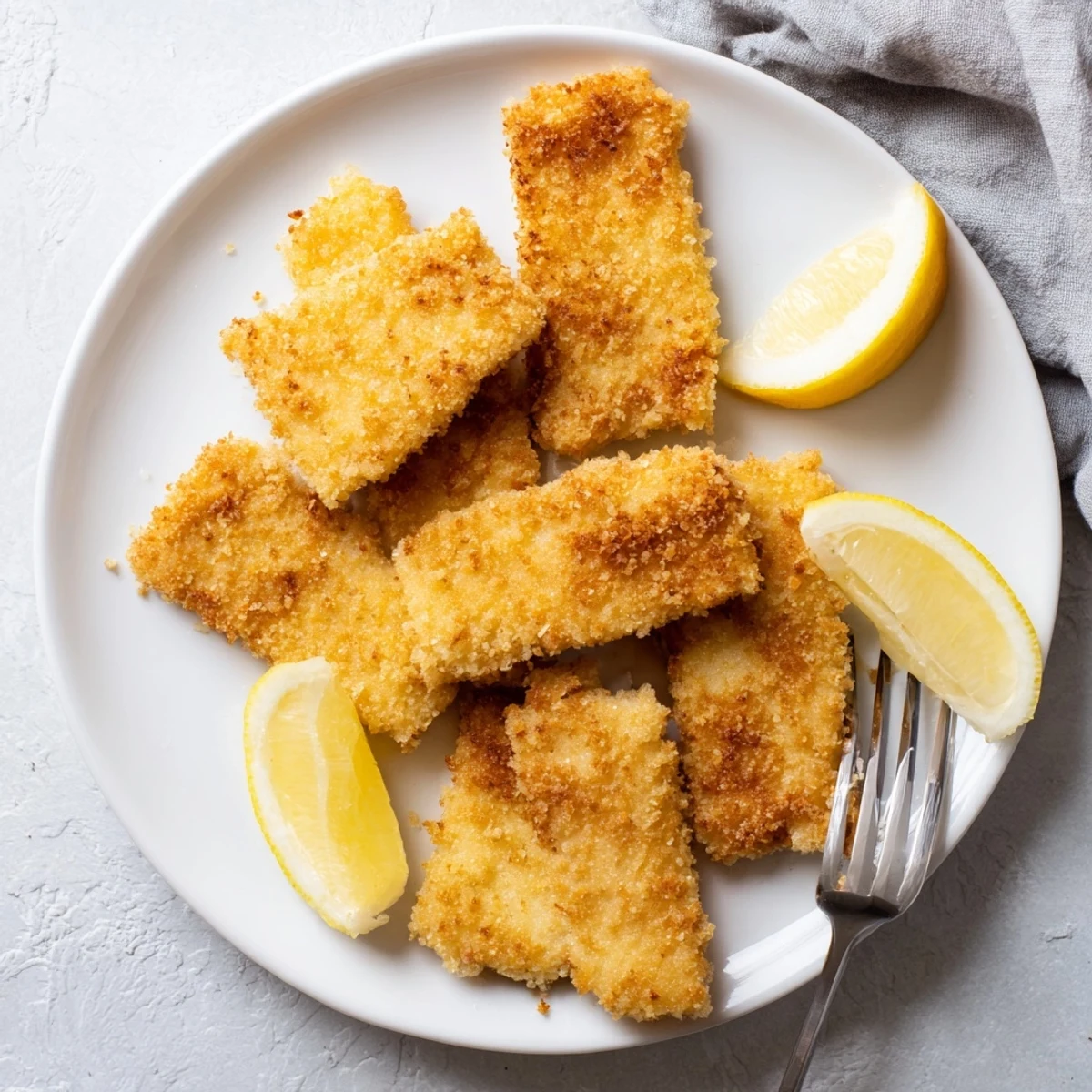 Save to Pinterest
 This dish has become my go-to when I need something that feels impressive but secretly couldn't be easier. My cousin actually asked for the recipe last Christmas, looking shocked when I explained it was basically cheese, flour, and heat.
Choosing The Right Cheese
The cheese you choose makes or breaks this dish. Traditional Kefalotyri has this incredible salty, tangy bite that stands up beautifully to frying. Graviera is slightly milder with a nutty sweetness that's equally delicious. Halloumi works well too, though it has a different texture—slightly springier. What matters most is choosing something firm enough to hold its shape in hot oil. Soft cheeses will melt into a disappointing puddle, no matter how carefully you fry them.
Getting That Perfect Crust
The secret to restaurant-quality crust is simple: dry cheese, moderate flour, and properly heated oil. If your cheese has too much surface moisture, the flour turns to glue instead of creating a crisp shell. I learned this the hard way after several batches of soggy, disappointing attempts. The flour coating should be thin—you're not making tempura here, just creating enough barrier for the exterior to crisp while the interior melts into puddles of perfection.
Serving Suggestions
Saganaki is traditionally a meze—something small to share with drinks before the main meal. I love serving it alongside crusty bread to soak up any escaping cheese, maybe some olives and cucumber slices for contrast. A chilled white wine or ouzo feels authentic, but honestly, cold beer works just as well. The key is serving it immediately while that contrast between hot, molten center and crisp exterior is at its peak.
- Try drizzling honey over the hot cheese for a sweet-salty variation
- A sprinkle of dried oregano adds authentic Greek flavor
- Keep extra lemon wedges handy—everyone wants more than they think
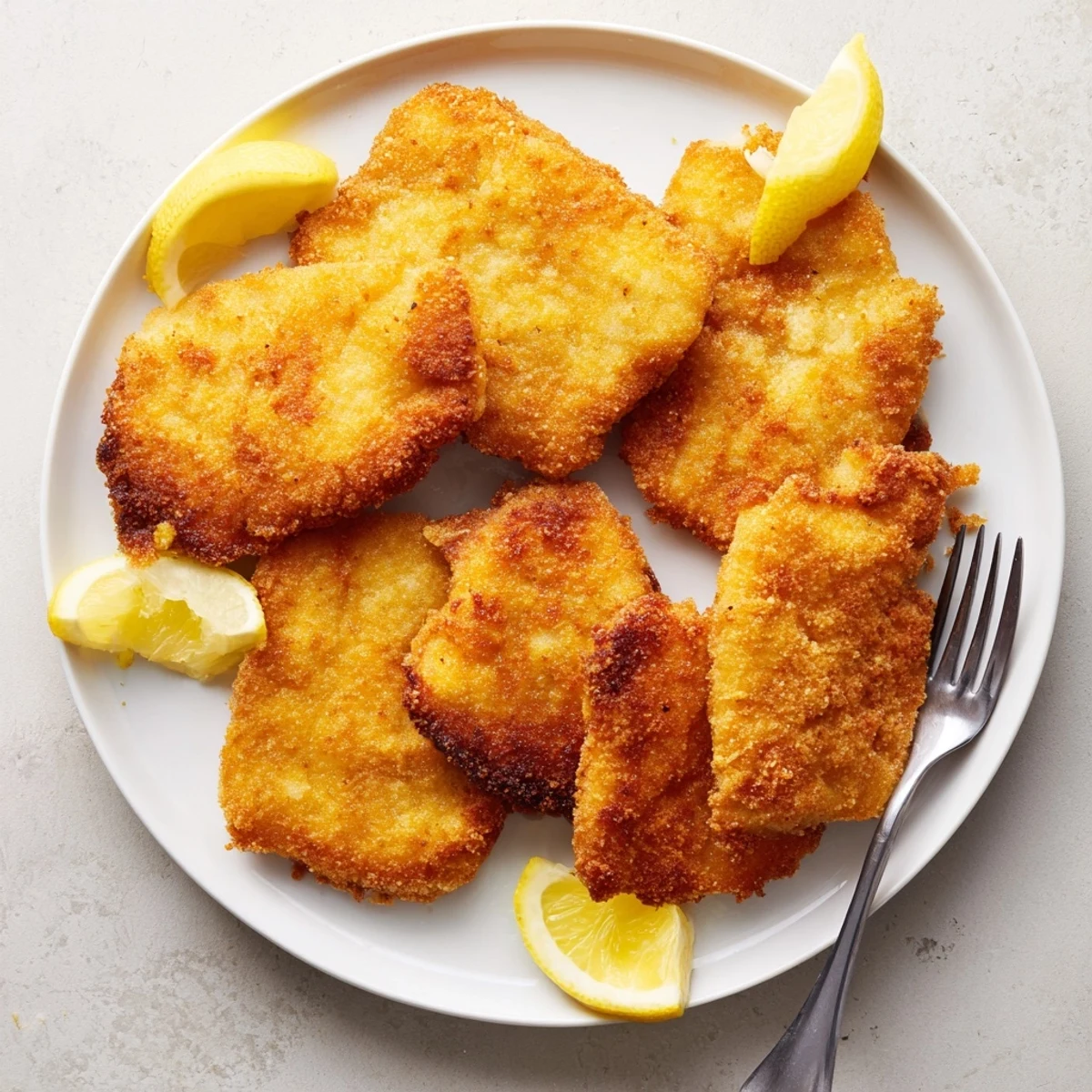 Save to Pinterest
 Some dishes taste like a memory, and this one tastes like a Greek sunset. Enjoy every sizzling bite.
Recipe Questions
- → What cheese works best for frying?
-
Kefalotyri and Graviera are traditional choices, offering the perfect balance of saltiness and firm texture. Halloumi or firm feta make excellent alternatives. The key is selecting a cheese that holds its shape when heated and develops a nice golden crust without melting completely.
- → Why must I pat the cheese dry before coating?
-
Removing surface moisture ensures the flour adheres properly and creates that desired crispy exterior. Excess moisture can lead to soggy coating or cause the hot oil to splatter. A quick pat with paper towels makes all the difference in achieving the perfect crunch.
- → Can I bake instead of fry?
-
While baking produces a lighter version, it won't achieve the same golden crunch. If you must bake, brush the coated cheese with olive oil and bake at 400°F (200°C) for 10-12 minutes, flipping halfway. However, pan-frying remains the traditional method for optimal texture and flavor.
- → How do I know when the cheese is done frying?
-
The cheese is ready when both sides develop a deep golden-brown color, typically 1-2 minutes per side. You'll notice a satisfying crispness when you tap it with tongs. Avoid overcooking, as the cheese can become tough or the coating too dark.
- → What should I serve alongside?
-
Fresh lemon wedges are essential—their bright acidity cuts through the rich cheese. This dish pairs beautifully with crusty bread, olives, and tzatziki. For beverages, chilled Assyrtiko, Sauvignon Blanc, or traditional ouzo complement the Mediterranean flavors perfectly.
- → Can I prepare this ahead of time?
-
The cheese is best enjoyed immediately after frying while hot and crispy. You can slice and coat the cheese up to an hour before cooking—store layered between parchment paper to prevent sticking. However, once fried, the texture begins to soften within minutes, so plan to fry just before serving.