
 Save to Pinterest
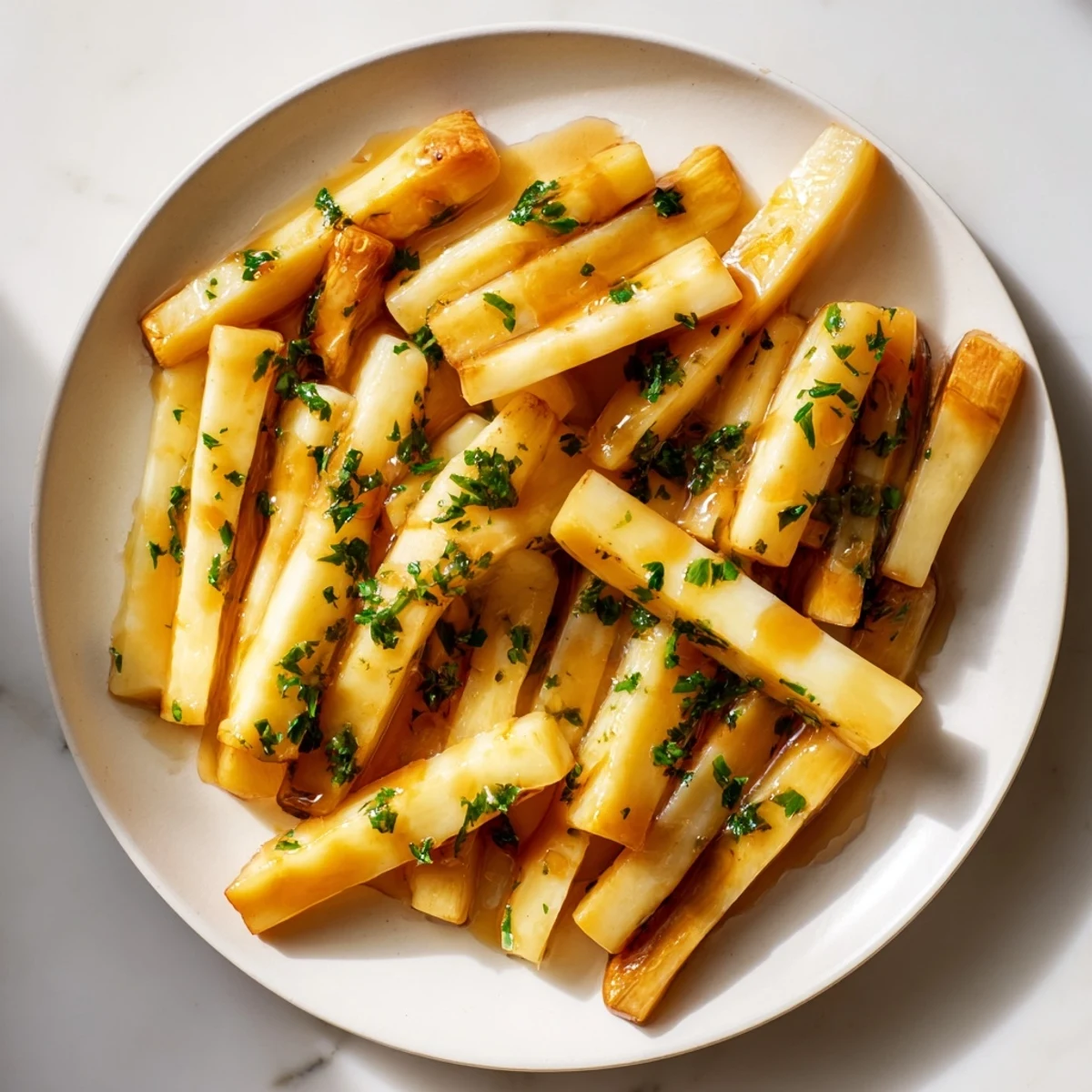
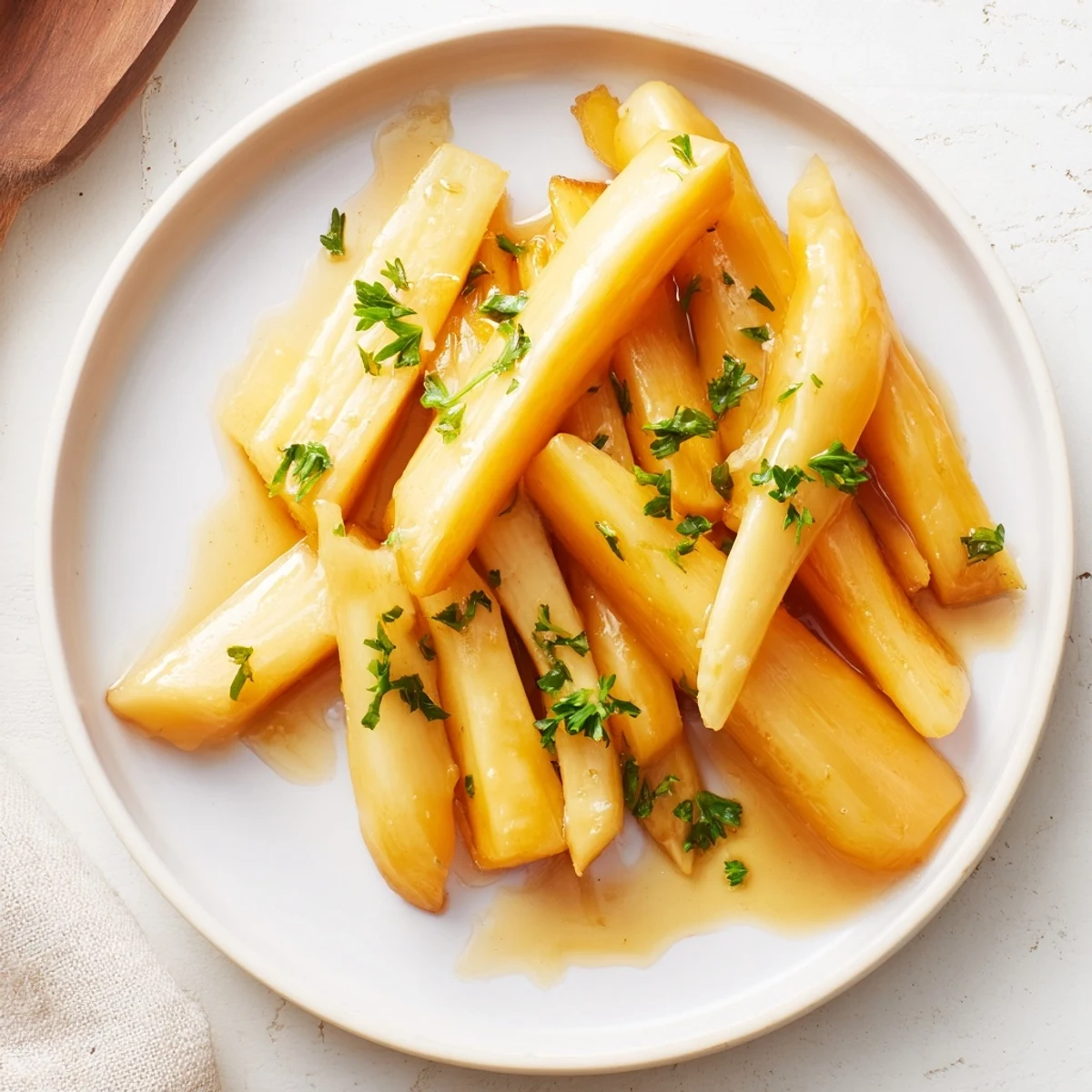
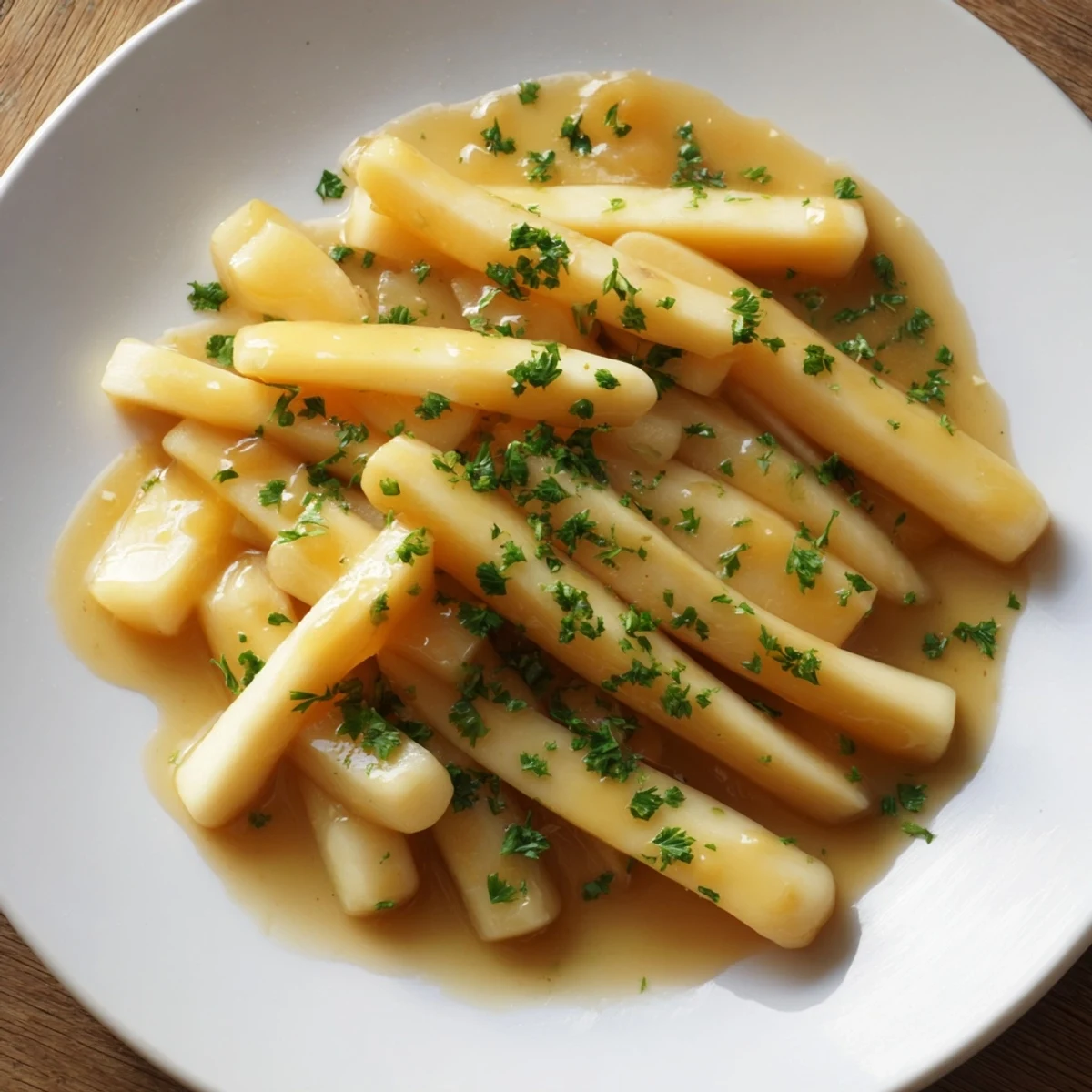
 Glazed parsnips bring a tender texture and a sweet, buttery coating that enhances their natural flavor. Prepared by parboiling the vegetable batons, they’re then sautéed in a honey and brown sugar glaze until golden and sticky. The balance of sweetness and seasoning creates an elegant side ideal for various meals. A sprinkle of fresh parsley adds a bright finish, while options like maple syrup accommodate vegan preferences.
I grabbed a bunch of parsnips on a whim one November afternoon, mostly because they looked like pale carrots and I was curious. That night, I tossed them in butter and honey without much of a plan, and the kitchen filled with this warm, caramel smell that made everyone wander in asking what was for dinner. They turned golden and sticky in the pan, and I realized I'd been overlooking parsnips my whole life.
The first time I made these for a dinner party, someone asked if I'd done something fancy with carrots. When I said they were parsnips, half the table admitted they'd never tried one. By the end of the meal, the serving dish was scraped clean and I had three people asking for the recipe. It became my quiet weapon for turning skeptics into believers.
Ingredients
- Parsnips: Choose firm, medium-sized ones without soft spots, they sweeten as they cook and their natural starches help the glaze cling beautifully.
- Unsalted butter: This is where the richness comes from, melting into the honey to create that glossy, nutty base.
- Honey: It bubbles and thickens into a sticky coating, though maple syrup works just as well if you want a deeper, woodsy note.
- Light brown sugar: Adds a hint of molasses and helps the glaze turn golden and almost toffee-like at the edges.
- Salt and black pepper: Just enough to balance the sweetness and bring out the earthiness of the parsnips.
- Fresh parsley: A handful of green at the end makes the whole dish feel brighter and less one-dimensional.
Instructions
- Blanch the parsnips:
- Drop the batons into boiling salted water and let them soften for 5 to 6 minutes, just until a fork slides in with a little resistance. Drain them well so they don't dilute the glaze later.
- Make the glaze:
- Melt the butter in a wide skillet over medium heat, then stir in the honey and brown sugar until everything dissolves into a bubbling, amber syrup. The kitchen will start to smell like a bakery.
- Coat the parsnips:
- Add the drained parsnips to the pan and toss gently, letting each piece get slicked with that glossy mixture. Be patient, they need a minute to soak it all in.
- Caramelize:
- Let them cook for 8 to 10 minutes, stirring now and then, until the edges turn golden and the glaze thickens into something sticky and dark. The smell will shift from sweet to almost caramelized.
- Season and serve:
- Taste one, then add salt and pepper to cut through the sweetness. Slide them onto a warm plate and scatter parsley over the top.
 Save to Pinterest
 One cold evening, I served these alongside a simple roast chicken and someone said it tasted like something their grandmother might have made in the countryside. I'd never been to the countryside, but I understood what they meant: it felt old-fashioned in the best way, like comfort you didn't have to explain. That's when I stopped thinking of parsnips as filler and started treating them like the main event.
Flavor Variations
A pinch of cinnamon or nutmeg stirred into the glaze turns this into something almost spiced and wintery, like the parsnips spent time near a pie. I've also tried a splash of balsamic vinegar at the end for a tangy edge that cuts the sweetness, and it worked surprisingly well. If you want heat, a tiny pinch of chili flakes in the butter adds a kick without overwhelming the dish.
Storage and Reheating
These keep in the fridge for about three days in a covered container, though the glaze will soak into the parsnips and lose some of its shine. Reheat them gently in a skillet over low heat with a tiny bit of butter or water to loosen things up, the microwave makes them rubbery and sad. Honestly, they're best eaten fresh when the glaze is still tacky and the edges are crisp.
Serving Suggestions
I've piled these next to roasted pork, grilled lamb, and even a big pan of root vegetables, and they always disappear first. They're sweet enough to balance savory mains but earthy enough not to feel like dessert. For a vegetarian spread, serve them with something creamy like mashed potatoes or a sharp green salad to contrast the richness.
- Pair with roasted chicken or turkey for a classic combination.
- Serve alongside braised beef or lamb for a hearty cold-weather meal.
- Add to a vegetarian holiday table with wild rice and roasted Brussels sprouts.
 Save to Pinterest
 Now I keep parsnips in the house all winter, waiting for an excuse to pull out the skillet and fill the kitchen with that smell again. It's one of those recipes that feels like a small, edible victory every time.
Recipe Questions
- → How do I achieve tender but firm parsnips?
-
Boil parsnip batons in salted water for 5 to 6 minutes until just tender but still holding their shape to prevent mushiness during glazing.
- → Can I substitute honey in the glaze?
-
Maple syrup works well as a vegan alternative, maintaining sweetness and moisture in the glaze.
- → What enhances the glaze’s flavor?
-
Adding a pinch of ground cinnamon or nutmeg to the butter and sugar mixture adds warm, aromatic notes to the glaze.
- → How should I finish the dish before serving?
-
After glazing, sprinkle chopped fresh parsley on top for a vibrant color contrast and subtle herbal freshness.
- → Is this suitable for gluten-free diets?
-
Yes, the dish contains no gluten ingredients and fits well within gluten-free meal plans.