
 Save to Pinterest
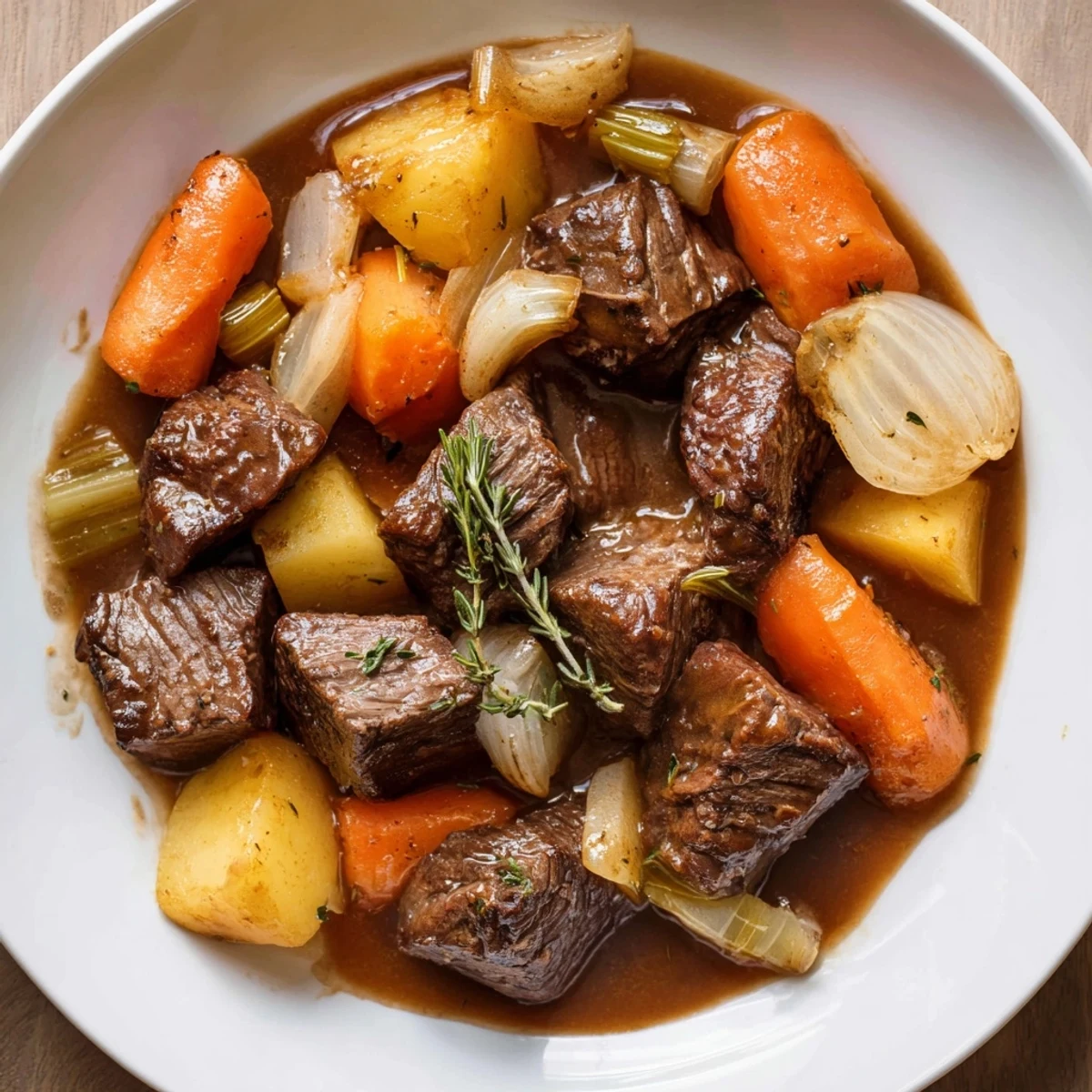
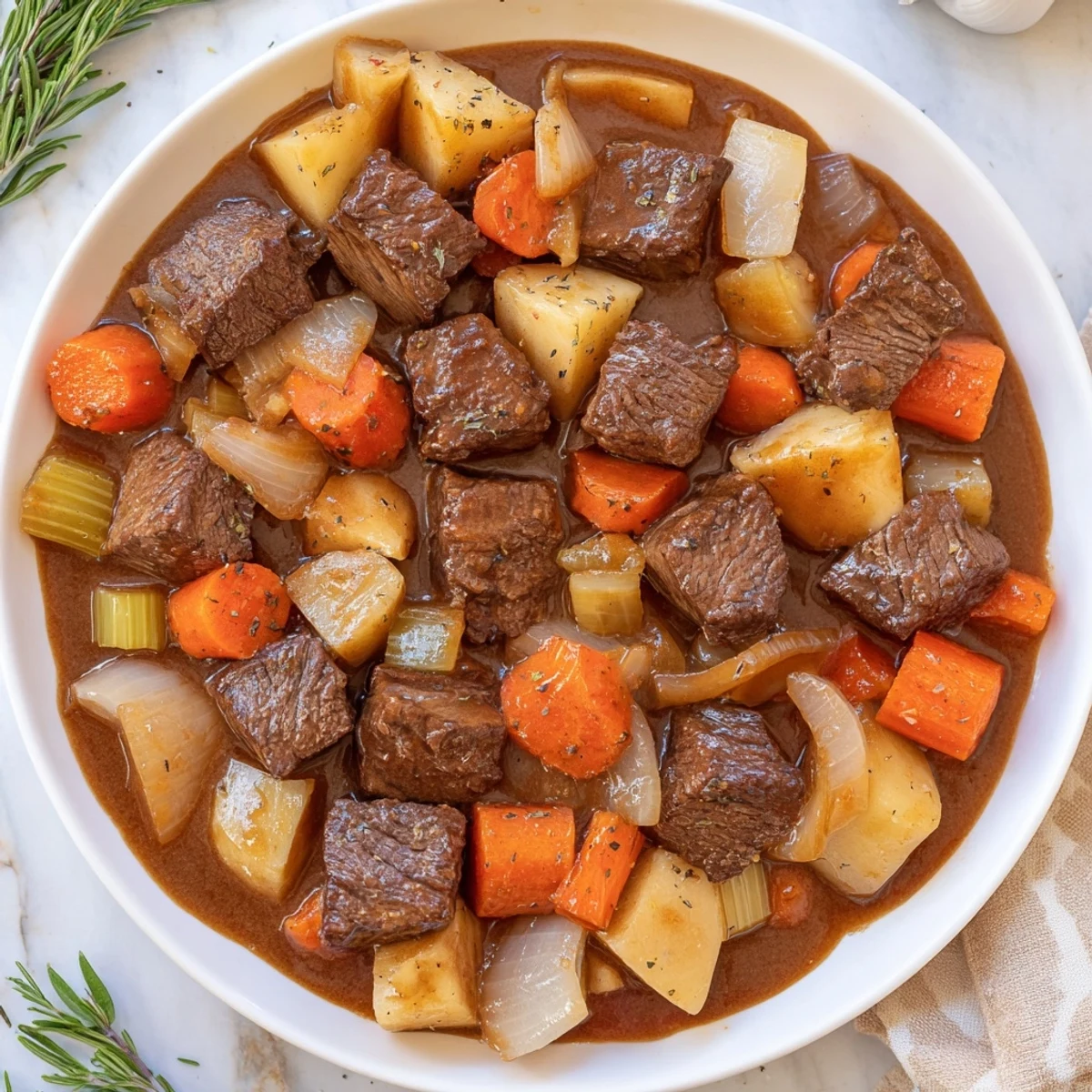
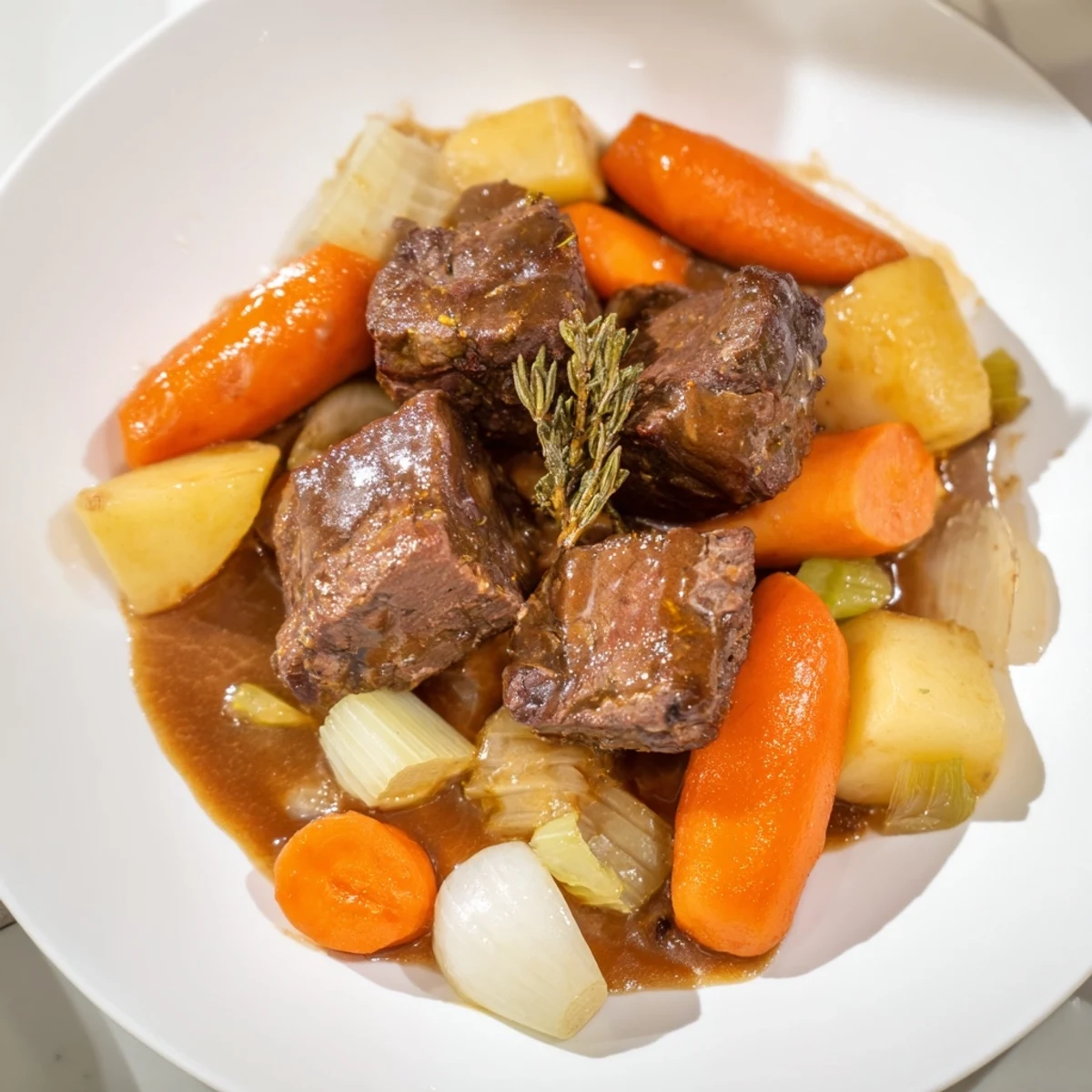
 This dish features succulent chunks of gravy beef slow-cooked with a blend of onions, carrots, celery, and potatoes. The mixture is thickened with flour and deepened with tomato paste, Worcestershire sauce, and aromatic herbs like thyme and rosemary. Simmered gently, the beef becomes tender and infused with rich, comforting flavors, perfect for a satisfying meal. A splash of red wine can add extra depth, and it pairs wonderfully with crusty bread or creamy mashed potatoes.
There's something about the smell of beef browning in a hot pot that pulls me back to my mum's kitchen on Sunday afternoons, when the whole house would warm up from the inside out. She'd let me help sear the meat, and I'd watch the cubes turn golden and crusty while she talked about how this stew was the kind of meal that made people linger at the table. That was years ago, but every time I make this gravy beef stew, I'm still chasing that feeling of comfort and togetherness.
I made this for friends on a grey winter evening, and someone asked for the recipe before they'd even finished their first bowl. The kind of simple honesty in a stew like this somehow says more than any fancy plating ever could, and everyone understood why it mattered.
Ingredients
- Gravy beef (800 g, cut into 3 cm cubes): This cut is specifically designed for slow cooking, with enough connective tissue to turn silky and unctuous rather than tough. Don't skip the browning step, even though it takes extra time, because those golden bits on the bottom of the pot are pure flavor.
- Onions (2 medium, diced), carrots (3, sliced), and celery (2 stalks, sliced): This trio is the backbone of almost every good stew, building a foundation of sweetness and depth that makes everything taste more like itself.
- Potatoes (2 medium, peeled and cubed) and garlic (3 cloves, minced): The potatoes absorb the gravy and become almost creamy, while garlic added late in the sauté stays bright instead of turning bitter.
- Olive oil (2 tbsp): Use something you don't mind using freely, because you need enough to get a proper sear on the beef without crowding the pot.
- Plain flour (2 tbsp, or gluten-free): This thickens the sauce without needing a separate thickening step, and it toasts slightly in the pan for better flavor.
- Tomato paste (2 tbsp): A small amount adds umami and slight acidity that balances the richness, so resist the urge to use more.
- Beef stock (750 ml): Quality matters here because there's nowhere to hide a weak broth, so use something you'd taste on its own.
- Worcestershire sauce (1 tbsp), bay leaves (2), dried thyme (1 tsp), and dried rosemary (1 tsp): These seasonings work together to create complexity without being identifiable individually, which is exactly when seasoning feels right.
- Salt and freshly ground black pepper: Taste near the end and adjust generously, because a properly seasoned stew tastes like it was made with intention.
Instructions
- Brown the beef thoroughly:
- Heat the olive oil until it shimmers, then work in batches so you're not crowding the pot. Listen for that sizzle when the beef hits the surface, and let each batch sit for a few minutes before moving it around. You're not rushing to cook it through, just building color and crust.
- Build your flavor base:
- In the same pot, soften the onions, carrots, and celery for 4–5 minutes until they lose their raw edge. Add the minced garlic and let it become fragrant in about a minute, then sprinkle the flour over everything and stir constantly for 1–2 minutes so it cooks into the vegetables rather than sitting on top.
- Bring it all together:
- Return the beef to the pot with the tomato paste, stock, Worcestershire sauce, and herbs, stirring so the flour dissolves and the sauce starts to thicken even before it simmers. Once it reaches a gentle bubble, turn the heat down low and cover the pot.
- Let time do the work:
- Simmer covered for 1.5 hours, stirring occasionally so nothing sticks to the bottom. The beef will gradually soften, and the sauce will deepen in color and flavor.
- Finish with the potatoes:
- Add the potatoes and season with salt and pepper, then continue simmering uncovered for 30–40 minutes. You'll watch the potatoes turn tender and the sauce reduce to something velvety and glossy.
- Taste and serve:
- Remove the bay leaves, taste the stew, and adjust the seasoning one more time. Serve it hot in shallow bowls, and watch people close their eyes on the first spoonful.
 Save to Pinterest
 My partner came home while this was simmering and just stood in the kitchen doorway, breathing in, unable to say anything except that whatever I was making smelled like home. That's the whole point of a stew like this.
The Perfect Way to Serve It
Crusty bread is almost essential because you'll want something to wipe the last bits of sauce from your bowl, and the contrast between soft, torn bread and thick gravy is something small that makes the meal feel complete. Creamy mashed potatoes work beautifully too, turning the stew into something even more indulgent and rich.
Why This Stew Gets Better Overnight
Cold stew always sounds counterintuitive until you reheat it and realize the flavors have married together overnight into something more cohesive and deep than it was the day before. The beef stays tender, the sauce tastes fuller, and you've got an easy dinner waiting for you without the work.
Kitchen Secrets Worth Knowing
If you want to add a splash of red wine to the stock, do it—the acidity and tannins give the stew another layer that tastes sophisticated without being obvious. You can substitute parsnips or turnips for some of the potatoes if you want a different flavor, and sometimes I add a splash of balsamic vinegar at the very end if I feel like the sauce needs a whisper of sweetness.
- Taste the stew several times during cooking and adjust seasoning as you go, because salt needs time to distribute and taste differently at different temperatures.
- If your sauce feels too thin at the end, mix a spoon of flour with a little cold water and stir it in, letting it cook for a minute to thicken.
- Leftovers taste even better the next day, so don't hesitate to make this ahead and reheat it gently whenever you need it.
 Save to Pinterest
 This stew is the kind of food that reminds you why you cook in the first place—not for perfection, but for the feeling of sitting down with people you care about and sharing something warm and real.
Recipe Questions
- → What cut of beef is best for this stew?
-
Gravy beef or any beef suitable for slow cooking works well, as it becomes tender and flavorful after simmering.
- → Can I make this dish gluten-free?
-
Yes, by using gluten-free flour and ensuring Worcestershire sauce and beef stock are gluten-free, the dish is suitable for gluten-free diets.
- → How long should the beef be cooked for optimal tenderness?
-
Simmering for about 2 hours total allows the beef to become tender and the sauce to thicken nicely.
- → What vegetables complement the beef best?
-
Onions, carrots, celery, and potatoes provide a balanced mix of flavors and textures that enhance the rich stew.
- → Can I add red wine to the dish?
-
Yes, adding a splash of red wine with the beef stock can deepen the overall flavor profile of the stew.