
 Save to Pinterest
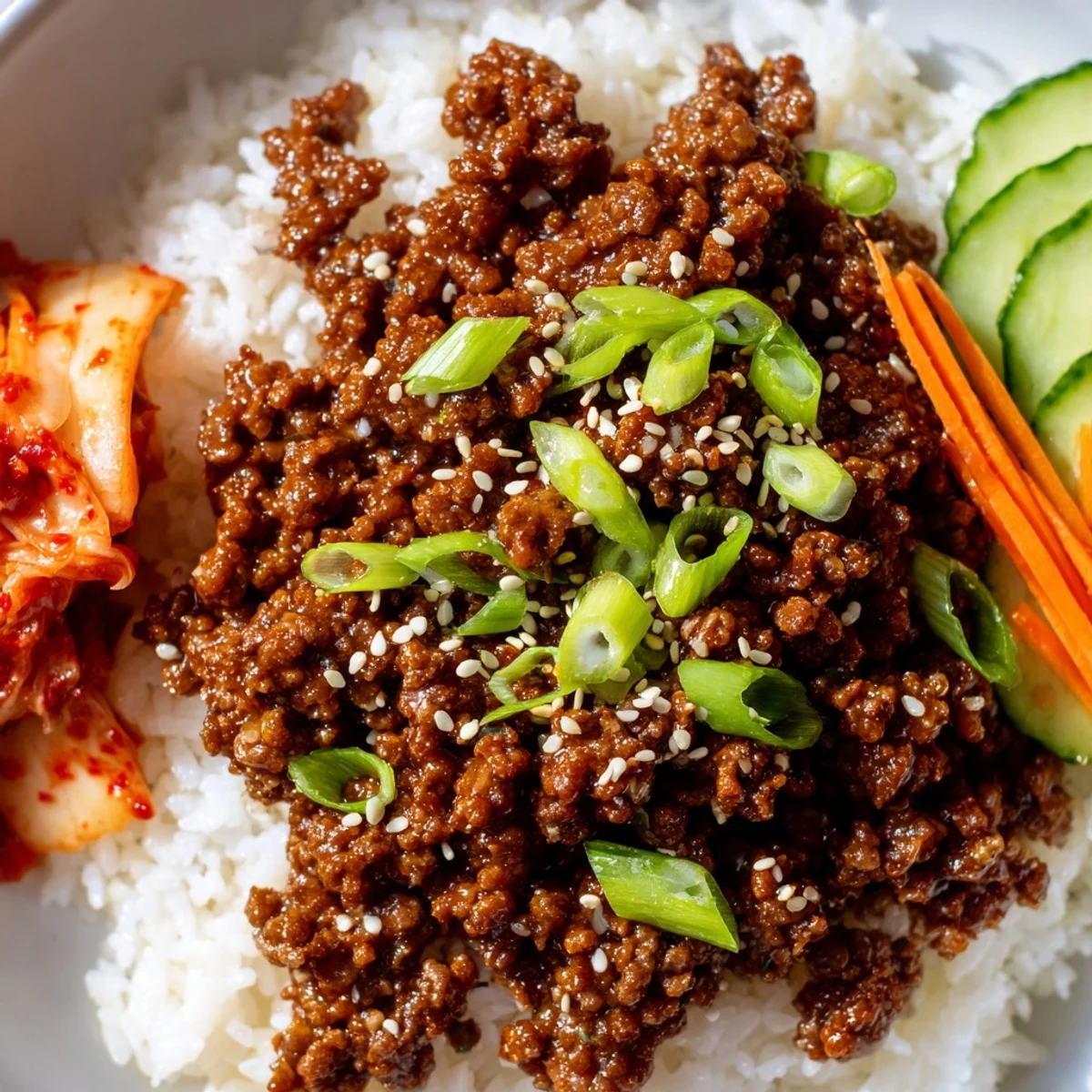
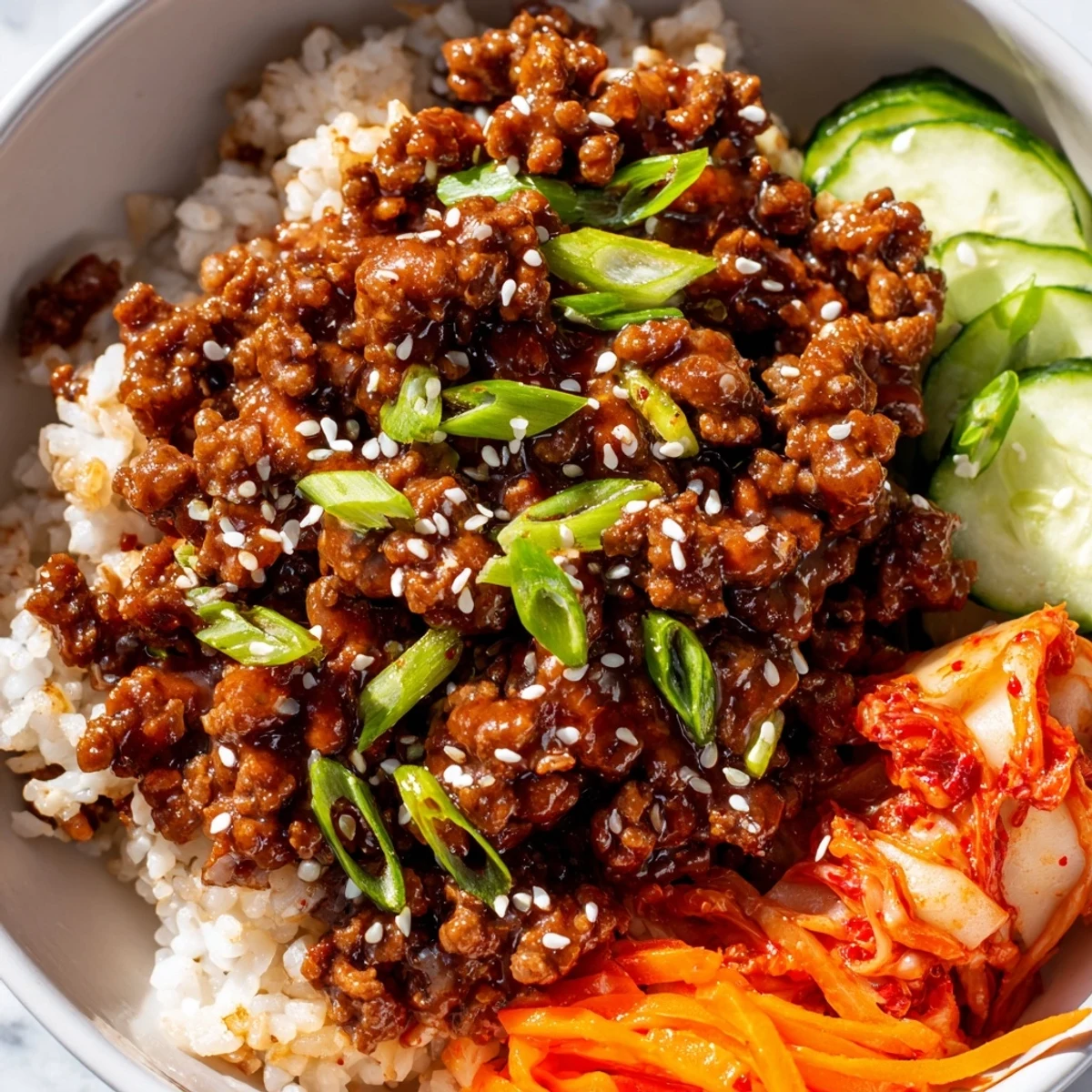
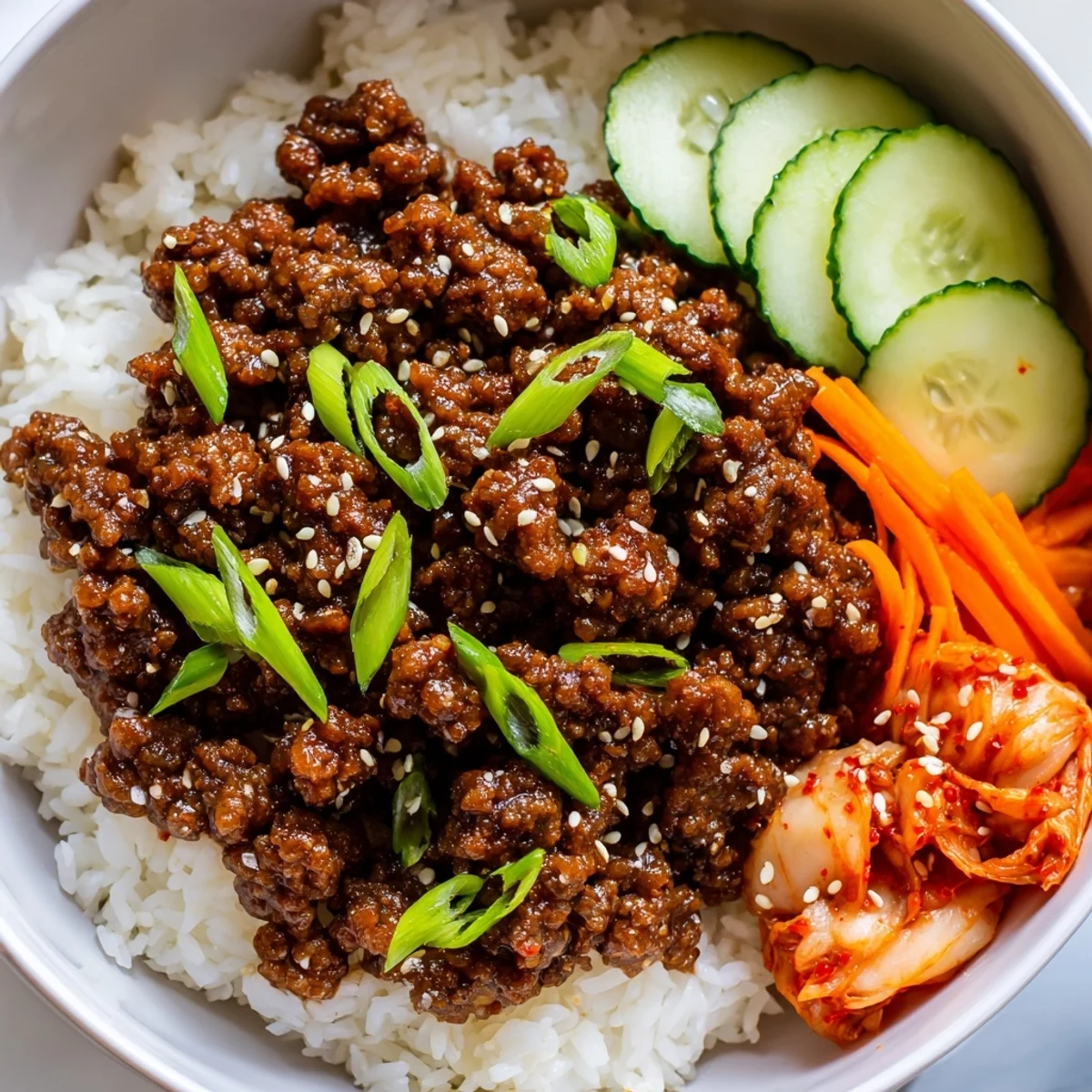
 This Korean-inspired ground beef bowl brings together savory browned beef coated in a glossy soy, sesame, and gochujang sauce that balances sweet, salty, and spicy in every bite.
Served over steamed jasmine or short-grain rice and finished with crisp julienned carrot, cool cucumber slices, green onions, and a shower of toasted sesame seeds, it's a complete meal that comes together in just 25 minutes.
Customizable heat levels, gluten-free friendly, and easily adapted with ground chicken or turkey for a lighter twist.
The sizzle of ground beef hitting a hot skillet on a Tuesday evening changed my entire weeknight dinner game forever. I had stumbled home exhausted, barely willing to cook, but a half used bottle of gochujang in the fridge caught my eye and demanded attention. Twenty five minutes later I was slouched against the kitchen counter, bowl in hand, wondering why I ever bothered with takeout. That first bite of caramelized, saucy beef over steamy rice was nothing short of a small revelation.
My roommate walked in halfway through my first attempt and immediately demanded a bowl, then proceeded to eat standing up because neither of us could wait long enough to sit down at the table.
Ingredients
- Lean ground beef (1 lb): The workhorse of this dish, lean beef browns beautifully and soaks up every drop of that sticky sauce without feeling greasy.
- Cooked jasmine or short grain rice (2 cups): A neutral, fluffy base that balances the bold, saucy beef and makes every bowl feel complete.
- Low sodium soy sauce (1/4 cup): Provides that essential savory depth while letting you control the salt level so nothing tastes overpowering.
- Brown sugar (2 tbsp): This is the secret to that glossy, caramel like glaze that clings to every crumb of beef and makes the sauce irresistible.
- Sesame oil (1 tbsp): A small amount goes a long way, infusing the entire dish with a nutty, toasty aroma that signals something special.
- Garlic, minced (3 cloves): Fresh garlic is non negotiable here, it builds a pungent backbone that dried powder simply cannot replicate.
- Grated fresh ginger (1 tbsp): Adds a warm, slightly citrusy zing that brightens the heavy richness of the beef and soy sauce.
- Crushed red pepper flakes (1/2 to 1 tsp): Start with half a teaspoon and taste your way up, the gentle heat builds beautifully.
- Rice vinegar (2 tsp): A subtle splash of acidity that cuts through the sweetness and rounds out every flavor in the bowl.
- Gochujang (1 tbsp, optional): If you have this Korean chili paste on hand, it adds a fermented, complex warmth that takes the sauce from great to extraordinary.
- Green onions, sliced (2): A fresh, sharp garnish that adds color and a mild onion bite right at the finish.
- Toasted sesame seeds (1 tbsp): Scatter these on top for a delicate crunch and a second layer of nutty flavor.
- Carrot, julienned (1): Brings a sweet crunch and vibrant orange that makes the bowl look as good as it tastes.
- Cucumber, thinly sliced (1 small): Cool and refreshing, these slices temper the heat and add a clean, crisp contrast.
- Kimchi (optional, for serving): A tangy, funky sidekick that feels completely authentic and elevates the whole meal.
Instructions
- Whisk the sauce together:
- In a small bowl, combine the soy sauce, brown sugar, sesame oil, minced garlic, grated ginger, red pepper flakes, rice vinegar, and gochujang if using. Whisk until the sugar dissolves and the mixture looks smooth and glossy, then set it aside and let the flavors mingle while you cook.
- Brown the beef:
- Heat a large skillet over medium high heat and add the ground beef, breaking it apart with a spatula as it cooks. Listen for that satisfying crackle and watch for the meat to turn deeply brown with crispy edges, about five to seven minutes, then drain any excess fat if needed.
- Coat with sauce:
- Pour the prepared sauce over the browned beef and stir well so every piece gets coated. Let it simmer for two to three minutes until the sauce thickens slightly and turns glossy, clinging to the beef like a sticky, savory glaze.
- Build your bowls:
- Divide the warm cooked rice among four bowls, creating a soft bed for the beef. Spoon the saucy Korean ground beef generously over each portion of rice.
- Top and serve:
- Finish each bowl with sliced green onions, toasted sesame seeds, julienned carrot, cucumber slices, and kimchi if desired. Serve immediately while the beef is still bubbling and the rice is steamy.
 Save to Pinterest
 I once packed leftovers for a coworker who later told me she ate it cold straight from the container at her desk and still could not stop thinking about it for days.
Making It Your Own
Swap the ground beef for chicken or turkey if you want something lighter, and use tamari instead of soy sauce to keep it gluten free without losing any of that umami punch.
Tools That Make It Effortless
A large skillet with plenty of surface area lets the beef brown rather than steam, and a sturdy wooden spoon gives you the control to break the meat into evenly sized pieces.
Serving Thoughts and Final Touches
A fried egg on top turns this into something truly indulgent, with the runny yolk blending into the sauce like a rich, silky bonus you did not see coming.
- Make extra rice because you will absolutely want seconds.
- Leftovers store beautifully in the fridge for up to three days and reheat in under two minutes.
- Taste the sauce before adding it to the beef and adjust the heat to your personal comfort level.
 Save to Pinterest
 Keep this recipe in your back pocket for any night when cooking feels like too much effort but eating something incredible is non negotiable. It will never let you down.
Recipe Questions
- → Can I use a different protein instead of ground beef?
-
Ground chicken or turkey work well as lighter alternatives. For a plant-based version, crumbled tofu or tempeh can absorb the same sweet-spicy soy sauce beautifully.
- → How spicy is this dish?
-
The heat level is fully adjustable. Start with ½ teaspoon of red pepper flakes and skip the gochujang for mild heat, or increase both for a bolder kick.
- → What type of rice works best?
-
Short-grain white rice or jasmine rice are ideal for soaking up the sauce. Brown rice or cauliflower rice can also be used for a healthier variation.
- → Can I make this gluten-free?
-
Yes, simply substitute tamari for the soy sauce. Double-check that your gochujang brand is gluten-free as well, since some contain wheat.
- → How should I store leftovers?
-
Store the beef mixture and rice separately in airtight containers in the refrigerator for up to 3 days. Reheat the beef in a skillet and prepare fresh toppings when serving again.
- → What toppings pair well with this bowl?
-
Kimchi adds a tangy fermented crunch, while a fried egg on top brings richness. Sliced avocado, pickled radish, or steamed broccoli also make excellent additions.