
 Save to Pinterest
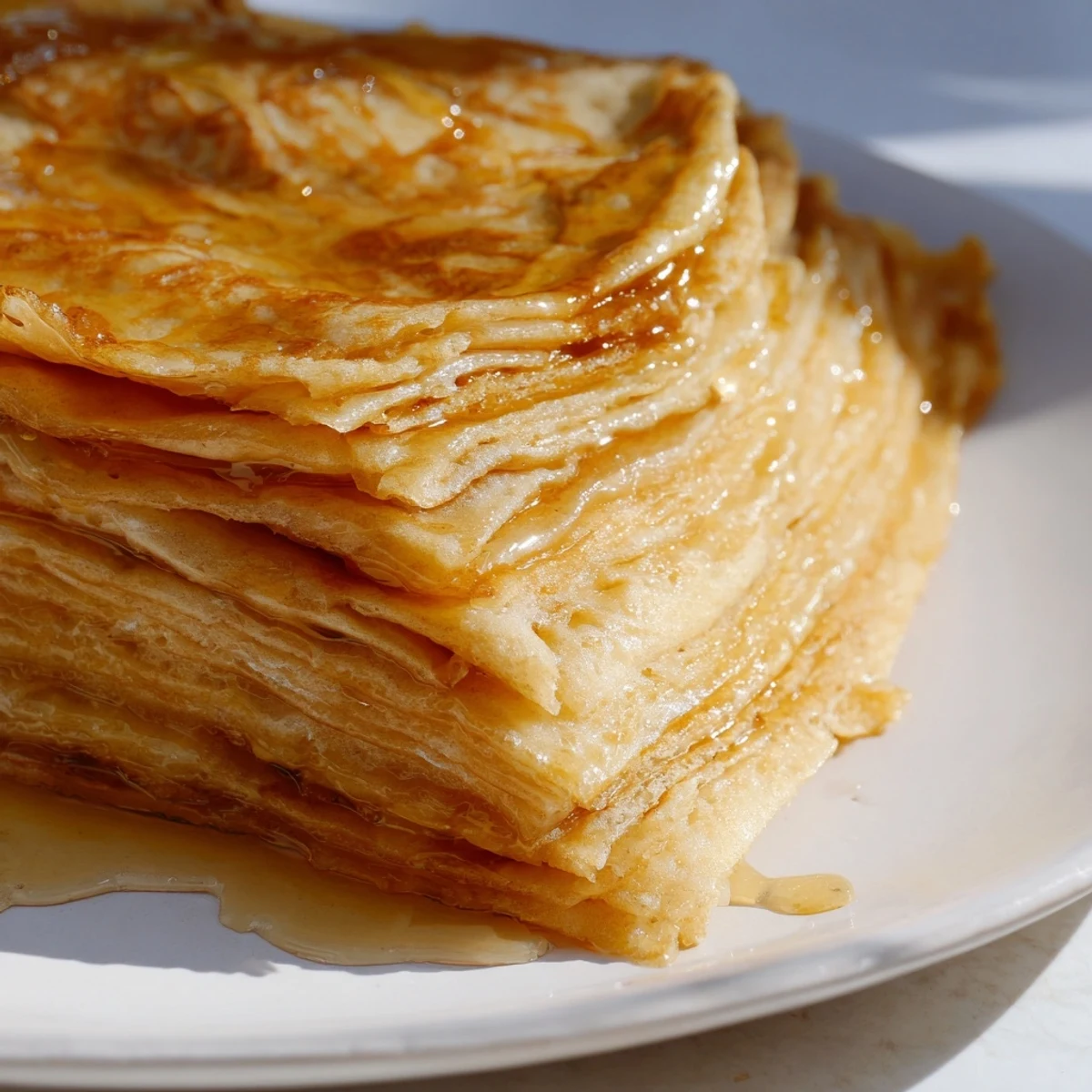
 Master the art of Meloui, Morocco's beloved flaky pancakes featuring delicate layers of butter and semolina. These versatile treats showcase the magic of Moroccan breakfast traditions, combining simple pantry ingredients into something extraordinary.
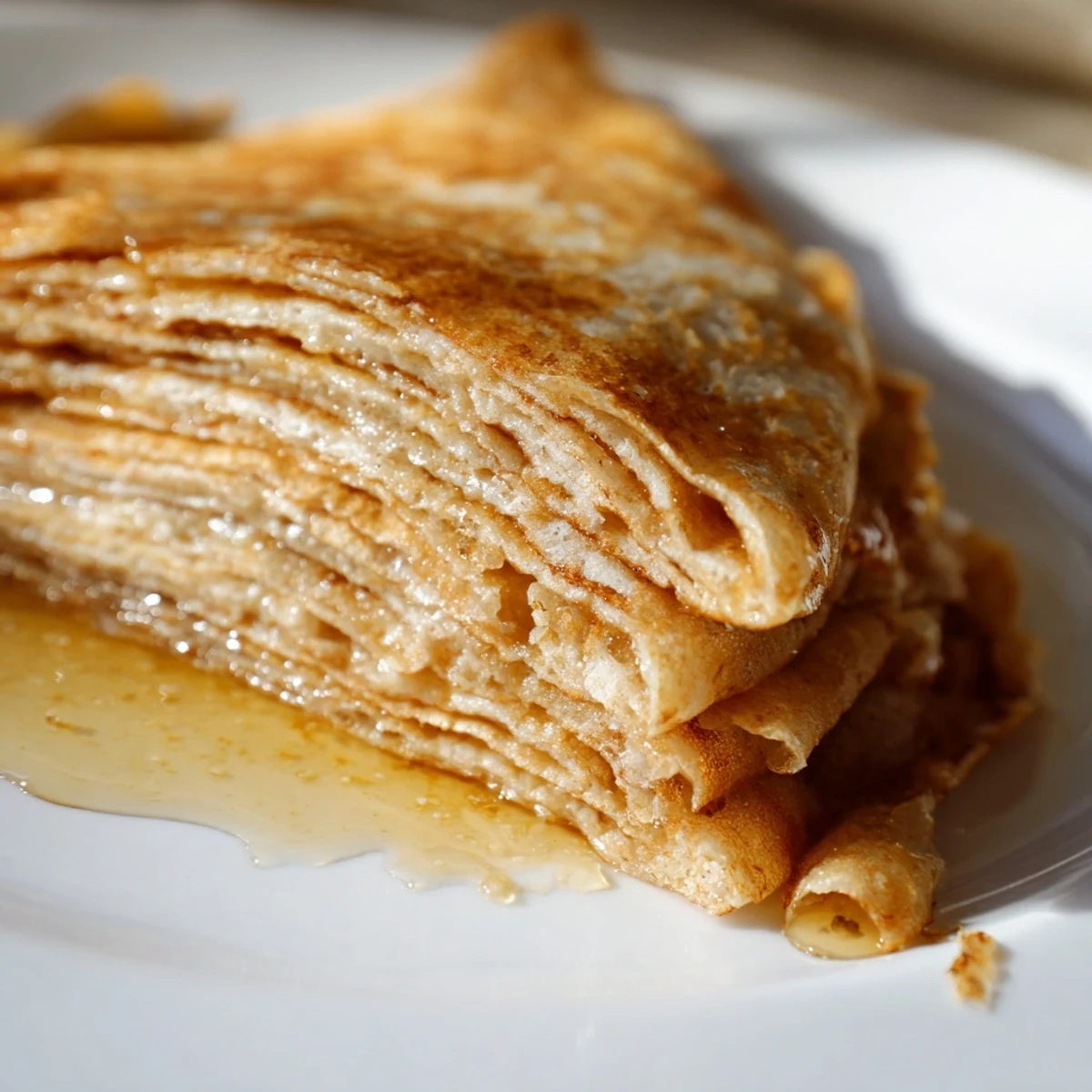
The technique involves stretching dough thin, folding with butter and semolina, then cooking to golden perfection. Each bite reveals crispy, buttery layers that pair beautifully with honey, jam, or powdered sugar.
While the process requires patience, the result—a warm, stackable pancake perfect for dipping—makes every minute worthwhile. Ideal for weekend breakfasts, special occasions, or elevating your morning routine with authentic Moroccan flavors.
It was a rainy Sunday morning when my neighbor Amina knocked on my door with a stack of warm, flaky pancakes wrapped in a clean cloth. The steam escaping as I unwrapped them carried this incredible buttery aroma that filled my entire hallway. She taught me how to make them that afternoon, and I've been hooked on the satisfying rhythm of the folding technique ever since. Something about transforming simple dough into those honeycomb layers feels like magic every single time.
Last Eid, I decided to make these for my extended family instead of the usual store-bought sweets. My uncle took one bite and immediately asked for the recipe, while my little sister kept stealing them from the serving platter faster than I could cook them. Now every family gathering includes a stack of meloui, and I've learned to triple the recipe just to keep up with demand.
Ingredients
- 3 cups all-purpose flour: Forms the foundation of the dough structure, creating those signature layers when properly folded
- 1 cup fine semolina: Adds subtle texture and a nutty flavor that distinguishes authentic meloui from regular pancakes
- 1 ½ teaspoons salt: Essential for balancing the sweetness of honey or jam served on top
- 1 teaspoon sugar: Helps the dough develop a beautiful golden color during cooking
- 1 ½ cups warm water: Creates a pliable, workable dough that stretches without tearing
- ½ cup vegetable oil: Keeps your hands and work surface lubricated for the delicate stretching process
- ¼ cup softened butter: The secret to creating distinct flaky layers between the dough folds
- ¼ cup fine semolina for dusting: Prevents the folded layers from sticking together while resting
Instructions
- Mix and knead the dough:
- Combine flour, semolina, salt, and sugar in a large bowl, gradually adding warm water while mixing until a soft, smooth dough forms. Knead for 8 to 10 minutes until the dough becomes elastic and no longer feels sticky.
- Rest the dough balls:
- Divide the dough into 8 equal portions, roll them into smooth balls, and cover with a damp cloth. Let them rest for 15 minutes to relax the gluten, making them easier to stretch later.
- Stretch and fold each layer:
- Lightly oil your hands and work surface, then flatten one dough ball into a nearly transparent circle about 10 inches wide. Dot the surface with softened butter and sprinkle generously with semolina before folding into thirds horizontally, then again vertically into a square.
- Rest the folded pieces:
- Set all the folded squares aside and let them rest for 5 minutes, which allows the butter to firm up slightly and makes the final flattening easier.
- Flatten and cook:
- Gently press each square to about ½ inch thickness, then cook on a lightly oiled skillet over medium heat for 2 to 3 minutes per side until golden brown and cooked through.
 Save to Pinterest
 My daughter now prefers these over any restaurant breakfast, and watching her carefully fold them with tiny, buttery fingers makes all the effort worthwhile. They've become our weekend ritual, usually served with way too much honey and inevitable sticky fingers.
Mastering the Stretch
The stretching technique takes practice, so don't worry if your first few attempts tear or look uneven. I found that working on a slightly oiled countertop instead of floured surface gives me better control and prevents sticking.
Storage Solutions
These pancakes reheat beautifully on a skillet for 30 seconds per side, bringing back most of their original texture. I keep cooked meloui in a sealed container at room temperature for up to two days, or freeze them with parchment paper between each piece for longer storage.
Serving Suggestions
Beyond traditional honey and jam, these work wonderfully with savory fillings like cheese and herbs for a completely different meal experience.
- Try spreading soft cheese and fresh herbs while they're still warm for a quick lunch
- A drizzle of orange blossom honey adds authentic Moroccan floral notes
- Dusting powdered sugar over the top creates a beautiful presentation for guests
 Save to Pinterest
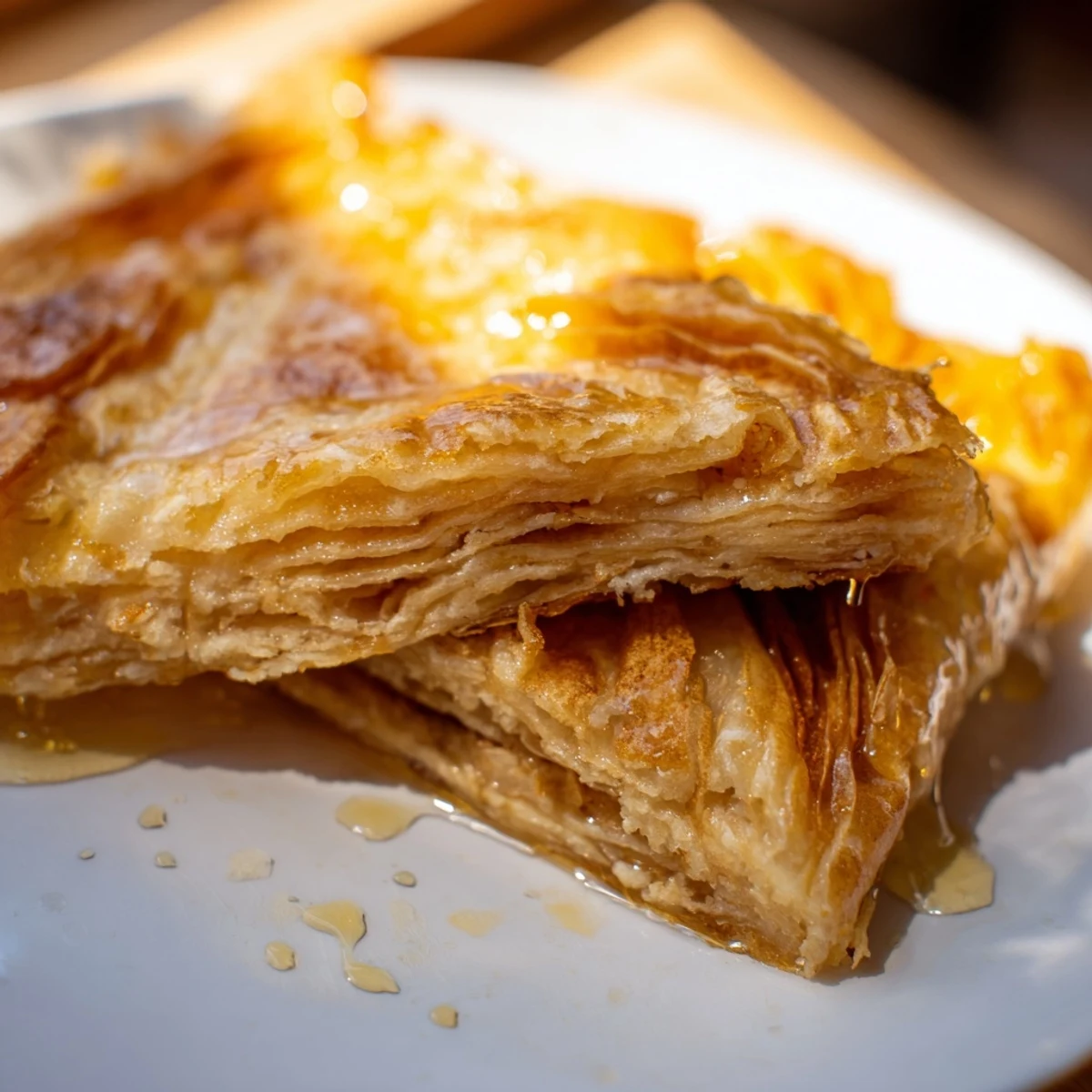
 There's something deeply satisfying about pulling apart those warm, buttery layers on a quiet morning, knowing you created something this beautiful with your own hands.
Recipe Questions
- → What makes Meloui different from regular pancakes?
-
Meloui features multiple flaky layers created through a unique folding technique with butter and semolina. Unlike standard pancakes, the dough is stretched extremely thin, folded, then flattened again before cooking, resulting in a crispy, buttery texture more akin to puff pastry than typical breakfast fare.
- → Can I prepare Meloui ahead of time?
-
Yes, you can refrigerate the folded squares overnight before cooking. Simply wrap them tightly and bring to room temperature before flattening and cooking. Cooked Meloui also stores well in airtight containers and reheats beautifully on a skillet for a quick breakfast.
- → What's the best way to serve Meloui?
-
Meloui shines when served warm with generous drizzles of honey, your favorite jam, or a dusting of powdered sugar. For an authentic Moroccan experience, pair with freshly brewed mint tea. The flaky layers are perfect for soaking up sweet toppings.
- → Why is my dough too sticky to work with?
-
If the dough feels sticky, lightly oil your hands and work surface rather than adding more flour, which can toughen the texture. The dough should be soft and smooth but not tacky. Letting it rest after mixing also makes it more manageable to stretch and fold.
- → Can I make Meloui without semolina?
-
Semolina provides essential texture and helps create the signature flaky layers. While you can substitute with additional flour, the traditional grainy texture and crunch will be missing. For the most authentic experience, use fine semolina as specified in the original method.
- → How thin should I stretch the dough?
-
Aim for almost transparency—you should nearly see through the dough when held against light. This thinness, combined with the butter and semolina layering, creates the delicate flaky structure that makes Meloui so special. Work gently and patiently to achieve the best results.