
 Save to Pinterest
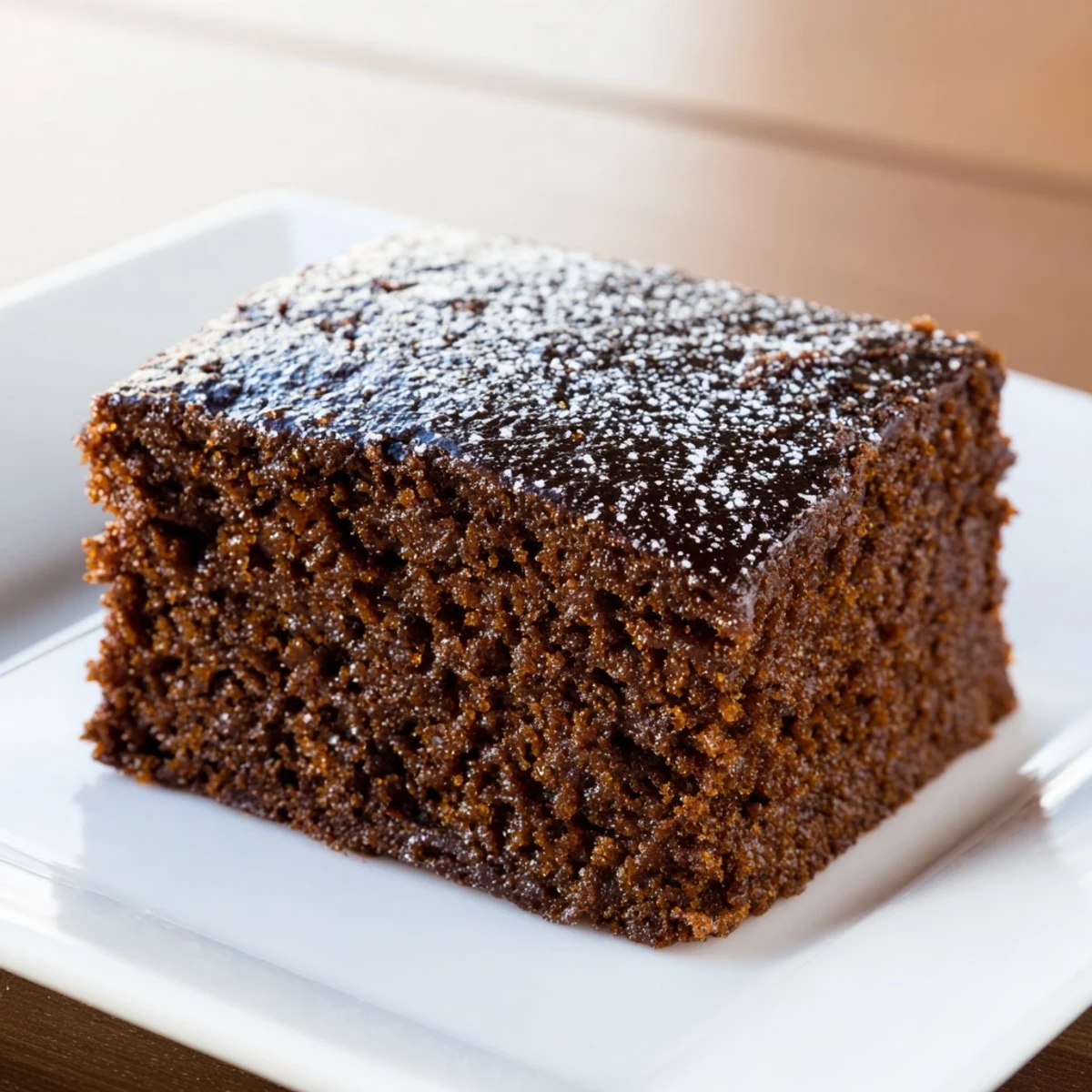
 This moist gingerbread cake blends ground ginger, cinnamon, cloves, and nutmeg with rich molasses for a warmly spiced treat. Creamed butter and brown sugar create a light, fluffy base that combines with a gentle balance of spices and hot water to produce a tender crumb. Baked until golden, it offers a comforting flavor profile perfect for chilly days or holiday celebrations. Enjoy plain or topped with powdered sugar, whipped cream, or vanilla ice cream for added indulgence.
The first time I made gingerbread from scratch, I wasn't thinking about tradition or holidays—I just wanted my kitchen to smell like something warm and alive. My grandmother had always kept a tin of store-bought gingerbread snaps on her shelf, but one November afternoon, I decided to try building the flavor from the ground up, mixing whole spices into butter and brown sugar. That first batch taught me something simple: homemade gingerbread isn't fussy; it just needs good molasses and the patience to let those spices sing.
I made this for my neighbor last winter after she'd helped us move boxes into our new place, and the moment she walked in smelling the molasses and cinnamon, her whole face softened. She sat at the kitchen counter eating a warm slice with a cup of tea, and we talked about nothing important—just the kind of conversation that happens when someone's tasting something that reminds them of comfort. That's when I knew this recipe was worth keeping.
Ingredients
- All-purpose flour: The foundation that keeps everything light; weighing it if you have a scale makes a real difference in consistency.
- Ground ginger, cinnamon, cloves, and nutmeg: These four spices are the whole heart of the cake—don't skip any or reach for old versions that have lost their punch.
- Unsalted butter and brown sugar: Creaming them together is the only moment that needs real attention; this gets your crumb tender.
- Unsulphured molasses: The deep, almost bitter molasses is what makes this taste like gingerbread and not just sweet cake—it matters more than you'd think.
- Hot water: This isn't a typo; the heat blooms your spices and keeps the cake moist without making it greasy.
- Baking soda and salt: These quiet ingredients react with the molasses to give you rise and balance.
Instructions
- Get your setup ready:
- Heat your oven to 350°F, grease your 9-inch square pan well, and line it with parchment paper so your cake lifts out clean. This small moment of prep means you're not scrambling later.
- Whisk your dry team:
- In a medium bowl, whisk together flour, ginger, cinnamon, cloves, nutmeg, salt, and baking soda until everything is evenly distributed. You'll smell the spices wake up as you whisk.
- Cream butter and sugar:
- In a large bowl, beat softened butter with packed brown sugar until the mixture looks pale and fluffy—this takes about 2 or 3 minutes with an electric mixer, longer by hand but equally good. This is where you're building the tender crumb of your finished cake.
- Bring in the egg and molasses:
- Beat in your room-temperature egg until combined, then pour in the molasses slowly, mixing until everything is smooth and dark. If it looks separated at first, keep mixing—it will come together.
- Fold in layers gently:
- Add about half your dry mixture to the wet ingredients, stir until just combined, then add about half your hot water, stir gently, and repeat with the remaining dry ingredients and water. Stop as soon as everything is mixed; overmixing makes the cake tough.
- Bake until set:
- Pour batter into your prepared pan, smooth the top, and bake for 30 to 35 minutes until a toothpick inserted in the center comes out clean. Your kitchen will smell incredible—try not to open the oven door more than once.
- Cool with intention:
- Let the cake rest in the pan for 10 minutes so it can set slightly, then turn it out onto a wire rack to cool completely. Eating it warm is tempting, but waiting lets the flavor deepen.
 Save to Pinterest
 There's a moment when everyone in the room goes quiet after that first bite—the molasses hits first, then the spices bloom across your tongue in a way that feels both gentle and alive. It's that quiet moment that makes you understand why people have been baking gingerbread for centuries.
The Molasses Question
Not all molasses tastes the same, and that matters more than most recipes admit. Unsulphured molasses has a deeper, less sharp flavor than the sulphured version, which can taste slightly metallic if you're paying attention. The first time I used the wrong kind, the cake tasted fine but missing something—almost like someone had turned down the volume. Now I read the label carefully, and it's become a small ritual that pays off every time.
Serving Your Cake
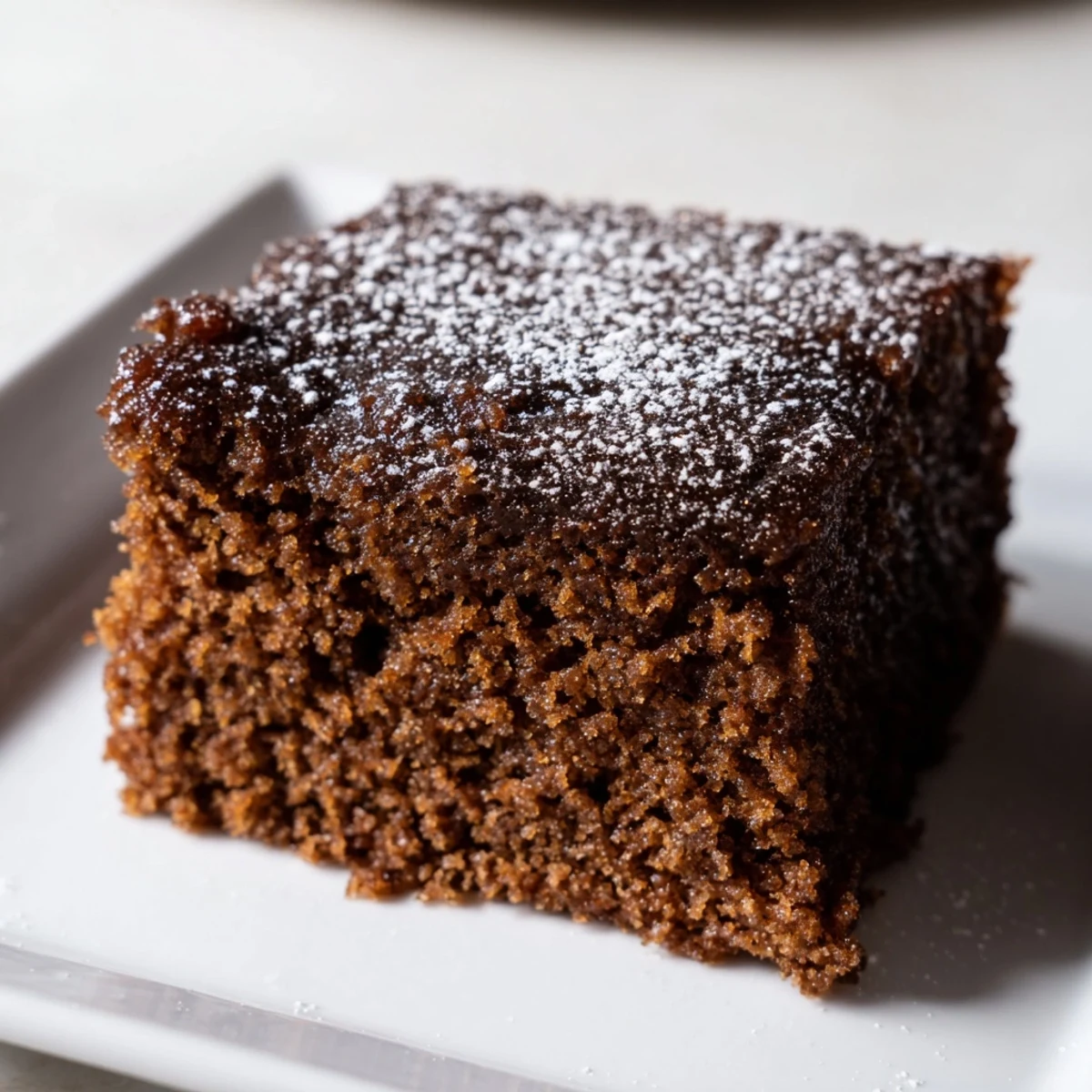
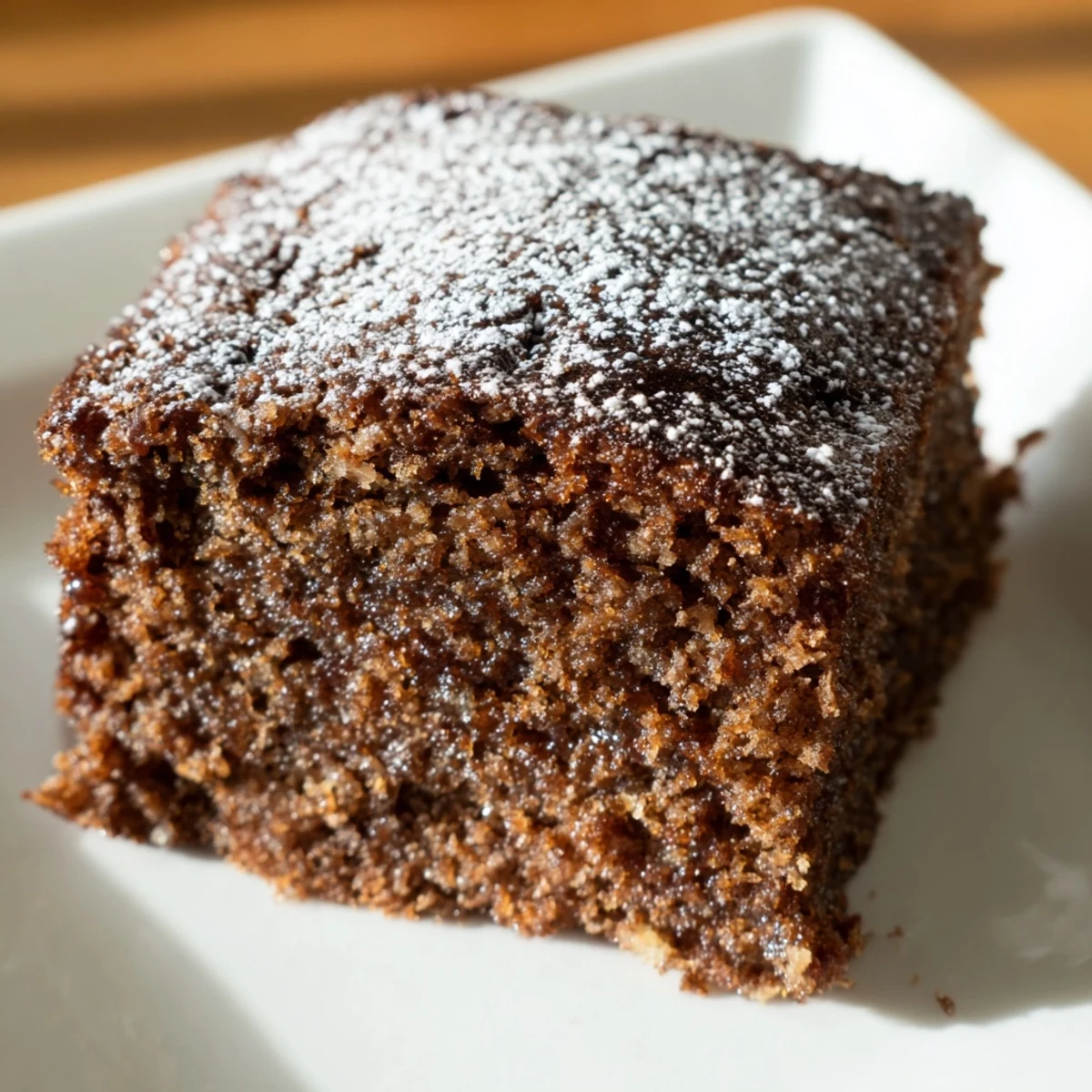
This gingerbread is wonderful on its own, but it transforms when you add something cold or light alongside it. A slice of vanilla ice cream melting into the warm spice is practically meditation; whipped cream makes it elegant; or just dust the top with powdered sugar for something that looks homemade and tastes like care.
Making It Your Own
The base recipe is solid, but this cake loves small additions that let you leave your fingerprint on it. A pinch of black pepper amplifies the warmth without announcing itself; chopped crystallized ginger adds brightness and texture; a splash of vanilla extract deepens everything. The beauty of gingerbread is that it's forgiving enough to experiment with, and confident enough to handle whatever you add.
- Make it a day ahead and the spices will deepen and marry together into something even better.
- Store it covered at room temperature and it stays moist for at least three days.
- You can freeze it wrapped tightly for up to three months if you want to make it ahead of the season.
 Save to Pinterest
 Gingerbread is the kind of cake that quietly becomes part of your rotation once you make it once—reliable, warming, and better than you expected. It asks almost nothing of you except a little attention while mixing, and it gives back comfort in every slice.
Recipe Questions
- → What spices are used in this gingerbread cake?
-
The cake features ground ginger, cinnamon, cloves, and nutmeg for a warmly spiced flavor profile.
- → How is the molasses used in the preparation?
-
Molasses is mixed with creamed butter, brown sugar, and an egg to create a smooth, rich batter that infuses the cake with deep flavor.
- → Can this cake be made ahead of time?
-
Yes, flavors deepen when made a day ahead, making it a convenient option for planning ahead.
- → What serving suggestions complement the cake?
-
Serve warm with powdered sugar, whipped cream, or vanilla ice cream to enhance the comforting taste.
- → Are there any allergen considerations?
-
This cake contains wheat gluten, egg, and dairy from butter. Check ingredient labels for hidden allergens.