
 Save to Pinterest
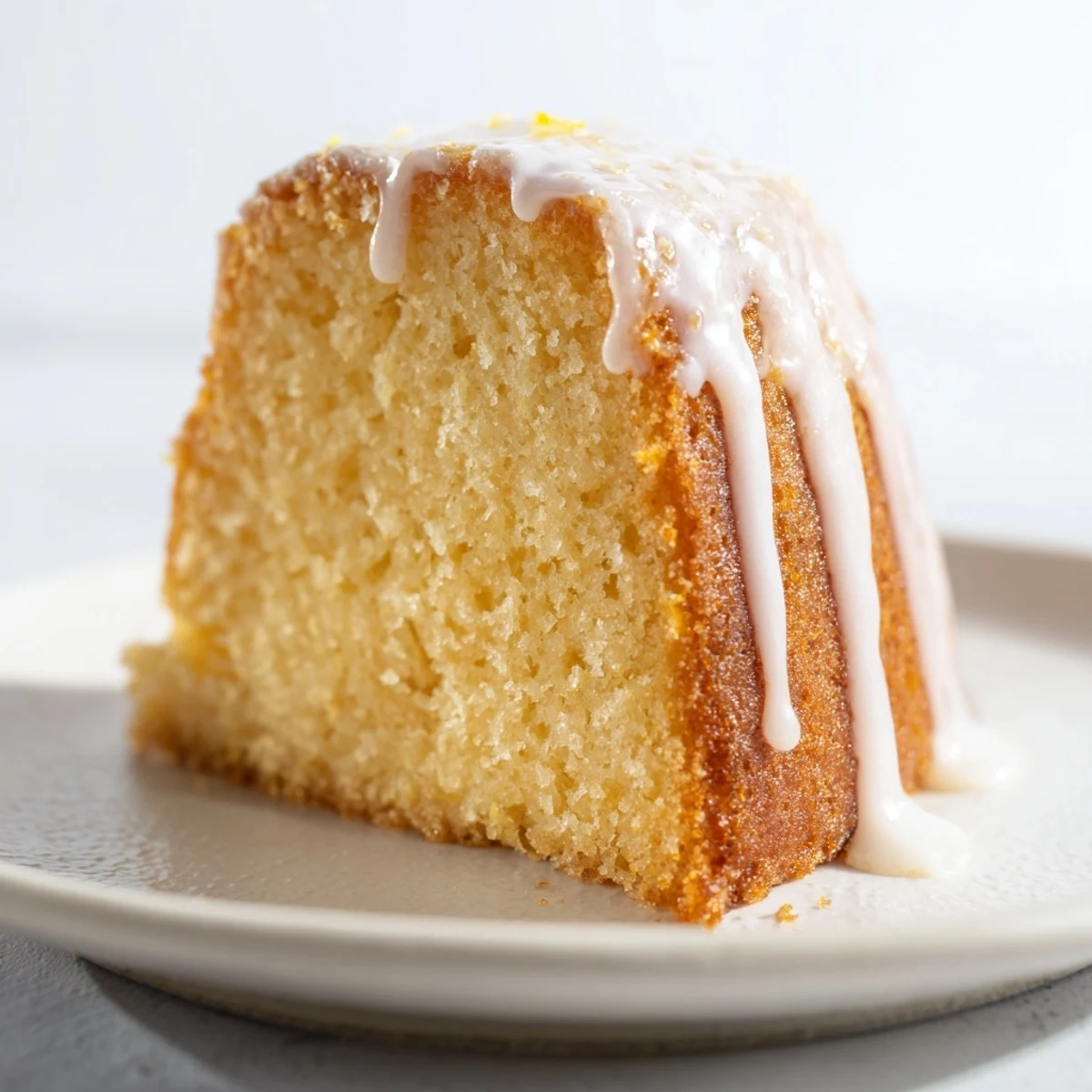
 This beloved gathering cake features a tender, moist vanilla sponge that's been shared at community events for generations. The straightforward batter comes together quickly with pantry staples, while the classic vanilla glaze adds just the right touch of sweetness. Perfect for feeding twelve people, this American dessert travels well and stays fresh longer than most cakes.
The beauty lies in its simplicity—no fancy techniques required, yet the result is consistently tender and flavorful. The buttermilk ensures exceptional moisture, while the straightforward method makes it accessible for bakers of any skill level. Whether for potlucks, brunches, or afternoon coffee, this crowd-pleasing cake delivers nostalgic comfort in every bite.
The first time I brought this cake to a Sunday potluck, three different people asked for the recipe before coffee service even ended. There is something about church kitchens that makes everything taste better, maybe it is the warmth of so many hands working together, or maybe it is just that food shared in fellowship hits different.
I learned this recipe from Mrs. Henderson who would bring it to every church function and birthday celebration. She told me the secret was room temperature ingredients and not overworking the batter, advice I have carried into every cake I have made since.
Ingredients
- All-purpose flour: The structure builder here, measure correctly by spooning into your cup and leveling off
- Baking powder and baking soda: Both work together for that beautiful rise
- Salt: Enhances all the flavors and balances sweetness
- Unsalted butter: Softened completely so it incorporates easily into the sugar
- Granulated sugar: Cream this thoroughly with butter for that tender crumb
- Large eggs: Also at room temperature helps them emulsify better
- Vanilla extract: Do not be shy with this, it is the soul of the cake
- Buttermilk: The acid reacts with baking soda for extra tenderness and moisture
- Powdered sugar: For the glaze, sift it first to avoid lumps
- Milk: Start with two tablespoons and add more to reach your desired consistency
Instructions
- Get your oven ready:
- Preheat to 350°F and grease a 9x13-inch pan really well, getting into all the corners
- Whisk the dry team:
- Combine flour, baking powder, baking soda, and salt in a bowl, set it aside
- Cream butter and sugar:
- Beat them together for a full 3 minutes until the mixture looks pale and fluffy
- Add the eggs:
- Drop them in one at a time, letting each one fully disappear before adding the next
- Bring it together:
- Alternate adding the flour mixture and buttermilk, starting and ending with flour, mixing until just combined
- Bake:
- Spread the batter evenly and bake for 30 to 35 minutes until a toothpick comes out clean
- Cool completely:
- Let it rest in the pan for 15 minutes then move to a wire rack
- Make the glaze:
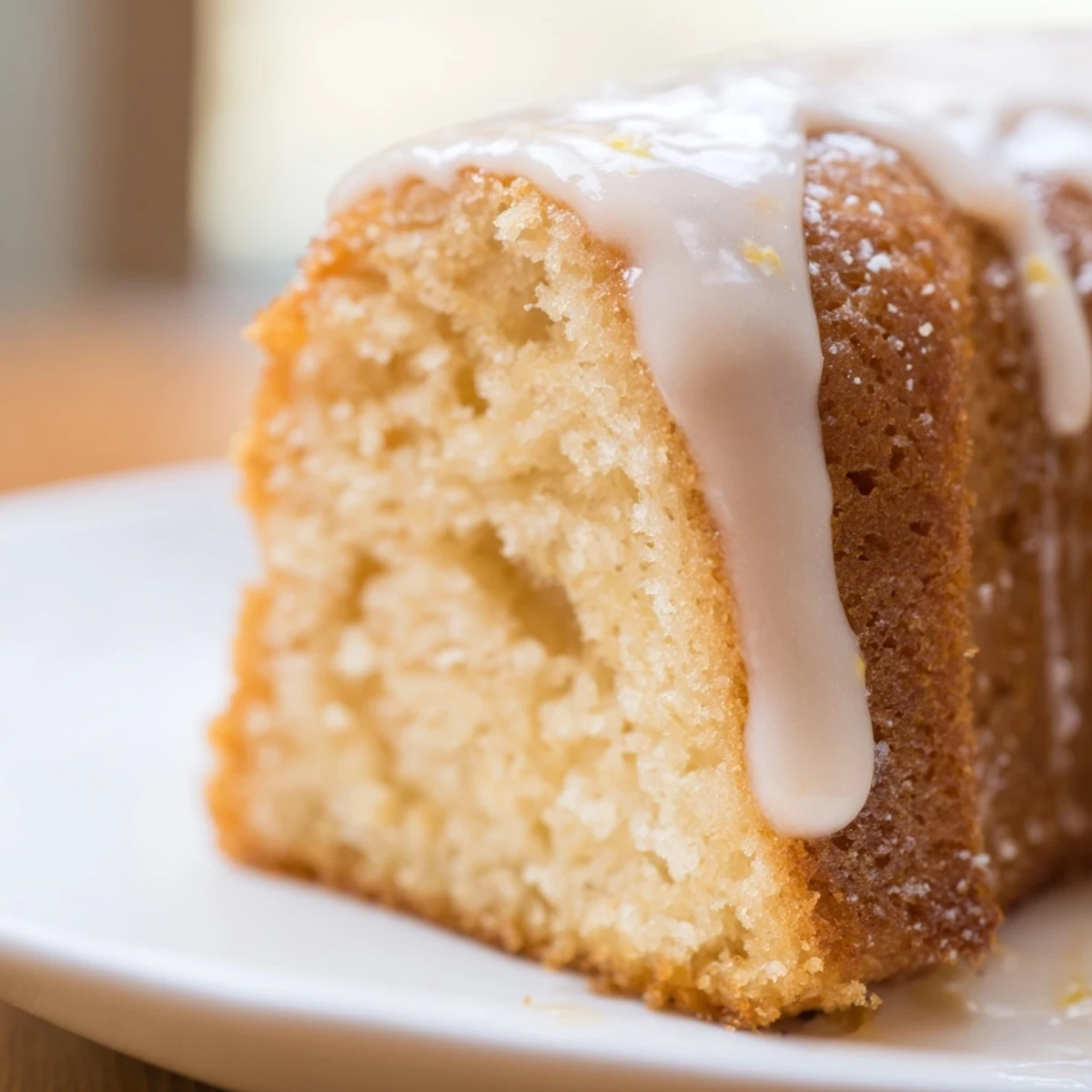
- Whisk powdered sugar, milk, and vanilla until smooth, then drizzle generously over the cooled cake
 Save to Pinterest
 This cake became our go-to for new neighbors, church suppers, and those Tuesday nights when nothing sounds better than something sweet with evening coffee. It is the kind of recipe that makes a house feel like home.
Making It Your Own
The beauty of this cake is how easily it adapts to whatever you are craving or have on hand. I have added lemon zest to the batter for spring gatherings and swapped in almond extract during winter holidays. The base recipe is forgiving enough that most additions work beautifully.
Serving Suggestions
This cake needs nothing more than a cup of coffee or tea, but I have served it with fresh berries in summer and warmed it slightly with a scoop of vanilla ice cream in colder months. At church functions, it is the first dessert to disappear every single time.
Storage and Make Ahead Tips
The cake keeps well covered at room temperature for up to three days, though in my house it rarely lasts past day two. You can bake it a day ahead, wrap it tightly, and add the glaze right before serving.
- Freeze the unglazed cake for up to three months
- Wrap individual slices for quick lunchbox treats
- Bring refrigerated cake to room temperature before serving
 Save to Pinterest
 There is something profoundly satisfying about a recipe that never fails you, that tastes like tradition and comfort with every bite. I hope this cake finds its way into your regular rotation, just like it did in mine.
Recipe Questions
- → Why is it called church cake?
-
This cake earned its name from generations of church gatherings, potlucks, and community events where home bakers would bring it to share. The straightforward ingredients and large yield made it practical for feeding crowds, while the simple vanilla flavor appealed to everyone.
- → How do I store this cake?
-
Keep the glazed cake covered at room temperature for up to three days. The glaze forms a slight protective layer that helps maintain moisture. For longer storage, refrigerate in an airtight container for up to a week, though bringing it to room temperature before serving yields the best texture.
- → Can I make this cake ahead of time?
-
Absolutely—the flavors actually develop better after resting. You can bake the cake up to two days ahead, cool completely, wrap tightly, and glaze before serving. Alternatively, freeze the unglazed baked cake for up to three months, then thaw and add fresh glaze when ready to serve.
- → What makes this cake so moist?
-
The combination of buttermilk and properly creamed butter creates exceptional tenderness. Buttermilk's acidity activates the baking soda for extra lift while breaking down gluten strands for a softer crumb. Creaming butter until light and fluffy incorporates air bubbles that keep the texture light.
- → Can I substitute the buttermilk?
-
If you lack buttermilk, place one tablespoon of lemon juice or white vinegar in a measuring cup, then add milk to reach one cup. Let it sit for five minutes until slightly thickened. This creates the necessary acidity for tenderizing and leavening, though true buttermilk yields the best results.
- → What pan works best for this cake?
-
A 9x13-inch rectangular pan creates the traditional shape and yields twelve generous portions. This size allows even baking while maintaining the ideal thickness for proper glaze coverage. Glass or metal pans both work well, though metal may bake slightly faster, so check for doneness a few minutes early.