
 Save to Pinterest
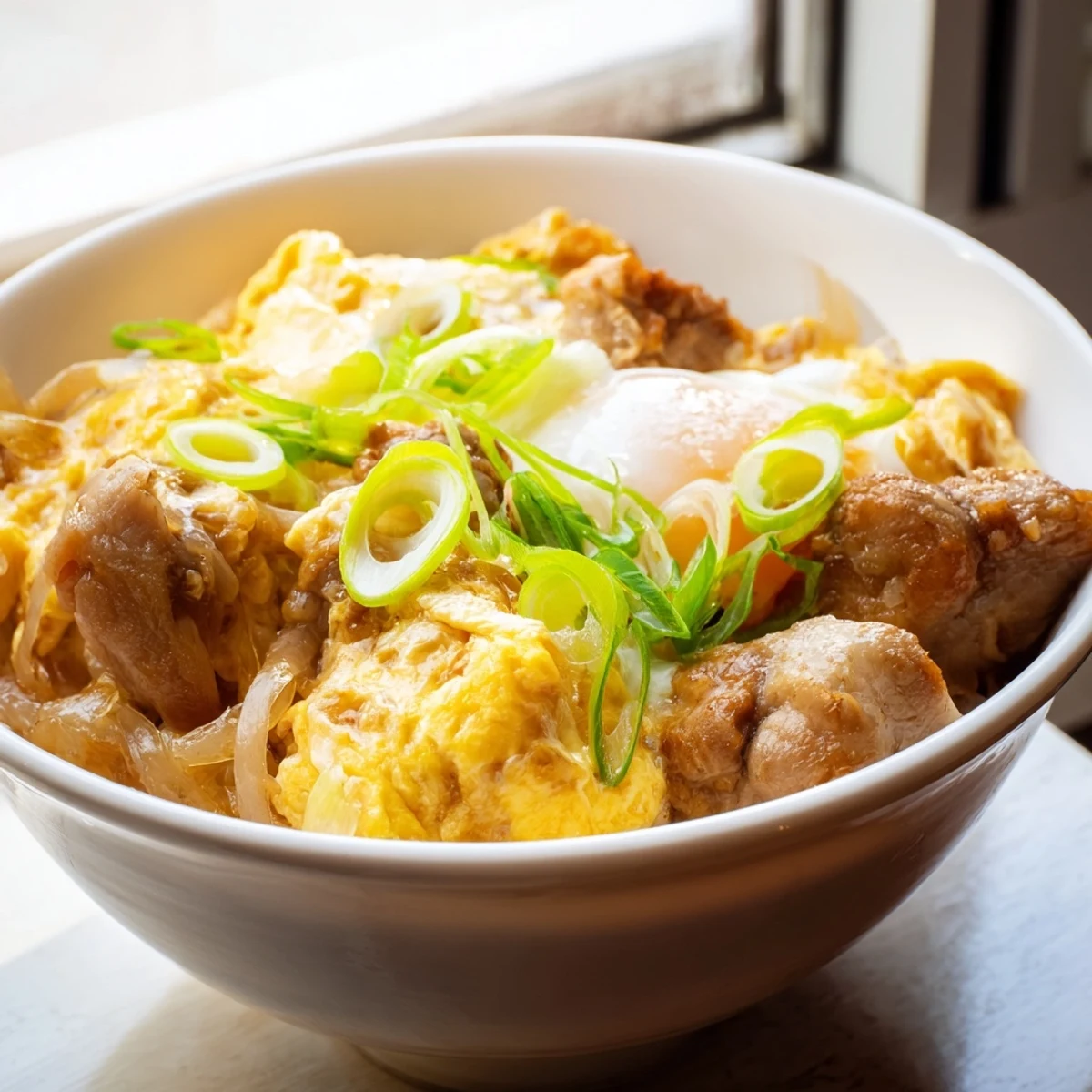
 Oyakodon brings together tender chicken thigh pieces and thinly sliced onions, gently simmered in a balanced dashi-based sauce with soy sauce, mirin, and sake. The mixture gets bound together with lightly beaten eggs that cook just until set, creating silky ribbons throughout. This comforting bowl is served immediately over hot Japanese short-grain rice, allowing the savory-sweet sauce to soak into the grains below.
I stumbled onto oyakodon during a particularly dreary rainy season in Tokyo, ducking into a tiny shop where the chef hummed while he cooked. That first steamy bowl—chicken and eggs in perfect harmony over rice—felt like a warm hug I desperately needed that afternoon.
Last winter I made this for my sister when she was recovering from surgery, and she actually stopped mid-bowl to tell me it was the most comforting thing shed eaten in weeks. Thats the power of this dish—it somehow manages to feel medicinal and indulgent all at once.
Ingredients
- 2 boneless skinless chicken thighs: Thighs stay juicy and tender unlike breast which can dry out during simmering
- 3 large eggs: Room temperature eggs will incorporate more evenly into the hot mixture
- 1 small onion: Thinly slice them so they soften properly in the sauce
- 2 spring onions: These add a fresh bite that cuts through the richness
- 120 ml dashi stock: This provides the essential umami backbone—chicken broth works but dashi is worth seeking out
- 2 tbsp soy sauce: Adjust based on your salt sensitivity and the brand you use
- 1 tbsp mirin: Adds a gentle sweetness that balances the soy
- 1 tbsp sake: Use a drinking-quality sake not cooking wine for better flavor
- 1 tsp sugar: This tiny amount makes all the difference in rounding out flavors
- 2 bowls cooked Japanese short-grain rice: The sticky texture is crucial—it holds the topping together perfectly
Instructions
- Mix the sauce:
- Whisk together dashi stock soy sauce mirin sake and sugar until the sugar completely dissolves
- Soften the onions:
- Heat your skillet over medium heat add the sliced onion and sauce mixture then simmer for 3–4 minutes until the onion is translucent and fragrant
- Cook the chicken:
- Add the chicken pieces cover the pan and simmer for 6–8 minutes turning once until cooked through
- Add the eggs:
- Lightly beat the eggs then pour them evenly over the chicken and onion cover and cook just 1–2 minutes until barely set
- Assemble the bowls:
- Divide hot rice between two bowls and gently slide the chicken and egg mixture on top
- Garnish and serve:
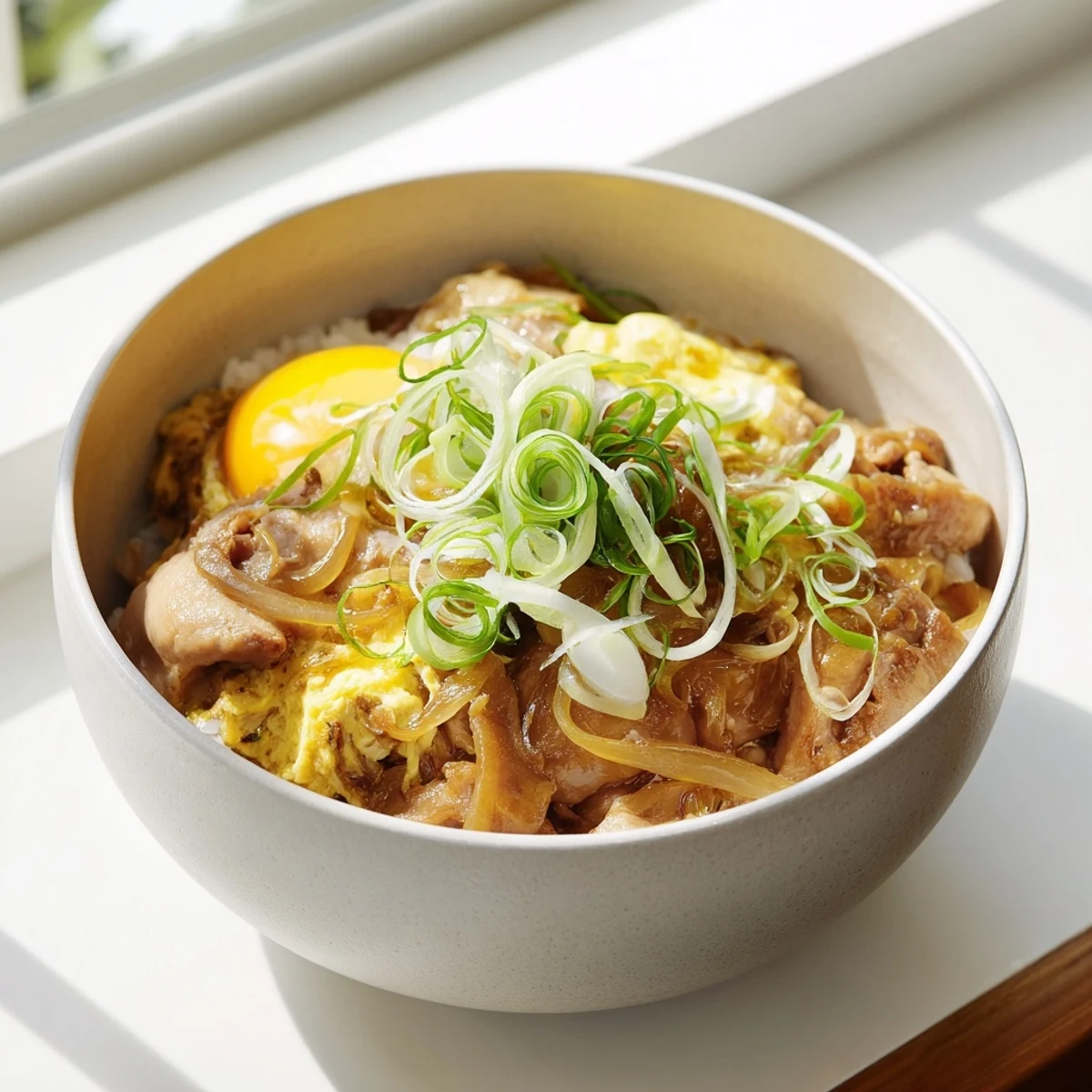
- Sprinkle with sliced spring onions and serve immediately while the eggs are still silky
 Save to Pinterest
 My friend Yuki taught me that oyakodon translates to parent and child bowl which I found simultaneously poetic and slightly unsettling until she explained its about the chicken and egg being served together. Now that little fact makes me smile every time I make it.
Getting That Perfect Egg Texture
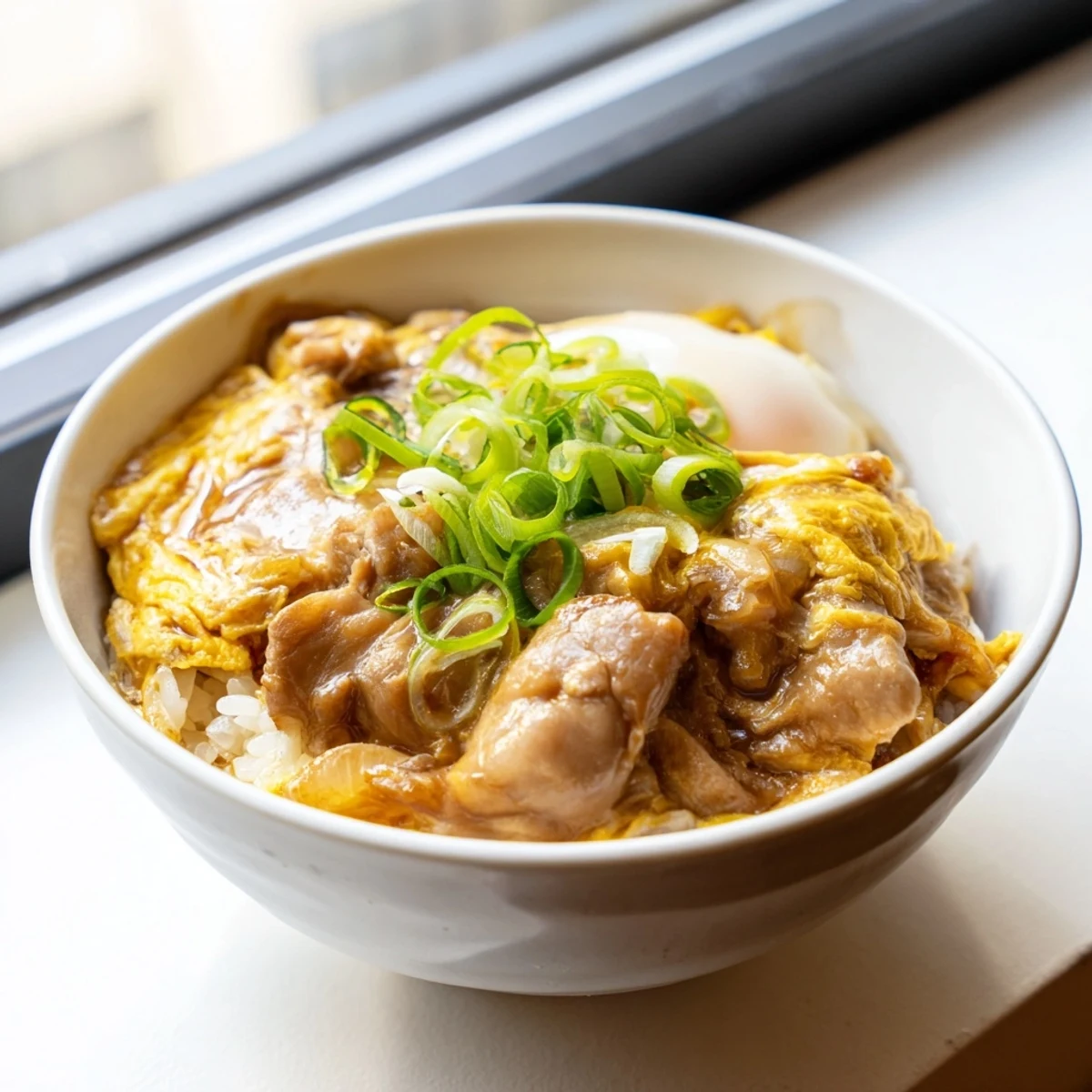
Ive learned that pouring the eggs in a slow circular motion rather than all at once helps them distribute more evenly. Also resist the urge to stir—letting them steam undisturbed creates those beautiful silky ribbons that make this dish so special.
Rice That Holds It All Together
Using freshly cooked rice that still has some moisture is essential because it helps absorb some of that flavorful sauce. If your rice is too dry the topping will just slide right off instead of melding into each bite.
Make It Your Own
Sometimes I add a handful of mitsuba or spinach leaves during the last minute of cooking for extra color and nutrients. You can also swap in tofu for a vegetarian version though youll want to adjust the cooking time accordingly.
- Try adding a dash of shichimi togarashi if you like a little heat
- A drizzle of sesame oil right before serving adds wonderful nuttiness
- Leftovers reheat surprisingly well in the microwave with a splash of water
 Save to Pinterest
 Theres something almost meditative about the simple rhythm of this dish and the way it fills the kitchen with such a comforting aroma. I hope it brings you the same warmth it brought me on that rainy Tokyo afternoon.
Recipe Questions
- → What does oyakodon mean?
-
Oyakodon translates to "parent-and-child bowl" in Japanese, referring to the combination of chicken (the parent) and eggs (the child) served together over rice.
- → Can I use chicken breast instead of thighs?
-
Yes, chicken breast works well as a leaner alternative. Cut it into similar bite-sized pieces, though reduce simmering time slightly to prevent drying since breast cooks faster than thighs.
- → What can I substitute for dashi stock?
-
Low-sodium chicken broth makes an excellent substitute for dashi stock. Vegetable broth also works if you prefer a lighter flavor, though it will slightly alter the traditional taste profile.
- → How runny should the eggs be?
-
The eggs should be just set but still slightly creamy and soft. They continue cooking from residual heat after removing from the pan, so pull them off when they look slightly underdone for the perfect silky texture.
- → Is this dish gluten-free?
-
Traditional oyakodon contains soy sauce which typically includes wheat. To make it gluten-free, use tamari or a certified gluten-free soy sauce alternative, and verify that your mirin and sake are gluten-free.
- → Can I make this ahead?
-
Oyakodon is best served immediately while the eggs are perfectly silky and the rice is hot. The texture of eggs changes upon reheating, so prepare fresh portions right before serving for optimal results.