
 Save to Pinterest
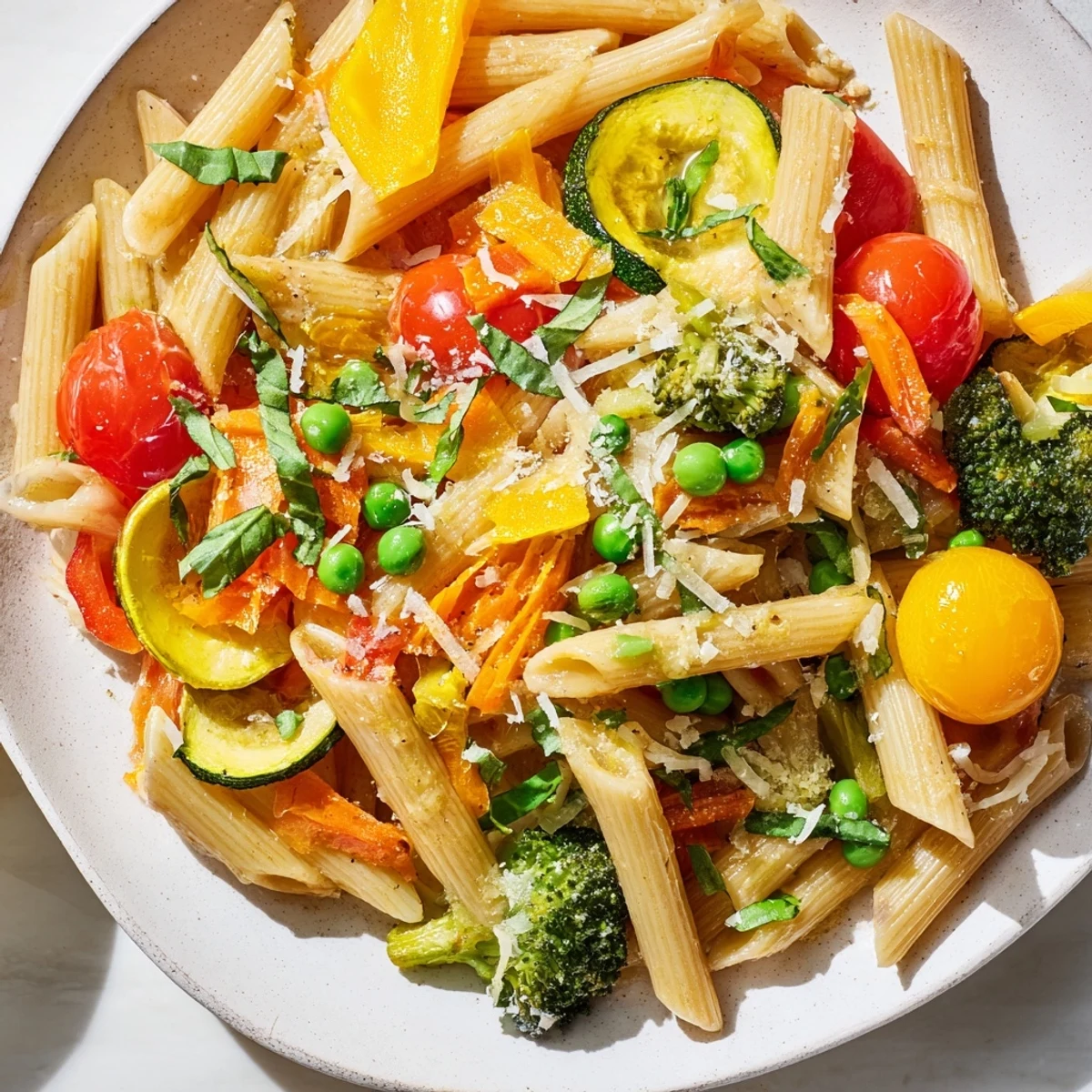
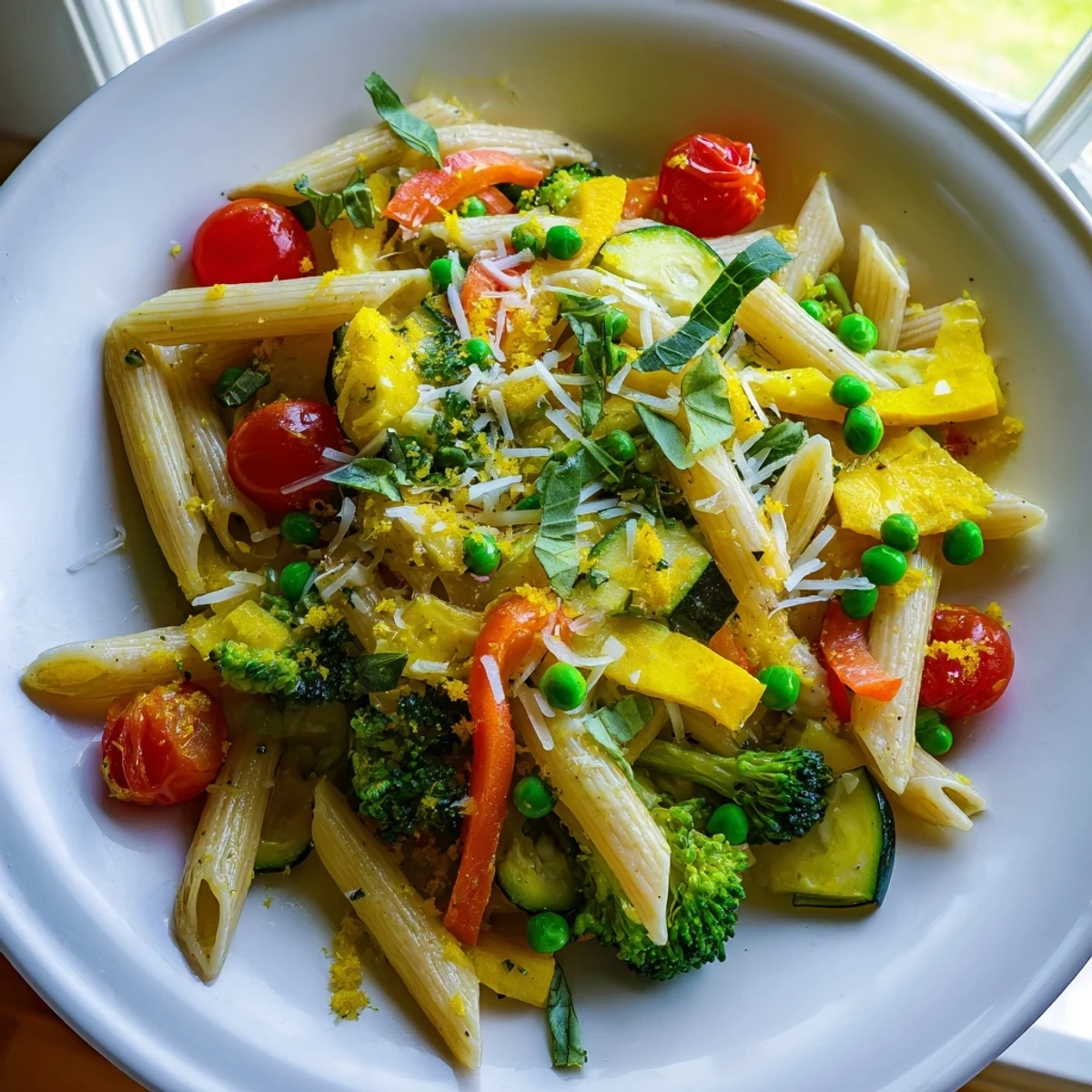
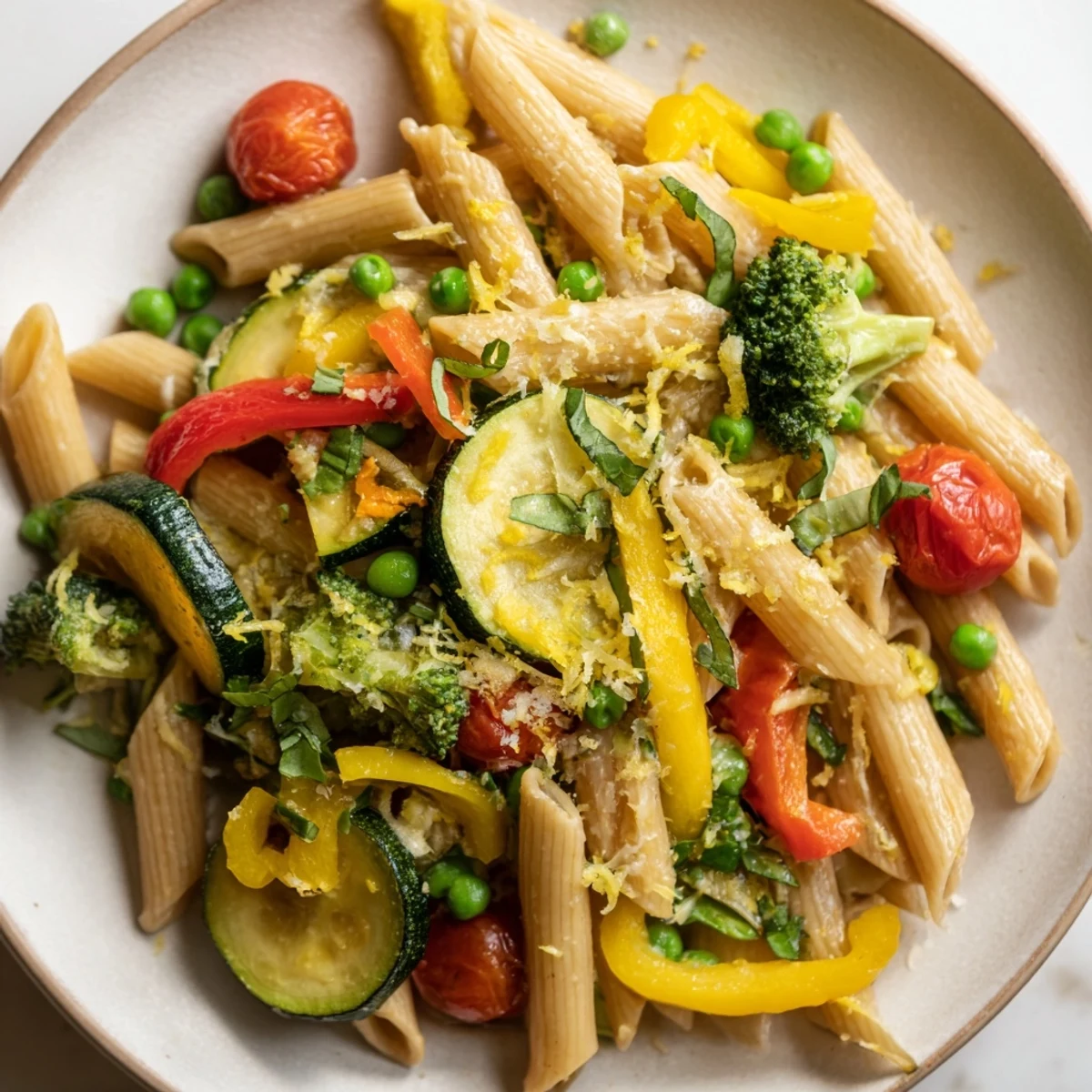
 This classic Italian pasta primavera brings together al dente penne or fusilli with a vibrant medley of seasonal vegetables including zucchini, yellow squash, red bell peppers, broccoli, and cherry tomatoes. The dish comes together in just 40 minutes, making it perfect for busy weeknight dinners.
What makes this version special is the bright, light sauce made from extra virgin olive oil, fresh lemon juice and zest, garlic, and Parmesan cheese. The pasta water creates a silky coating that clings to each piece of pasta while letting the vegetables shine.
This vegetarian main serves four generously and can easily be adapted with whatever vegetables you have on hand. Add grilled chicken or shrimp if you want extra protein, or keep it plant-based with dairy-free Parmesan alternative.
My roommate Sophia used to make this on Tuesday nights when our tiny apartment needed cheering up. Something about all those colors in the skillet made everything feel okay again, even during exam weeks or rainy months when the windows fogged up from steam and laughter.
I made this for my sister when she announced she was going vegetarian, and she actually cried because she thought shed never enjoy pasta night again. We ate on the back porch with mismatched bowls and a bottle of cheap white wine, and she made me promise to write down exactly how I did it.
Ingredients
- 350 g penne or fusilli pasta: The ridges catch the light sauce and vegetable pieces, though any short pasta works if thats what you have in the pantry
- 1 small zucchini, sliced into half-moons: Dont slice these too thin or theyll disappear into the dish, and nobody wants to hunt for their vegetables
- 1 small yellow squash, sliced into half-moons: Use the same thickness as your zucchini so everything cooks at the same rate and looks pretty on the plate
- 1 red bell pepper, sliced into thin strips: The sweetness here balances the lemon and adds that gorgeous red color that makes the whole dish pop
- 1 cup broccoli florets: Cut these into bite sized pieces so theyre easier to eat and cook through without getting mushy
- 1 cup cherry tomatoes, halved: These burst slightly when you toss them with hot pasta, creating little pockets of juicy brightness
- 1/2 cup frozen peas, thawed: Even if you think you hate peas, try them here, they add sweetness and pops of green color
- 2 cloves garlic, minced: Fresh minced garlic makes a difference, dont use the jarred stuff here, you can taste the difference
- 1 small carrot, julienned: This adds subtle sweetness and crunch that most people cant identify but notice when its missing
- 3 tbsp extra virgin olive oil: This carries all the flavors and creates that silky mouthfeel that makes restaurant pasta so good
- 1/4 cup grated Parmesan cheese: Save some extra for serving because everyone always wants more cheese on top
- 1/4 cup chopped fresh basil: Tearing this by hand releases more oils than chopping with a knife, and it feels more satisfying
- Zest of 1 lemon: Use a microplane if you have one, it catches only the bright yellow part and leaves behind the bitter white pith
- Juice of 1/2 lemon: Add this gradually and taste as you go, too much acid can make the whole dish taste sharp instead of bright
- Salt and freshly ground black pepper: Season at every stage, salting the pasta water, the vegetables, and the final dish, each layer matters
- Pinch of red pepper flakes: Even if you dont like spicy food, this tiny amount adds depth without real heat
Instructions
- Get your pasta water going first:
- Bring a large pot of salted water to boil, then cook pasta until al dente, which usually means a minute less than the package says, and definitely save that half cup of starchy cooking water before draining
- Warm the olive oil and wake up the garlic:
- Heat the oil in your biggest skillet over medium heat, add the minced garlic, and watch carefully for thirty seconds until you can smell it, because burned garlic tastes bitter and ruins everything
- Start with the hard vegetables:
- Add the carrot strips, bell pepper, and broccoli to the skillet, stir frequently for about three minutes, and youll see them brighten in color while softening just slightly
- Add the softer vegetables:
- Toss in the zucchini, yellow squash, and peas, cook for another four or five minutes, and stop when theyre tender but still hold their shape, because nobody wants soggy squash
- Finish with tomatoes and citrus:
- Stir in the cherry tomatoes, lemon zest, and lemon juice, sauté for just two minutes more, and watch how the tomatoes start to glisten and soften without falling apart
- Bring it all together:
- Add the drained pasta right into the skillet, toss everything together like youre serving at a restaurant, and splash in some of that reserved pasta water if it looks dry instead of saucey
- Add the finishing touches:
- Remove the skillet from heat, stir in the Parmesan and fresh basil, season generously with salt, pepper, and red pepper flakes, and taste it before serving to adjust anything that needs balancing
- Serve it while its hot:
- Put everything in bowls and pass extra Parmesan around the table because people will want to add more, and maybe scatter a few fresh basil leaves on top if you want it to look fancy
 Save to Pinterest
 This became my go to dinner when I moved into my first apartment and had to prove to myself I could cook like an adult without burning down the kitchen. Now whenever I make it for friends, someone always asks for the recipe, and I get to tell them about Sophias Tuesday night tradition.
Making It Your Own
Ive discovered that asparagus works beautifully in place of broccoli during spring, and fresh corn cut from the cob is amazing in late summer. The vegetables that looked best at the farmers market are usually the ones that taste best in this dish, so let the season guide you instead of following the ingredient list exactly.
The Protein Question
My carnivore brother actually prefers this without meat now, but if you need something more substantial, grilled chicken strips or sautéed shrimp work perfectly. Just cook your protein separately and fold it in at the end so it doesnt get lost among all the vegetables.
Leftovers And Make Ahead Tips
This reheats surprisingly well for a vegetable pasta, though the texture is best when fresh. If youre planning to eat this throughout the week, cook the pasta and vegetables separately and combine them just before serving with a splash of olive oil to refresh everything.
- The pasta will absorb all the liquid overnight, so keep a little extra olive oil or pasta water on hand for reheating
- Cherry tomatoes can get weirdly soft after refrigeration, so if you meal prep, add them fresh when you reheat each portion
- Basil turns dark in the fridge, so scatter fresh leaves on top instead of stirring them in when youre making this ahead
 Save to Pinterest
 I hope this brings as much color and comfort to your table as it has to mine over the years. Some recipes are just meant to be shared.
Recipe Questions
- → What vegetables work best in pasta primavera?
-
Classic spring vegetables like zucchini, yellow squash, bell peppers, broccoli florets, and cherry tomatoes work beautifully. You can also add asparagus, snap peas, or carrots. The key is to cut vegetables into similar sizes so they cook evenly and maintain their vibrant colors.
- → How do I keep vegetables crisp-tender in pasta primavera?
-
Cook vegetables in stages, starting with harder ones like carrots and broccoli that need more time. Add softer vegetables like zucchini and squash later, then finish with delicate cherry tomatoes. Sauté over medium heat and stop cooking while vegetables still have some crunch.
- → What's the secret to the creamy sauce without heavy cream?
-
The reserved pasta water is key - its starch creates a silky emulsion when tossed with olive oil and Parmesan. The lemon adds brightness while the cheese provides savory depth. This technique delivers a light coating sauce that's rich without being heavy.
- → Can I make pasta primavera ahead of time?
-
It's best served immediately while the pasta retains its texture and vegetables stay crisp. If you need to prep ahead, cook the vegetables and pasta separately, then combine just before serving with a splash of pasta water to refresh the sauce.
- → What pasta shapes work well for primavera?
-
Penne, fusilli, and rotini are excellent choices because their ridges and curves catch the sauce and small vegetable pieces. Farfalle and gemelli also work beautifully. Avoid long strands like spaghetti, as the vegetables tend to slide off.
- → How can I add protein to make it more filling?
-
Grilled chicken breast, sautéed shrimp, or crispy pancetta make excellent additions. For vegetarian protein, stir in white beans, chickpeas, or dollop with ricotta cheese. Add protein during the last few minutes so it warms through without overcooking.