
 Save to Pinterest
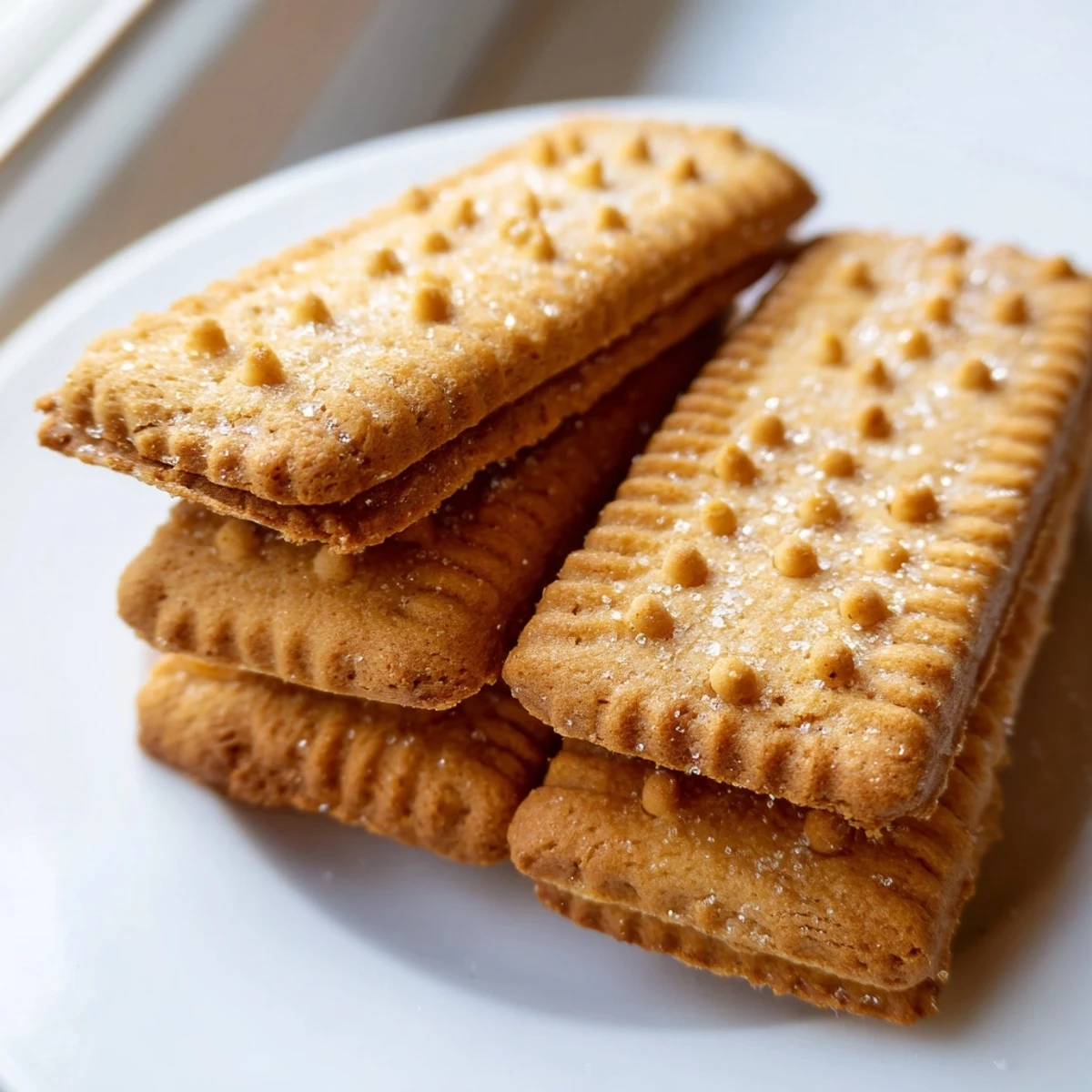
 Le petit beurre est un biscuit français emblématique, reconnaissable à sa forme rectangulaire cannelée et ses piqûres caractéristiques. Doré et croustillant, il est préparé à partir d'une pâte simple à la farine, au beurre doux et à la vanille.
Avec seulement 20 minutes de préparation et 12 minutes de cuisson, ces biscuits se conservent jusqu'à deux semaines dans une boîte hermétique. Parfaits pour le goûter ou pour accompagner une tasse de thé ou de café.
Faciles à réaliser et personnalisables avec des zestes de citron ou un enrobage au chocolat, ils plairont à toute la famille.
The afternoon I burned through three batches of petit beurre trying to get that perfect golden edge, my grandmother watched from her kitchen chair and laughed, calling my jagged attempts charming. She then showed me her secret: pressing the fork holes in a deliberate pattern, not randomly, so the biscuits bake evenly and develop those crisp little dimples that hold your tea just right. These buttery, gently sweet French biscuits have been my quiet ritual ever since, a small act of patience that fills the kitchen with warmth.
I packed a tin of these for a weekend trip to the countryside, and by the second morning they had disappeared completely, leaving only a scattering of crumbs on the cabin table and a note from my friend asking for the recipe.
Ingredients
- Flour (200 g): Regular all purpose flour gives the biscuit its tender snap, so do not reach for bread flour here.
- Sugar (100 g): Granulated sugar melts into the warm butter mixture and creates a delicate sweetness without making the dough sticky.
- Unsalted butter (100 g): Good butter is the backbone of this recipe, so use the freshest you can find because there is nowhere for the flavor to hide.
- Whole milk (50 ml): A splash of whole milk softens the dough just enough to roll without cracking at the edges.
- Baking powder (5 g): Half a packet gives the slightest lift so the biscuits are crisp rather than brick hard.
- Salt (1 pinch): Salt sharpens the butter flavor and balances the sugar perfectly.
- Vanilla bean (1 pod): Split the pod and scrape the seeds into the warm butter for those tiny dark flecks that make each biscuit feel special.
Instructions
- Melt and blend:
- Gently warm the butter with the milk in a small saucepan until the butter is just melted, then stir in the sugar and scraped vanilla seeds until the mixture looks smooth and fragrant.
- Cool the mixture:
- Let the butter mixture sit until it is warm rather than hot to the touch, because overheated liquid will cook the flour and leave you with a greasy dough.
- Bring the dough together:
- Pour the cooled liquid into a large bowl, add the flour, baking powder, and salt, then stir with a wooden spoon until the dough pulls away from the sides and feels soft and pliable.
- Rest in the cold:
- Shape the dough into a round ball, wrap it tightly in cling film, and let it sleep in the refrigerator for one full hour so the butter firms up and the dough becomes easy to roll.
- Roll and cut:
- Preheat your oven to 180 degrees, then roll the chilled dough on a lightly floured surface until it is about three millimeters thick, and cut rectangles with a fluted cutter for that classic petit beurre look.
- Prick and bake:
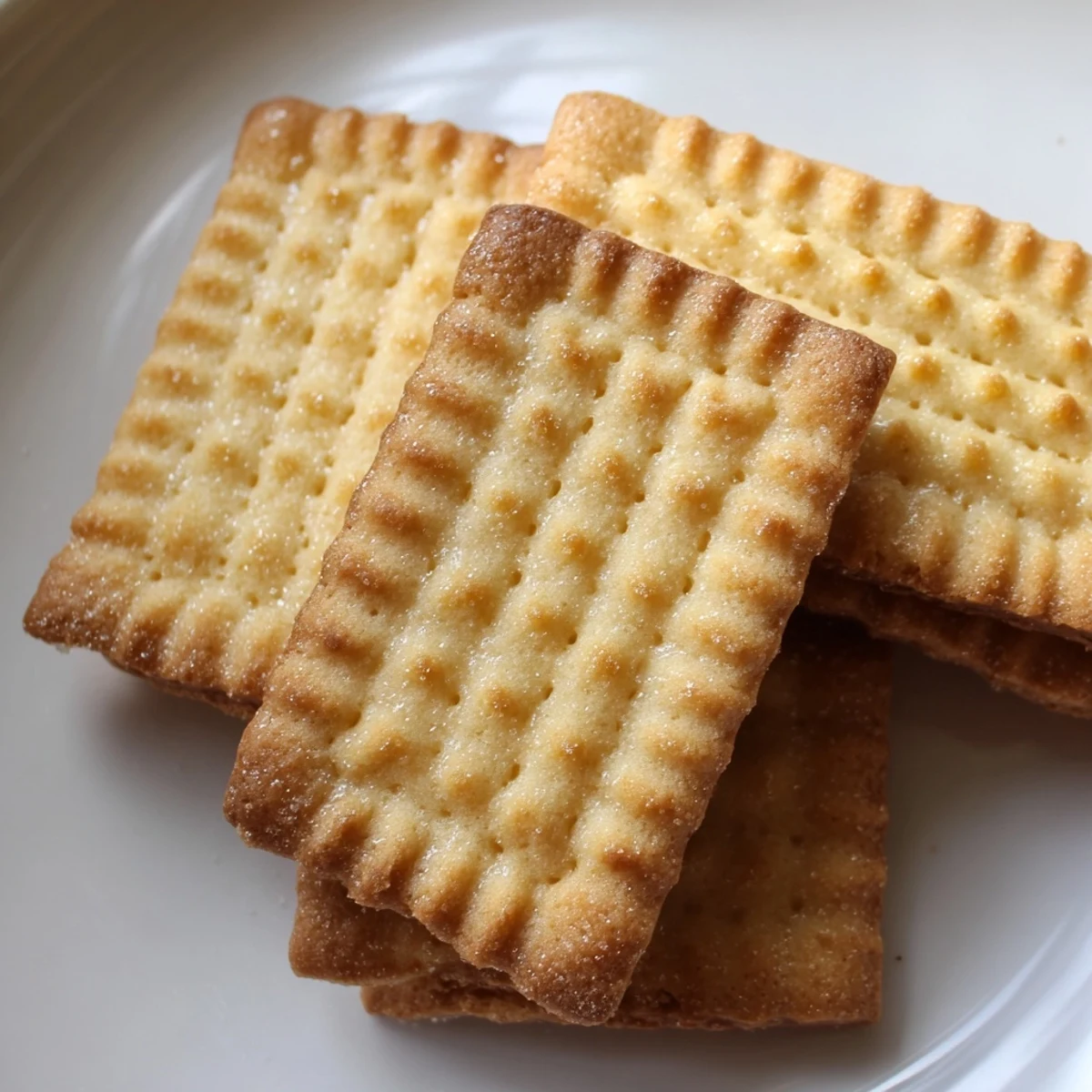
- Arrange the biscuits on a lined baking sheet, press the tines of a fork gently into each one in neat rows, and bake for twelve minutes until the edges turn a warm honey gold.
- Cool completely:
- Transfer the biscuits to a wire rack and resist the urge to eat them warm, because they crisp up beautifully as they cool and develop the texture that makes them so addictive.
 Save to Pinterest
 The tin I use to store these biscuits once belonged to my grandmother, and every time I lift the lid the smell of butter and vanilla transports me straight back to her tiled kitchen on a Sunday morning.
A Few Ways to Make Them Your Own
A tablespoon of finely grated lemon zest folded into the dough gives the biscuits a brightness that pairs beautifully with earl grey tea. You can also melt dark chocolate and dip half of each cooled biscuit, then let them set on parchment paper for a simple but elegant variation that looks like it came from a Parisian patisserie.
Storage and Freshness
Layer the completely cooled biscuits in an airtight tin with a sheet of parchment between each layer to keep them from sticking together. They will stay crisp for up to two weeks, though in my experience they rarely last that long because someone always finds the tin.
What to Watch For
A few small details make the difference between a good petit beurre and a great one, and most of them come down to temperature and patience.
- Always measure the flour by weight rather than volume for consistent results.
- Let the biscuits cool fully before storing or trapped steam will soften them.
- Use the freshest butter you can find because it is the star ingredient.
 Save to Pinterest
 Keep a tin of these tucked away and you will always have a small, buttery reason to put the kettle on and slow down for a moment.
Recipe Questions
- → Pourquoi faut-il laisser reposer la pâte au réfrigérateur ?
-
Le repos d'une heure au frais permet au beurre de se solidifier, ce qui rend la pâte plus facile à étaler et à découper. Cela empêche également les biscuits de s'étaler à la cuisson et garantit une texture croustillante.
- → Comment obtenir des biscuits bien réguliers ?
-
Utilisez un emporte-pièce rectangulaire cannelé, traditionnel pour les petits beurre. Étalez la pâte sur une épaisseur uniforme de 3 à 4 mm et découpez les formes rapprochées pour limiter les chutes.
- → Peut-on remplacer le beurre doux par du beurre salé ?
-
Oui, vous pouvez utiliser du beurre demi-sel ou salé. Dans ce cas, réduisez ou supprimez la pincée de sel indiquée dans les ingrédients pour éviter un résultat trop salé.
- → Comment conserver les petits beurre ?
-
Placez-les dans une boîte hermétique à température ambiante, à l'abri de l'humidité. Ils se conservent ainsi une à deux semaines en gardant leur croustillant.
- → Pourquoi piquer les biscuits avec une fourchette ?
-
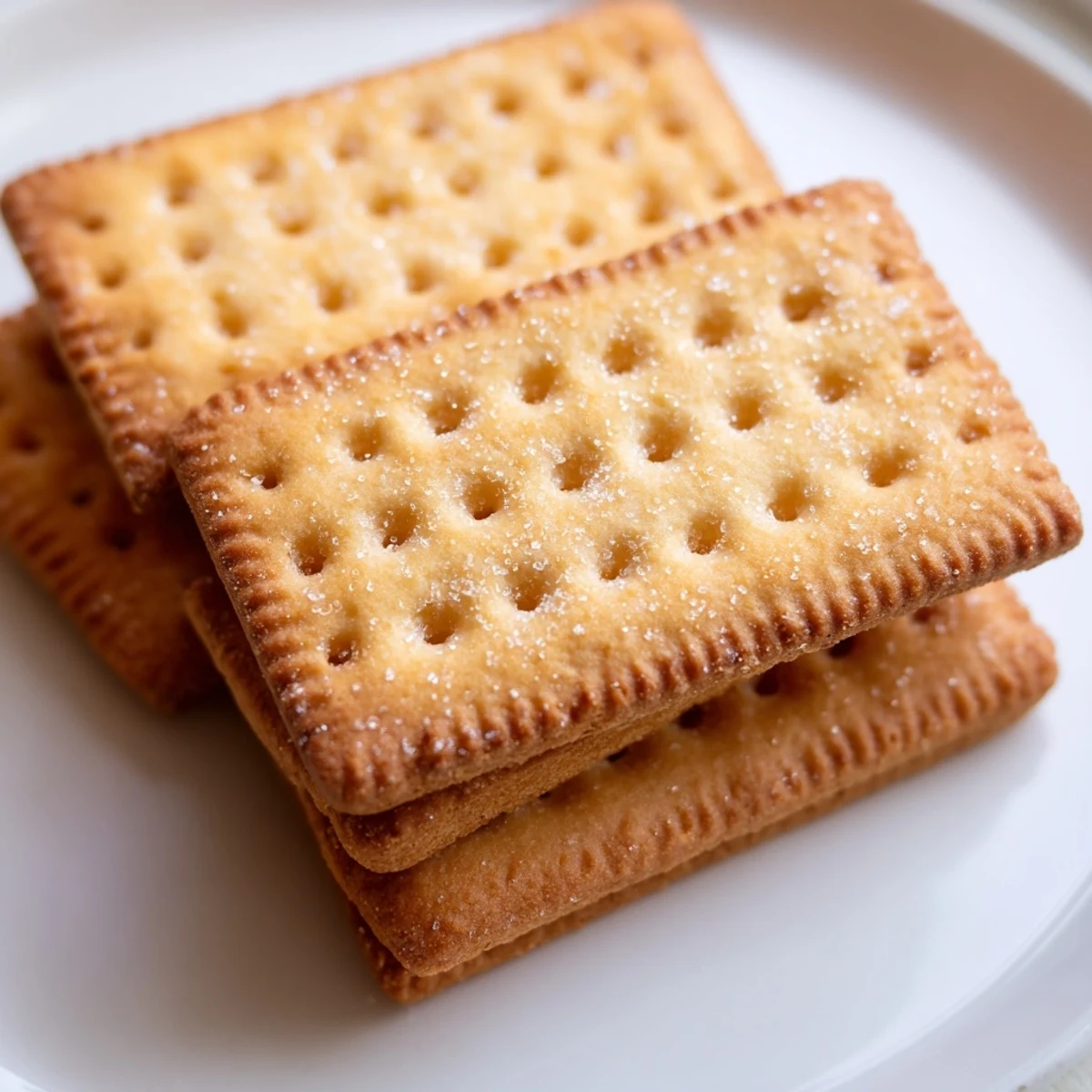
Les piqûres permettent à la vapeur de s'échapper pendant la cuisson, évitant que les biscuits ne gonflent ou ne se déforment. C'est également ce qui donne aux petits beurre leur aspect traditionnel et reconnaissable.
- → Comment personnaliser ces biscuits ?
-
Vous pouvez ajouter une cuillère à soupe de zestes de citron à la pâte pour un parfum agrumé, ou tremper la moitié des biscuits refroidis dans du chocolat fondu pour une version encore plus gourmande.