
 Save to Pinterest
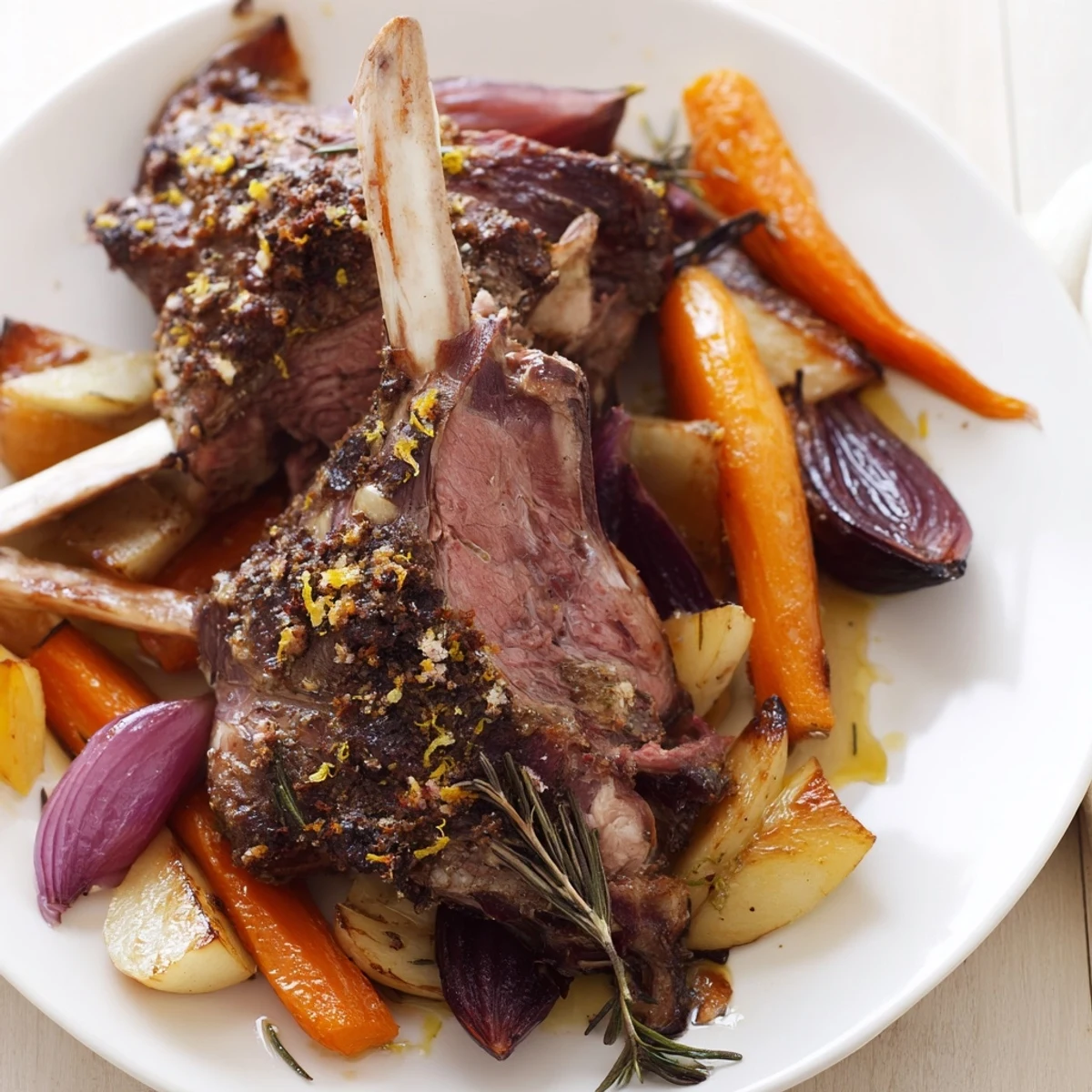
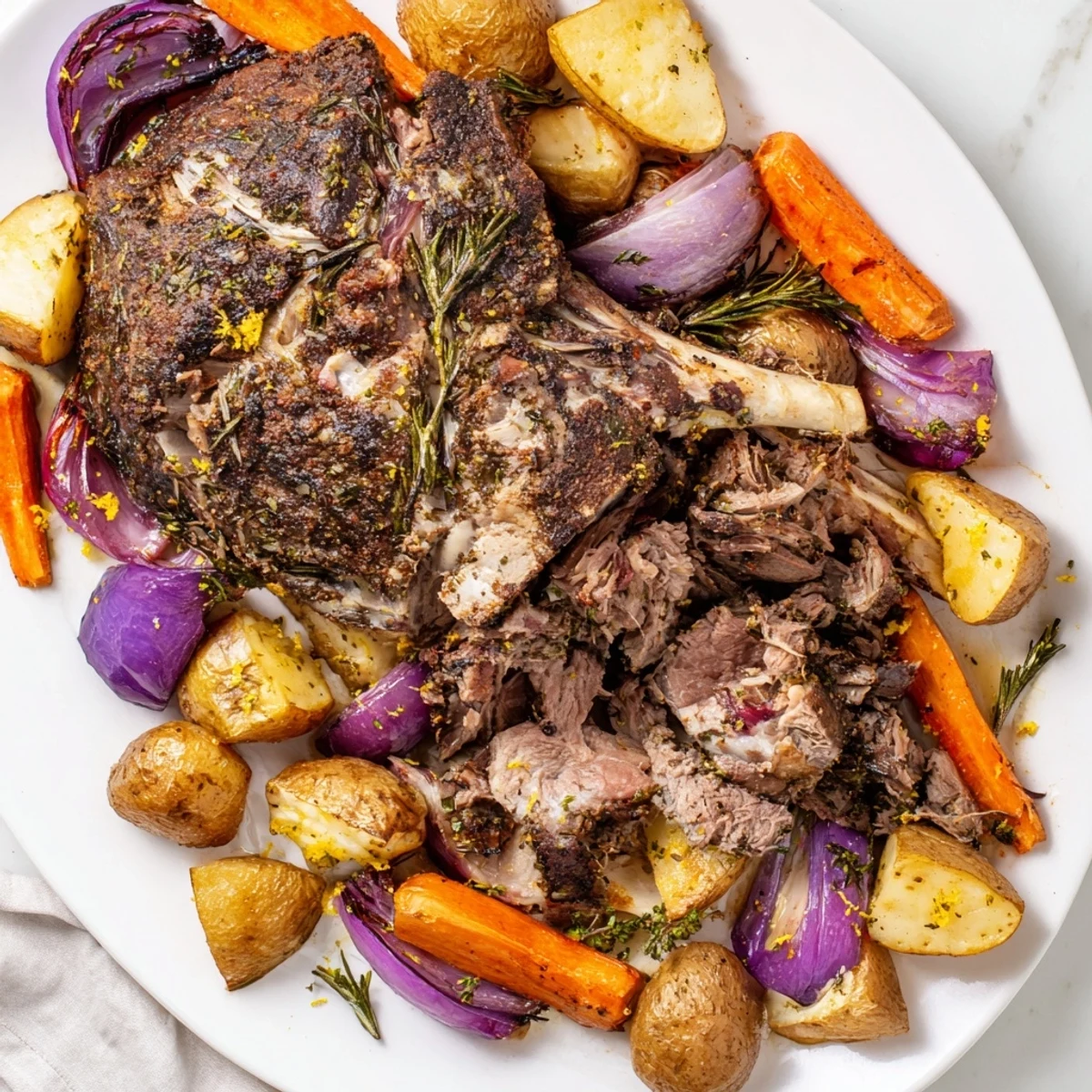
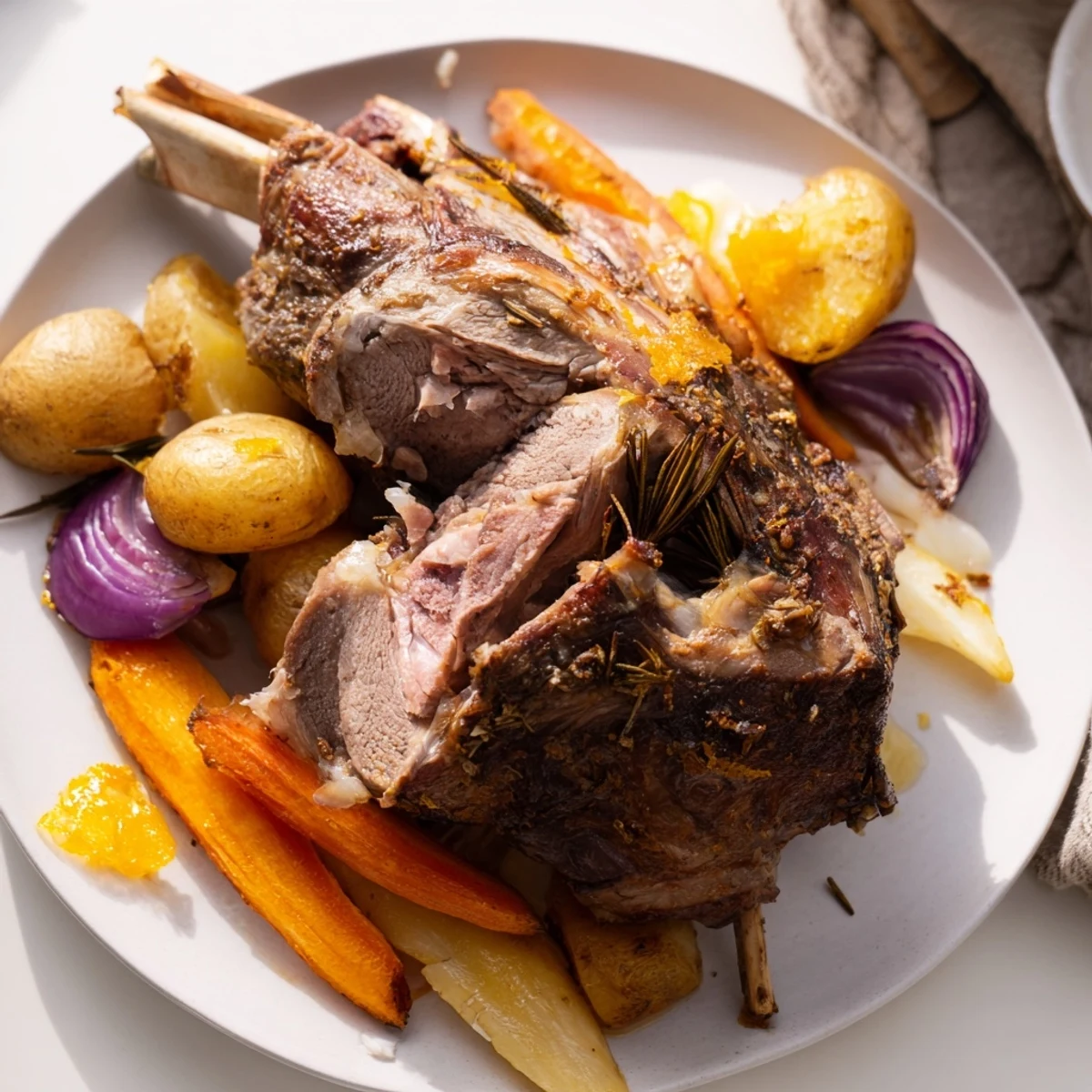
 This dish features a bone-in lamb shoulder slow-roasted at low temperature, seasoned with olive oil, fresh herbs, garlic, and lemon zest. Root vegetables including carrots, parsnips, onions, and baby potatoes are cooked alongside, infused with pan juices for rich flavor. The lamb is roasted covered, then uncovered to brown deeply before resting to ensure juiciness. Ideal for a comforting Mediterranean-style main, it pairs beautifully with robust red wine and offers a hearty, naturally gluten-free option for six servings.
There's something about the smell of lamb roasting with rosemary that stops time in a kitchen. Years ago, a friend invited me to Sunday dinner and served this—a massive shoulder emerging from the oven, golden and glistening, surrounded by vegetables that had absorbed every bit of that savory magic. I spent half the meal asking questions and the other half just eating in grateful silence. Now it's become my go-to when I want to impress people without spending the whole day cooking.
I made this for my parents last winter when they came to visit, and my dad—who's picky about meat—went back for seconds. He spent twenty minutes talking about how tender it was, which honestly meant more to me than any compliment about anything else I've ever cooked. That's when I realized this recipe wasn't just about technique; it was about creating a moment where people feel cared for.
Ingredients
- Lamb shoulder (2.5–3 kg bone-in): The bone keeps everything moist and adds flavor as it roasts; don't skip it even if boneless seems easier.
- Olive oil: Use decent oil—it becomes part of the sauce, so cheap oil tastes cheap.
- Fresh rosemary and thyme: Dried herbs will work in a pinch, but fresh herbs create that fragrant crust that makes people ask what smells so good.
- Garlic, minced: The garlic softens and sweetens as it roasts, infusing everything with gentle flavor instead of sharpness.
- Root vegetables (carrots, parsnips, potatoes, onions): These aren't sides; they're flavor companions that soak up the lamb's richness and become caramelized treasures.
- Dry white wine or chicken stock: Wine adds depth and a subtle tang that balances the richness of the meat.
- Lemon zest and juice: This cuts through the heaviness and brightens the entire dish with just a hint of acid.
Instructions
- Set your oven and prep the lamb:
- Preheat to 170°C (340°F) and pat your lamb completely dry—moisture is the enemy of browning. This matters more than you'd think.
- Create the herb crust:
- Mix the minced garlic, rosemary, and thyme with olive oil into a paste, then massage it all over the lamb like you're giving it a spa treatment. Don't be shy; every bit of this becomes flavor.
- Arrange everything in the pan:
- Place the lamb in your roasting pan and scatter the chunked vegetables around it. Drizzle the vegetables with oil and season them—they need their own seasoning, not just the lamb's.
- Add liquid and brightness:
- Pour the wine or stock into the pan (not over the lamb), then zest the lemon directly over everything and squeeze the juice around the pan. This liquid becomes your sauce.
- The long, gentle roast:
- Cover tightly with foil and roast for 2 hours. The foil traps steam and keeps everything moist while the meat becomes impossibly tender. Don't peek too much; every time you open the oven, heat escapes.
- Finish with color:
- Remove the foil, baste everything with the pan juices (this is when the kitchen smells absolutely incredible), and return uncovered for 30 minutes. The lamb should turn deep mahogany brown and the vegetables should have caramelized edges.
- Rest before carving:
- Let it rest for 15 minutes loosely covered. This sounds optional but it's not—the meat stays juicier and easier to slice when it's had a moment to relax.
 Save to Pinterest
 The first time someone asked for the recipe, I realized I'd created something that mattered—not just food, but a memory they wanted to recreate in their own kitchen. That's when cooking stopped being about following instructions and became about passing something forward.
The Wine Choice Matters
A good dry white wine adds complexity that chicken stock simply can't match—something almost floral and mineral that echoes through the entire dish. If you're not sure what to buy, ask someone at the wine shop for a crisp white that's food-friendly; you're not trying to impress anyone with the bottle, just build better flavor. You can always substitute stock if wine isn't your thing, but if you can use wine, do.
Vegetable Variations and Substitutions
Root vegetables are flexible—this is one of the beautiful things about this recipe. Sweet potatoes add sweetness and a different texture, turnips bring earthy bitterness that's strangely perfect, and even Brussels sprouts (halved and tossed in during the last 45 minutes) work beautifully. The key is keeping pieces roughly the same size so they finish cooking at the same time as the lamb.
Serving and Leftovers
Serve this with crusty bread to soak up the pan juices, or with something simple like a green salad to balance the richness. The leftovers—if there are any—shred beautifully into a salad the next day or get reheated gently for a completely different meal. Save every drop of that pan juice; it's liquid gold.
- Pair with a robust red wine like Syrah or Cabernet Sauvignon for a meal that feels truly special.
- If you're marinating the lamb overnight with herbs and garlic, you can skip the herb rub step the next day—just pat it dry and roast.
- Aluminum foil is your friend here; don't try to cover the pan with a lid, as it won't seal properly and steam will escape.
 Save to Pinterest
 This recipe has earned its place in my regular rotation because it delivers every single time, and it tastes like you care. Make it once and you'll understand why.
Recipe Questions
- → What cuts of lamb work best for this preparation?
-
A bone-in lamb shoulder is preferred for its rich flavor and tenderness after slow roasting. It maintains moisture well during long cooking.
- → Can I substitute the root vegetables?
-
Yes, sweet potatoes or turnips can replace or complement carrots and parsnips to vary the flavor and texture.
- → Why is the lamb roasted covered then uncovered?
-
Roasting covered locks in moisture and heat for tender meat, while uncovering at the end allows the surface to brown and crisp.
- → How can I enhance the flavor before cooking?
-
Marinating the lamb overnight with olive oil, herbs, and garlic deepens the flavor and helps tenderize the meat.
- → What are good beverage pairings for this dish?
-
Robust red wines like Syrah or Cabernet Sauvignon complement the rich lamb and herbaceous notes perfectly.