
 Save to Pinterest
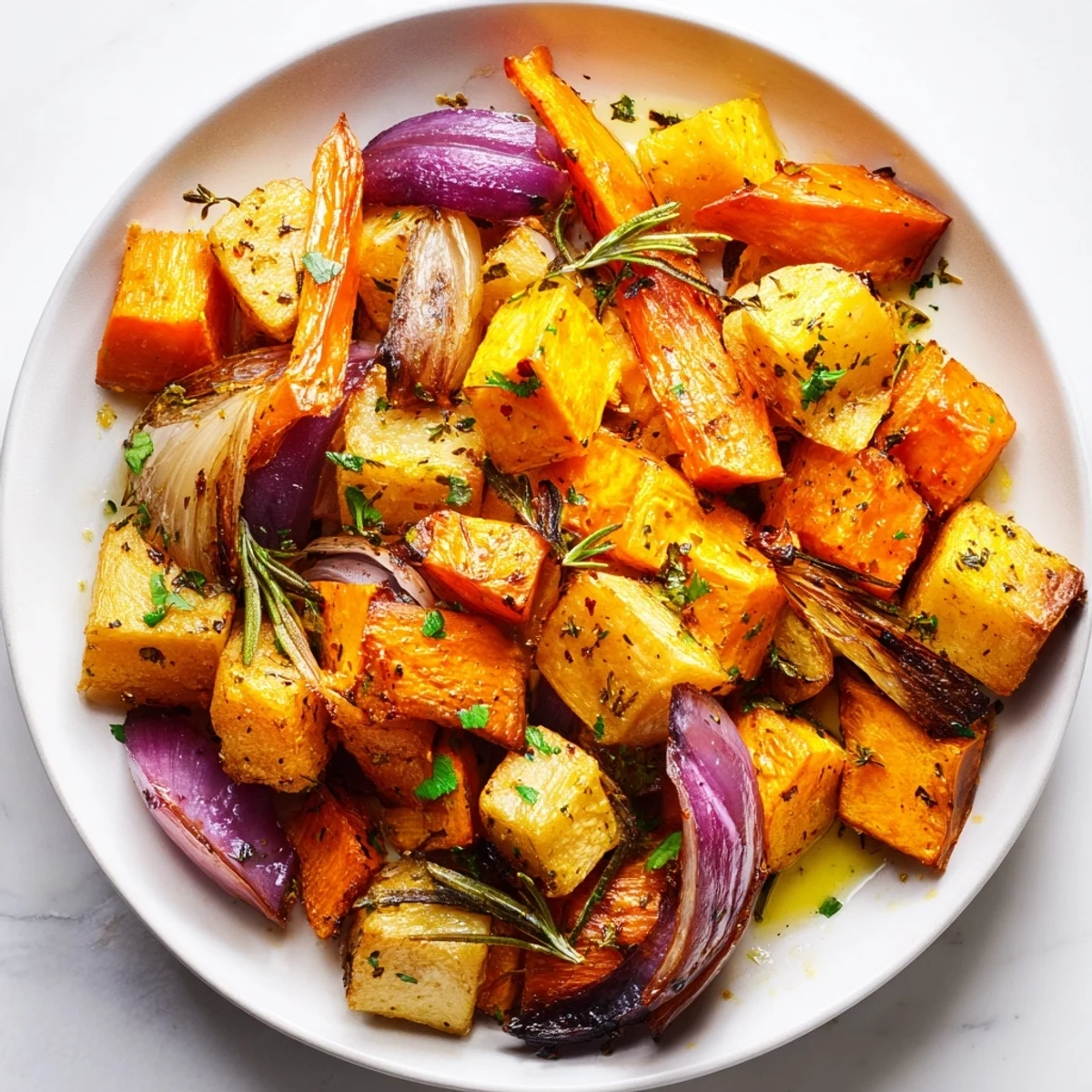
 This dish features a colorful mix of carrots, parsnips, sweet potato, rutabaga, and red onion, all coated in olive oil and layered with fresh rosemary, thyme, garlic, salt, and pepper. Roasted at a high temperature until tender and golden, it delivers a harmonious blend of earthy sweetness and herbaceous notes. Garnished with parsley and lemon zest, it pairs well with a variety of meals and provides a satisfying, warm side.
There's something about autumn that makes me crave the smell of root vegetables caramelizing in the oven. I was standing in my kitchen on a crisp October afternoon, staring at a farmers market haul of carrots, parsnips, and golden beets, when it hit me—what if I roasted them all together with rosemary and thyme? That first batch came out of the oven and the kitchen filled with this warm, almost honeyed aroma that made everyone pause and ask what was cooking.
I made this for my sister last winter when she was visiting and suddenly craving comfort food. She watched the vegetables go in looking like rough, humble chunks, then gasped when I pulled out the tray forty minutes later, all edges golden and caramelized. She admitted she'd always thought root vegetables were boring—not anymore.
Ingredients
- Carrots: Choose medium ones with smooth skin; they soften beautifully and their natural sugars concentrate during roasting.
- Parsnips: These add a subtle sweetness and nutty flavor that deepens as they cook.
- Sweet potato: I prefer the orange flesh variety for its creamy texture and gorgeous color on the plate.
- Rutabaga or turnip: Either works; turnips are milder and more delicate if you prefer.
- Red onion: The red varieties hold their color and turn jammy when roasted, adding depth without sharpness.
- Olive oil: Good quality matters here since it's one of the few ingredients—it carries the heat and helps everything crisp.
- Sea salt and black pepper: Freshly ground pepper makes a real difference in the final taste.
- Fresh rosemary and thyme: Dried herbs work in a pinch, but fresh herbs release their oils as vegetables cook, infusing everything more evenly.
- Garlic: Mince it finely so it distributes throughout and doesn't burn.
- Parsley and lemon zest: These garnishes brighten the dish right before serving and feel like a little celebration.
Instructions
- Heat your oven and prepare:
- Preheat to 425°F. This temperature is hot enough to caramelize the vegetables without drying them out.
- Cut everything the same size:
- Aim for roughly 1-inch chunks so everything cooks at the same pace. Uneven pieces will leave some vegetables mushy while others are still hard.
- Combine and coat:
- Toss all vegetables in a large bowl with olive oil until every piece glistens. This is when you see how the oil clings to each vegetable, promising that golden exterior.
- Season generously:
- Add salt, pepper, rosemary, thyme, and minced garlic, then toss again. The herbs should be distributed throughout, not clumped in one spot.
- Spread in a single layer:
- Line a baking sheet with parchment paper and arrange vegetables in one layer with minimal overlap. They need room to caramelize, not steam.
- Roast and stir:
- Roast for 35 to 40 minutes, stirring halfway through the cooking time. You'll know they're done when the edges are deep golden and a fork slides through easily.
- Finish and serve:
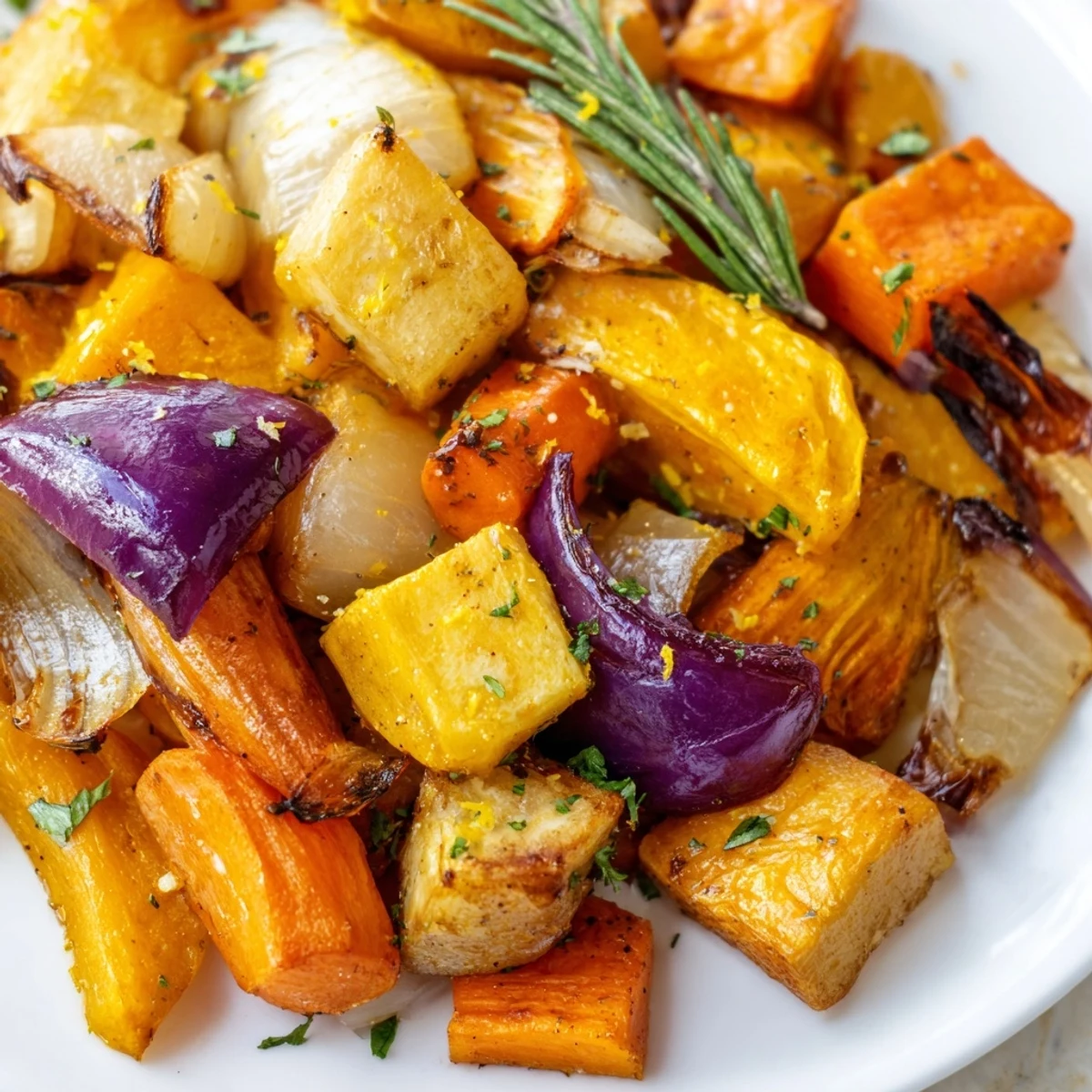
- Transfer to a serving dish and finish with fresh parsley and a sprinkle of lemon zest if you have it. Serve warm, ideally within a few minutes of coming out of the oven.
 Save to Pinterest
 There was a moment during that first batch when I pulled the tray out halfway through and the kitchen filled with this rich, almost meaty aroma. I realized then that roasted vegetables could be the star of the plate, not just a supporting player.
Choosing Your Vegetables
This recipe is flexible by design because root vegetables vary by season. In spring, try using smaller potatoes or even beets if you don't mind the earthiness. Summer might call for fennel bulbs or larger onions. Winter is when this dish truly shines with traditional roots like celeriac and rutabaga.
Building Depth with Herbs
The herb choice matters more than you'd think. Rosemary and thyme are classic pairings that intensify during roasting, but I've experimented with sage and oregano too. Fresh herbs are worth seeking out; they add brightness and aromatic oils that dried versions simply can't match.
Making It Your Own
This dish transforms depending on what you pair it with or what you add at the end. A drizzle of balsamic glaze before serving brings a sharp sweetness that cuts through the richness beautifully. Some nights I finish it with crumbled goat cheese or a squeeze of fresh lemon.
- For extra depth, toss the roasted vegetables with a tablespoon of balsamic vinegar right after they come out of the oven.
- Try finishing with pomegranate seeds for tartness or toasted nuts for crunch.
- Leftovers work beautifully in grain bowls or roasted grain salads the next day.
 Save to Pinterest
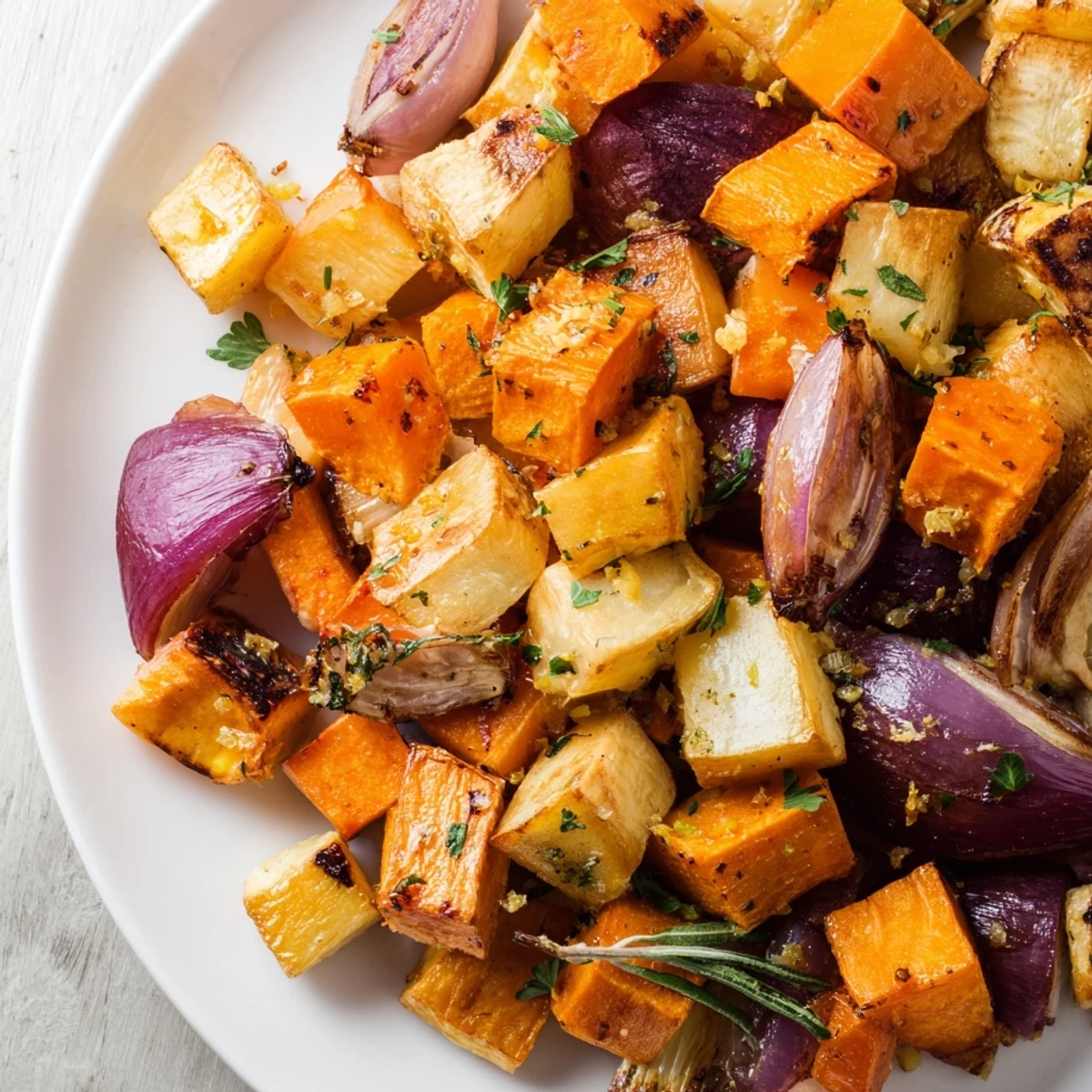
 This humble side dish has become one of my most requested recipes because it proves that simple ingredients, when treated with care, can become something memorable. There's comfort in knowing that something this good takes barely an hour from start to finish.
Recipe Questions
- → What types of vegetables work best for roasting?
-
Firm root vegetables like carrots, parsnips, sweet potatoes, and rutabaga hold up well and develop a naturally sweet, caramelized flavor when roasted.
- → How can I ensure even roasting of the vegetables?
-
Cut vegetables into uniform chunks and spread them in a single layer on a baking sheet to allow even heat exposure and caramelization.
- → Can I substitute fresh herbs with dried ones?
-
Yes, fresh rosemary and thyme can be replaced with dried, but reduce the quantity by about half to avoid overpowering the dish.
- → How do I achieve crispy edges on the vegetables?
-
Roast at a high temperature (around 425°F/220°C) and avoid overcrowding the pan. Stir midway to promote even crispness.
- → Are there recommended garnishes to enhance flavor?
-
Fresh parsley and a sprinkle of lemon zest add brightness and a fresh contrast to the warm, roasted flavors.