
 Save to Pinterest
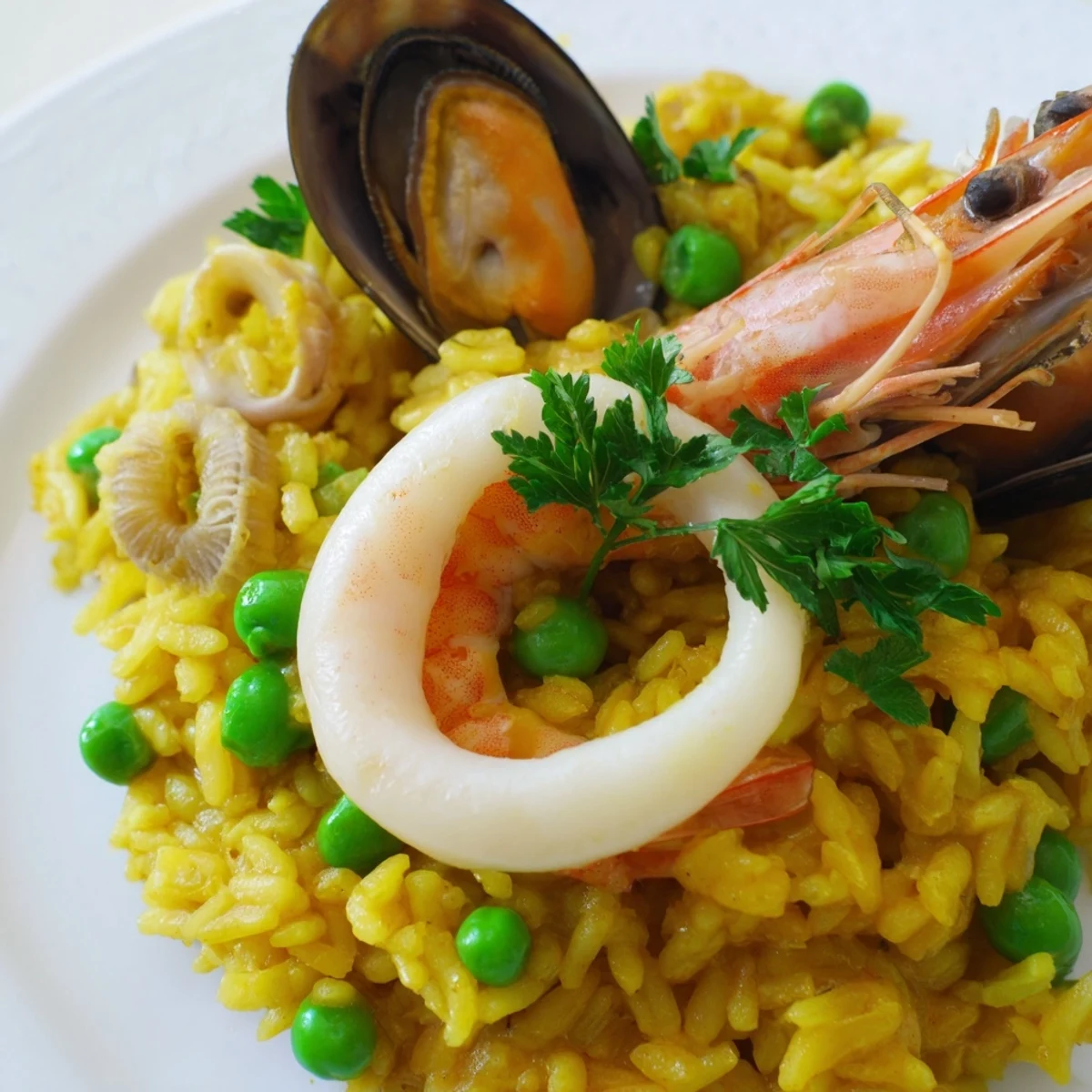
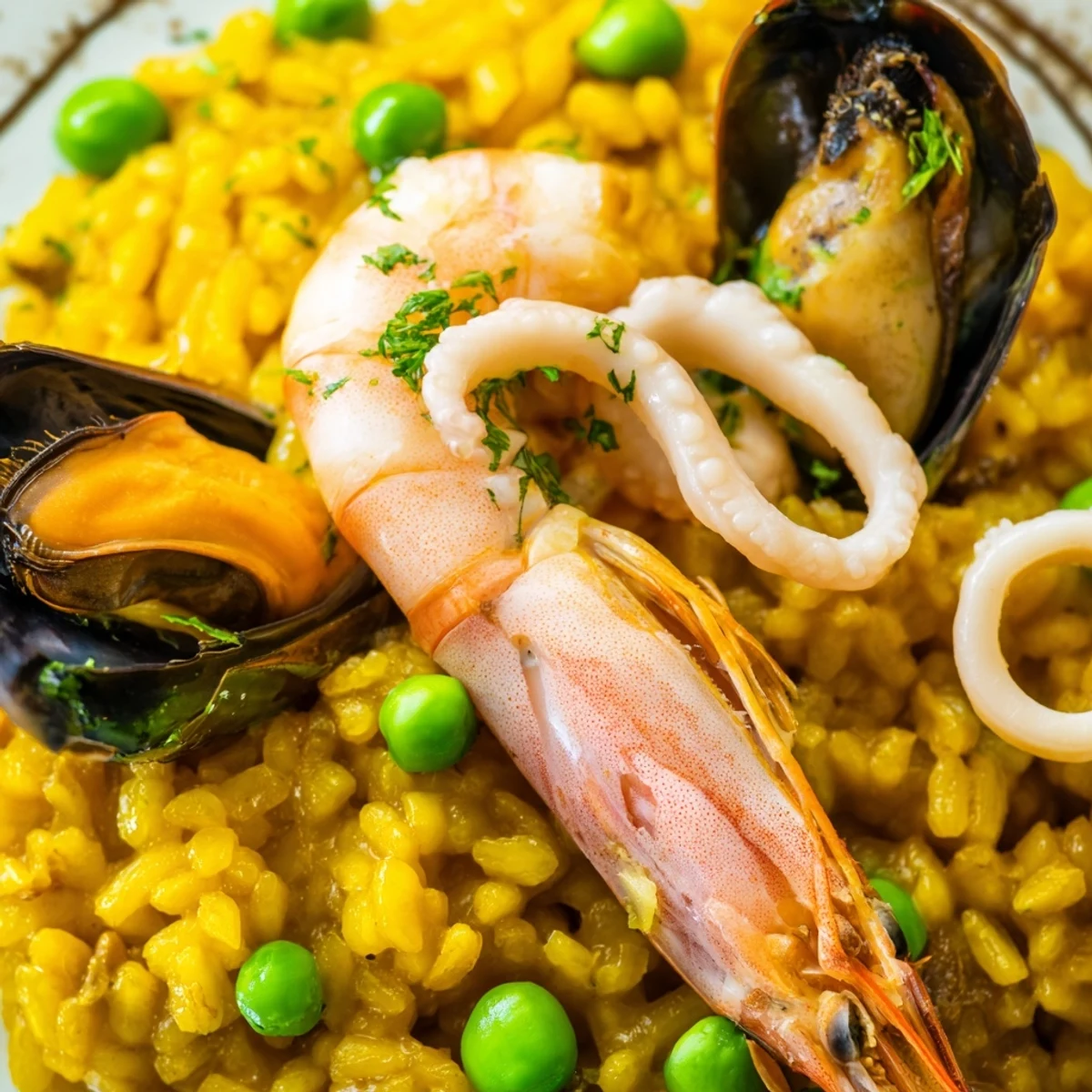
 Elevate your date night with this stunning Spanish paella featuring succulent shrimp, mussels, clams, and tender calamari nestled in saffron-infused rice. The aromatic spice pairs beautifully with fresh seafood and vibrant vegetables, creating an elegant dish that's surprisingly approachable in just over an hour.
Key to success: don't stir after adding the stock, allowing the rice to develop its signature creamy texture while the seafood cooks gently above. For an authentic touch, create the crispy bottom layer (socarrat) in the final minutes. Serve with fresh parsley and lemon wedges alongside a chilled Spanish white wine.
The soft glow of candlelight danced across the table as I plated our first-ever paella, steam rising with the distinct aroma of saffron and sea. I'd spent weeks planning this surprise anniversary dinner, searching for authentic Spanish ingredients and practicing the technique of not stirring the rice. When my partner's eyes widened at the vibrant colors of the dish, I knew every minute of preparation had been worth it.
Last summer, we brought this paella to our friends beach house and cooked it over an open flame as the sun set over the water. The pan became our centerpiece, everyone gathering around with glasses of chilled Albariño, picking at the caramelized edges of rice while trading stories well into the evening. Something about sharing food from one vessel created an instant intimacy I hadnt anticipated.
Ingredients
- Saffron threads: These delicate red strands might seem expensive, but they transform the entire dish with their subtle floral notes and golden hue, teaching me that sometimes the smallest ingredients make the biggest impact.
- Paella rice: After using regular rice on my first attempt and ending up with mush, I discovered Bomba rice holds its shape beautifully while absorbing all those incredible flavors.
- Seafood mixture: The combination of shrimp, mussels, clams and calamari creates a beautiful progression of textures, from tender to meaty to delightfully chewy.
- Smoked paprika: This deep red powder carries the essence of Spanish cooking, adding a subtle smoky backbone that connects all the other flavors.
Instructions
- Bloom the saffron:
- Steep those precious threads in a few tablespoons of warm stock, watching as the liquid turns a gorgeous amber color. This simple step releases all the aromatic compounds that will perfume your entire dish.
- Build the flavor base:
- As you sauté the onions and peppers, their sweet aromas will fill your kitchen, signaling the start of something special. The vegetables should soften but not brown, creating a tender foundation for your rice.
- Respect the rice:
- Once youve added the liquid to your rice, resist every urge to stir it around. This hands-off approach feels counterintuitive but allows the characteristic textures of paella to develop.
- Arrange with intention:
- Place your seafood thoughtfully across the surface, thinking about how it will look when served. I like to create a pattern with the calamari rings and position the shellfish so theyll open dramatically toward the center.
- Listen for the socarrat:
- In the final minutes, pay attention for a gentle crackling sound that indicates the prized crispy bottom layer is forming. This textural contrast is what paella enthusiasts treasure above all else.
- The essential rest:
- Covering with a kitchen towel after cooking might seem fussy, but this allows the rice to finish steaming while excess moisture evaporates. Your patience will be rewarded with perfectly tender grains.
 Save to Pinterest
 Our neighbor Miguel, who grew up in Valencia, stopped by one evening as I was making this dish and smiled with unexpected emotion. He told me that the aroma transported him straight back to Sunday afternoons in his grandmothers courtyard, where paella was the centerpiece of family gatherings. Though my version wasnt perfectly authentic, the fact that it could evoke such a powerful memory made me understand food as a keeper of cultural heritage.
Choosing Your Seafood
Ive learned that freshness trumps variety when it comes to seafood paella. On days when the fish market doesnt have everything listed, I simply adapt with whatever looks brightest-eyed and smells cleanly of the ocean. Sometimes limitations lead to happy discoveries, like the time I substituted sea scallops for clams and found they absorbed the saffron flavor particularly well.
The Art of the Socarrat
The first time I achieved that perfect golden-brown crust on the bottom of the paella, I practically called everyone I knew. The trick was finally understanding that patience and heat management matter more than fancy equipment. I learned to listen for the subtle crackling sound and smell the toasty rice aroma that signals the socarrat is forming without burning.
Making it a Complete Experience
Paella isnt just dinner, its theater, from the dramatic presentation to the interactive experience of gathering around one pan. Ive found that setting the stage with small Spanish appetizers like olives and pan con tomate builds anticipation while the main dish cooks.
- Add a simple green salad with a sherry vinaigrette to cut through the richness of the seafood and provide a fresh counterpoint.
- Serve in the cooking vessel itself, placed on a wooden board in the center of the table for both practicality and dramatic effect.
- Keep extra lemon wedges nearby, as a fresh squeeze right before eating awakens all the flavors on the plate.
 Save to Pinterest
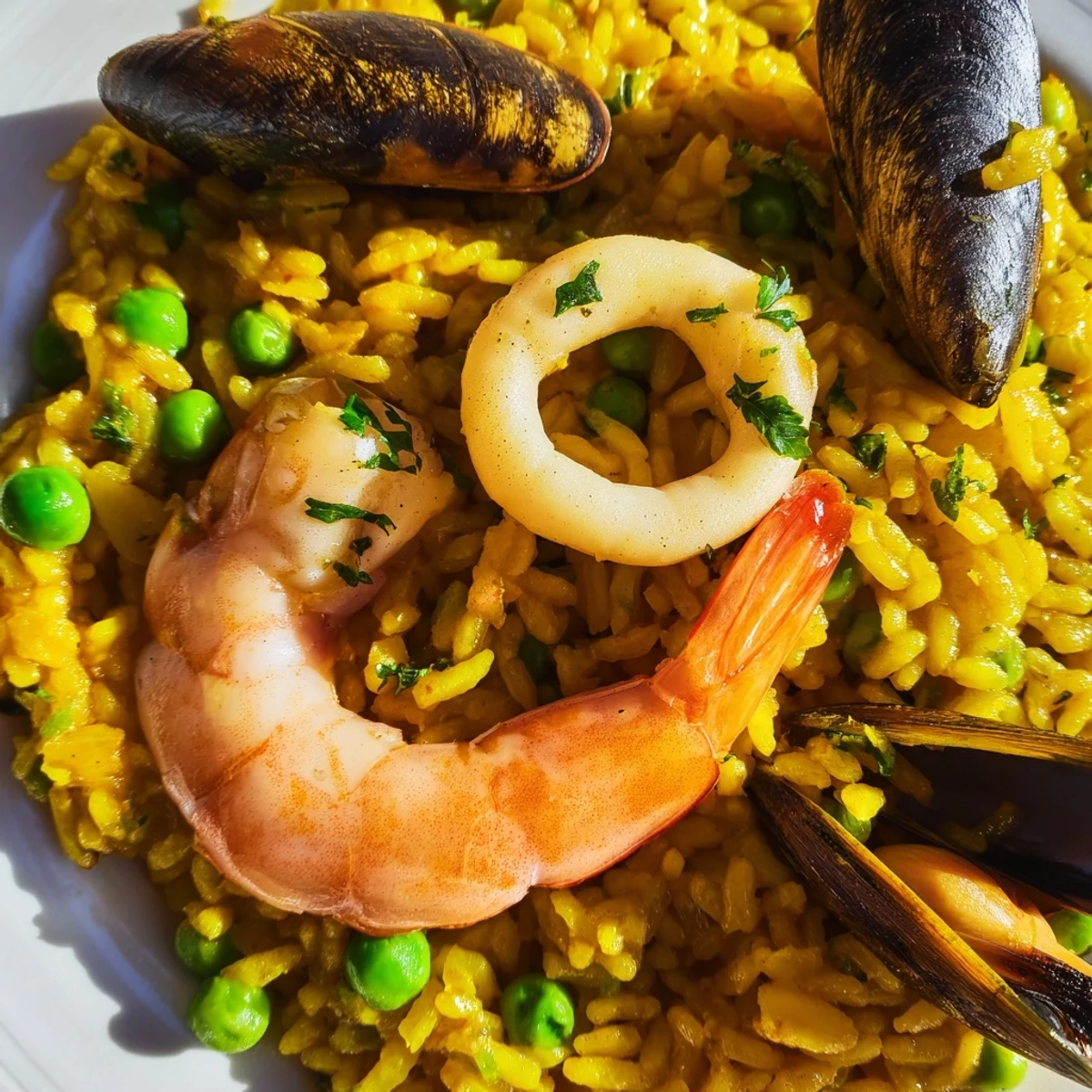
 This romantic seafood paella has become our love language, appearing on our table during celebrations, quiet reconnections, and the moments we need to remember what matters most. Its taught me that the most memorable meals arent about perfection but about presence, about savoring both the food and the company with equal appreciation.
Recipe Questions
- → What type of rice is best for paella?
-
Spanish short-grain varieties like Bomba or Calasparra are ideal because they absorb liquid gradually while maintaining their shape. These rices won't become mushy, ensuring the perfect al dente texture. Arborio rice can work as an alternative, though traditional paella rice delivers superior results.
- → Why shouldn't I stir the paella after adding the stock?
-
Stirring disrupts the cooking process and prevents the rice from developing its characteristic creamy texture. The gentle simmer allows each grain to absorb the saffron-infused broth evenly. The occasional gentle pan shake prevents sticking without disturbing the rice structure.
- → How do I know when the seafood is properly cooked?
-
Shrimp turn opaque and pink, calamari becomes tender (avoid overcooking), and mussels and clams open fully. Any that remain closed after cooking should be discarded. The seafood will cook perfectly in the final 8-10 minutes as moisture is absorbed by the rice.
- → Can I prepare paella ahead of time?
-
It's best served immediately after cooking, but you can prep ingredients in advance—peel shrimp, clean shellfish, and chop vegetables several hours ahead. Steep the saffron just before cooking. Paella doesn't reheat well as the rice texture deteriorates, so timing is essential for optimal results.
- → What does socarrat mean and how do I achieve it?
-
Socarrat is the delicate, flavorful crispy layer that forms on the paella pan's bottom. To create it, increase heat for the final 1-2 minutes of cooking, listening for a subtle crackling sound. This adds depth and texture without burning—a prized element in traditional Spanish paella.
- → What wine pairs best with this paella?
-
Spanish white wines like Albariño or Verdejo complement the saffron and seafood beautifully. Their crisp acidity cuts through the richness while their minerality echoes the ocean flavors. Serve chilled alongside the paella for an authentic Spanish dining experience.