
 Save to Pinterest
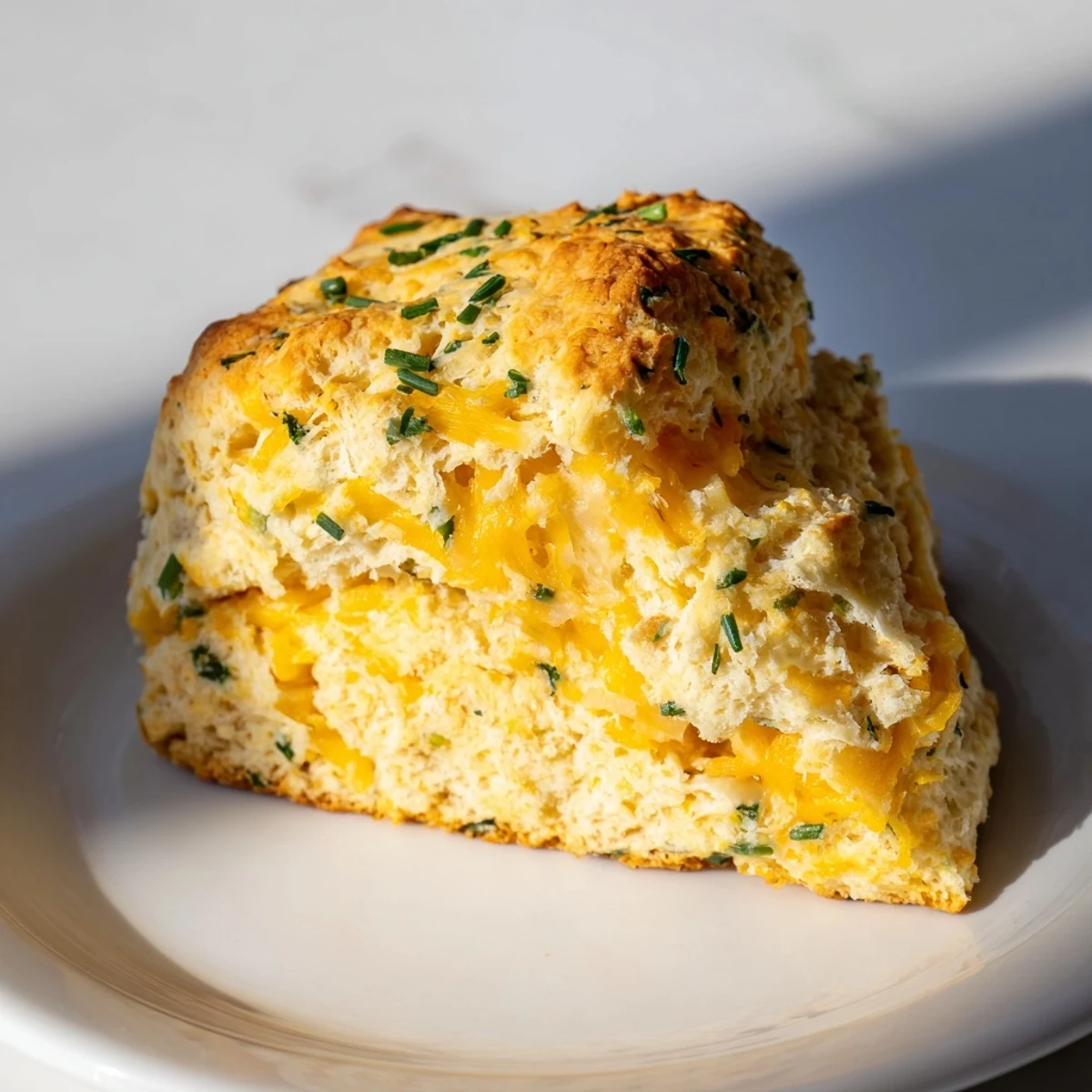
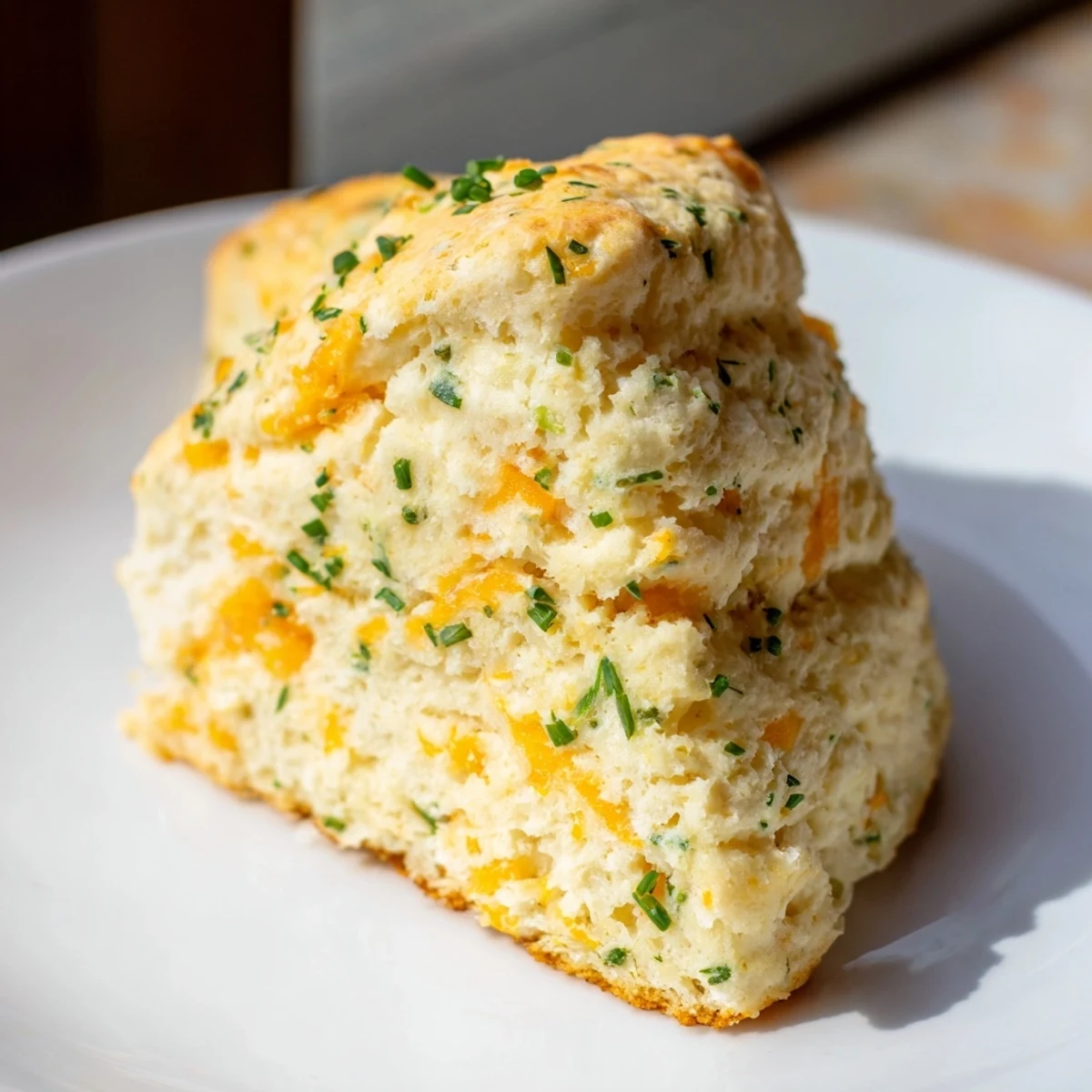
 These tender scones combine sharp cheddar and Parmesan cheeses with fresh chives and parsley, creating a rich, buttery flavor. The dough is mixed gently to preserve a flaky texture and baked until golden brown. They offer a versatile option suitable for snacks, breakfast, or alongside soups and salads. Simple techniques and common ingredients make them quick to prepare and satisfying to enjoy warm or at room temperature.
There's something magical about the moment when butter, cheese, and herbs come together in a warm scone—it happened by accident one Sunday morning when I was meant to be making plain ones for tea but found myself rummaging through the fridge instead. My grandmother's voice echoed in my head warning me not to overwork the dough, so I held my breath, mixed gently, and pulled eight perfect golden wedges from the oven. That's when I knew these savory scones weren't just a breakfast item; they'd become my answer to every occasion that needed something warm and comforting.
I'll never forget when my neighbor stopped by unannounced and caught these cooling on my kitchen counter—the smell alone brought her halfway through the door. She stayed for tea and we split one warm, and suddenly what I'd made mostly for myself became this little moment of connection. Now whenever someone visits, these scones are my quiet way of saying I'm happy they're here.
Ingredients
- All-purpose flour (2 cups): The foundation that keeps these scones tender—don't sift unless your flour is lumpy, as overworking develops gluten and makes them tough.
- Baking powder (1 tbsp): This is your lift, your promise of a light crumb; make sure it's fresh by checking the expiration date.
- Salt and black pepper (1/2 tsp and 1/4 tsp): These wake up the cheese and herbs, creating complexity that plain scones lack.
- Cold unsalted butter (1/2 cup, cubed): Keep it genuinely cold from the fridge right up to mixing—those little butter pockets create the flaky texture everyone expects.
- Sharp cheddar cheese (3/4 cup, grated): Sharp is key here; mild cheese fades into the background, but sharp cheddar announces itself proudly.
- Parmesan cheese (1/3 cup, grated): This adds a nuttiness and salt depth that makes the cheese flavor sing without tasting one-note.
- Fresh chives and parsley (2 tbsp each): Fresh herbs make all the difference; if you only have dried, use half the amount because dried is concentrated.
- Whole milk and egg (3/4 cup milk plus 1 egg): Together they bind the dough while the egg adds richness and helps with browning in the oven.
Instructions
- Set your stage:
- Preheat your oven to 400°F and line a baking sheet with parchment paper so your scones bake evenly and don't stick.
- Mix the dry foundation:
- Whisk flour, baking powder, salt, and pepper in a large bowl—this distributes the leavening evenly so you get consistent rise.
- Work in the butter:
- Add cold cubed butter and cut it in using a pastry blender, two forks, or your fingertips until the mixture looks like coarse sand; you want visible little butter pieces because they create steam pockets that make scones flaky.
- Add the flavor:
- Stir in both cheeses, chives, and parsley—keep your movements light and confident.
- Bring it together:
- Whisk milk and egg together, pour into the dry mixture, and mix with a gentle hand just until the dough comes together; overmixing is the enemy, turning tender scones into tough little hockey pucks.
- Shape and cut:
- Turn dough onto a lightly floured surface, pat it into a disk about an inch thick, and cut into 8 wedges like a pie—clean cuts help them rise straight up.
- Prepare for baking:
- Arrange wedges on your prepared sheet with a little space between them so steam can circulate, then brush tops lightly with milk for that golden shine.
- Bake until golden:
- Bake for 16 to 18 minutes until the tops are deep golden brown and a toothpick inserted into the thickest part comes out clean or with just a few moist crumbs.
- Cool and serve:
- Let them rest for a few minutes—they'll firm up slightly and be easier to eat, though warm is always best.
 Save to Pinterest
 There was the afternoon I brought these to a potluck and watched people's faces light up when they bit into one warm with butter melting into all the little crevices. That's when cooking stopped being about following instructions and became about the small joy of feeding people something that tastes like care.
Cheese & Herb Combinations That Work
While sharp cheddar and Parmesan are my go-to, I've had tremendous success swapping the cheddar for Gruyère (earthier and more sophisticated) or a smoked cheese (which adds a subtle depth). Sometimes I add crumbled cooked bacon or finely chopped sun-dried tomatoes, which bulk up the flavor without making the dough wet. The key is keeping the total mix-ins to roughly a cup so your dough stays workable.
Why These Scones Stay Tender
The magic isn't in a special ingredient—it's in respecting the dough and the butter. I learned early on that every extra second of mixing develops gluten, which tightens the crumb and makes scones dense. The same goes for using cold butter; it stays in distinct little pieces throughout the dough, and when heat hits them in the oven, they melt and create steam pockets that separate the flour into tender, flaky layers. That's also why some recipes call for grating frozen butter instead of cubing it—maximum surface area, maximum flakiness.
Serving & Storage Tips
Serve these warm with a smear of herbed butter, alongside a bowl of tomato soup, or with jam and clotted cream if you're feeling indulgent. They keep in an airtight container for three days and actually toast beautifully if they've gotten a day old. I sometimes make a double batch and freeze the unbaked scones on a tray, then bake from frozen with just a minute or two added to the cooking time.
- Warm scones taste best within the first hour of baking, but they're still delicious at room temperature through the next day.
- If you're planning ahead, shape and cut the dough, freeze the wedges, and bake straight from frozen whenever hunger strikes.
- These pair beautifully with strong cheddar, herbed spreads, or even a bit of honey drizzled over a warm scone.
 Save to Pinterest
 These scones have quietly become my kitchen signature, the thing people ask me to bring, the reason someone texts to say they're trying to recreate them at home. That's everything I could ask for from a recipe.
Recipe Questions
- → What cheeses are used in these scones?
-
Sharp cheddar and grated Parmesan are combined to provide a rich, savory depth of flavor and a pleasing texture.
- → Can I substitute the fresh herbs?
-
Yes, fresh chives and parsley can be swapped with other herbs like thyme or rosemary for a different aromatic profile.
- → How is the butter incorporated?
-
Cold unsalted butter is cut into the dry ingredients until the mixture resembles coarse crumbs, ensuring a tender and flaky crumb.
- → What is the best way to shape and bake the scones?
-
The dough is formed into a disk, cut into wedges, brushed with milk, and baked at 400°F (200°C) until golden brown, about 16–18 minutes.
- → Are these scones suitable for vegetarians?
-
Yes, but check cheese labels carefully as some may contain animal rennet. Select vegetarian-friendly cheeses to ensure suitability.