
 Save to Pinterest
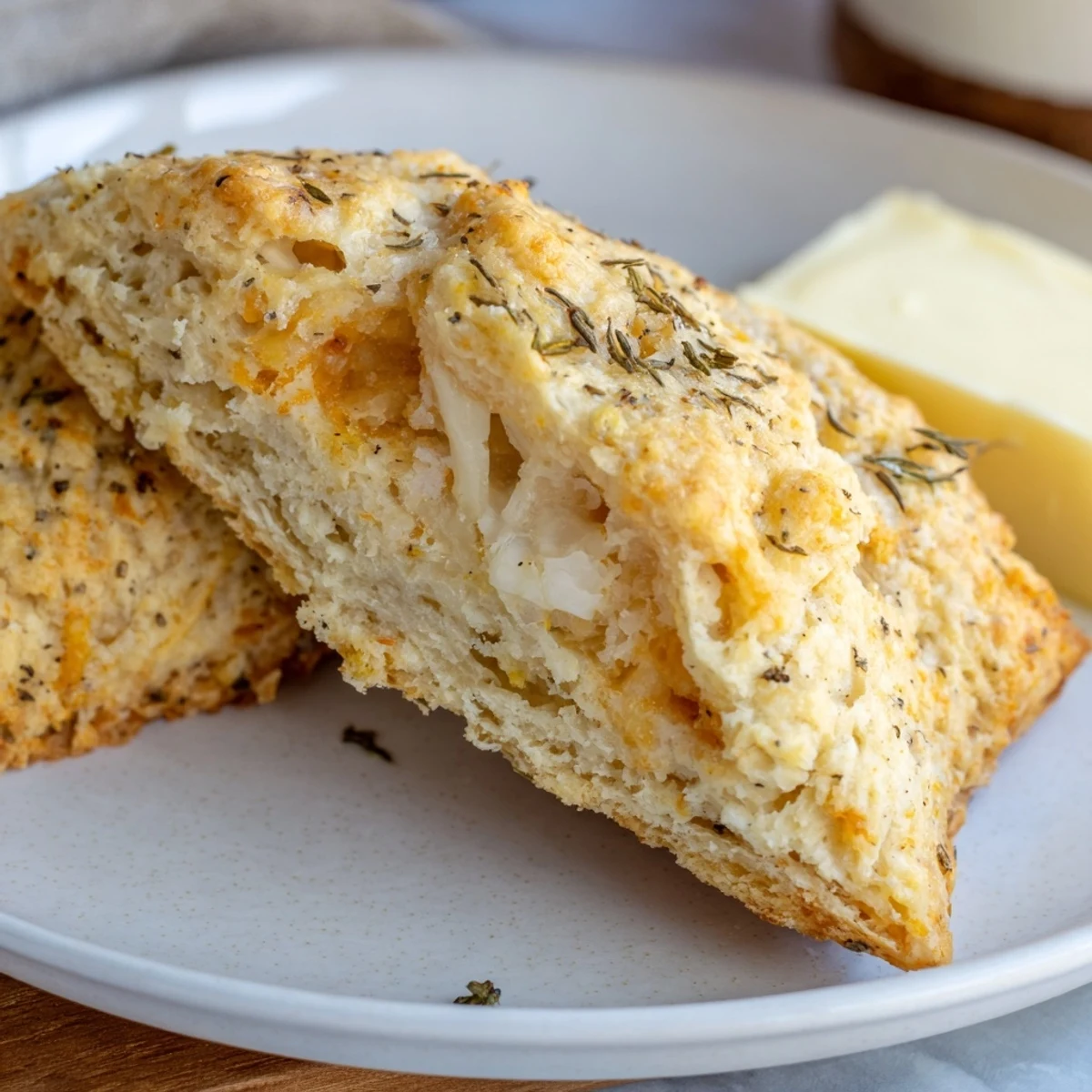
 These savory scones offer a tender, flaky texture enriched by cold butter and sharp cheddar cheese. Blended with Parmesan and a touch of thyme, they deliver a flavorful bite ideal for breakfast, brunch, or snacks. Simply mix dry and wet ingredients, fold in cheeses, pat the dough, then bake until golden brown. Serve warm with butter or crème fraîche for a satisfying treat.
There's something about the smell of cheese and butter hitting a hot oven that stops you mid-morning and makes you pause. I learned to make these scones on a Tuesday when my flatmate mentioned she'd never had proper ones, and I realized I couldn't describe the texture—I'd have to show her. They came out of the oven looking golden and smelling impossible to resist, and she ate three before they'd even cooled.
I made a batch for a small dinner party once, and two guests asked for the recipe before they'd finished eating. What struck me wasn't just that they liked them—it was watching someone who'd claimed not to be a scone person become visibly happy with each bite. That moment shifted how I thought about cooking: sometimes the simplest things feel like the biggest gift.
Ingredients
- All-purpose flour (2 cups / 250 g): The foundation that needs to stay cool—room-temperature flour is your enemy here, so some bakers even chill theirs in the freezer for 10 minutes before mixing.
- Baking powder (1 tbsp): This is what gives you that light, tender crumb rather than a dense, heavy biscuit; don't skip it or reduce it.
- Salt (1/2 tsp) and ground black pepper (1/4 tsp): These wake up the cheese flavor rather than making the scones taste savory in an obvious way.
- Dried thyme (1/2 tsp, optional): I include it because it adds a subtle herbal whisper that makes people ask what the secret ingredient is.
- Unsalted butter (1/4 cup / 60 g), cold and cubed: Cold butter is non-negotiable—it creates pockets of steam that make the scones rise and stay tender, so keep it in the freezer until the moment you need it.
- Whole milk (3/4 cup / 180 ml), plus extra for brushing: The milk brings everything together and the extra splash on top gives you that beautiful golden sheen.
- Large egg (1): This binds the dough and adds richness without overpowering the cheese.
- Sharp cheddar cheese, grated (1 cup / 100 g): Don't use mild—you want that assertive, slightly tangy bite that stands up to the butter and flour.
- Parmesan cheese, grated (1/4 cup / 25 g): It adds a salty, umami depth that keeps people reaching for another scone.
Instructions
- Heat your oven and prep:
- Get the oven to 400°F (200°C) and line your baking sheet with parchment paper while you work—this small step saves you from scrambling later.
- Mix your dry ingredients:
- Whisk together the flour, baking powder, salt, pepper, and thyme in a large bowl. You're looking for everything evenly distributed so the leavening works throughout.
- Work in the cold butter:
- Add your cold, cubed butter and rub it in with your fingertips until the mixture looks like coarse breadcrumbs or wet sand. This is where patience matters—take your time and let the friction between your fingers do the work rather than pressing hard.
- Add the cheese:
- Stir in both the grated cheddar and Parmesan until they're scattered throughout the flour mixture.
- Bring the dough together:
- Whisk the milk and egg together in a small bowl, then add it to the dry ingredients and stir gently until just combined. Stop as soon as there are no dry streaks—overmixing develops gluten and makes the scones tough instead of tender.
- Shape your scones:
- Turn the dough onto a lightly floured surface and gently pat it into a round about 1 inch (2.5 cm) thick. Cut it into 8 wedges like a pizza, then transfer each one to your prepared baking sheet, leaving a little space between them.
- Add the milk wash:
- Brush the top of each scone lightly with milk—this is what gives you that golden, glossy finish that catches the light when they come out.
- Bake until golden:
- Bake for 16 to 18 minutes, until the tops are deep golden brown and a skewer inserted into the center comes out clean or with just a few moist crumbs.
- Cool and serve:
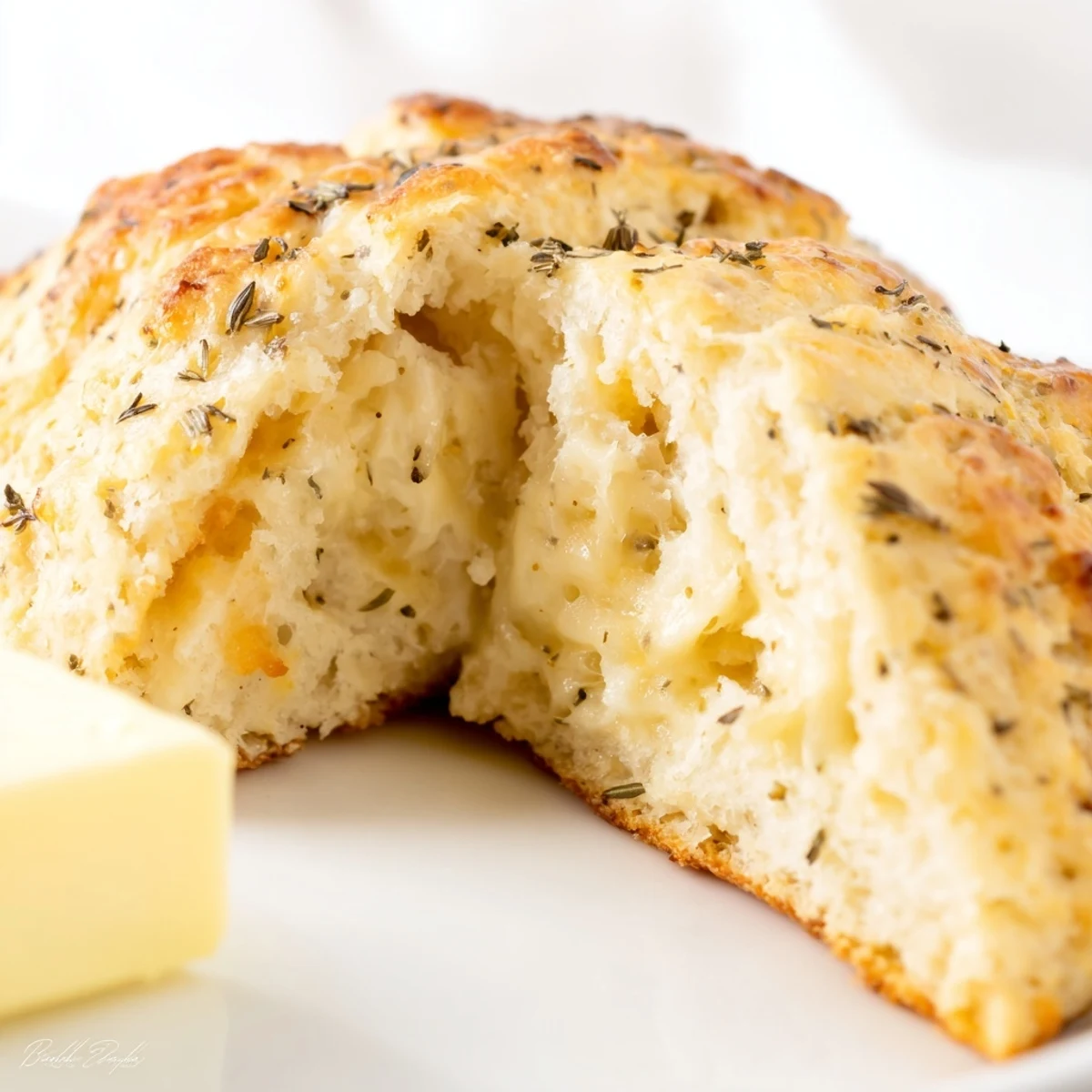
- Let them sit for just a few minutes so they firm up slightly, then tear one open while it's still warm and feel the steam rise. Serve them as is or with salted butter and crème fraîche.
 Save to Pinterest
 I learned the importance of serving these warm when I made a batch and got distracted, then came back an hour later to find them had gone slightly tough and lost some of their magic. Now I eat one as soon as they're cool enough to touch, and I always make sure the others are still warm when I serve them to someone else. There's a narrow window where they're absolutely perfect, and it's worth catching it.
Flavor Building: Why This Cheese Combination Works
The cheddar brings a bold, slightly tangy sharpness that feels familiar and comforting, while the Parmesan adds a salty, umami depth that makes the whole thing feel more sophisticated. Together they create a flavor that's bigger than either cheese alone, and neither one drowns out the butter and thyme. If you want to experiment, Gruyère or mature Gouda are natural swaps that will give you a slightly different character—richer, nuttier, less sharp—but the balance will still work because these cheeses have similar melting points and flavor intensity.
The Texture Secret: Why Cold Butter Matters
The magic of a tender, flaky scone lives in how the cold butter stays separate from the flour until it hits the oven, where it melts and creates pockets of steam that help the dough rise. If you use soft butter, it gets absorbed into the flour and you lose that lift—you end up with something dense and cake-like instead of light and delicate. This is why some bakers even grate their cold butter on a box grater before folding it in, and while that's extra, it genuinely does give you scones with more dramatic flakiness.
Serving and Storage Ideas
These scones are best eaten the same day they're baked, ideally within a few hours while they still have warmth and tenderness. If you do have leftovers, wrap them in a clean kitchen towel and store them in an airtight container at room temperature, then warm them gently in a 300°F (150°C) oven for about 5 minutes before serving. You can also freeze the shaped, unbaked scones on a baking sheet and bake them from frozen, adding just a couple of minutes to the cooking time—this lets you have warm, fresh scones whenever the mood strikes.
- Serve them split and buttered with a small spoonful of crème fraîche and fresh chives for a moment of pure comfort.
- Add chopped fresh parsley, dill, or chives to the dough for a fresher, more garden-like flavor.
- If you want extra cheese richness, brush the tops with a tiny bit of beaten egg yolk mixed with milk instead of plain milk.
 Save to Pinterest
 There's a quiet satisfaction in pulling a tray of warm, golden scones from the oven and knowing you made something that tastes like care. Serve them to someone you like, or just keep them for yourself on a morning when you need a little joy.
Recipe Questions
- → What cheese types work best in these scones?
-
Sharp cheddar provides a bold flavor, while Parmesan adds depth and a slightly nutty taste. Alternatives like Gruyère or mature Gouda can also enhance the richness.
- → How can I make the scones more herbaceous?
-
Incorporating fresh parsley or chopped chives into the dough adds freshness and elevates the herbal notes complementing the cheese.
- → What is the best way to achieve a golden crust?
-
Brushing the scone tops lightly with milk before baking promotes an even, golden finish and enhances the crust's color and texture.
- → Can I prepare the dough in advance?
-
Yes, the dough can be chilled briefly before baking to improve texture, but avoid overmixing to keep scones tender and flaky.
- → What serving suggestions pair well with these scones?
-
Serve warm with salted butter or a dollop of crème fraîche to complement the savory cheese flavors and add creamy richness.