
 Save to Pinterest
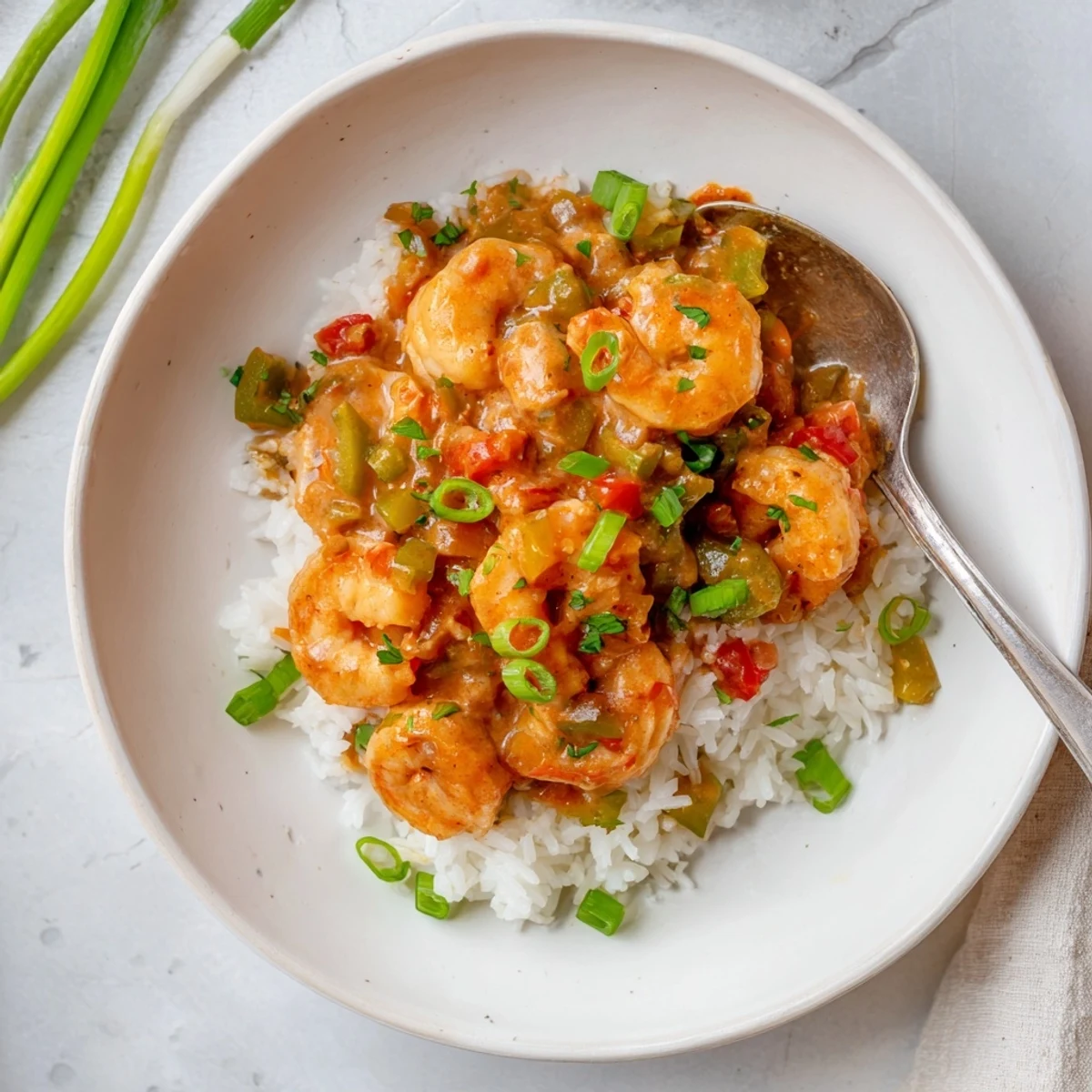
 This beloved Louisiana Creole classic features plump, succulent shrimp nestled in a deeply flavorful roux-based sauce. The foundation starts with a dark golden roux made from butter and flour, cooked patiently to develop that signature nutty depth. The holy trinity of onion, celery, and green bell pepper joins the roux, followed by aromatic garlic, diced tomatoes, and a blend of Creole seasonings including thyme, smoked paprika, and optional cayenne for heat.
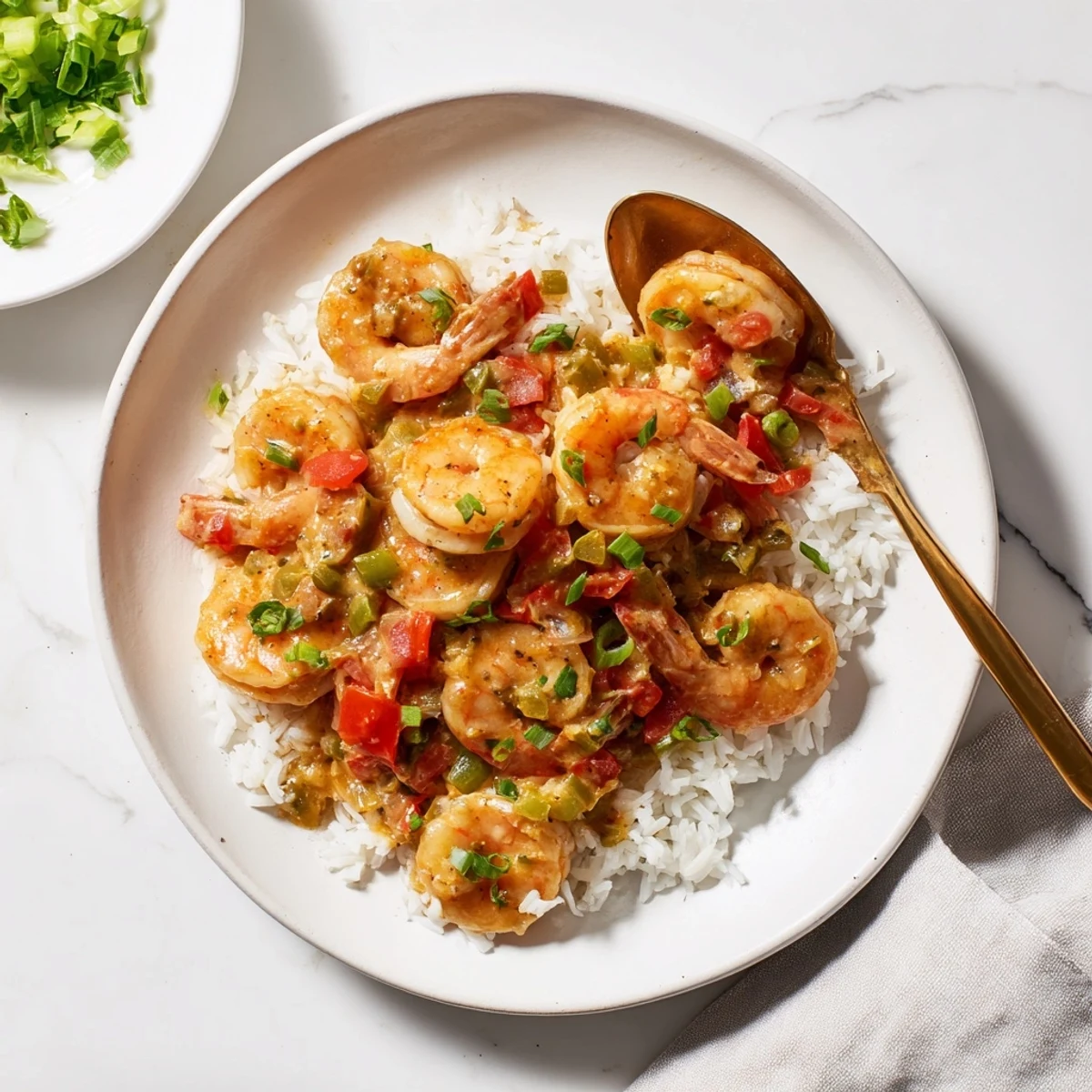
The shrimp cook quickly in the thickened sauce, just until pink and tender, preserving their natural sweetness. Serve this hearty, comforting dish ladled over fluffy white rice, finished with fresh green onions, parsley, and a squeeze of bright lemon to cut through the richness. Perfect for gathering around the table with family and friends.
The smell of butter and flour browning together still takes me back to a tiny kitchen in New Orleans where I first learned that patience isnt just a virtue, its an essential cooking technique. I watched an older woman stir a roux for what felt like forever, explaining that the difference between good and great étouffée lives in those ten minutes of constant stirring. That evening changed how I understood slow cooking completely.
I made this for a dinner party last fall and accidentally doubled the cayenne, which turned into a happy mistake when my friend from Baton Rouge declared it the most authentic version hed had outside Louisiana. The way the sauce coats each grain of rice while the shrimp stays perfectly tender is something special.
Ingredients
- Large shrimp: Fresh shellfish makes all the difference here, and deveining them yourself ensures theyre clean and ready to soak up that spicy sauce
- Creole seasoning: This blend is the backbone of the dish, so use a good quality one or make your own with paprika, garlic powder, and cayenne
- Butter and flour: The combination that becomes your roux, the foundation that gives étouffée its signature velvety texture and nutty flavor
- The holy trinity: Onion, celery, and bell pepper chopped finely because they should melt into the sauce, not stand out as chunks
- Seafood stock: Homemade is ideal, but a good quality store-bought version works perfectly for building that savory base
- Diced tomatoes: Drain them well to keep the sauce rich without becoming too thin or watery
- Bay leaves and thyme: These aromatic herbs simmer into the background, adding layers of flavor without announcing themselves
- Smoked paprika and cayenne: The smoked paprika adds depth while the cayenne brings that gentle Creole heat
- White rice: Fluffy and plain, its the perfect canvas for letting all those bold flavors shine
- Fresh parsley and green onions: Sprinkled on top at the end for a burst of color and fresh contrast to the rich sauce
Instructions
- Season the shrimp:
- Toss your shrimp with half the Creole seasoning and let them hang out while you prep everything else, giving them a head start on flavor absorption
- Make your roux:
- Melt the butter over medium heat, whisk in the flour, and stir constantly until it turns a gorgeous copper color, about 8 to 10 minutes of meditative stirring
- Add the vegetables:
- Throw in your onion, celery, and bell pepper, stirring them into that fragrant roux until theyre soft and the kitchen smells incredible
- Bloom the garlic:
- Stir in the minced garlic for just one minute, long enough to release its aroma but not so long that it turns bitter
- Build the base:
- Add the tomatoes, bay leaves, thyme, paprika, remaining Creole seasoning, and cayenne if you like some extra warmth
- Add the liquid:
- Pour in the stock slowly while whisking to keep things smooth, then let it simmer uncovered until thickened, about 10 to 15 minutes
- Cook the shrimp:
- Add those seasoned shrimp and cook just until they turn pink and curl slightly, only 3 to 4 minutes because overcooked shrimp is a tragedy nobody deserves
- Season and serve:
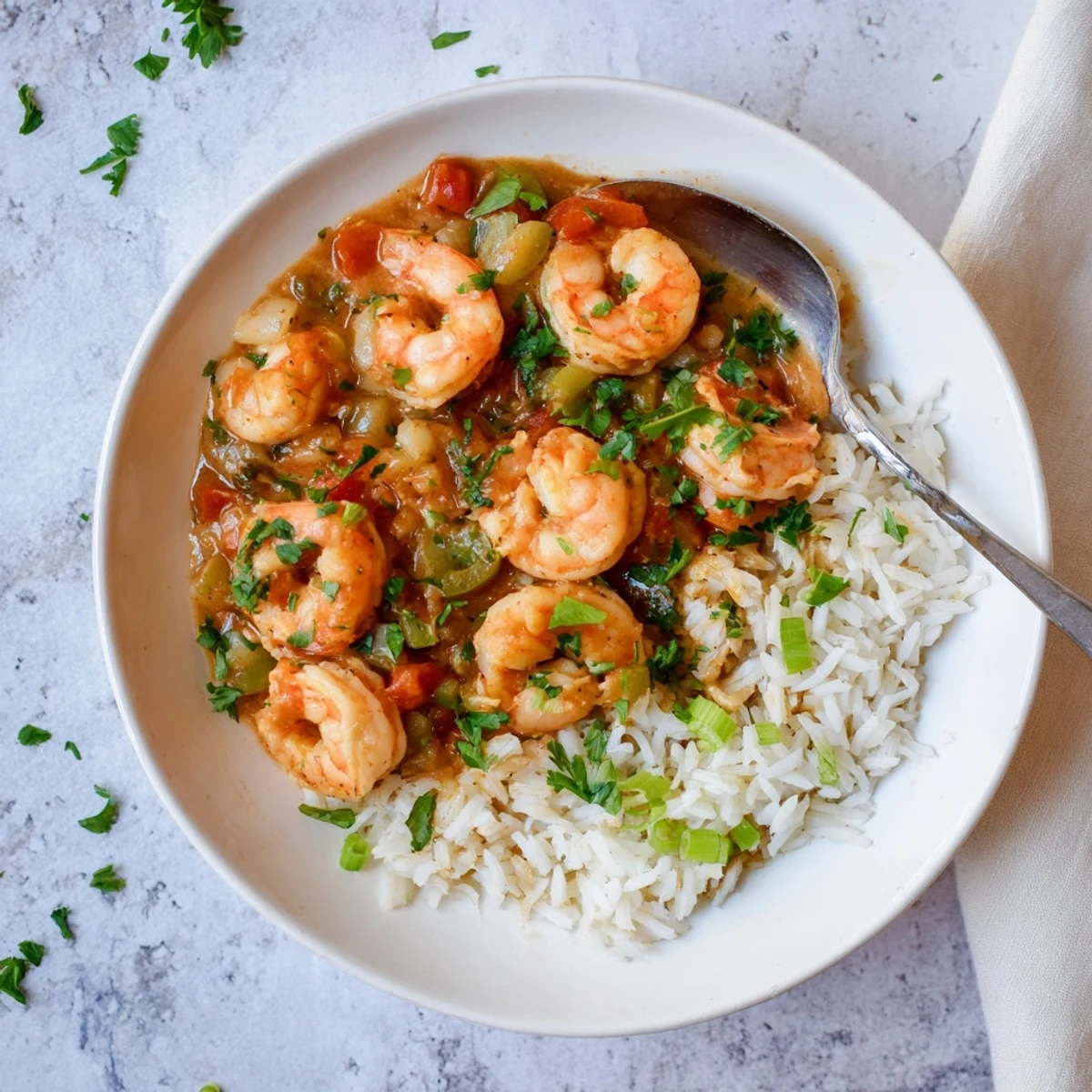
- Taste and adjust the salt and pepper, then spoon over rice and finish with fresh parsley and green onions for that perfect final touch
 Save to Pinterest
 My partner usually requests this on rainy Sundays, something about the way the house fills with steam and spice makes everything feel cozy and right with the world.
Making The Perfect Roux
Ive learned that a copper-colored roux gives you the best balance of flavor and thickening power for étouffée. The flour loses some thickening ability as it darkens, so going too dark means youll need more flour to achieve the same consistency.
Rice That Absorbs All The Flavor
Use long-grain white rice and cook it with slightly less water than usual. You want each grain to stay separate so it can be coated in that luscious sauce without turning into a sticky clump.
Make Ahead Magic
Étouffée develops incredible depth overnight, so I often make the sauce a day ahead and reheat it gently while cooking fresh shrimp to add at the end. This trick has saved me more than once when hosting dinner.
- Store the sauce separately from the shrimp if meal prepping
- Reheat slowly over low heat to prevent separation
- Add a splash of stock if it thickens too much in the fridge
 Save to Pinterest
 Theres something deeply satisfying about making a dish that connects you to generations of cooks who understood that good food is worth every minute of effort.
Recipe Questions
- → What makes étouffée different from gumbo?
-
Étouffée features a thicker roux-based sauce that completely coats the main ingredient, while gumbo has a thinner broth-like consistency with more varied ingredients. Étouffée also typically uses fewer vegetables and focuses intensely on one seafood or meat star.
- → How dark should the roux be for authentic étouffée?
-
For traditional étouffée, aim for a peanut butter-colored roux that takes about 8-10 minutes of constant stirring. This medium-dark roux provides rich flavor without the bitterness that can develop with darker roux preparations.
- → Can I make this dish ahead of time?
-
Yes, prepare the sauce base up to 24 hours in advance and refrigerate. Reheat gently over low heat, then add fresh shrimp just before serving. This actually allows the flavors to meld more deeply, though the roux may thicken when cold, so add a splash of stock when reheating.
- → What's the holy trinity in Creole cooking?
-
The holy trinity refers to the foundation of Creole and Cajun cuisine: equal parts onion, celery, and green bell pepper. This aromatic vegetable base provides the essential flavor foundation for countless Louisiana dishes, including gumbo, jambalaya, and étouffée.
- → How spicy is traditional shrimp étouffée?
-
Traditional étouffée offers moderate heat that builds warmth without overwhelming. The Creole seasoning, cayenne, and paprika provide layered spice. Adjust cayenne to your preference, and remember that serving hot sauce on the side lets each diner customize their heat level.
- → What proteins can substitute for shrimp?
-
Crawfish are the most traditional alternative, often called crawfish étouffée. Diced chicken thigh meat works beautifully for longer cooking, and even crab meat or lump lobster can be substituted. Cook heartier proteins longer, while delicate seafood like crab should be added in the final minutes.