
 Save to Pinterest
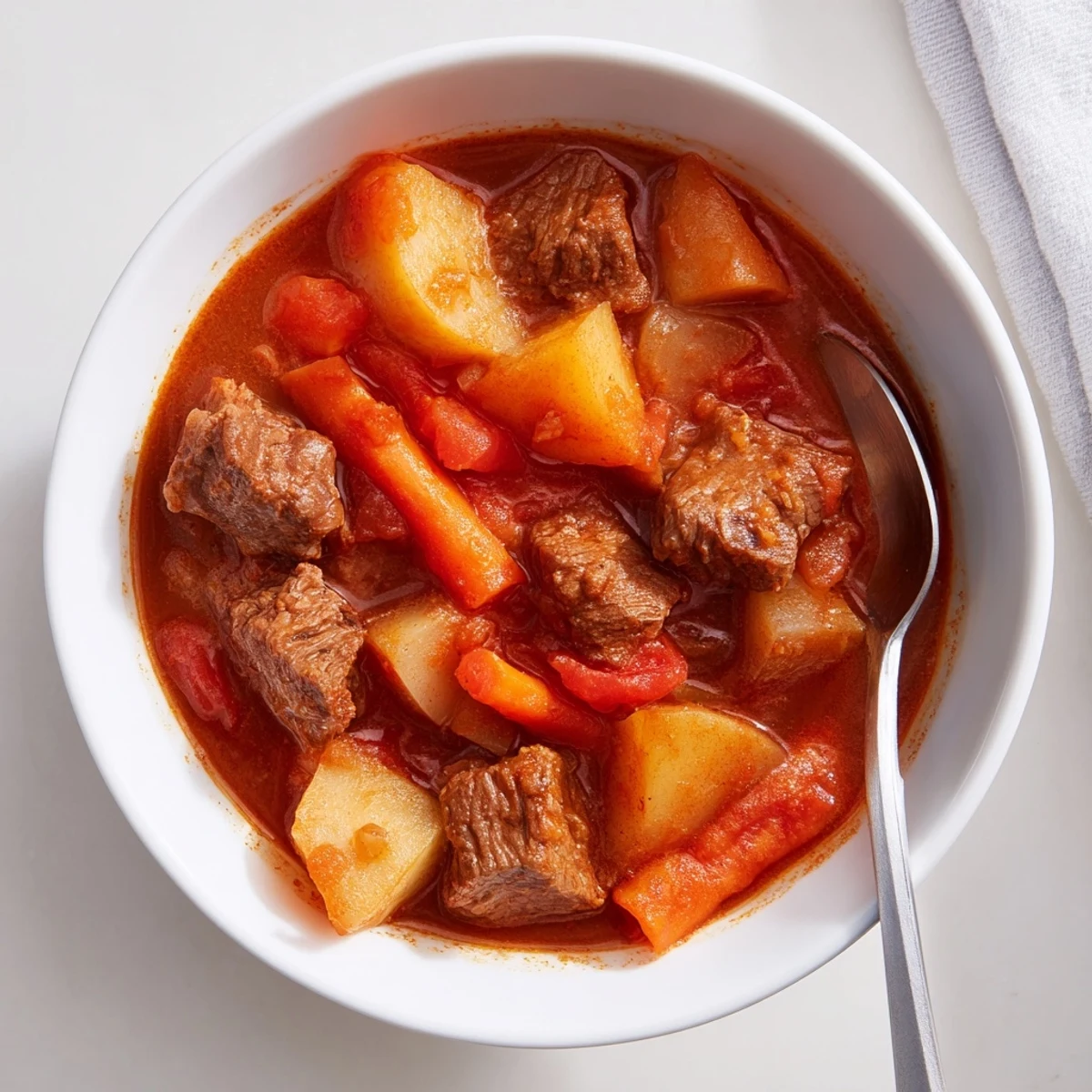
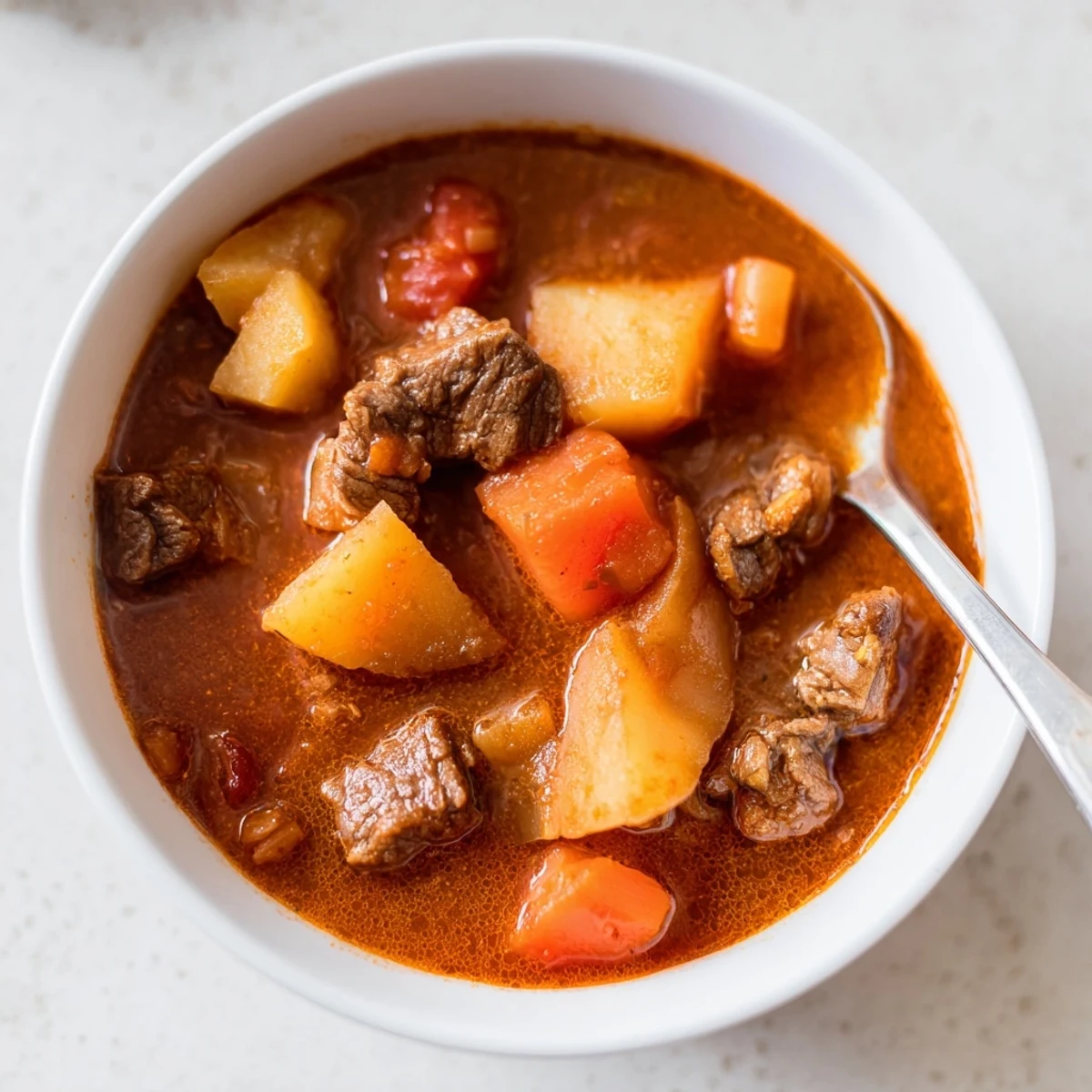
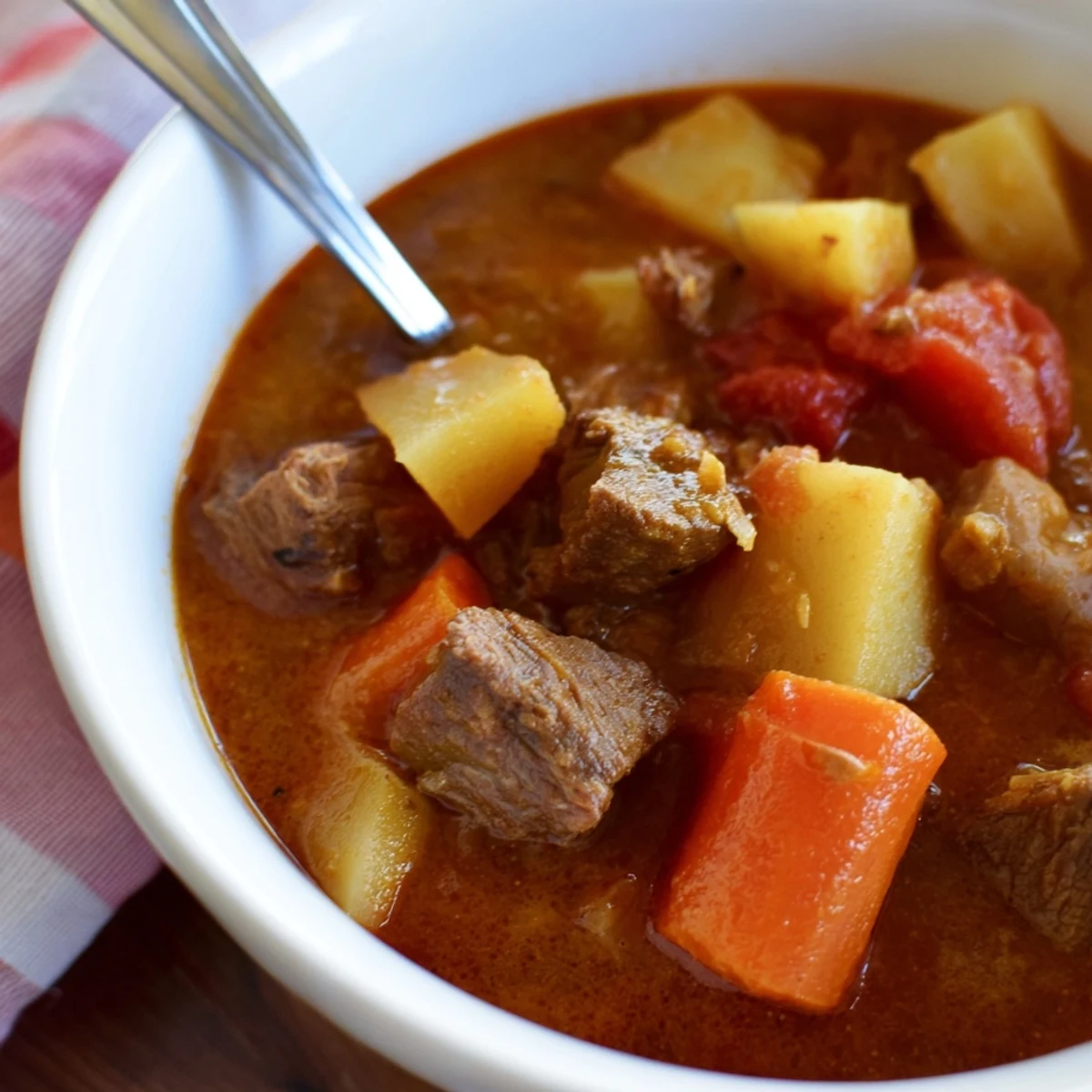
 This slow cooker stew combines tender beef chunks with carrots, potatoes, celery, and aromatic herbs to create a rich and satisfying dish. The long, gentle cooking process melds the savory broth and spices, producing a deeply flavorful and comforting meal that's perfect for chilly evenings. The addition of diced tomatoes, Worcestershire sauce, and a cornstarch thickener gives the stew a balanced texture and depth. Simple preparation ensures an easy, fuss-free experience with hearty results.
There's something deeply satisfying about dumping ingredients into a slow cooker in the morning and coming home to a kitchen that smells like comfort. I discovered this stew on a particularly exhausting Tuesday when I had no energy for the usual dinner dance, just threw everything together before work, and by evening had a pot of tender, rich stew waiting. It became my go-to weapon against weeknight chaos—the kind of meal that doesn't demand much from you but gives back so much warmth.
I made this for my neighbor one winter when she'd just moved in, unsure how to break the ice but knowing that a warm bowl of stew says more than small talk ever could. She came back three days later asking for the recipe, and I realized how food has this magic way of turning strangers into friends without any awkward preamble.
Ingredients
- Beef stew meat (2 lbs, 900 g): Cut into 1-inch cubes so they cook evenly and stay tender rather than shredding apart.
- Carrots (3 medium): Slice them on the bias for more surface area and a prettier presentation in the bowl.
- Potatoes (3 medium): Dice into similar-sized chunks so everything finishes at the same time.
- Celery (2 stalks): This quiet ingredient adds a subtle earthiness that rounds out the whole flavor profile.
- Onion (1 large): Chop it into pieces larger than you think you need—they'll soften and almost disappear into the broth.
- Garlic (3 cloves): Mince it fine so it distributes throughout rather than sitting in pockets.
- Beef broth (4 cups, 1 L): Low-sodium lets the stew's own flavors shine through without oversalting.
- Diced tomatoes with juices (1 can, 14.5 oz/400 g): The acid brightens everything and adds complexity without being obvious.
- Tomato paste (2 tbsp): This concentrated version deepens the savory notes in a way fresh tomatoes never could.
- Worcestershire sauce (2 tbsp): The secret that makes people ask what you did different—umami in a bottle.
- Dried thyme and rosemary (1 tsp each): These herbs are perfect for slow cooking because they don't fade the way fresh ones do.
- Bay leaves (2): They'll flavor everything subtly, so don't skip them, but don't forget to fish them out before serving.
- Salt and black pepper (1 tsp and 1/2 tsp): Taste as you go near the end since slow cooking concentrates flavors in unpredictable ways.
- Cornstarch and cold water (2 tbsp each): This simple slurry thickens the broth into something velvety without cloudiness.
Instructions
- Load your slow cooker:
- Add the beef, carrots, potatoes, celery, onion, and garlic directly into the pot. Don't worry about arranging them prettily—they'll shift around during cooking anyway, and the bottom layer will eventually taste the same as the top.
- Pour in the liquid base:
- Add the broth, tomatoes with their juices, tomato paste, and Worcestershire sauce, then stir everything together so the tomato paste breaks up and distributes evenly. This is your flavor foundation, so spend a few seconds making sure nothing's clumping at the bottom.
- Season generously:
- Sprinkle the thyme, rosemary, bay leaves, salt, and pepper over the top and give it a gentle stir. The herbs will hydrate and bloom as the stew cooks, releasing their oils into the broth.
- Set it and forget it:
- Cover the slow cooker and cook on low for 8 hours, or on high for 4 to 5 hours if you're in a hurry. The beef should be so tender you can break it with the edge of a spoon, and the vegetables should be soft but not disintegrating.
- Make the thickening slurry:
- Whisk cornstarch and cold water together in a small bowl until completely smooth with no lumps. A lumpy slurry turns into gelatinous pockets in your stew, which nobody wants.
- Thicken and finish:
- Stir the slurry into the pot, cover, and cook on high for 15 to 20 minutes more until the broth coats the back of a spoon. This step transforms it from brothy to luxurious.
- Final check:
- Before serving, remove the bay leaves carefully—they can be surprisingly hard to spot once they've faded into the stew. Taste and adjust salt if needed.
 Save to Pinterest
 I served this to my parents for their anniversary dinner, and my dad had seconds—something he almost never does—and asked if I could make it every week. It wasn't fancy or complicated, but watching them relax into the warmth of it reminded me that the best meals aren't the ones that look impressive; they're the ones that make people feel cared for.
Why Slow Cooker Magic Actually Works
The slow cooker is the introvert's cooking method: it does all the work quietly while you're not watching. Low heat over many hours breaks down collagen in the beef into gelatin, which gives the broth that silky, rich mouthfeel you can't rush. The vegetables soften completely without turning to paste because they're not being violently boiled, just gently stewed in their own moisture and the surrounding liquid. It's the opposite of aggressive cooking—patient, forgiving, and somehow better for it.
Variations That Feel Natural
Swap the beef for lamb and suddenly it's a different dish entirely—earthier, with a subtle sweetness that the rosemary picks up beautifully. Chicken breast turns it into something lighter and faster, though you'll lose some of the body and richness you get from beef. Root vegetables are the spine of this stew, but don't be afraid to add frozen peas or green beans in the last 30 minutes if you want something brighter. Some people add a splash of red wine or a small handful of mushrooms, and while that's not traditional, it works because the slow cooker method is forgiving enough to welcome additions gracefully.
How to Serve It Best
There's really no wrong way, but I've learned that the vessel matters more than you'd think. A deep bowl keeps everything warm and makes the broth feel even more luxurious. Crusty bread is the obvious choice—perfect for soaking up every drop. Mashed potatoes turn it into something almost decadent, though that feels like gilding the lily when the stew already contains potatoes. A simple green salad alongside cuts through the richness, and honestly, this is one of those meals that tastes even better the next day when all the flavors have settled into each other overnight.
- Let it cool completely before refrigerating so it doesn't wilt your fridge.
- Reheat gently over low heat with a splash of water if it's thickened too much in the fridge.
- It freezes beautifully for up to three months, so make a double batch when you're feeling ambitious.
 Save to Pinterest
 This stew has become my answer to almost every question: What should I make for dinner? What do I bring to a sick friend? What fills a house with the smell of home when people need grounding? It's proof that the most nourishing meals don't come from complexity, just patience and a slow cooker that sits quietly on your counter, turning humble ingredients into something that feels like love.