
 Save to Pinterest
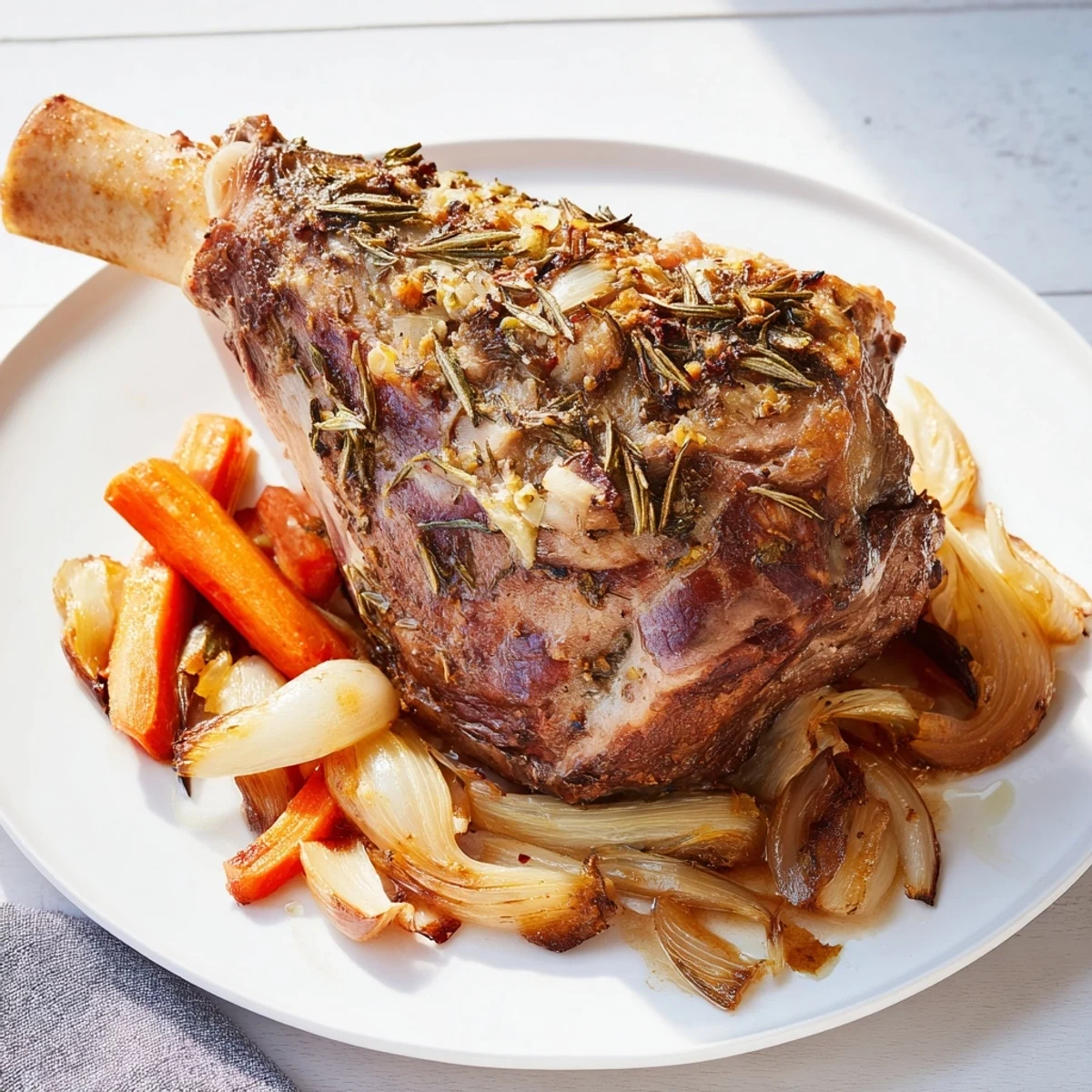
 This lamb shoulder is slow-roasted to achieve perfect tenderness and infused with a robust blend of garlic, fresh rosemary, and olive oil. Aromatic vegetables like onions, carrots, and celery provide depth of flavor as they roast beneath the meat. Slow cooking allows the lamb to become fall-apart soft while soaking in the fragrant marinade. Resting after roasting locks in juices, ensuring each slice is moist and flavorful. Ideal for a hearty, comforting main dish with a Mediterranean touch.
I still remember the first time I made this lamb shoulder—it was for my brother's birthday dinner on a cold autumn evening. I'd spent the afternoon at the market, running my fingers over fresh rosemary sprigs until I found the most fragrant bunch, and somehow I knew this was the dish that would impress everyone gathered around our table. When that golden, crackling lamb emerged from the oven three and a half hours later, the kitchen was so filled with the aroma of garlic and rosemary that guests started arriving early just to follow the smell. That meal changed how I think about slow cooking—it taught me that patience isn't just about time, it's about letting flavors become part of the story you're telling with food.
What really stuck with me was the first time I served this to my in-laws. My mother-in-law, who'd grown up eating her grandmother's slow-roasted meats in Greece, took one bite and asked for the recipe—but more importantly, she asked me to make it again the next month. That's when I realized this wasn't just a recipe; it was a bridge between generations and kitchens, something that spoke a language everyone understood.
Ingredients
- 1 bone-in lamb shoulder (about 2 kg or 4.5 lbs): The bone is your friend here—it adds incredible depth and richness to the roasting liquid, so don't feel tempted to switch to boneless. Ask your butcher to keep the bone in and they'll often score the fat cap, which helps the seasoning penetrate deeper.
- 4 cloves garlic, minced: Mince it finely so it distributes evenly through the paste and doesn't burn. I learned the hard way that chunky garlic can become bitter during long roasting, so take the extra minute to do this properly.
- 2 tbsp fresh rosemary, chopped: Fresh is absolutely essential here—dried rosemary will turn dusty and lose its bright personality. I pick mine in the morning when the oils are strongest.
- 2 tsp sea salt and 1 tsp freshly ground black pepper: Coarse salt actually adheres better to the meat than fine salt, and freshly ground pepper makes a noticeable difference in the final flavor.
- 2 tbsp olive oil: This carries all your seasonings into the meat, so use something good—not your most expensive bottle, but something you'd actually taste on bread.
- 1 lemon, zested and juiced: The zest adds bright, herbal notes while the juice tenderizes ever so slightly. Don't skip either one.
- 2 large onions, thickly sliced, 3 carrots in large chunks, 2 celery stalks chunked: These aren't just vegetables; they become the foundation of your sauce. Keep them large so they don't disintegrate into the liquid.
- 250 ml dry white wine and 250 ml chicken or lamb stock: The wine adds acidity that balances the richness, while the stock deepens the savory notes. I prefer lamb stock when I can find it, but chicken works beautifully too.
Instructions
- Get your oven ready and make the magic paste:
- Preheat your oven to 160°C (320°F)—low and gentle is the secret to this whole thing. While it's heating, combine your minced garlic, chopped rosemary, sea salt, pepper, olive oil, lemon zest, and juice in a small bowl. Stir it together until it looks like a fragrant paste. Breathe in that aroma—that's what your kitchen is about to smell like for hours.
- Prepare the lamb for its transformation:
- Pat your lamb shoulder completely dry with paper towels—this is crucial because moisture prevents browning. Now, using your fingers or the back of a spoon, massage that herb paste all over the lamb. Get it into any crevices, under the fat cap if there is one, everywhere. Take your time with this; you're not just seasoning, you're infusing.
- Arrange your flavor foundation:
- Scatter your thick onion slices across the bottom of your roasting pan, then distribute the carrot and celery chunks around them. These vegetables will soften, caramelize slightly, and eventually become part of your sauce. Place the lamb right on top of this bed.
- Add the liquids and begin the wait:
- Pour the white wine and stock around the lamb—not over it, because you want the top to eventually brown. Cover your pan tightly with foil or a lid, and slide it into that gentle 160°C oven. Set a timer for three hours, and try not to peek too often (I know it's tempting).
- Give it the final golden touch:
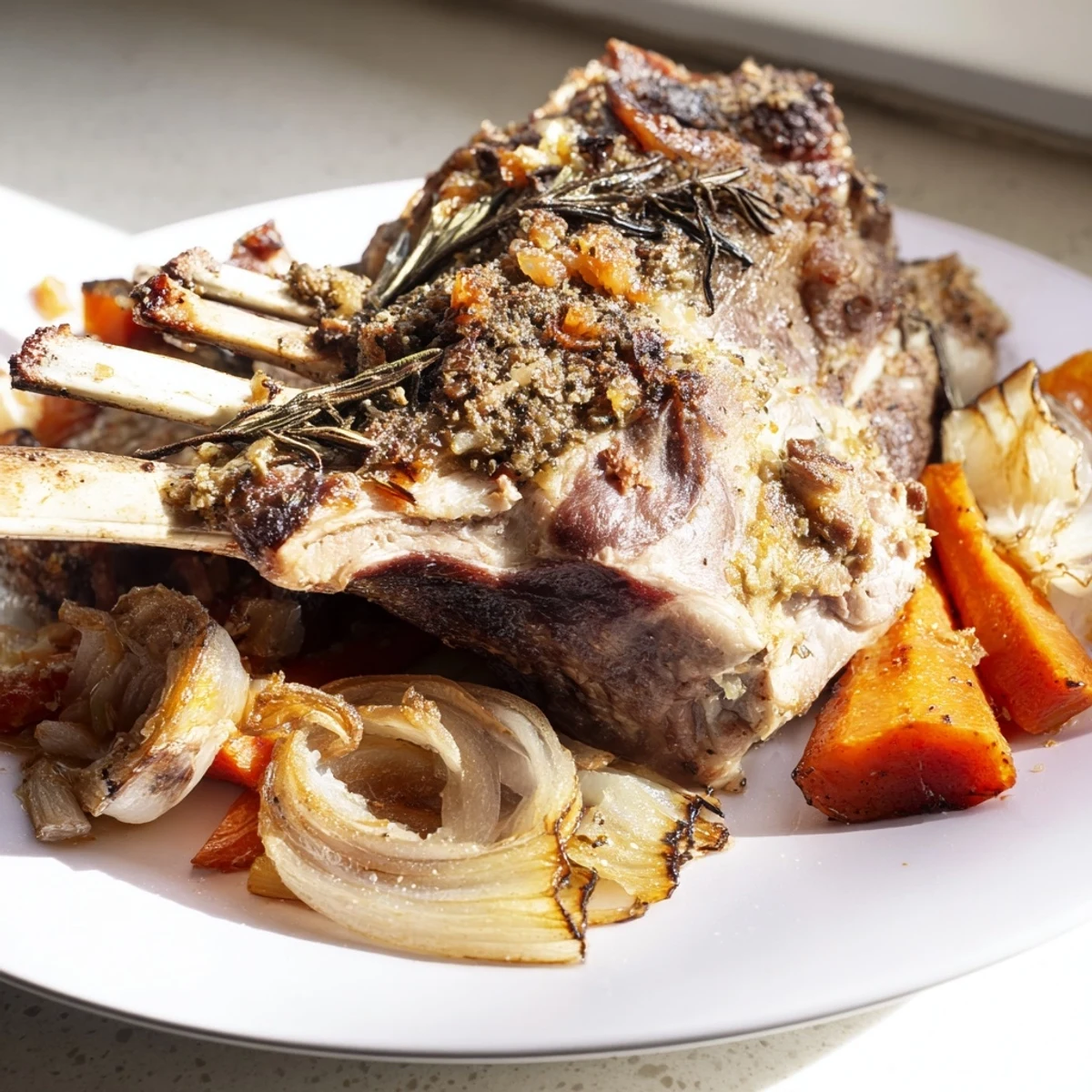
- After three hours, carefully remove the foil. Your kitchen should smell incredible at this point. Increase the oven temperature to 200°C (400°F) and roast uncovered for 30 minutes. Watch as the top of the lamb develops a beautiful golden-brown crust while staying impossibly tender inside.
- Let it rest and then celebrate:
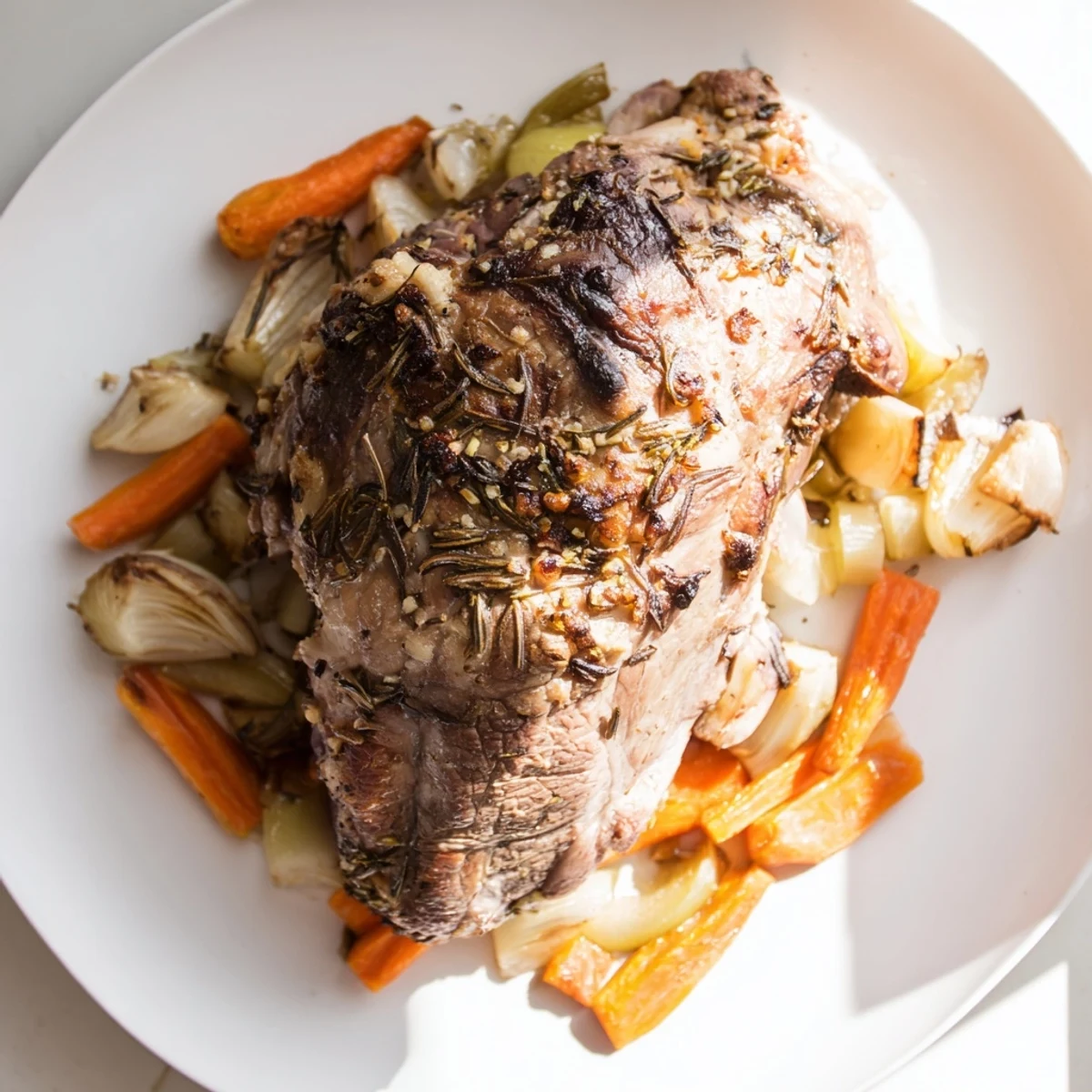
- Remove the lamb from the oven and let it rest for 15 minutes on a cutting board. This is when the fibers relax and reabsorb the juices—skip this step and you'll lose moisture you worked three and a half hours to create. Carve with a fork if you want; the meat will practically fall apart. Serve with those roasted vegetables and spoon the precious pan juices over everything.
 Save to Pinterest
 I'll never forget watching my daughter, who was six at the time, manage to eat an entire plate of this lamb without her usual complaints about vegetables. She was just following the flavors, letting each bite lead to the next. That's when I understood that good food is actually just an act of love made visible on a plate.
The Secret Life of Slow Roasting
Slow roasting isn't complicated—it's actually the opposite. The low temperature (160°C) works like a slow massage on the lamb's connective tissues, gently converting collagen into gelatin without drying out the meat. I think of it like meditation for protein. The vegetables underneath aren't wasted space either; they're becoming a flavor library, breaking down and mingling with the wine and stock to create a sauce that tastes like it took hours to build—because it did. The final 30 minutes at higher temperature is just for show, really, giving you that gorgeous crust that makes people think you've been cooking all day in a fancy kitchen.
What to Serve Alongside
I've learned that what you serve with lamb shoulder matters as much as the lamb itself. Creamy mashed potatoes are the obvious choice, and honestly, they're obvious because they work—all that starchy comfort just melts into the pan juices. But crusty bread is what I usually reach for, specifically something with a real crust that you can tear and use to soak up every last drop of those precious juices. I've also had success with soft polenta, roasted root vegetables, or even a simple green salad dressed in lemon vinaigrette to cut through the richness.
Flexibility and Variations You Can Trust
This recipe is forgiving in ways that matter and strict in ways that count. You can absolutely substitute thyme for rosemary if that's what you have—I did that once and it created a slightly different but equally delicious version. You can use red wine instead of white, beef stock instead of lamb stock, and honestly, the dish still sings. What you cannot change is the low-and-slow approach and the resting time—those aren't optional flourishes, they're structural. What I've learned is that cooking is part math, part intuition, and knowing the difference between the two makes you a better cook.
- If you want deeper color on the lamb, brush it with Dijon mustard mixed with a little honey during the final 10 minutes of roasting—it creates a beautiful glaze.
- Leftover lamb makes the most incredible sandwiches on crusty bread with fresh mint and a dollop of yogurt.
- Leftover pan juices freeze beautifully and become liquid gold when you're making gravy for other meals.
 Save to Pinterest
 This lamb shoulder has a way of bringing people together. Every time I make it, I'm reminded that the best meals aren't the fanciest ones—they're the ones that make your kitchen smell like home and your table sound like laughter.
Recipe Questions
- → How do I ensure the lamb stays tender during cooking?
-
Slow roasting at a low temperature and covering the pan helps retain moisture, making the lamb tender and juicy.
- → Can I prepare the marinade in advance?
-
Yes, marinating the lamb overnight allows the garlic and rosemary flavors to deeply penetrate the meat for a richer taste.
- → What is the purpose of roasting vegetables under the lamb?
-
The vegetables add flavor and moisture to the cooking environment, enhancing the lamb’s taste and providing a tasty side.
- → What can be used instead of rosemary?
-
Fresh thyme works well as a substitute, offering a delicate herbal aroma without overpowering the lamb.
- → How long should the lamb rest before carving?
-
Letting the lamb rest for about 15 minutes after roasting allows juices to redistribute, resulting in a moist and tender slice.