
 Save to Pinterest
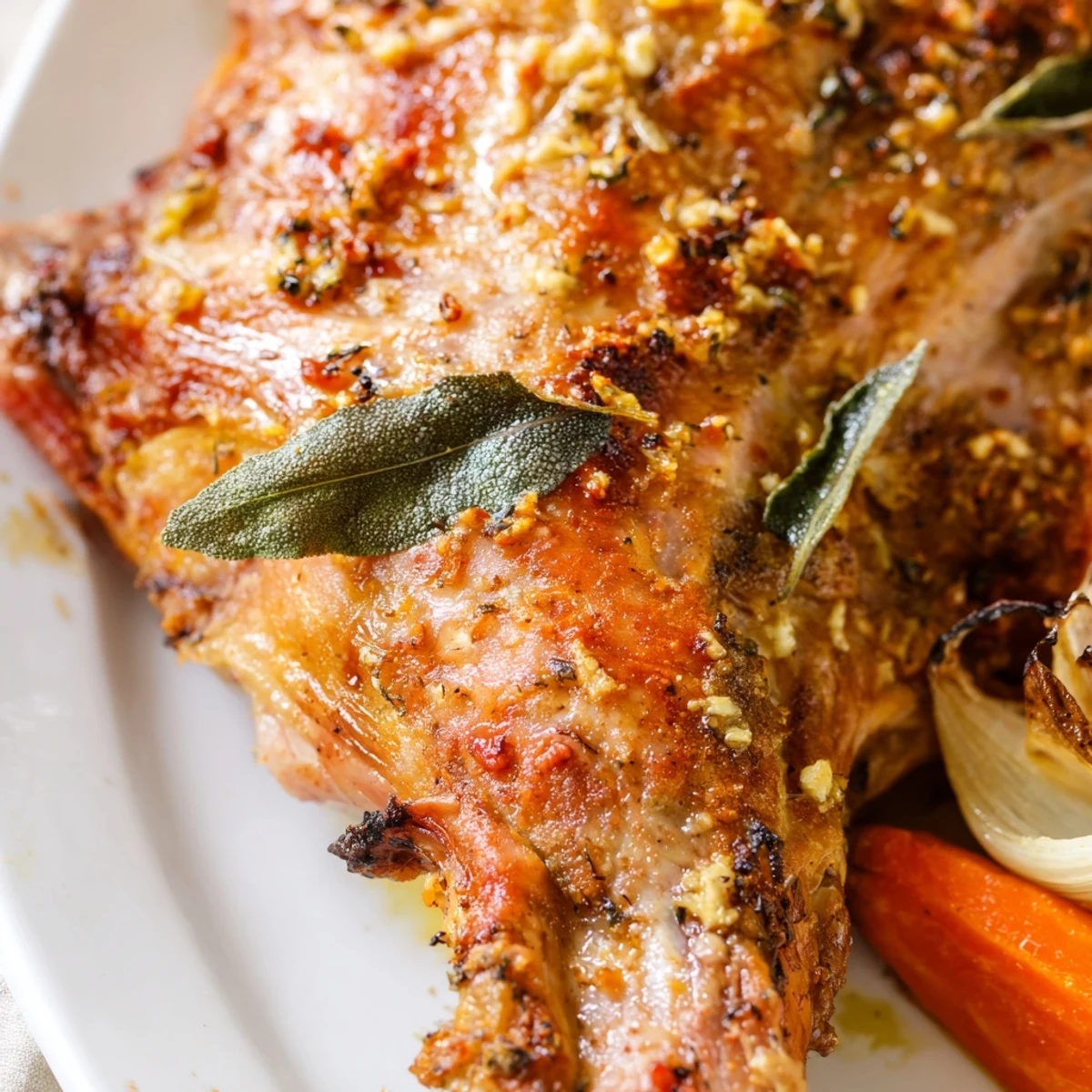
 Slow roasting turkey legs at a low temperature infuses the meat with the aromatic flavors of fresh sage, garlic, and lemon. A blend of olive oil and melted butter creates a moist, savory marinade that enhances tenderness. The legs roast gently atop a bed of onion, carrot, and celery, enriched by broth to keep the meat juicy throughout cooking. A final high-heat roast crisps the skin to golden perfection. This method delivers richly flavored, fall-off-the-bone turkey ideal for cozy meals.
There's something about the smell of sage and lemon filling the kitchen on a quiet afternoon that makes you want to slow everything down. The first time I roasted turkey legs this way, I wasn't even sure they'd turn out tender—I kept opening the oven door, worried they'd dry out. By the end, the meat was falling off the bone, and I realized I'd been stressing over nothing. That low, patient heat does all the work for you.
I made this for a small gathering last November when someone's oven broke and they showed up at my place looking a bit frazzled. I had turkey legs in the freezer and about an hour before people arrived. Watching everyone's faces when they bit into those legs—golden skin shattering, meat practically melting—made me feel like I'd pulled off something much fancier than slow roasting.
Ingredients
- Turkey legs (4, about 300 g each, skin on): These are the real star—look for ones with unblemished skin, and don't peel it off; that's where the crispy goodness comes from.
- Olive oil (2 tbsp) and unsalted butter (1 tbsp, melted): The oil adds richness while the butter helps create that golden crust you're after.
- Fresh sage leaves (2 tbsp finely chopped or 2 tsp dried): Fresh is better here because you'll actually taste the individual leaves; dried sage works but feels more background.
- Garlic cloves (4, minced): Don't skip this step—mince them small so they distribute evenly in the marinade.
- Fresh lemon juice (1 tbsp) and lemon zest (1 tsp): Together, they brighten everything and cut through the richness in a way that feels almost surprising.
- Salt (1 tsp) and black pepper (½ tsp): Season generously; turkey can taste bland without it.
- Onion (1 large, sliced), carrots (2, sliced), and celery (2 stalks, sliced): These aren't just flavor—they become a soft, savory base that catches the drippings.
- Chicken or turkey broth (1 cup): Use the good stuff; the low heat will concentrate its flavors into your pan sauce.
Instructions
- Heat your oven low and slow:
- Preheat to 150°C (300°F). This temperature is your secret weapon—anything hotter and the skin will toughen before the meat cooks through.
- Build your marinade:
- Mix olive oil, melted butter, sage, garlic, lemon juice, lemon zest, salt, and pepper in a small bowl until it looks like a loose paste. Smell it—that's what your kitchen is about to smell like for the next few hours.
- Dry and coat the turkey:
- Pat the turkey legs completely dry with paper towels; this helps the marinade cling better and the skin crisp later. Rub the marinade all over each leg, getting it into every crevice.
- Build your pan:
- Scatter sliced onion, carrots, and celery across the bottom of a large roasting pan. These become your rack and your sauce base. Place the coated turkey legs directly on top.
- Add liquid and cover:
- Pour the broth into the pan around the turkey, not over it—you want that skin staying dry for now. Cover tightly with foil to trap steam and keep everything moist.
- Roast low for the long game:
- Slide into the oven for 2 hours. About halfway through, open it up, tilt the pan slightly, and baste the turkey with the pan juices using a spoon or brush. This keeps the meat juicy and flavorful.
- Finish with heat and time:
- Remove the foil, bump the oven up to 200°C (400°F), and roast uncovered for 15 minutes. Watch for the skin to turn golden and crisp—this is when it tastes like something special.
- Rest before serving:
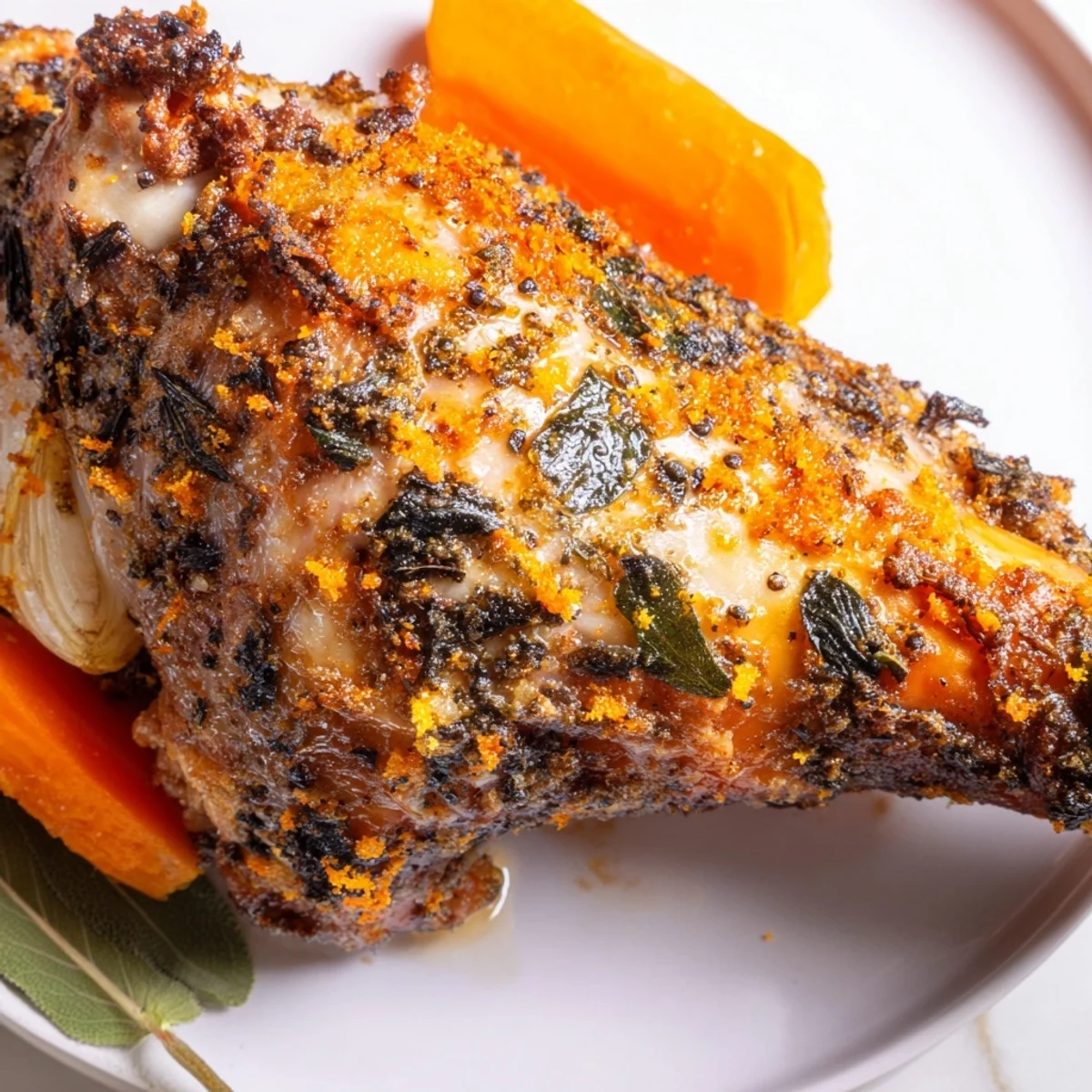
- Let the turkey legs sit for 5–10 minutes out of the oven. This lets the juices redistribute, and your meat stays tender instead of tough. Spoon the pan juices and softened vegetables over each portion.
 Save to Pinterest
 The moment when you pull those legs out of the oven and the skin actually sounds crispy when you touch it—that's when this dish stops being just dinner and becomes something you remember. There's something deeply satisfying about patient cooking that rewards you at the very end.
Why Low and Slow Works Here
Turkey legs are lean, which means they can toughen quickly if you're not careful with heat. The 150°C roast for two hours gives you time to render some of the fat under the skin and turn the meat incredibly tender without any worry of it drying out. By the time you crank the heat up at the end, the meat is already perfect—the high heat just finishes what the low heat started, giving you that crispy exterior everyone loves.
Building Flavor with Aromatics
Those sliced vegetables at the bottom do more than just sit there. As they soften over two hours, they break down into the pan juices, adding body and sweetness to your sauce. The sage and garlic in the marinade mingle with that savory base, creating something richer than either could be alone. By the time you're plating, you have a natural pan sauce that tastes like you spent the whole day on it.
Serving and Variations
These legs shine with creamy mashed potatoes or roasted root vegetables on the side—something to soak up those pan juices. If you want to push it further, try adding a sprig of fresh rosemary or thyme with the vegetables, or even a splash of white wine mixed into the broth. Leftovers shred beautifully for sandwiches the next day, and the meat stays tender even cold.
- Don't waste those pan juices; pour them over your sides or even simmer them down into a more concentrated sauce.
- Fresh herbs beat dried sage every time, but frozen sage works in a pinch if you thaw it first.
- If your oven runs hot or cool, adjust the time by 15 minutes in either direction, but keep an eye on it.
 Save to Pinterest
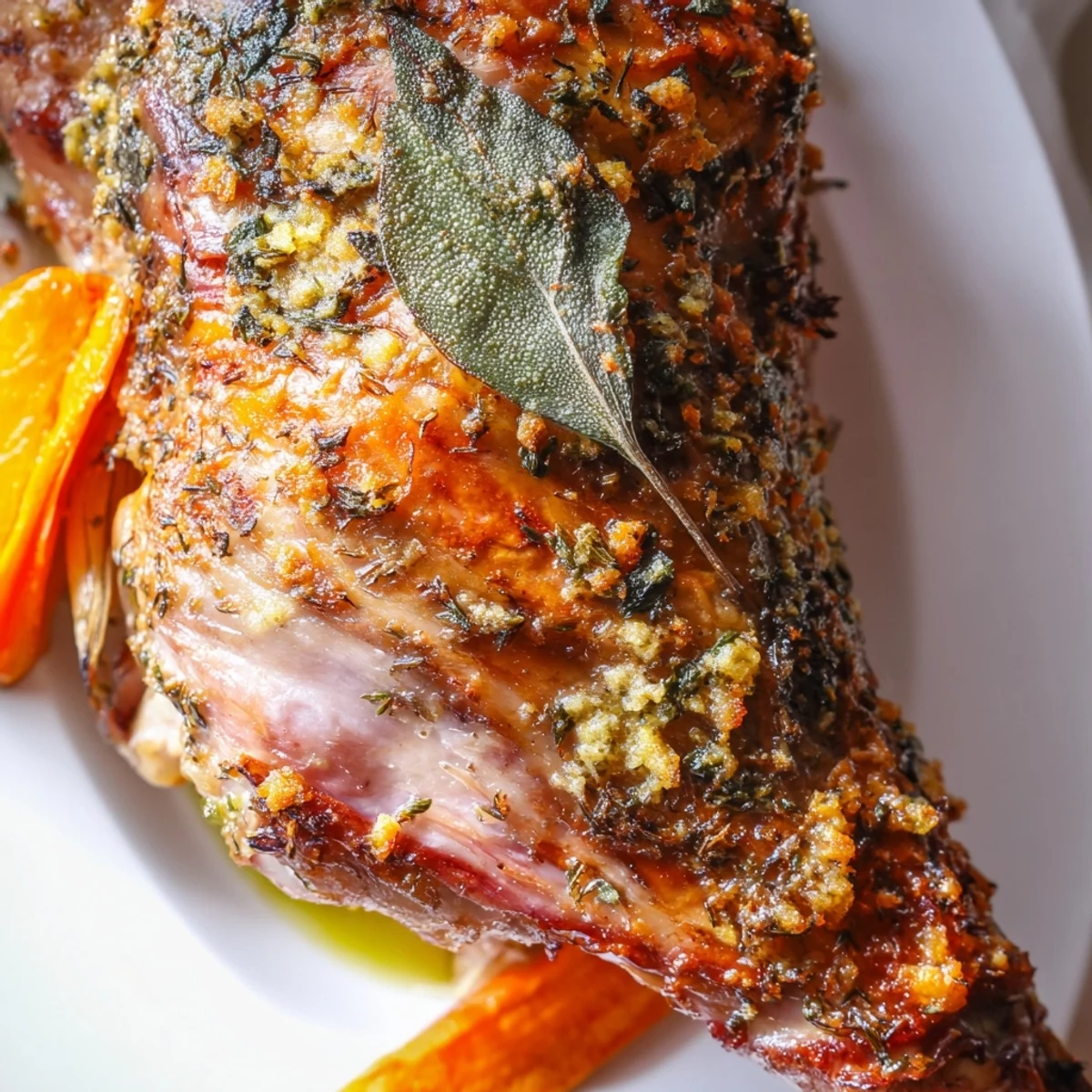
 This is the kind of recipe that proves you don't need complicated techniques or rare ingredients to create something genuinely delicious. Just patience, good sage, and a little citrus to brighten it all up.
Recipe Questions
- → How does slow roasting affect turkey legs?
-
Slow roasting at a low temperature breaks down connective tissues, producing tender, juicy meat that easily falls off the bone.
- → Why use sage in the marinade?
-
Sage adds an earthy, aromatic note that complements the rich flavor of turkey, enhancing the overall taste profile.
- → What is the purpose of roasting vegetables underneath?
-
The vegetables infuse moisture and flavor into the meat as it cooks, while their softened texture adds depth to the dish.
- → Can I substitute fresh sage with dried sage?
-
Yes, dried sage can be used at a lower quantity (about two teaspoons) and still provide a similar herbal flavor.
- → How to achieve crispy skin after slow roasting?
-
After slow roasting, increasing oven temperature and roasting uncovered crisps the skin, creating a golden, appetizing finish.
- → Is basting necessary during cooking?
-
Basting once halfway through helps maintain moisture and infuses additional flavor from pan juices onto the turkey legs.