
 Save to Pinterest
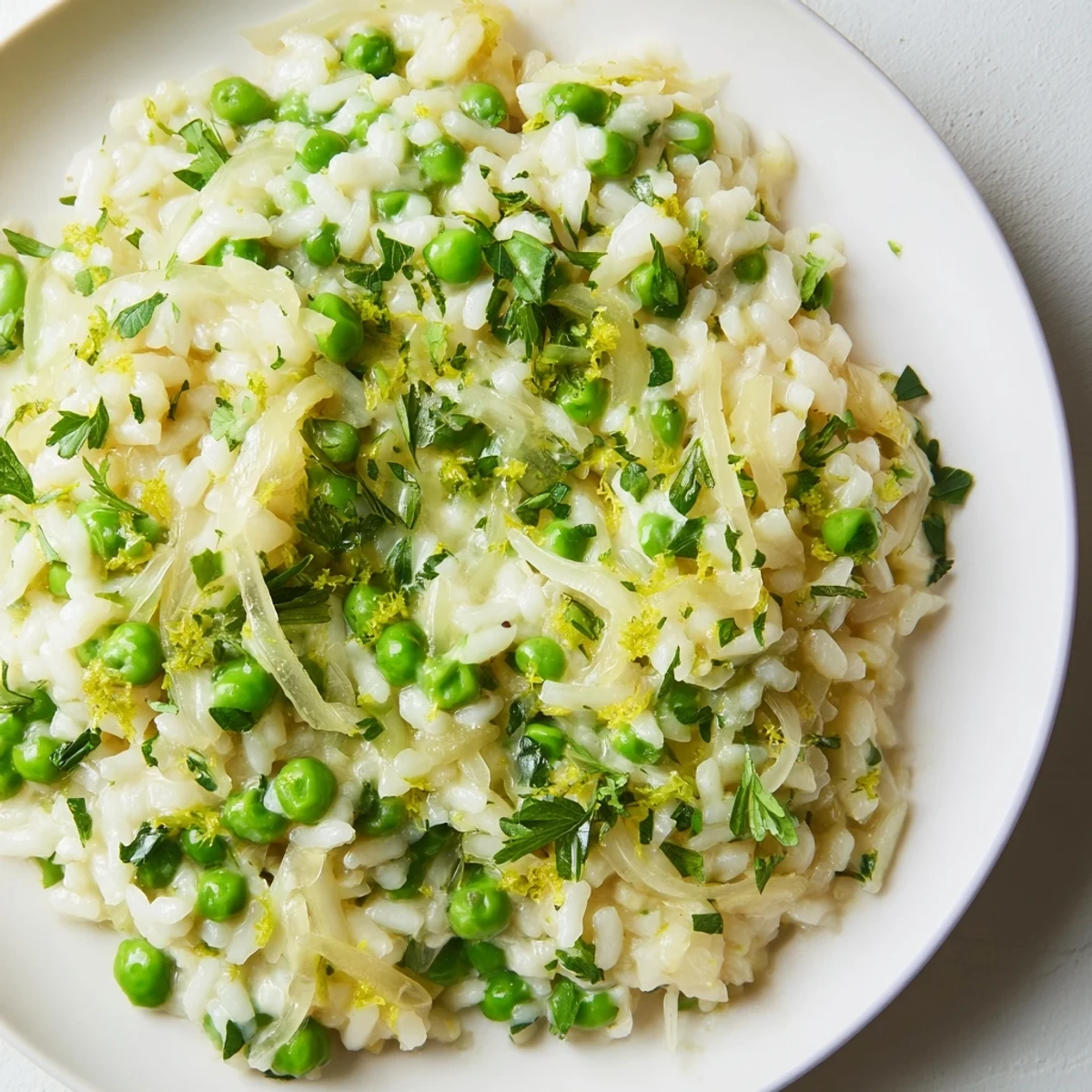
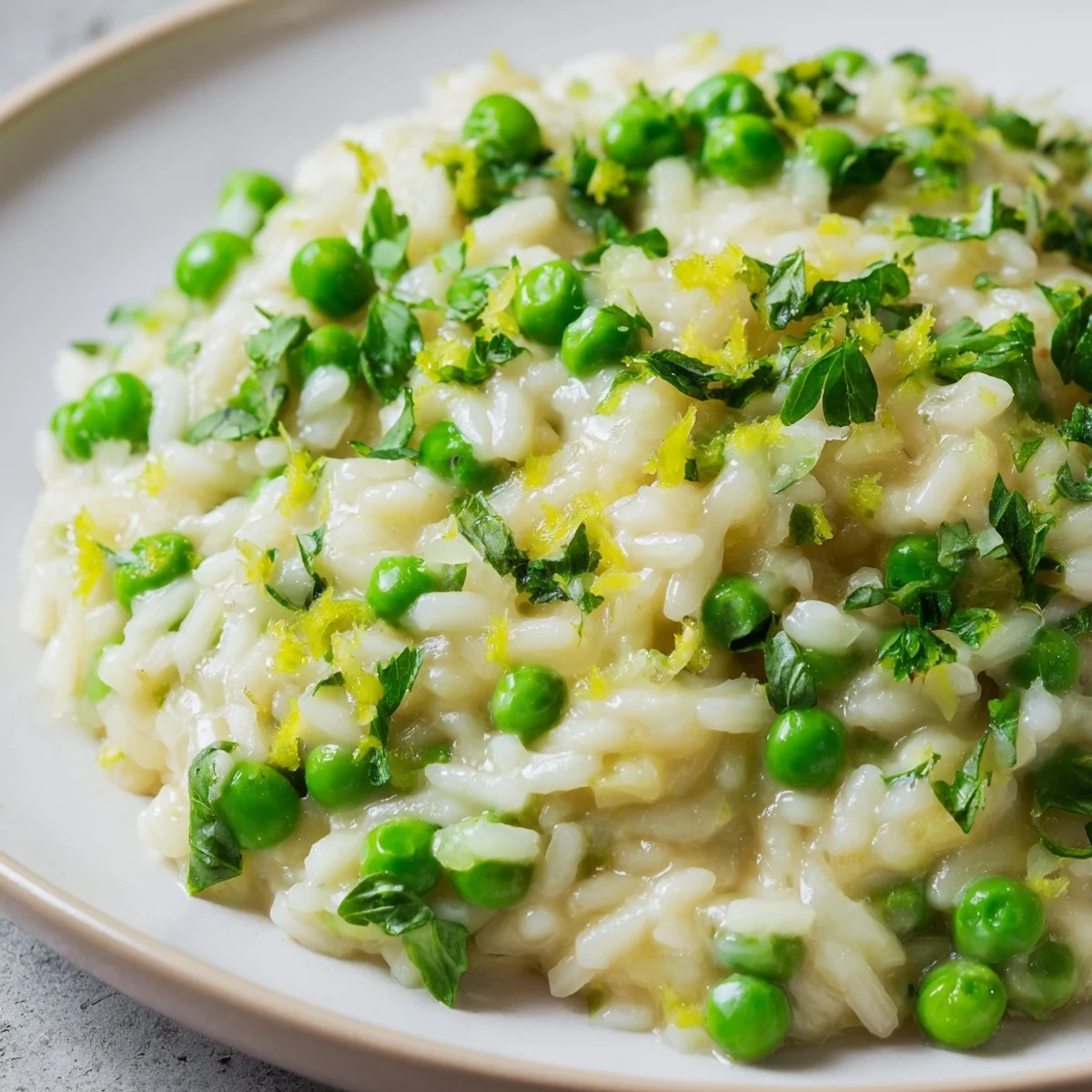
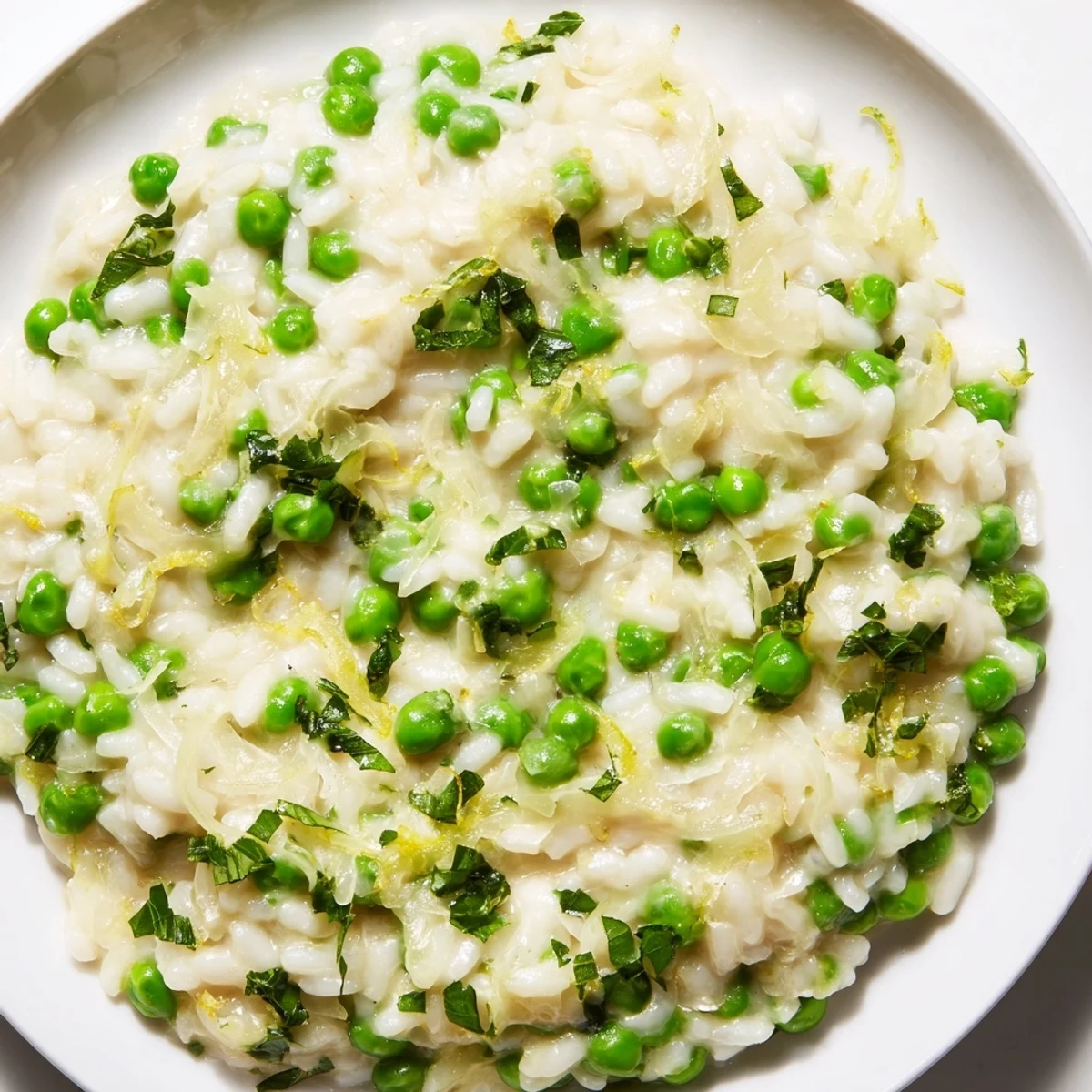
 This creamy Italian dish combines Arborio rice with sweet spring peas, fresh parsley and mint, garlic, onion, and Parmesan cheese. The slow-cooked method creates the signature velvety texture while the peas add vibrant color and natural sweetness. White wine deglazing adds subtle acidity, while butter creates richness. Perfect for showcasing fresh spring produce in an elegant yet comforting main dish that serves four.
The first time I made this risotto was on a rainy April afternoon when I'd impulse-bought a bag of fresh peas at the farmers market. Something about the way their bright green pods promised spring sunshine made me stand at the stove, stirring and stirring, while rain tapped against the kitchen window. That day taught me that risotto isn't so much a recipe as a meditation, a rhythm of adding broth and stirring until something magical happens.
Last spring I made this for friends who'd just moved into their first apartment together. We crowded around their tiny kitchen island, taking turns at the stove while sharing stories about terrible cooking disasters from our early twenties. The risotto turned out perfectly, but what I remember most is how the ritual of stirring and talking turned a simple dinner into something that felt like home.
Ingredients
- 1 1/2 cups Arborio rice: This short-grain rice releases starch as it cooks, creating that signature creamy texture that makes risotto so irresistible. Don't substitute with long-grain rice.
- 4 cups vegetable broth: Keep it warm in a separate pot while you cook. Adding cold broth shocks the rice and affects the texture.
- 1 cup fresh or frozen spring peas: Fresh peas are worth seeking out during peak season, but frozen work beautifully year-round and need no thawing.
- 1 small onion: Finely chopped so it melts into the rice. This builds the aromatic foundation.
- 2 cloves garlic: Minced fresh. Pre-minced jarred garlic can taste harsh in such a simple dish.
- 1/2 cup dry white wine: Pinot Grigio or Sauvignon Blanc work well. The alcohol cooks off, leaving behind subtle acidity that balances the creaminess.
- 3 tablespoons unsalted butter: Divided use. One tablespoon helps sauté the aromatics, two tablespoons finish the dish with luxurious richness.
- 1/2 cup grated Parmesan cheese: Use a microplane or fine grater for the best texture. Pre-grated cheese often contains anti-caking agents that prevent smooth melting.
- 2 tablespoons fresh parsley: Finely chopped. Its bright flavor cuts through the richness.
- 1 tablespoon fresh mint: Optional but worth trying. Mint makes peas taste more pea-like and adds a spring-forward note.
- Zest of 1 lemon: Optional for brightness. A little acid at the end makes all the flavors pop.
- Salt and freshly ground black pepper: Taste and adjust at the end. Broth and cheese both add salt, so go easy initially.
Instructions
- Warm the broth:
- Pour the vegetable broth into a medium saucepan and bring it to a gentle simmer over medium-low heat. Once bubbling, reduce the heat to low to keep it warm while you cook the risotto.
- Sauté the aromatics:
- In a large heavy-bottomed skillet or saucepan, heat the olive oil and 1 tablespoon butter over medium heat until the butter foams. Add the chopped onion and cook for 2 to 3 minutes, stirring occasionally, until it turns translucent and soft. Stir in the garlic and cook for just 1 minute until fragrant, taking care not to let it brown.
- Toast the rice:
- Add the Arborio rice to the pan and stir constantly for about 2 minutes. The grains should look slightly translucent at the edges and smell nutty. This toasting step helps the rice hold its texture during cooking.
- Deglaze with wine:
- Pour in the white wine and stir continuously until the liquid has nearly evaporated. The rice will start to look glossy as it absorbs the wine.
- Add broth gradually:
- Add one ladleful (about 1/2 cup) of warm broth to the rice, stirring gently. Wait until most of the liquid has been absorbed before adding the next ladleful. Continue this process for 18 to 20 minutes, stirring often to release starch and prevent sticking, until the rice is creamy and al dente with a slight bite at the center.
- Add the peas:
- About 5 minutes before the rice is finished, stir in the peas. They need only a few minutes to cook through and stay bright green.
- Finish the risotto:
- Remove the pan from heat. Stir in the remaining 2 tablespoons butter, Parmesan cheese, parsley, mint if using, and lemon zest. The residual heat will melt the butter and cheese into a velvety sauce. Season with salt and pepper to taste.
- Serve immediately:
- Spoon the risotto into warm bowls. It continues to thicken as it sits, so don't delay. Top with extra Parmesan and fresh herbs if you like.
 Save to Pinterest
 This recipe has become my go-to for first dinner parties. There's something about the rhythm of adding broth and stirring that gives you time to be present with people instead of frantically finishing last-minute tasks. Plus, watching someone take that first bite, their eyes widening at how something so simple can taste so extraordinary, never gets old.
The Art of Risotto Rice
Arborio rice contains more starch than other varieties, which is what gives risotto its characteristic creaminess. Carnaroli and Vialone Nano are excellent alternatives that some chefs prefer for their even starch distribution and ability to hold texture. Look for rice labeled specifically for risotto, imported from Italy if possible.
Building Flavor in Layers
Risotto rewards patience. Each addition of broth should be almost fully absorbed before the next one goes in. This gradual cooking allows the rice to release starch continuously, creating a silky texture that can't be rushed. The final addition of cold butter and cheese off the heat, called mantecatura, is what transforms good risotto into great risotto.
Make It Your Own
Once you master the basic technique, this risotto becomes a canvas for seasonal vegetables. Asparagus and morels in spring, corn and tomatoes in summer, butternut squash and sage in fall, or kale and mushrooms in winter. The method stays the same. Only the vegetables change.
- For a protein boost, stir in shredded rotisserie chicken or cooked shrimp during the last few minutes.
- A splash of heavy cream with the finishing butter adds over-the-top richness for special occasions.
- Leftover risotto makes excellent arancini. Form into balls, bread, and fry until golden.
 Save to Pinterest
 Some dishes are just made for sharing, and this is one of them. There's genuine joy in watching people gather around the table, drawn by the smell of something simple made with care.
Recipe Questions
- → What makes risotto creamy?
-
The creaminess comes from Arborio rice's high starch content, which releases during slow cooking and constant stirring. Adding warm broth gradually allows the rice to release this starch naturally.
- → Can I use frozen peas instead of fresh?
-
Yes, frozen peas work wonderfully. Add them directly to the risotto during the last 5 minutes of cooking without thawing first.
- → Why must the broth be warm?
-
Adding cold broth shocks the rice and interrupts the starch release, resulting in less creamy texture. Warm broth maintains consistent cooking temperature.
- → How do I know when risotto is done?
-
The rice should be tender but still have a slight bite in the center (al dente), and the texture should be flowing and creamy, not soupy or stiff.
- → Can I make this vegan?
-
Yes, substitute butter with olive oil or vegan butter, and use nutritional yeast or vegan Parmesan alternative in place of dairy cheese.
- → What wine pairs best with this dish?
-
A crisp Sauvignon Blanc or Pinot Grigio complements the creamy texture and bright pea flavors. The same wine used in cooking works perfectly for serving.