
 Save to Pinterest
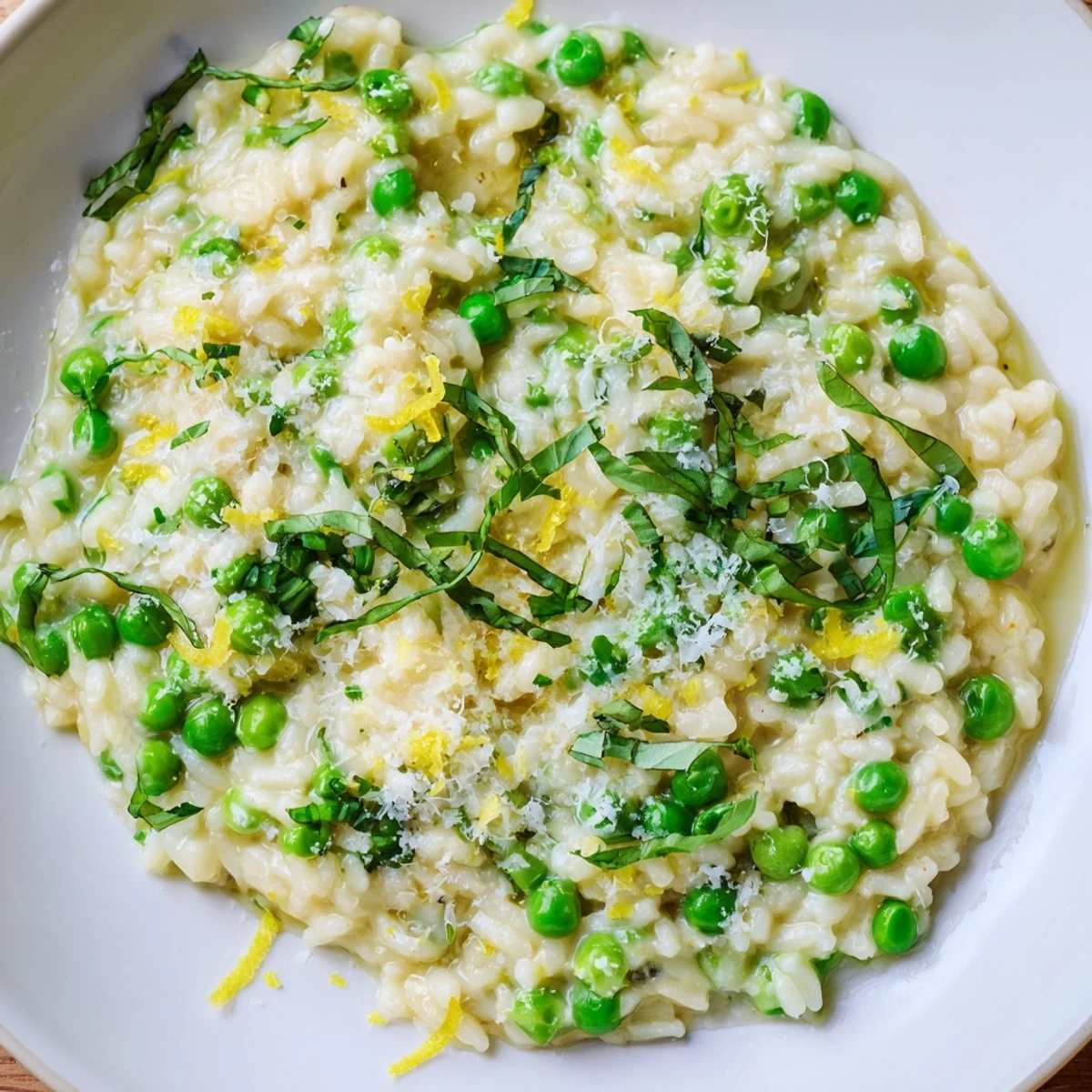
 This vibrant Italian-style risotto combines creamy Arborio rice with sweet spring peas, freshly grated Parmesan, and aromatic basil. The dish achieves its signature texture through the traditional method of gradually adding warm broth, allowing the rice to release its natural starches for a luxuriously creamy consistency without requiring heavy cream. A finish of lemon zest and juice brightens the rich flavors, while fresh herbs add depth and color. Perfect for entertaining or a satisfying weeknight dinner, this dish pairs beautifully with crisp white wine and a simple green salad.
The first time I made risotto, I stood at the stove for forty-five minutes, convinced I had ruined it completely. My wrist ached from stirring, and the rice seemed to absorb every drop of broth while still staying stubbornly crunchy. But then, somewhere around the twentieth minute, something shifted—the rice suddenly turned creamy and luscious, transforming into this entirely different creature than what I had started with. That moment of conversion from skepticism to devotion is why I keep coming back to risotto, especially this bright spring version.
I made this for friends on a rainy April evening when we were all craving something comforting but not wintry. The way their eyes lit up at that first bright green spoonful told me everything—it felt like spring itself had arrived in the kitchen. Now whenever I spot fresh peas at the farmers market, this recipe is instantly on the menu.
Ingredients
- 1 1/2 cups Arborio rice: This short-grain rice is absolutely non-negotiable—its high starch content creates that signature creamy texture that makes risotto so irresistible.
- 5 cups low-sodium vegetable broth: Keeping the broth warm is crucial because adding cold liquid shocks the rice and interrupts that crucial starch release.
- 1 tablespoon olive oil and 2 tablespoons unsalted butter: I use half olive oil to prevent burning and half butter because, well, butter makes everything taste better.
- 1 small yellow onion, finely diced: Take the time to dice these really small—they should melt into the rice rather than leaving identifiable chunks.
- 2 garlic cloves, minced: Fresh garlic adds that aromatic foundation, but do not let it brown or it will turn bitter.
- 1 1/2 cups fresh or frozen spring peas: Fresh peas are sublime in season, but honestly, high-quality frozen peas work beautifully here year-round.
- 1/2 cup freshly grated Parmesan cheese: Buy a wedge and grate it yourself—pre-grated cheese has anti-caking agents that prevent it from melting properly.
- 2 tablespoons heavy cream: This is optional, but I always include it for that extra luxurious finish.
- 1/3 cup fresh basil leaves, sliced: The chiffonade technique—rolling leaves and slicing into ribbons—releases more of those wonderful aromatic oils.
- 1 teaspoon lemon zest and 1 tablespoon lemon juice: This bright element balances the richness and makes each bite sing.
- Salt and freshly ground black pepper: Taste and adjust at the very end since the Parmesan adds significant saltiness.
Instructions
- Warm the broth:
- Pour the vegetable broth into a medium saucepan and bring it to a gentle simmer over low heat, then keep it warm throughout the cooking process.
- Sauté the aromatics:
- In a large heavy-bottomed skillet or Dutch oven, heat the olive oil and 1 tablespoon butter over medium heat until the butter foams.
- Soften the onion:
- Add the diced onion and cook for about 4 minutes until translucent and fragrant, then stir in the garlic and cook for just 1 minute more.
- Toast the rice:
- Pour in the Arborio rice and stir constantly for about 2 minutes until the grains look slightly opaque around the edges and smell nutty.
- Begin the broth additions:
- Add one ladleful (about 1/2 cup) of warm broth and stir frequently until most of the liquid has been absorbed.
- Continue adding broth gradually:
- Keep adding broth one ladleful at a time, stirring and letting the liquid absorb before adding more, for 18 to 22 minutes total.
- Add the peas:
- When the rice is almost al dente and creamy, stir in the peas and cook for 2 to 3 minutes until tender and bright green.
- Finish with the creamy elements:
- Remove from heat and stir in the remaining 1 tablespoon butter, Parmesan, heavy cream, basil, parsley, lemon zest, and lemon juice.
- Season and serve:
- Taste and adjust with salt and pepper as needed, then serve immediately with extra Parmesan and fresh basil on top.
 Save to Pinterest
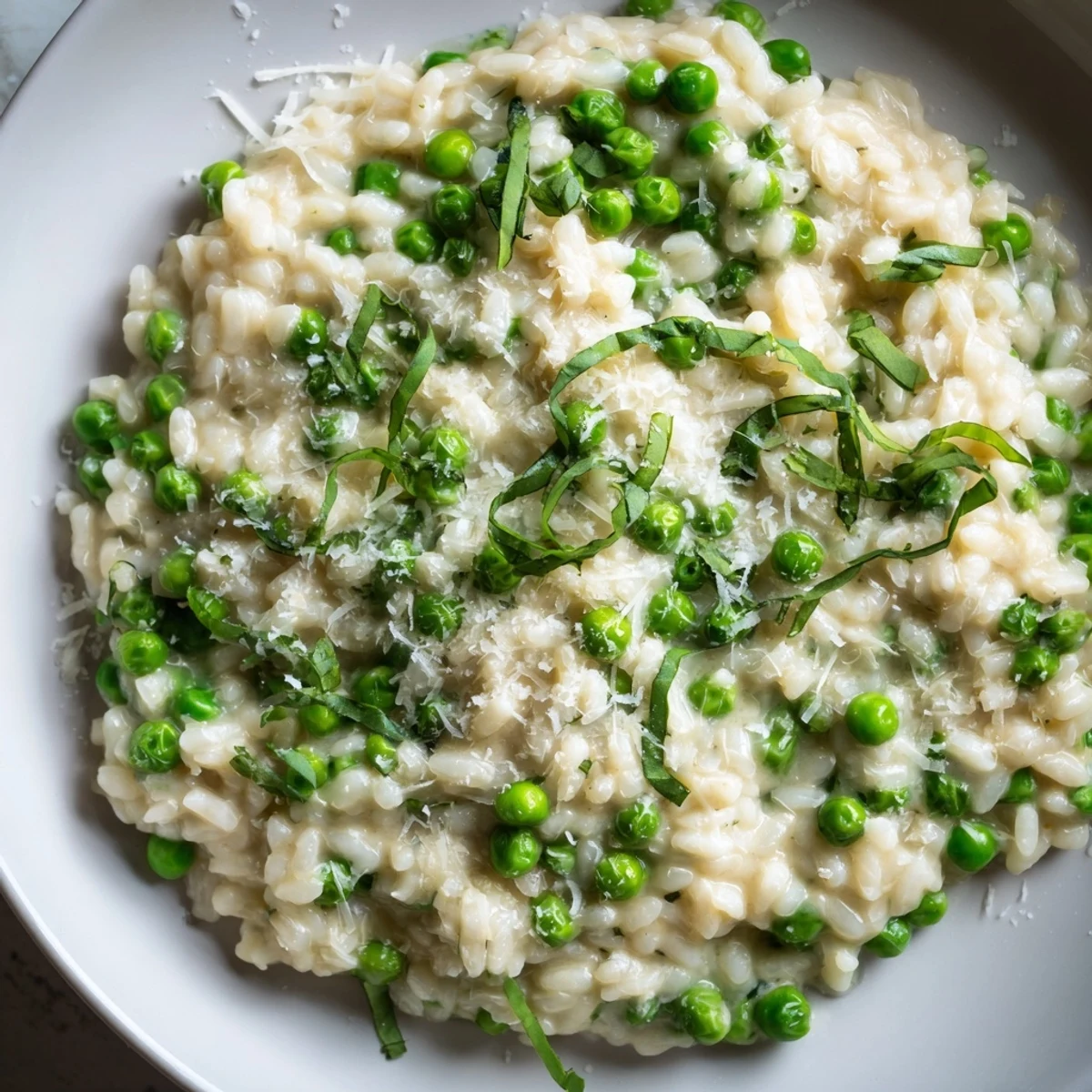
 My sister called me mid-cooking once, panicked that her risotto was still crunchy after twenty minutes. We talked through it and realized she had stopped stirring to answer the phone. When she returned to the stove and started again, the rice magically transformed—proof that the active stirring is doing real work beyond preventing sticking.
The Broth Temperature Secret
Keeping your broth at a gentle simmer rather than a rolling boil makes a bigger difference than you would think. Hot broth maintains the cooking temperature of the rice, ensuring each addition continues the cooking process seamlessly rather than pausing it. That uninterrupted heat is part of what gives restaurant risotto that perfect texture.
When to Add the Peas
I have made the mistake of adding peas too early, watching them turn dull and mushy as the rice cooked. Now I wait until those last few minutes, letting them just barely blanch in the creamy risotto. This way they stay bright green and pop with sweetness against the savory rice.
Making It Your Own
This risotto adapts beautifully to whatever vegetables are in season. Asparagus works particularly well, added in the same way as the peas. In summer, swap the peas for diced zucchini. The lemon and basil remain my favorite finishing touches regardless of the vegetable choice.
- Fresh mint can replace half the basil for a surprisingly lovely twist
- A splash of white wine with the first broth addition adds depth
- Leftover risotto makes incredible arancini the next day
 Save to Pinterest
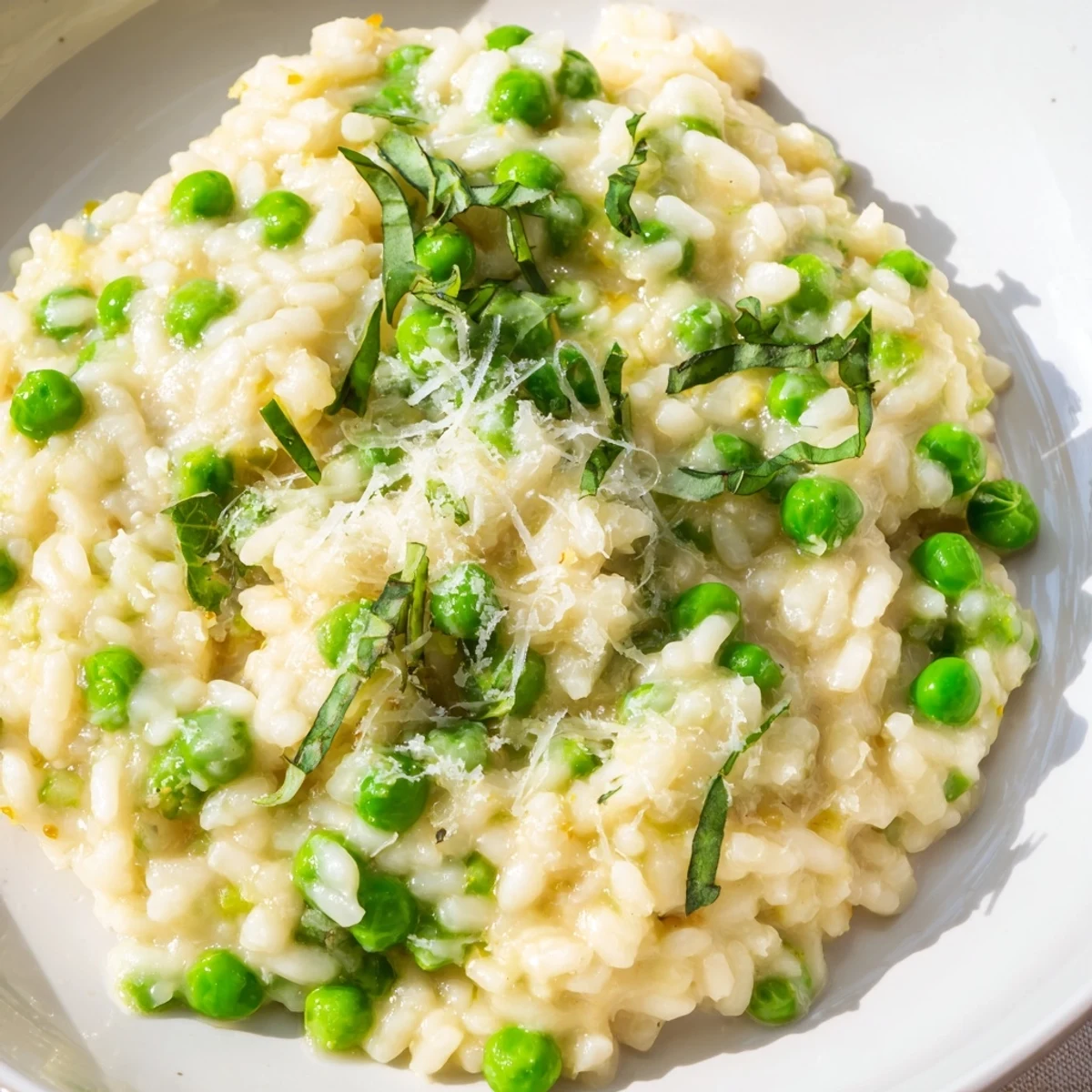
 There is something deeply satisfying about standing at the stove, ladle in hand, watching the transformation happen. This risotto is worth every minute of stirring.
Recipe Questions
- → What makes risotto creamy without heavy cream?
-
The creaminess comes from Arborio rice, which has high starch content. As you gradually add warm broth and stir, the rice releases starch into the liquid, creating a naturally creamy texture. The optional heavy cream enhances richness but isn't necessary for a smooth result.
- → Can I use frozen peas instead of fresh?
-
Absolutely. High-quality frozen peas work beautifully year-round and actually maintain their bright green color better than fresh peas that have been stored too long. Add them directly from frozen during the last few minutes of cooking.
- → Why must the broth be warm when adding to risotto?
-
Warm broth maintains the cooking temperature of the rice. Cold broth would shock the grains, interrupting the starch release and resulting in uneven cooking. Keeping broth gently simmering ensures consistent texture and proper doneness.
- → How do I know when the risotto is done?
-
Perfect risotto should be al dente—tender but with a slight bite at the center. The texture should be fluid and creamy, not stiff or dry. If you draw a spoon through the center, the creamy rice should slowly flow back together.
- → Can I make this risotto vegan?
-
Yes. Substitute olive oil or vegan butter for the dairy butter, use nutritional yeast or vegan Parmesan alternative, and omit the heavy cream. The risotto will still be creamy and delicious, relying on the rice's natural starches for texture.
- → What wine pairs well with this dish?
-
A crisp Sauvignon Blanc or Pinot Grigio complements the creamy rice and fresh peas beautifully. The acidity cuts through the richness while enhancing the herbal notes from the basil and the brightness of the lemon.