
 Save to Pinterest
 Extracting fresh lemon juice is a simple, quick process that enhances your culinary creations. Begin by washing and rolling the lemon to soften it, then cut it in half. Squeeze each half over a bowl or glass, catching seeds if needed. For more juice, microwave briefly before squeezing. Straining the juice removes pulp and seeds for a smoother texture. Store juice in the refrigerator up to three days. This technique adds bright, natural flavor to drinks and dishes alike.
There's something almost meditative about squeezing a lemon by hand, watching that bright juice flow into a bowl while the kitchen fills with citrus oil. I learned this simple technique years ago when a friend's grandmother showed me her way—no fancy gadgets, just a good rolling motion and firm hands. It sounds trivial, but it changed how I cook, because fresh lemon juice becomes something you actually want to reach for instead of a chore. That's when I realized: the best recipes often start with knowing how to get the most out of a single piece of fruit.
I remember making a salad for friends on a warm evening, and someone asked why it tasted so much brighter than restaurant versions. I pointed to the fresh lemon juice still dripping from my fingers, and they suddenly understood—the zest in the air, the squeeze still warm from my hand, the pulp catching the light. That small moment of seeing someone taste something and immediately want to know the secret taught me that the simplest techniques matter most.
Ingredients
- Fresh Lemon: Choose one that feels heavy for its size and has thin skin—those hold more juice than thick-skinned ones, a trick I picked up after squeezing dozens of them over the years.
Instructions
- Wash and Prepare:
- Rinse the lemon under cool running water, rubbing it gently with your fingers to remove any waxy coating or dirt.
- Roll for Maximum Juice:
- Place the lemon on your countertop and roll it back and forth under your palm with steady, gentle pressure. You'll feel it soften slightly as the juice chambers inside break apart—that's exactly what you want.
- Cut with Intent:
- Using a sharp knife on a cutting board, slice the lemon in half crosswise, which gives you a wider surface for squeezing and better visibility for catching seeds.
- Squeeze and Catch:
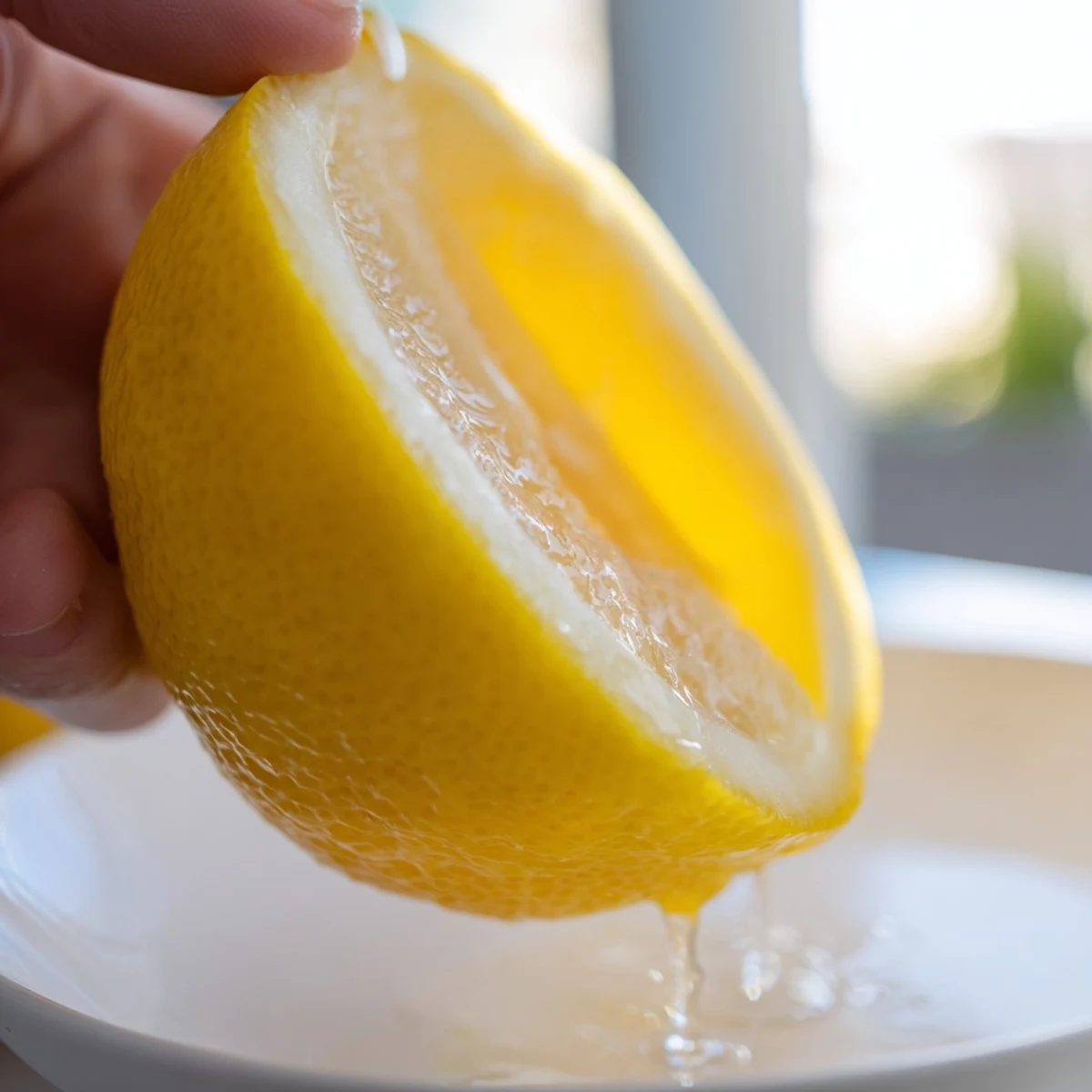
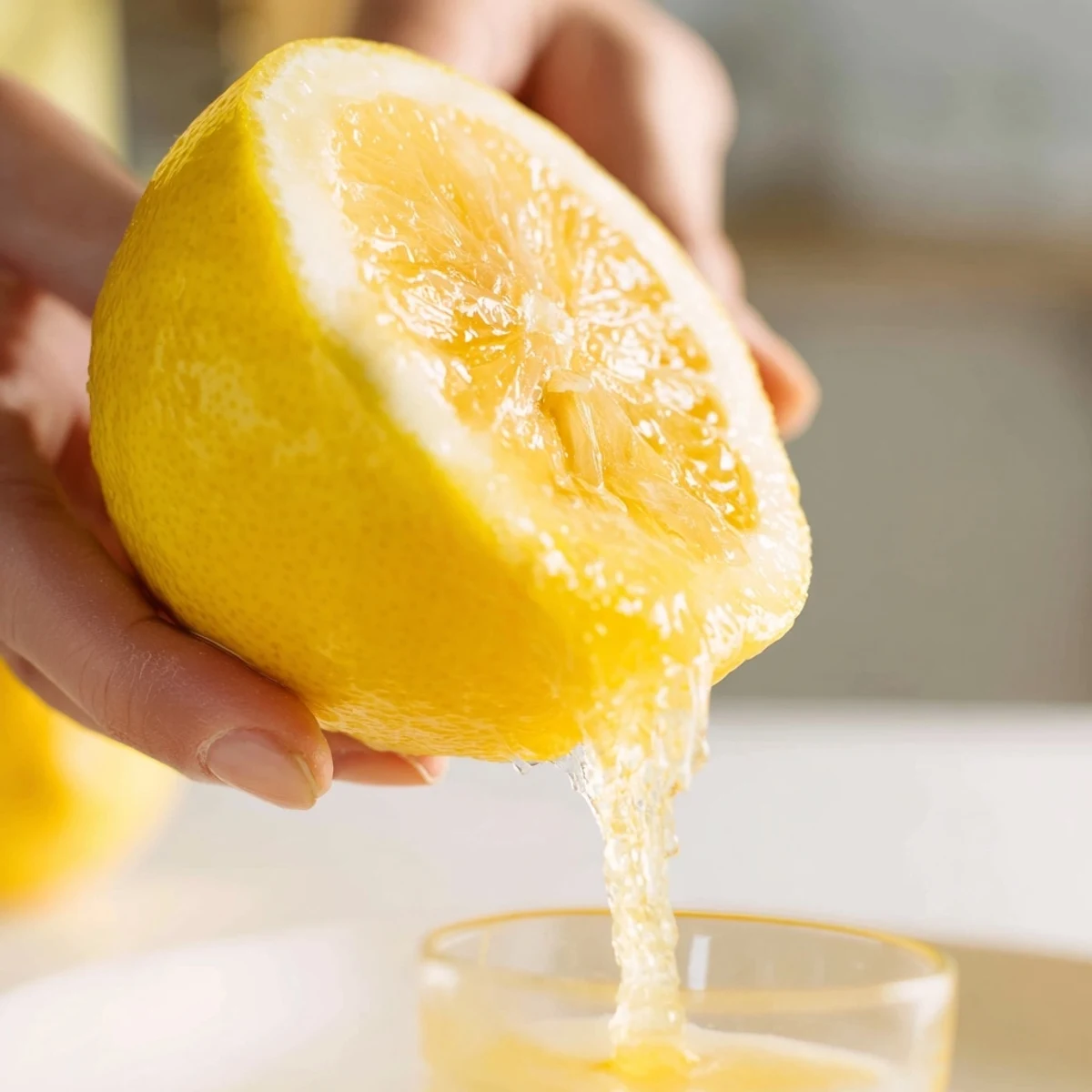
- Hold one half cut-side up over a bowl or glass with your fingers curled around it, and squeeze firmly. The cut surface lets gravity help, and seeds naturally want to stay behind.
- Finish the Second Half:
- Repeat with the other half, pressing until you feel the resistance of the pith, which means you've gotten everything.
- Strain (If You Like):
- Pour the juice through a fine mesh strainer if you want it absolutely smooth, though fresh pulp adds character and nutrition.
 Save to Pinterest
 One morning, I was making a vinaigrette in a rush and grabbed a cold lemon from the fridge, squeezing frantically because I was running late for work. I got almost nothing and ended up frustrated, then I remembered: warmth matters. Now I run lemons under hot water for thirty seconds, and somehow that small patience changes everything about the day.
The Science of Sweetness
Lemon juice is acidic, but it works magic on other flavors—it brightens, it cuts through richness, it makes people taste food more deeply without realizing why. I've seen a simple drizzle of fresh juice transform a bland pasta sauce or a tired salad into something memorable, which is why learning to extract every last drop feels less like a kitchen task and more like unlocking a flavor superpower.
Storage and Smart Thinking
Fresh lemon juice keeps in an airtight container in the refrigerator for up to three days, though it's best used the same day you squeeze it, when the brightness is most alive. I learned this the hard way when I squeezed a batch Sunday morning and forgot about it, then wondered why my Wednesday salad tasted a bit flat.
Beyond the Squeeze
After you've squeezed a lemon dry, don't throw away the rind—the zest has concentrated oils that add depth to baking, dressings, and savory dishes. Microplaning a zest is its own small ritual, one that reminds you the fruit gives more than one gift. A whole lemon used completely feels less wasteful and tastes more intentional.
- Save your zest immediately after squeezing, before the skin dries out and becomes harder to work with.
- A single lemon can contribute both juice and zest to the same recipe for layered brightness.
- Keep lemons at room temperature when you're planning to use them fresh, and refrigerate only if you want to store them longer than a week.
 Save to Pinterest
 Squeezing a lemon is a small act that teaches patience and intention, yet it's the kind of thing that quietly improves everything you cook. Once you taste the difference it makes, you'll find yourself doing it naturally, without thinking.
Recipe Questions
- → What's the best way to get more juice from a lemon?
-
Roll the lemon firmly on a countertop before cutting to soften it, and microwave it for 10-15 seconds to increase yield.
- → Should I strain lemon juice before use?
-
Straining removes pulp and seeds, resulting in a smoother juice ideal for dressings and drinks.
- → How long can fresh lemon juice be stored?
-
Refrigerate the juice in an airtight container for up to three days to maintain freshness.
- → Can lemon zest be used alongside the juice?
-
Yes, lemon zest adds extra flavor and aroma to dishes complementing the juice.
- → Are any tools required for effective squeezing?
-
A sharp knife, cutting board, and a citrus juicer or hands are enough; a fine strainer is optional.