
 Save to Pinterest
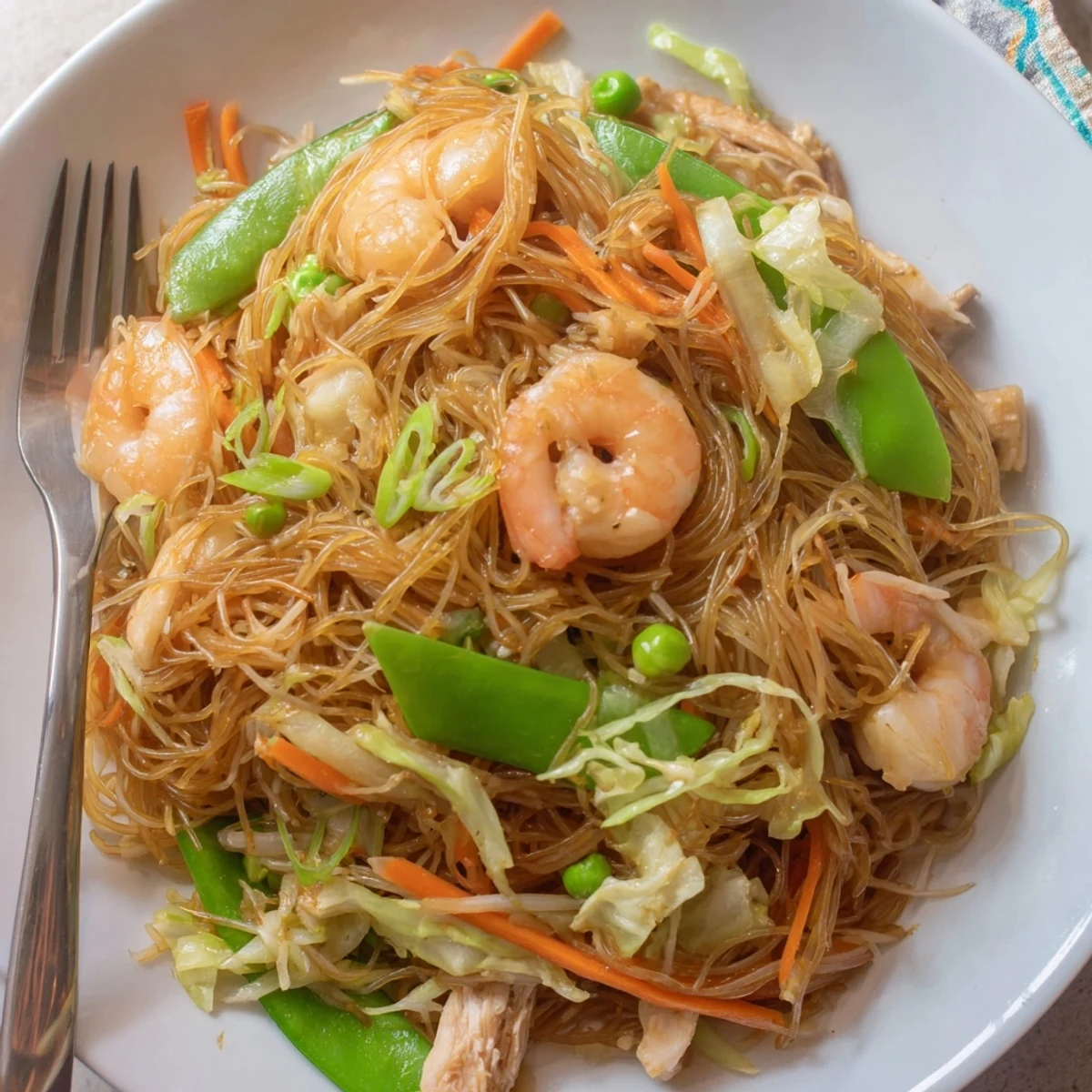
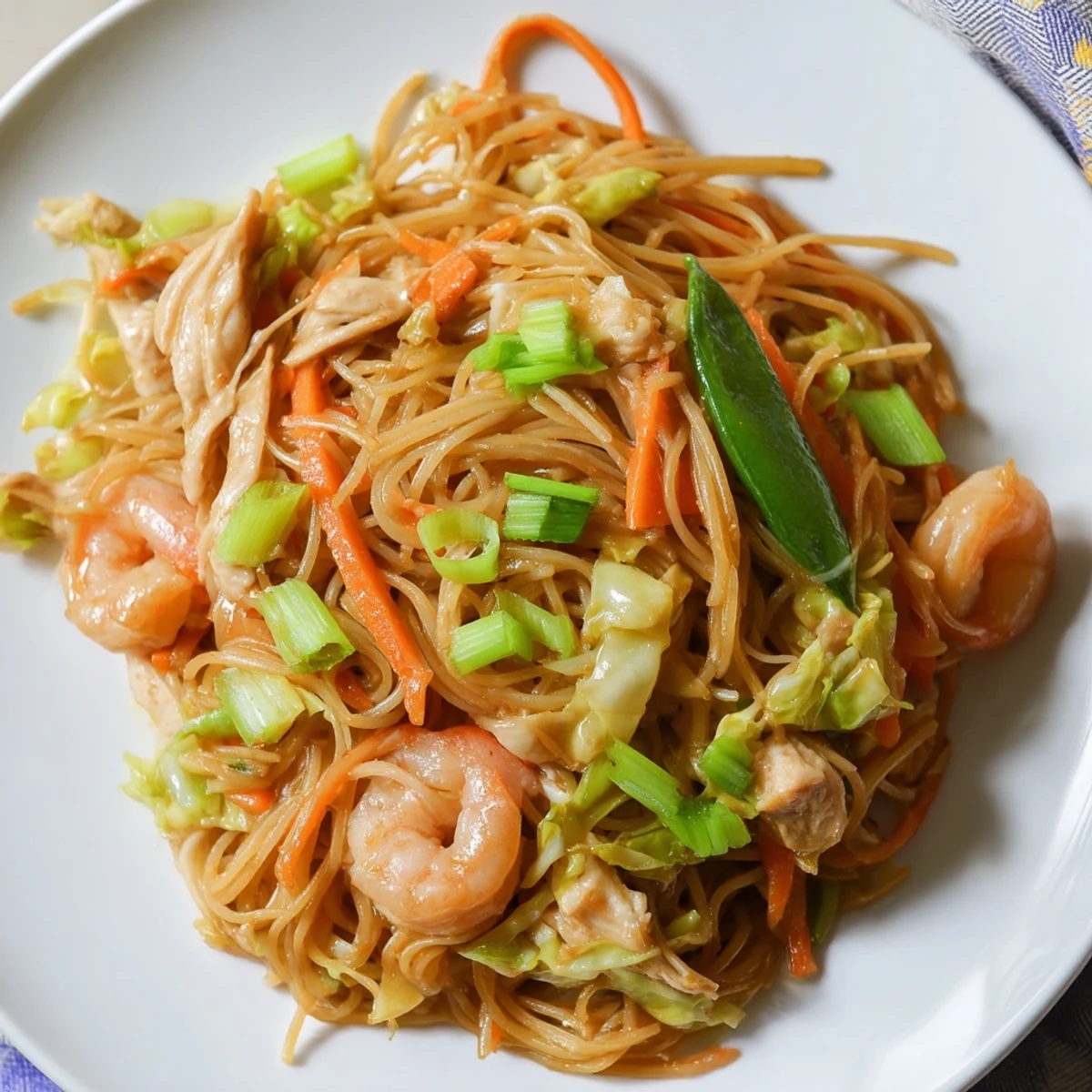
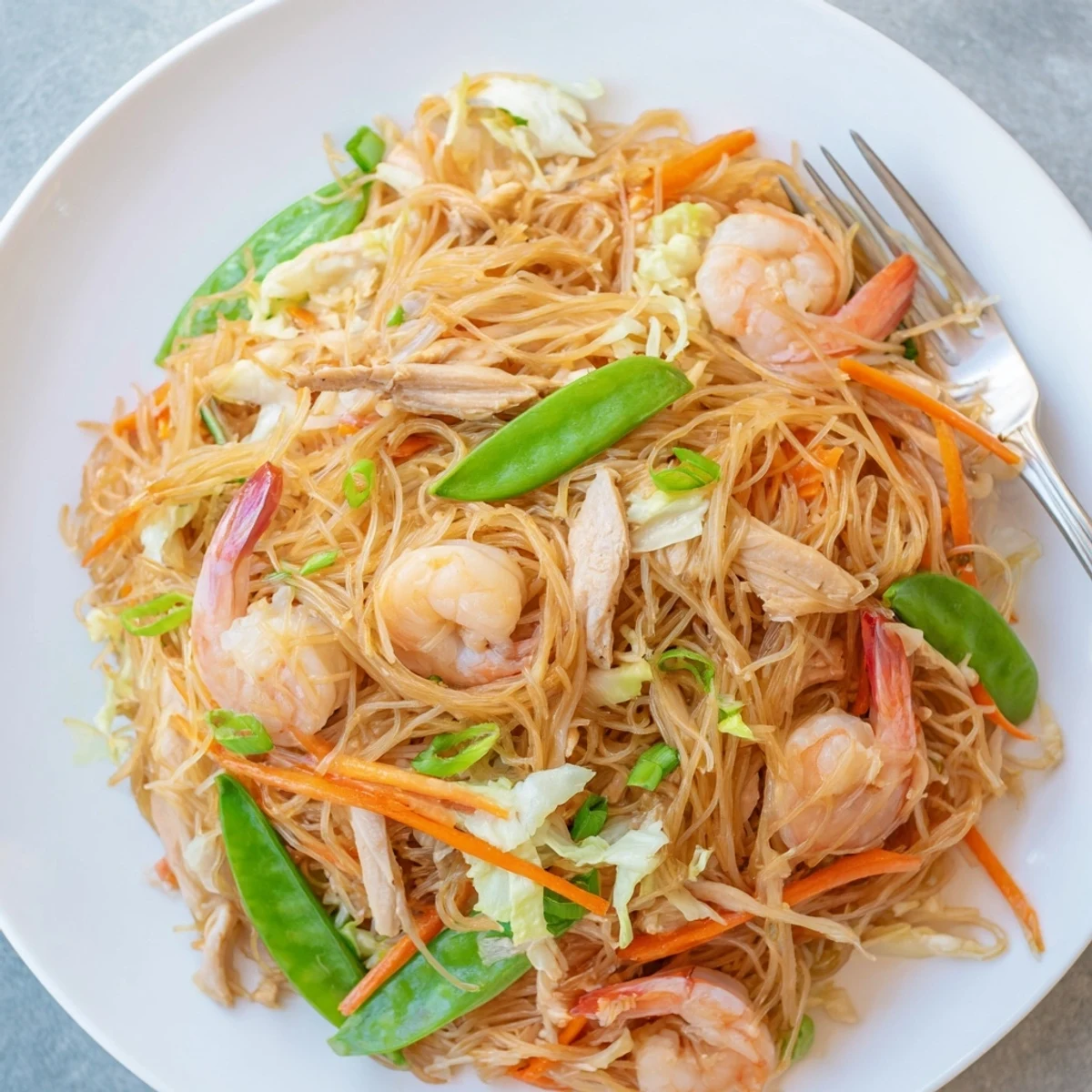
 This classic Filipino dish features thin rice noodles stir-fried with succulent chicken and shrimp, complemented by julienned carrots, shredded cabbage, and snow peas. The noodles absorb a savory sauce blend of soy, oyster, and fish seasonings, creating umami-rich strands that coat every ingredient perfectly. Ready in under an hour, this satisfying main dish serves four generously and pairs beautifully with citrus wedges for brightness. The tender-crisp vegetables and perfectly cooked proteins make each bite dynamic and flavorful.
The steam rising from my grandmothers wok always signaled something special was happening in our tiny kitchen. She would hum softly while her hands moved in practiced motions tossing those delicate rice noodles with a rhythm that took decades to perfect. Now whenever I catch that distinctive aroma of soy sauce warming with garlic I am immediately transported back to standing on a wooden chair watching her work.
Last birthday I made three batches of pancit because my cousins kept arriving unannounced with friends in tow. I was so nervous about running out that I quadrupled the sauce recipe but honestly the improvisation made it even better. Everyone ended up gathering around the kitchen island sharing stories and reaching for seconds directly from the wok.
Ingredients
- 200 g boneless skinless chicken breast: Slice it thin against the grain so it stays tender during quick stir-frying
- 100 g medium shrimp: Peeled and deveined saves precious time when everything else is moving fast
- 200 g dried bihon rice vermicelli: These slender noodles are delicate and absorb flavors beautifully
- 1 small carrot: Julienned into matchsticks for that authentic texture and sweet crunch
- 1 cup green cabbage: Shredded thin so it wilts quickly but still maintains some bite
- 1/2 cup snow peas: Trimmed and halved they add a fresh snap to every forkful
- 1 small onion: Sliced into thin half-moons for even cooking and sweetness
- 3 cloves garlic: Minced fine because the foundation of flavor starts here
- 2 tbsp soy sauce: The savory backbone that gives the dish its distinctive umami
- 1 tbsp oyster sauce: Adds depth and a subtle sweetness that balances the soy
- 1 tsp fish sauce: Just enough to enhance all the other flavors without overpowering
- 1/2 tsp ground black pepper: Freshly cracked makes a noticeable difference
- 1 cup chicken broth: Creates that perfect sauce consistency for coating every strand
- 2 tbsp chopped scallions: Fresh green finish that cuts through the richness
- 1 lemon or calamansi: The essential acid squeeze that brings everything alive
Instructions
- Prep the noodles:
- Soak bihon in warm water for 10 minutes until pliable then drain well and set aside.
- Build your aromatics:
- Heat 2 tablespoons oil in a large wok over medium-high then sauté garlic and onion until fragrant and translucent.
- Cook your proteins:
- Add chicken slices first cooking until lightly browned then toss in shrimp until just pink about 2 minutes and remove both from pan.
- Stir-fry vegetables:
- In the same pan add carrots cabbage and snow peas stir-frying 2 to 3 minutes until just tender-crisp.
- Make it saucy:
- Return chicken and shrimp to pan then pour in soy sauce oyster sauce fish sauce and chicken broth bringing to a gentle simmer.
- Bring it together:
- Add drained noodles tossing gently with tongs so they absorb sauce evenly cooking 3 to 4 minutes until heated through.
- Season to taste:
- Finish with black pepper and adjust salt or sauces if needed before transferring to a serving platter.
- Final touches:
- Garnish generously with chopped scallions and serve with lemon or calamansi wedges on the side.
 Save to Pinterest
 My friend Mara who swears she cannot cook anything beyond toast made this successfully on her third try. She called me at 11pm absolutely ecstatic that her husband requested it for his birthday dinner next month. That feeling when someone who claims they cannot cook finds their confidence in the kitchen is honestly better than any compliment about the food itself.
Getting The Noodle Texture Right
I learned the hard way that bihon noodles can turn into a sad clumpy mess if you are not careful. The trick is draining them really well after soaking and adding them directly into the simmering sauce not the broth alone. They finish cooking in that flavorful liquid and every strand gets perfectly coated without becoming waterlogged.
The Vegetable Balance
Early on I made the mistake of overcooking the vegetables until they were soft and unrecognizable. Now I stir-fry them just until they are barely tender keeping that vibrant crunch that makes pancit so satisfying to eat. The contrast between the soft noodles and crisp vegetables is what keeps you coming back for another bite.
Making It Your Own
Once you have the basic technique down pancit bihon becomes a canvas for whatever you have in your refrigerator. I have added bell peppers celery and even mushrooms when that was what the grocery store offered. The sauce proportions stay the same but the vegetable combinations can change with the seasons or your mood.
- Leftover roasted pork or shredded rotisserie chicken works beautifully instead of raw chicken breast
- If you like heat add sliced chili peppers or a dash of hot sauce to the sauce mixture
- Making this ahead? Undercook slightly and reheat with a splash of water to revive the noodles
 Save to Pinterest
 There is something deeply satisfying about a dish that brings everyone to the table faster than you can say it is ready. That first squeeze of calamansi over a steaming plate just ties everything together perfectly.
Recipe Questions
- → How do I prevent rice noodles from becoming mushy?
-
Soak bihon noodles in warm water for exactly 10 minutes until pliable but still firm. Drain thoroughly before adding to the pan. Toss gently and cook just until heated through and sauce is absorbed, about 3-4 minutes maximum.
- → Can I make Pancit Bihon ahead of time?
-
Yes, prepare all components in advance. Store cooked proteins, vegetables, and noodles separately in the refrigerator. Combine and reheat in a wok over medium heat, adding a splash of broth or water to refresh the sauce coating.
- → What vegetables work best in Pancit Bihon?
-
Traditional options include carrots, cabbage, snow peas, and snap beans for crunch. Bell peppers, celery, green beans, and baby corn also work beautifully. Avoid watery vegetables like zucchini that can make noodles soggy.
- → Is there a vegetarian alternative to the sauce?
-
Replace fish sauce and oyster sauce with additional soy sauce or mushroom-based vegetarian oyster sauce. Use vegetable broth instead of chicken broth. Substitute firm tofu cubes for proteins, adding them during the vegetable stir-fry stage.
- → Why is calamansi served with Pancit?
-
The citrus acidity from calamansi or lemon wedges cuts through the rich, savory flavors and balances the saltiness of the soy-based sauce. Squeezing fresh juice over the serving just before eating brightens the entire dish beautifully.
- → What's the difference between Pancit Bihon and Pancit Canton?
-
Pancit Bihon uses thin rice vermicelli noodles that become translucent when cooked, while Pancit Canton features wheat-based egg noodles that remain yellow and have a chewier texture. Both use similar protein and vegetable preparations but offer distinct eating experiences.