
 Save to Pinterest
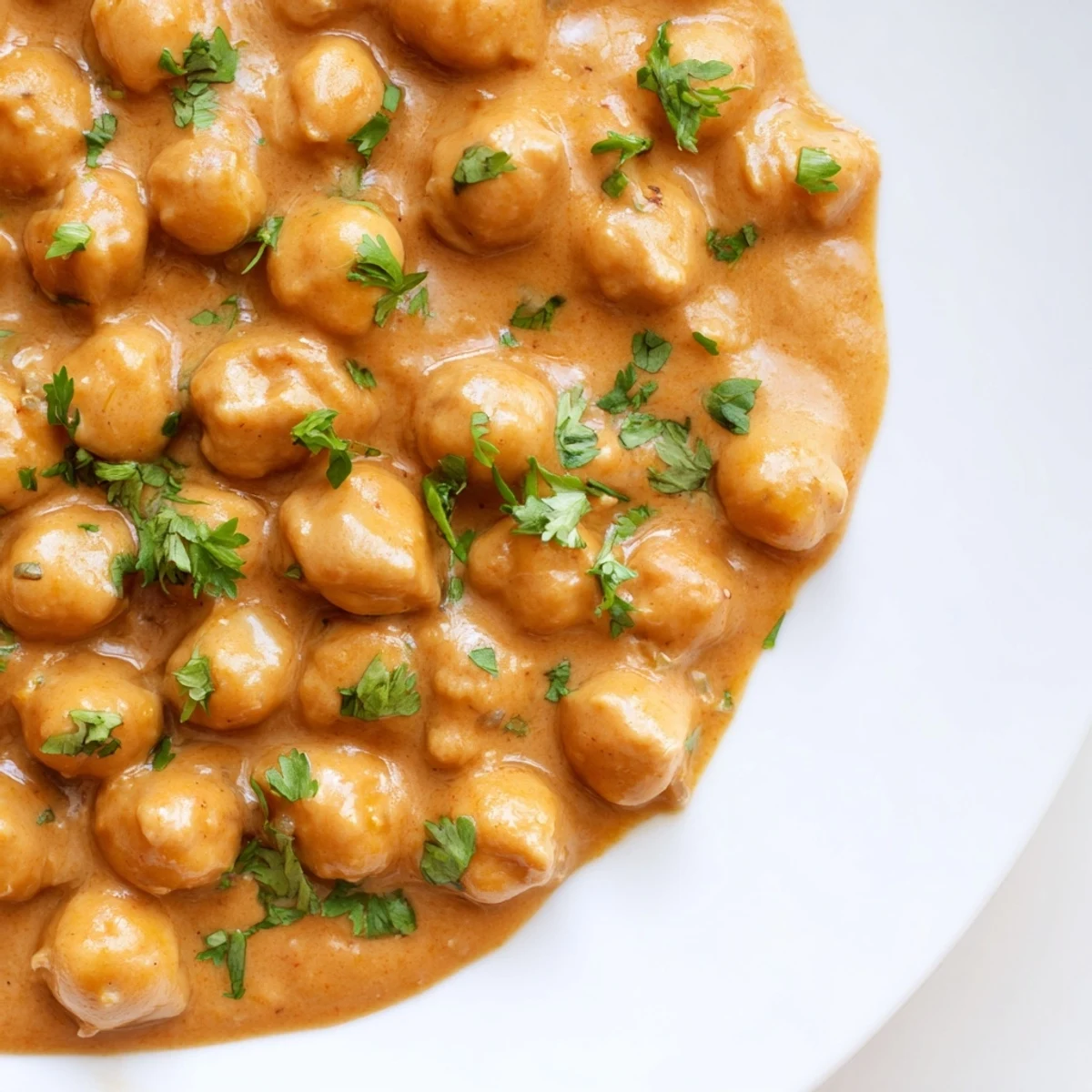
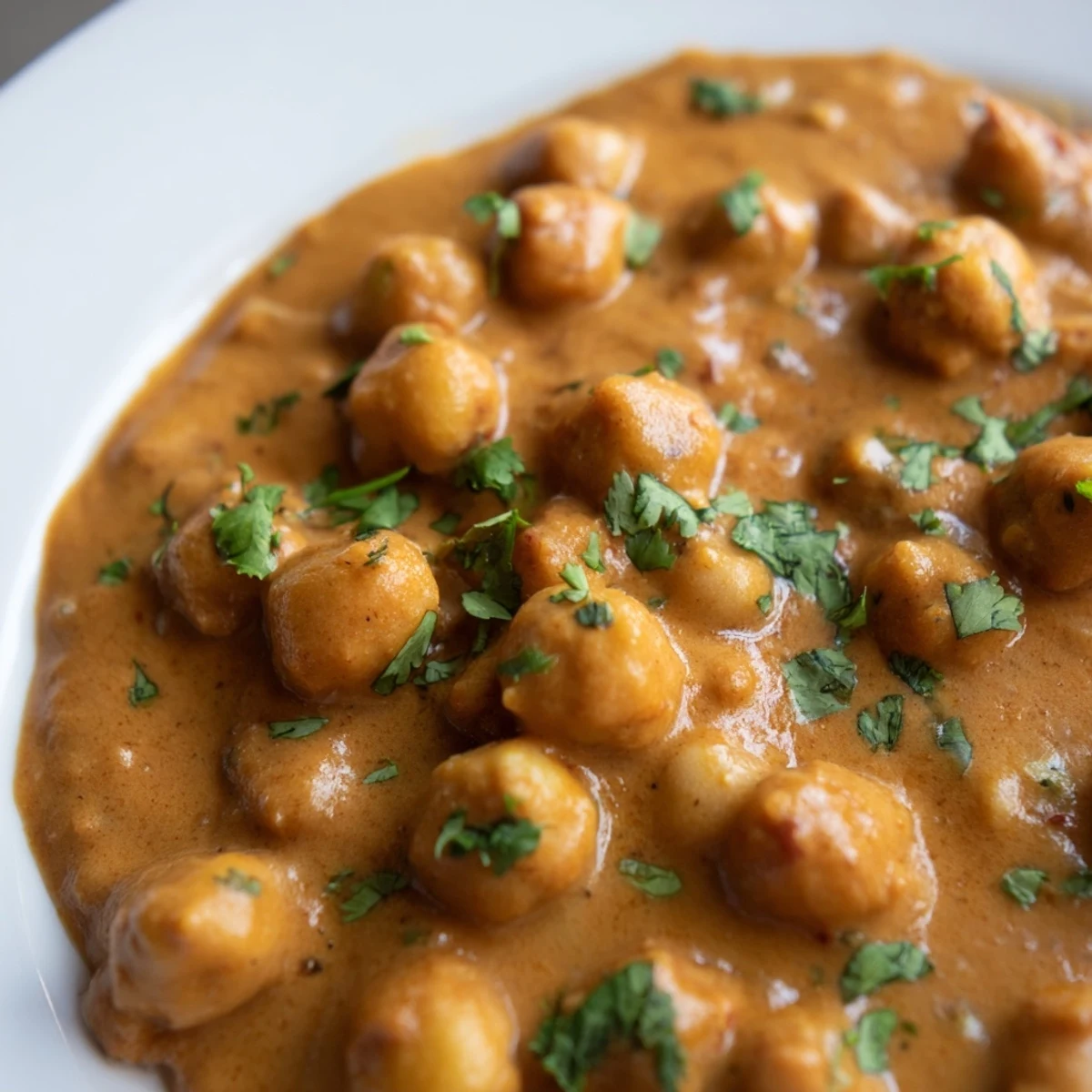
 This creamy vegan chickpea tikka masala is a comforting dish blending fragrant spices and smooth coconut milk. Simmered chickpeas absorb garam masala, turmeric, and smoky paprika for a balanced heat and deep flavor. Paired with tender, fluffy basmati rice, this dish offers a wholesome meal full of aromatic Indian-inspired tastes. Garnished with fresh cilantro and brightened with lemon juice, it’s perfect for a satisfying main course that’s both filling and vibrant.
There's something about the aroma of toasting spices in hot oil that stops me mid-thought—it happened the first time I made this vegan chickpea tikka masala, and I've chased that exact smell ever since. What started as a craving for the comfort of my favorite Indian takeout became an unexpected kitchen victory when I realized chickpeas could hold their own against the richness of cream-based curries. The creamy coconut milk and warm spices wrapped around tender chickpeas so completely that no one at the table even noticed the absence of chicken. Now it's become the dish I make when I want to feel both nourished and genuinely excited about dinner.
I made this for my sister on a rainy Wednesday when she'd had a rough day, and watching her face light up over the first spoonful felt like the small magic that home cooking can be. She asked me to teach her how to make it, and now we have this running joke about "the curry that fixes things." That's when I knew this recipe had moved beyond just being delicious—it became something we share.
Ingredients
- Coconut oil or vegetable oil (2 tablespoons): Use coconut oil if you want that subtle tropical note, but vegetable oil works just as well and won't overpower the spices.
- Large onion, finely chopped: The foundation of flavor—don't rush the sauté, let it turn translucent and soft.
- Garlic and fresh ginger (3 cloves garlic, 1 tablespoon ginger): These two are the heartbeat of the dish; mince them finely so they distribute evenly and cook quickly.
- Warm spices: garam masala, cumin, coriander, turmeric, smoked paprika (2 tsp, 1 tsp, 1 tsp, 1 tsp, ½ tsp): Toast them briefly after adding to release their full potential—this single moment changes everything.
- Cayenne pepper (½ teaspoon, optional): Add only if you want heat; the dish is complex and delicious without it.
- Canned diced tomatoes (400 g / 14 oz): They provide acidity and body; don't skip them or use fresh, the canned version works better here.
- Chickpeas, drained and rinsed (two 400 g / 14 oz cans): Rinsing removes excess sodium and that tinny flavor; it makes a real difference.
- Full-fat coconut milk (1 cup / 240 ml): This is non-negotiable—lite coconut milk won't give you that luxurious, velvety texture.
- Water or vegetable broth (½ cup / 120 ml): Broth adds depth, but water works fine if that's what you have on hand.
- Sea salt and black pepper: Taste and adjust at the end; different brands of spices have different salt levels built in.
- Lemon juice (1 tablespoon): Added at the very end, it brightens the whole dish without making it taste sour.
- Fresh cilantro (2 tablespoons, plus extra for garnish): If cilantro isn't your thing, parsley works, though it won't taste quite the same.
- Basmati rice (1½ cups / 300 g), water (3 cups / 720 ml), salt (½ teaspoon): The rice should be fluffy, separate, and fragrant—rinsing it first is the secret.
Instructions
- Prepare your rice:
- Rinse the basmati rice in cold water until the water runs clear—this removes excess starch and stops it from turning gluey. Combine rice, water, and salt in a saucepan, bring to a boil, then cover and reduce heat to low for 15 minutes. Let it rest, covered, for 5 minutes after, then fluff gently with a fork.
- Start the spice foundation:
- Heat coconut oil in a large skillet over medium heat and sauté your chopped onion for 5–6 minutes until it turns translucent and soft. This slow start matters—rushing it means your flavor foundation cracks.
- Wake up the aromatics:
- Add minced garlic and ginger and cook for about 1 minute, stirring constantly, until the whole kitchen smells incredible. You'll know it's right when the raw edge disappears from the smell.
- Toast your spices:
- Stir in garam masala, cumin, coriander, turmeric, smoked paprika, and cayenne pepper. Toast for just 30 seconds, stirring—this brief moment transforms dusty powders into deeply aromatic building blocks.
- Build the sauce base:
- Add your canned tomatoes and let them simmer for 4–5 minutes, stirring occasionally, until they break down slightly and the whole mixture darkens. The tomatoes are cooking down and concentrating their flavor into the base.
- Bring it all together:
- Add the drained chickpeas, coconut milk, water or broth, salt, and pepper. Stir well and bring to a gentle simmer, then cook uncovered for 15–20 minutes, stirring occasionally. Watch as the sauce thickens and deepens in color—it should smell rich and balanced by the end.
- Finish with brightness:
- Stir in lemon juice and fresh cilantro, then taste and adjust your seasoning. This final step lifts all the warm spices and rounds out the flavors beautifully.
- Serve with intention:
- Spoon the hot curry over fluffy basmati rice and garnish generously with extra cilantro. Serve immediately while everything is warm and the aromas are still dancing.
 Save to Pinterest
 I remember my neighbor peeking over the fence one evening, following the smell of spices, and asking what I was making. She stayed for dinner, and that's when I realized this curry had transcended being just a recipe—it became an invitation, something that draws people together.
Mastering the Spice Balance
The magic of this dish lives in how you treat your spices. Too many home cooks dump them all in at once and wonder why they taste muddy instead of complex. Toasting them briefly in hot oil before adding the tomatoes wakes them up—you'll actually taste each spice's personality instead of a blurred background noise. I learned this the hard way after making several disappointing batches, but now that moment of toasting is when I know the dish is going to be good.
The Chickpea Question
Chickpeas are sturdy enough to hold their shape through the entire cooking process, but they're also porous enough to absorb all the coconut and spice flavors around them. This is why they work so beautifully in curry—they're neither too soft nor too resistant. If you prefer a thicker, more stew-like consistency, mash a few of them with the back of your spoon halfway through simmering; if you like more liquid and lightness, just leave them whole and add a splash more broth.
Making It Your Own
This recipe is forgiving and flexible, which is part of why I come back to it. Add a generous handful of fresh spinach or frozen peas in the last few minutes for color and extra nutrition. Serve it with vegan naan or roti if you want something to soak up the sauce. You can also make a double batch and freeze half for a night when you want homemade curry without the work.
- If heat isn't your thing, skip the cayenne entirely and let the warm spices shine.
- Taste and adjust the salt before serving—different brands and batches of ingredients vary.
- Leftover curry tastes even better the next day as flavors settle and meld together.
 Save to Pinterest
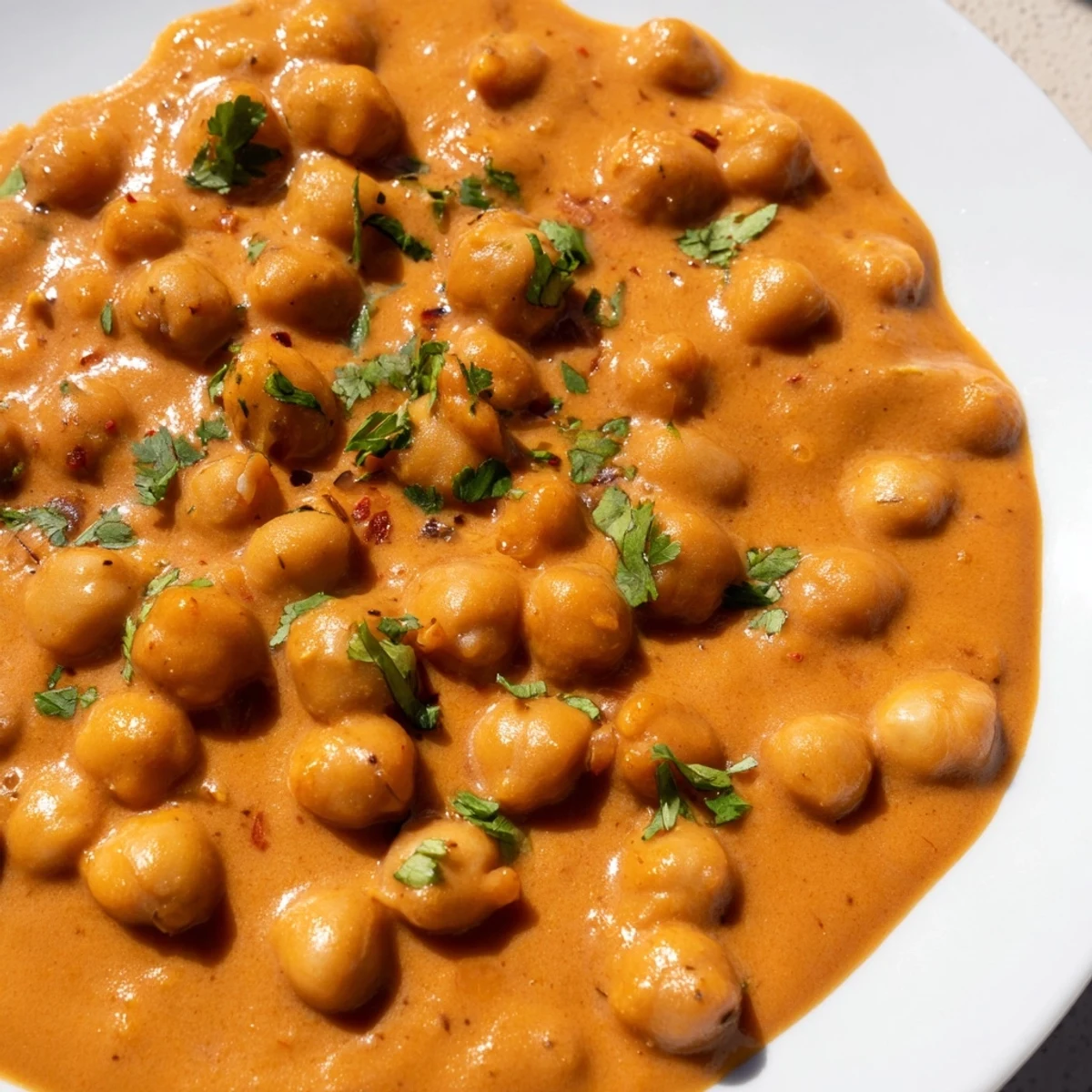
 This chickpea tikka masala is the kind of dish that reminds you why cooking from scratch matters—it's warm, it's real, and it tastes like care. Make it for yourself on a quiet night, or make it for people you love and watch their faces as they taste it.
Recipe Questions
- → What spices give this dish its flavor?
-
The flavor comes from a blend of garam masala, cumin, coriander, turmeric, smoked paprika, and optional cayenne pepper, creating a warm, aromatic profile.
- → How is the basmati rice cooked to be fluffy?
-
Rinse the rice until water runs clear, then boil with salt and water before simmering covered, allowing steam to make it tender and fluffy.
- → Can the sauce be thickened further?
-
Yes, mashing some chickpeas into the sauce adds creaminess and thickens the texture naturally.
- → Is it possible to adjust the heat level?
-
Omitting cayenne pepper reduces the dish’s spiciness without compromising the overall flavor.
- → What are some good additions to enhance the dish?
-
Adding steamed spinach or peas boosts the nutrition and adds vibrant green color to the meal.
- → What oil is recommended for cooking?
-
Use coconut or vegetable oil for sautéing to complement the dish’s flavor and maintain a vegan profile.