
 Save to Pinterest
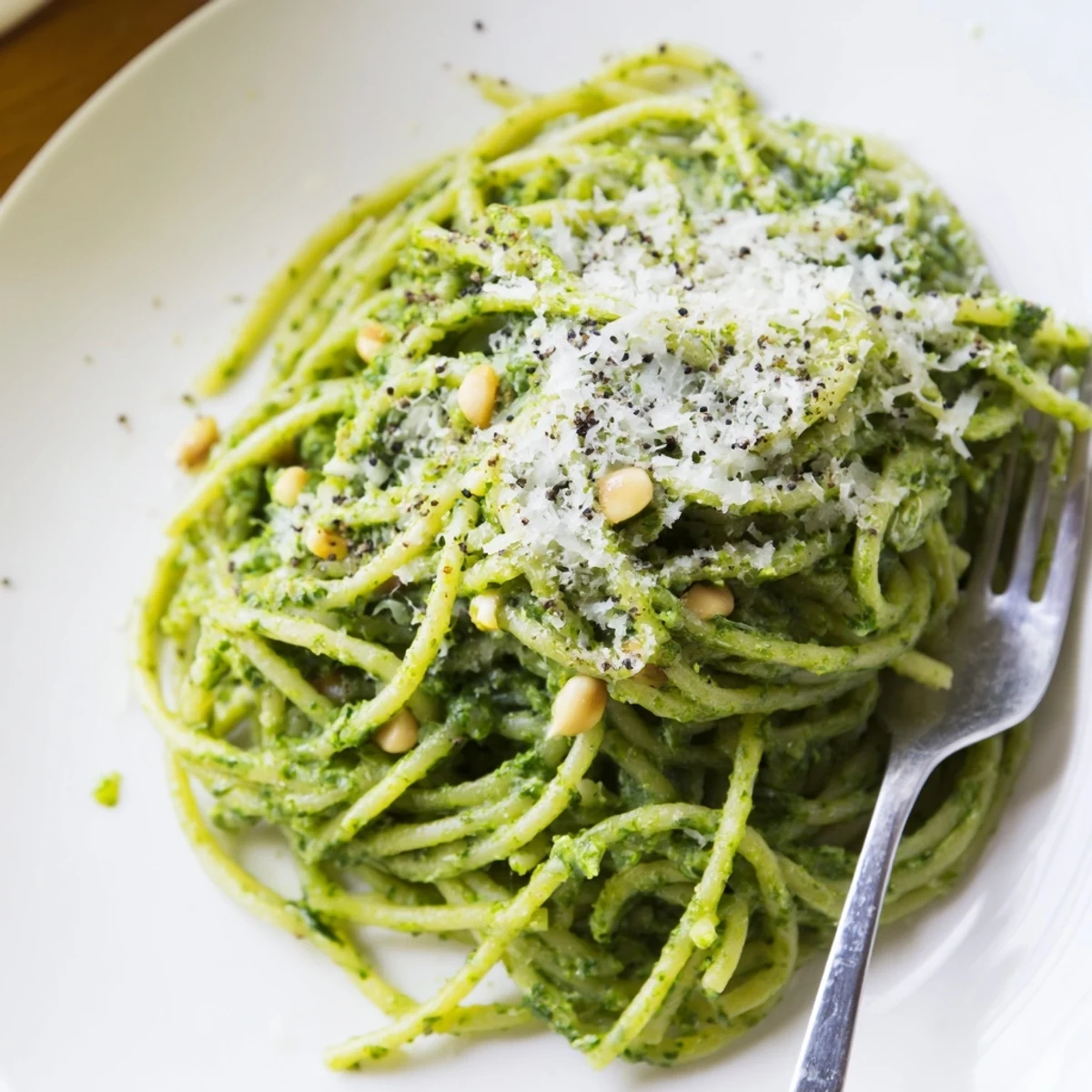
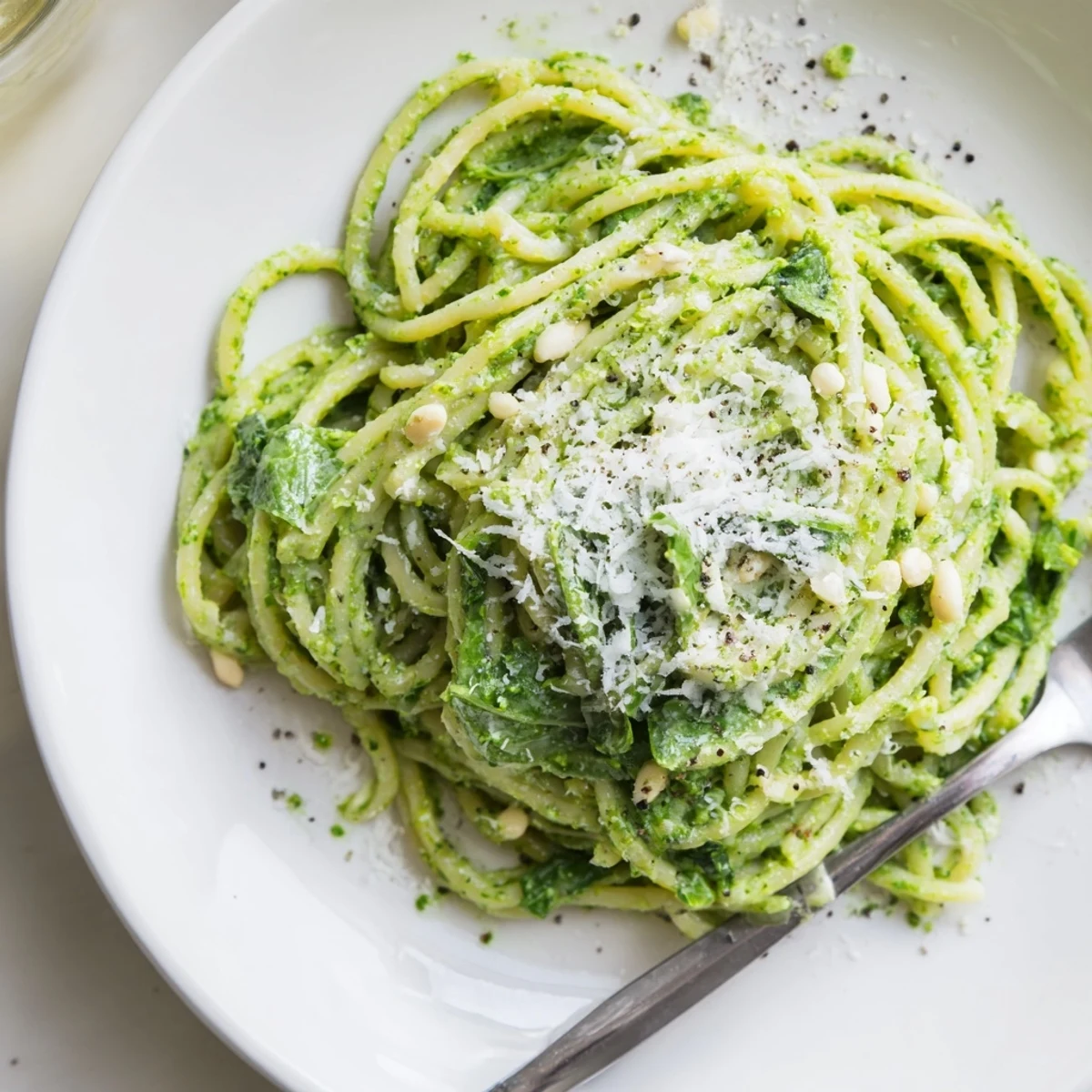
 This wild garlic pesto pasta brings the best of spring to your plate in just 25 minutes. The homemade pesto blends wild garlic leaves with toasted pine nuts, Parmesan, and a squeeze of lemon into a vibrant green sauce that clings beautifully to every strand.
It's an easy, vegetarian dish perfect for weeknight dinners or casual entertaining. Reserve some pasta water to achieve that silky, restaurant-quality coating.
There is a narrow lane near my house that, every April, erupts in a carpet of wild garlic so pungent you can smell it before you see it. One rainy Tuesday I stuffed a tote bag full of those broad green leaves and came home determined to do something other than soup. The result was a pesto so electrically green and alive tasting that I stood at the counter eating it off a spoon, completely forgetting the pasta water boiling behind me.
I made this for my neighbor Elena after she helped me chase my cat out of her garden at midnight. She sat at my kitchen table in her slippers, twirling spaghetti around her fork, and declared it the best thing I had ever cooked.
Ingredients
- Wild garlic leaves (75 g): Pick the youngest, brightest leaves you can find because older ones turn bitter and tough.
- Toasted pine nuts (50 g): A dry pan over medium heat for two minutes transforms them from waxy to deeply nutty, so never skip this step.
- Freshly grated Parmesan (50 g): Grate it yourself from a block since the pre shredded kind contains anti caking agents that make the pesto grainy.
- Garlic clove (1): Just one is enough because the wild garlic already brings plenty of pungency on its own.
- Extra virgin olive oil (100 ml): Use the good stuff here since the oil carries the entire flavor of the sauce.
- Lemon juice (half a lemon): A squeeze of acidity lifts everything and stops the pesto from tasting flat.
- Salt and black pepper: Season gradually and taste as you go because the Parmesan is already quite salty.
- Dried pasta (400 g): Spaghetti or linguine work beautifully but penne holds the sauce in every ridged nook.
Instructions
- Boil the pasta:
- Bring a large pot of well salted water to a rolling boil and cook the pasta until just al dente with a slight bite remaining. Scoop out half a cup of that starchy water before draining because it is the secret to a silky sauce.
- Build the pesto:
- Tumble the wild garlic leaves, toasted pine nuts, Parmesan, and garlic clove into a food processor and pulse until roughly chopped. You want texture rather than a puree so stop before it turns to mush.
- Stream in the oil:
- With the motor running, pour the olive oil in a slow thin stream and watch as the mixture transforms into a vivid green paste. Add the lemon juice, season with salt and pepper, and taste it on your finger to check the balance.
- Marry pasta and pesto:
- Tip the drained pasta back into its warm pot, add the pesto, and toss vigorously with tongs while splashing in reserved pasta water a little at a time until every strand gleams. Serve immediately while the color is still impossibly bright.
 Save to Pinterest
 That night with Elena turned into a standing Wednesday dinner tradition that lasted the entire spring.
A Few Words on Foraging
Wild garlic grows in damp, shady woodland spots and along hedgerows from late March through May. The leaves are broad, soft, and smell unmistakably of garlic when crushed between your fingers. Always pick from clean areas away from roadsides and dog walking routes, and never strip a patch bare since the plant needs to regenerate for next year.
Swaps and Shortcuts
Pine nuts are lovely but they are not cheap, and honestly toasted walnuts or almonds give the pesto a more rustic character that I sometimes prefer. If you want a vegan version, nutritional yeast replaces the Parmesan surprisingly well and adds a savory depth that feels intentional rather than like a compromise.
Storing Leftovers
Any extra pesto should be pressed into a jar with a thin layer of olive oil on top to keep the air out and the color green. It will sit happily in the fridge for up to three days, though the flavor dulls slightly so it is best eaten fresh.
- A squeeze of lemon on top of stored pesto helps prevent browning.
- Freeze small portions in an ice cube tray for a taste of spring in winter.
- Never reheat pesto directly since gentle warmth from freshly cooked pasta is all it needs.
 Save to Pinterest
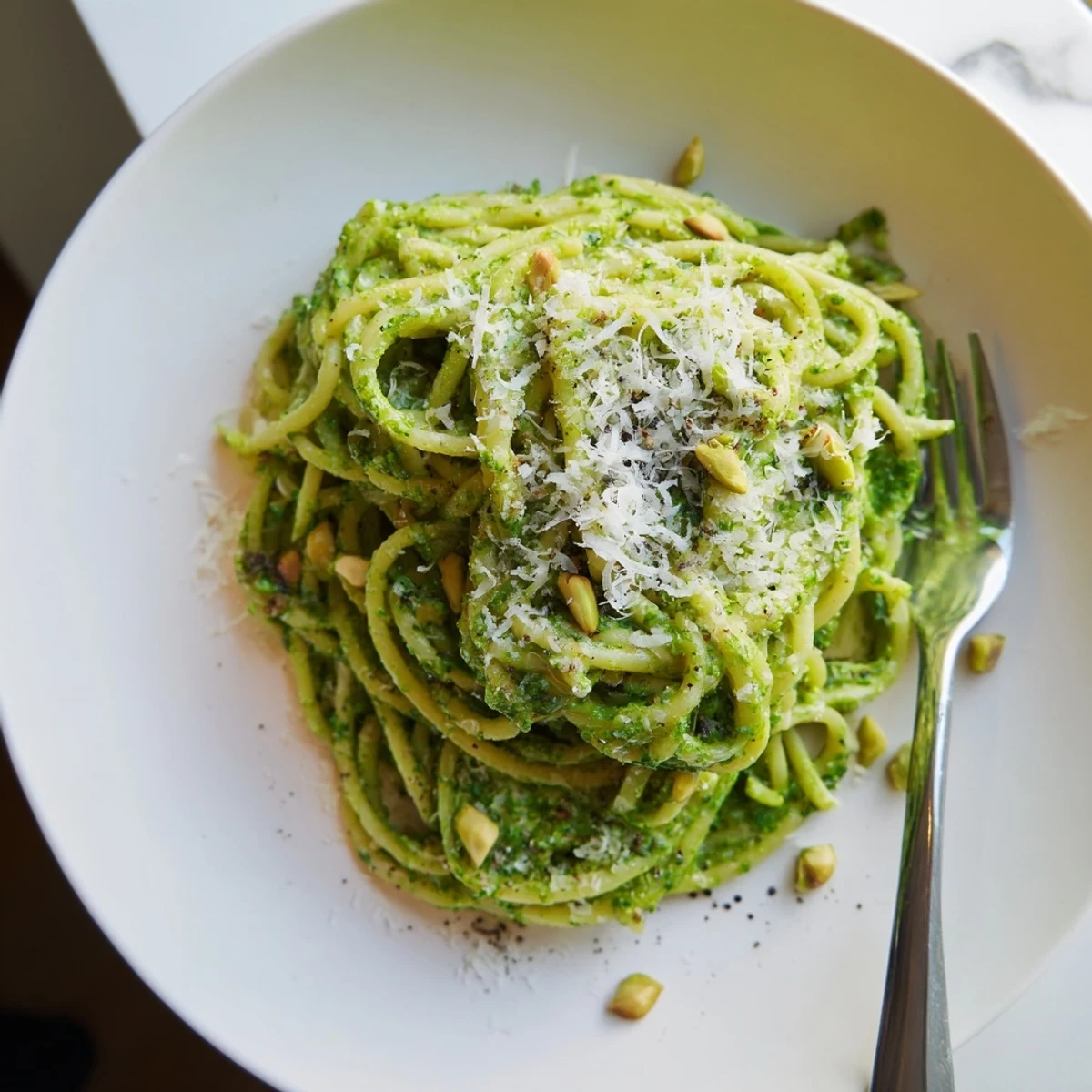
 Wild garlic season is heartbreakingly brief so make this the moment those leaves appear and do not wait until next week. Spring does not hold still for anyone, and neither should you.
Recipe Questions
- → Can I use regular garlic instead of wild garlic?
-
Wild garlic has a milder, more delicate flavor than regular garlic with distinct grassy and slightly peppery notes. If you can't find wild garlic, a combination of fresh basil and one extra garlic clove can approximate the flavor, though the unique taste of wild garlic is hard to replicate exactly.
- → What pasta shapes work best with this pesto?
-
Long strands like spaghetti or linguine work wonderfully, allowing the pesto to coat each strand evenly. Short shapes like penne or fusilli also work well, as their ridges and curves catch and hold the vibrant green sauce.
- → How do I store leftover wild garlic pesto?
-
Transfer leftover pesto to an airtight container, press plastic wrap directly against the surface to minimize oxidation, and refrigerate for up to 3 days. You can also freeze it in ice cube trays for up to 3 months.
- → Can I make this dish vegan?
-
Yes, simply replace the Parmesan with nutritional yeast or a plant-based hard cheese alternative. Use vegan pasta made without eggs. The pesto will still deliver excellent flavor and a creamy texture from the olive oil and pine nuts.
- → When is wild garlic in season?
-
Wild garlic, also known as ramsons, is typically in season from late March through May in temperate regions. It grows abundantly in woodland areas and can often be found at farmers' markets during spring months.
- → Why reserve pasta water for the sauce?
-
Pasta water contains starch that helps the pesto emulsify and cling to the pasta rather than pooling at the bottom. Adding splashes of warm pasta water creates a silky, cohesive sauce that coats every piece evenly.