
 Save to Pinterest
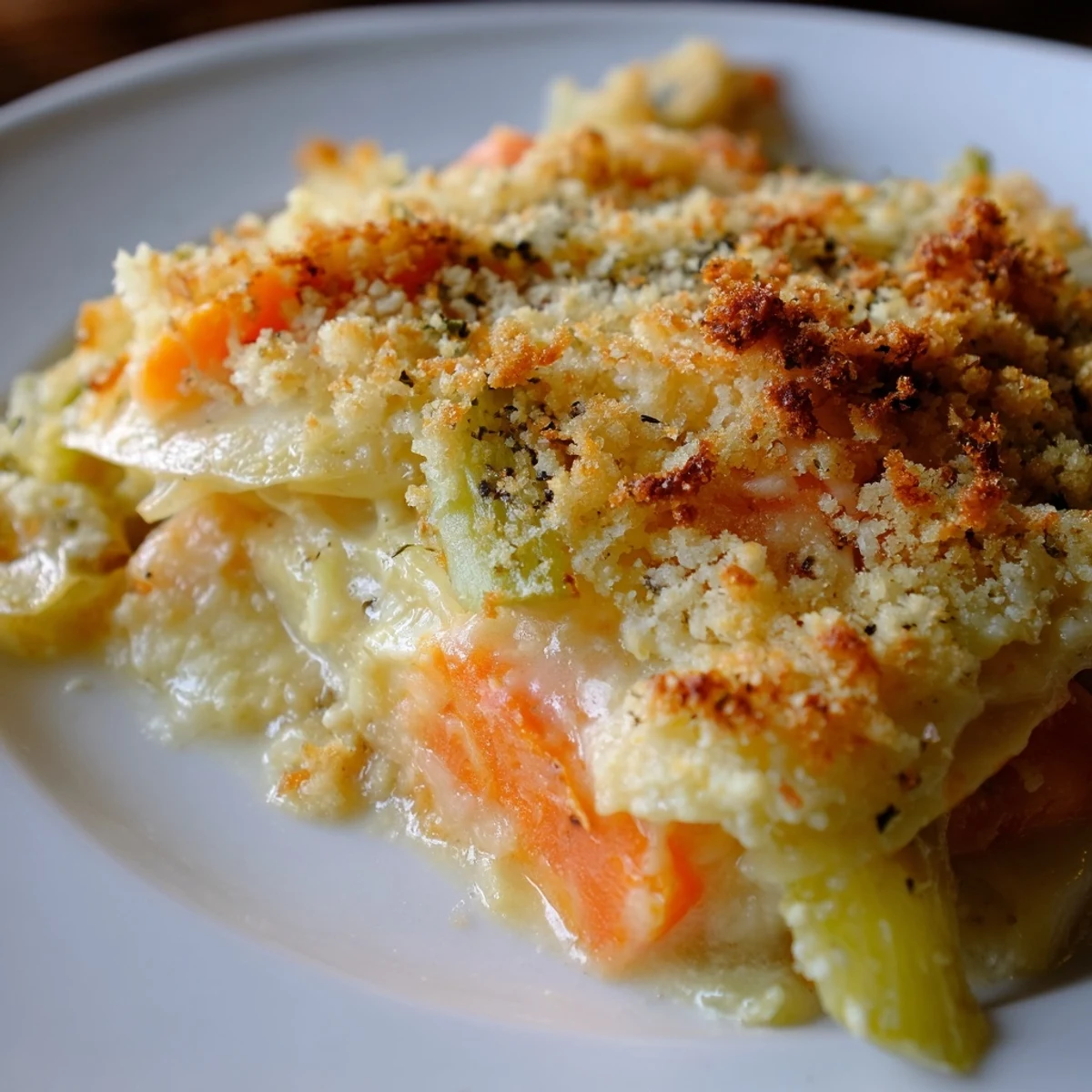
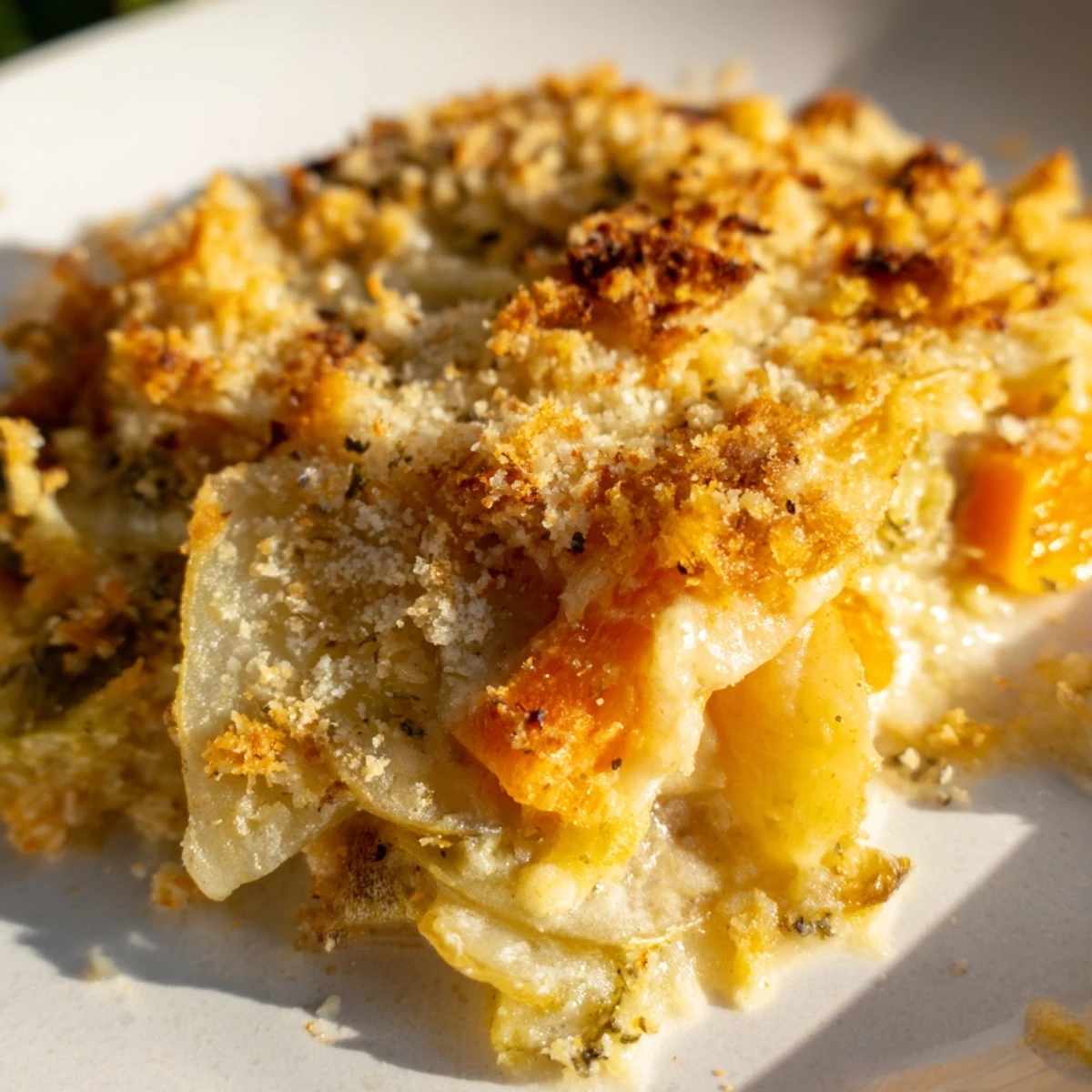
 This winter vegetable gratin layers thinly sliced parsnips, carrots, butternut squash, celery root, and leek with grated Gruyere cheese. A warm cream infused with garlic, thyme, and nutmeg is poured over the vegetables before baking until tender and golden. The topping of buttered breadcrumbs and Parmesan adds a crisp finishing touch. This comforting dish suits vegetarian and gluten-free diets and makes a perfect hearty accompaniment or main course.
Preparation involves lightly warming the cream mixture, layering vegetables and cheese, then baking covered and uncovered to achieve a rich, tender texture with a crispy golden crust. Ideal for chilly days, it pairs well with crisp white wine and allows flexibility with vegetables and seasoning variations.
There's something about the first real cold snap that makes me crave layers—both in my sweater drawer and on my plate. A few years back, I found myself with a box of winter vegetables that looked a bit sad and lonely, but then I remembered a gratin my French neighbor once described over the garden fence. The way she talked about it, all golden and bubbling, made me want to try it myself. That night, our kitchen filled with the most incredible smell of cream and Gruyere, and suddenly those humble vegetables became something magical.
I made this for a potluck once when someone asked me to bring something that could feed a crowd, and I watched people go back for thirds—even the meat-and-potatoes folks. That's when I realized this wasn't just a side dish; it was the kind of comfort that made people linger at the table a little longer, trading stories between bites.
Ingredients
- Parsnips: Their sweet earthiness becomes almost creamy when they cook down, and slicing them thin means they'll soften without turning to mush.
- Carrots: The color contrast matters here—it makes the gratin look as good as it tastes.
- Butternut squash: This is your secret sweetness; it balances the savory cheese beautifully.
- Celery root: If you can find it, don't skip this—it adds a subtle earthiness that makes people wonder what that mysterious flavor is.
- Leeks: Clean them really well between the layers, and their mild onion flavor will brighten everything up.
- Gruyere cheese: This is not the moment to save money; real Gruyere makes all the difference between good and unforgettable.
- Heavy cream and whole milk: The combination gives you richness without being overwhelming; use both if you can.
- Garlic, thyme, and nutmeg: These three are the quiet heroes—they make you taste something delicious without being able to name it.
- Fresh breadcrumbs: Make these yourself by pulsing stale bread, or buy panko; they get wonderfully golden and crispy.
Instructions
- Set the stage:
- Preheat your oven to 375°F and butter your baking dish generously. You want it ready so you're not rushing once the vegetables are prepped.
- Make the cream magic:
- Pour the cream and milk into a small saucepan with your minced garlic, thyme, nutmeg, salt, and pepper. Heat it gently over low heat, just until it's steaming—you're not making soup, just infusing the flavors together. If you let it boil, the cream can separate, so stay close and listen for the quiet whisper of heat.
- Build the layers:
- Toss all your sliced vegetables together in a large bowl so they're mixed evenly. Layer about half of them across your baking dish in an even layer, then scatter half your grated Gruyere over top. Add the rest of the vegetables, then cover with the remaining cheese. This way every bite gets cheese in it.
- Pour the cream:
- Pour that warm cream mixture over everything in a slow, steady stream, letting it seep down between the layers. You'll hear it settling and see the magic about to happen.
- Top and cover:
- Mix your breadcrumbs with melted butter and Parmesan, then sprinkle it all over the top. Cover the whole dish loosely with foil—this keeps the steam in so the vegetables cook through evenly.
- The two-stage bake:
- Bake covered for 30 minutes, then remove the foil and let it bake for another 20 minutes until the top turns golden brown and the vegetables are fork-tender. You'll know it's ready when the top looks like it's been kissed by the oven and the cream is just barely bubbling at the edges.
- Let it rest:
- Turn off the oven and let the gratin sit for 10 minutes before serving. This gives everything a chance to set so it slices more neatly and the flavors settle into themselves.
 Save to Pinterest
 My favorite memory of this dish is when my mother came to visit in December and tasted it for the first time. She got quiet for a moment, then said it tasted like home, even though she'd never had it before—and I realized that's what good comfort food does. It speaks to something we all recognize, no matter where we're from.
Vegetable Swaps and Improvisation
The beauty of this gratin is that it's forgiving with vegetables. Sweet potatoes work beautifully, as do thin-sliced Yukon Gold potatoes if you want something earthier. Celery root can be replaced with fennel for a different kind of earthiness, and if you can't find it, just add another parsnip or carrot. The key is keeping the slices thin and evenly sized so they cook at the same rate. Once you understand how it works, you'll start seeing this gratin as a canvas for whatever vegetables you have on hand.
Flavor Variations That Work
On a whim one winter, I added a pinch of smoked paprika to the cream mixture, and it gave the whole dish an unexpected depth. Cayenne works too if you like a little heat—just a pinch to make people wonder what they're tasting. Some people swear by adding a bay leaf to the cream, or a small splash of white wine if they want something more restaurant-style. I've also scattered fresh sage leaves between the vegetable layers when I'm feeling fancy, and it brings an herbal brightness that's lovely with the earthiness of the roots.
Serving and Pairing Ideas
This gratin shines brightest when it's the star of the plate, but it pairs wonderfully with a simple roasted chicken or some seared fish if you want to make it part of a larger meal. A crisp Sauvignon Blanc or a light Pinot Grigio cuts through the richness beautifully. Leftovers are honestly better the next day—the flavors settle and deepen—so don't hesitate to make this ahead. I often prepare it up to the baking step in the morning, cover it, refrigerate it, and bake it when guests are on their way.
- Pair with roasted chicken or fish for a full dinner, or serve it as a vegetarian main with a simple green salad.
- Make it a day ahead through the layering step, refrigerate, and add 10 extra minutes to baking time if starting from cold.
- Leftovers stay delicious for three days covered in the fridge, and they reheat gently in a low oven.
 Save to Pinterest
 There's comfort in knowing that something this elegant is really just vegetables, cream, and cheese cooked together slowly. It's the kind of dish that reminds you why we gather around tables in the first place.
Recipe Questions
- → Can I use other vegetables in this gratin?
-
Yes, sweet potatoes or Yukon Gold potatoes can substitute some winter vegetables for variation in texture and flavor.
- → How do I make this dish gluten-free?
-
Use gluten-free breadcrumbs to keep the topping crisp without gluten.
- → Is it possible to prepare this ahead of time?
-
Yes, assemble the gratin and refrigerate uncovered before baking on the day of serving.
- → What wine pairs well with this gratin?
-
A crisp white wine like Sauvignon Blanc complements the creamy and savory notes well.
- → How can I add extra flavor to the dish?
-
Adding a pinch of cayenne or smoked paprika to the cream mixture enhances depth and warmth.