
 Save to Pinterest
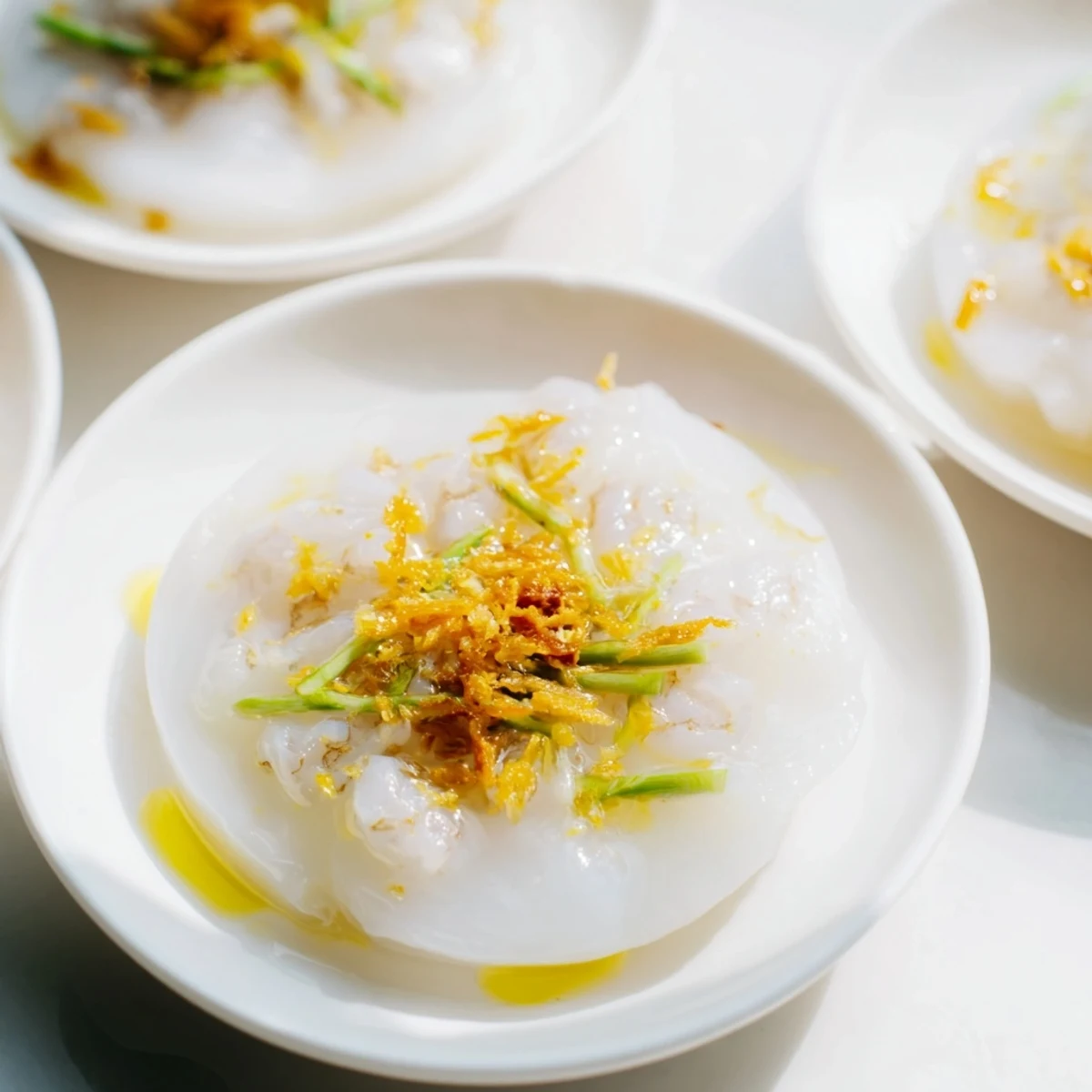
 These delicate steamed rice cakes originate from central Vietnam, featuring a silky texture from the rice flour and tapioca starch combination. The dish achieves perfect harmony through its contrasting elements—soft translucent cakes, savory dried shrimp topping, aromatic scallion oil, and the crunch of fried shallots.
The preparation involves creating a smooth batter, steaming individual portions in small dishes, and assembling with the traditional toppings. A tangy fish sauce dipping sauce balances the flavors, while optional mung bean paste adds creaminess.
This gluten-free appetizer yields about 16 cakes, perfect for sharing. The steaming process creates the signature translucent appearance, while the garnishes provide essential texture and flavor dimensions that make Banh Beo a beloved Vietnamese street food.
The first time I tried banh beo was in a tiny sidewalk stall in Hue, where an elderly grandmother steamed these delicate rice cakes in ceramic saucers the size of teacups. She moved between the steaming baskets with practiced grace, topping each translucent disc with a scattering of dried shrimp and scallion oil. Watching her work taught me that Vietnamese cuisine values balance above all else.
I once made these for a dinner party and watched my guests faces light up at the first bite. The way the shrimp topping mingles with the tangy dipping sauce creates layers of flavor that keep everyone reaching for more. Now they request these delicate cakes every time they visit.
Ingredients
- Rice flour: Forms the delicate base of these steamed cakes and creates their signature translucent appearance
- Tapioca starch: Essential for the slightly chewy texture that makes banh beo so satisfying
- Raw shrimp: Peeled and deveined, then finely chopped for the traditional savory topping
- Scallions: Finely sliced and steeped in hot oil to create an aromatic finishing touch
- Fish sauce: The foundation of the dipping sauce, balanced with lime and sugar for perfect harmony
Instructions
- Mix the batter:
- Whisk rice flour, tapioca starch, water, salt, and oil until completely smooth. Let the mixture rest for 10 minutes so the starches fully hydrate.
- Cook the shrimp topping:
- Sauté finely chopped shallot in oil until fragrant, then add chopped shrimp seasoned with salt, sugar, and pepper. Stir-fry until the shrimp turn pink and slightly dry.
- Make scallion oil:
- Heat oil until shimmering hot, then pour it over the sliced scallions in a heatproof bowl. The hot oil will instantly wilt and cook the scallions.
- Steam the rice cakes:
- Lightly grease small heatproof dishes and pour in 2 tablespoons of batter per dish. Steam for 7-8 minutes until the cakes are set and completely translucent.
- Prepare the dipping sauce:
- Whisk together fish sauce, sugar, lime juice, water, and sliced chili until the sugar dissolves completely.
- Assemble the banh beo:
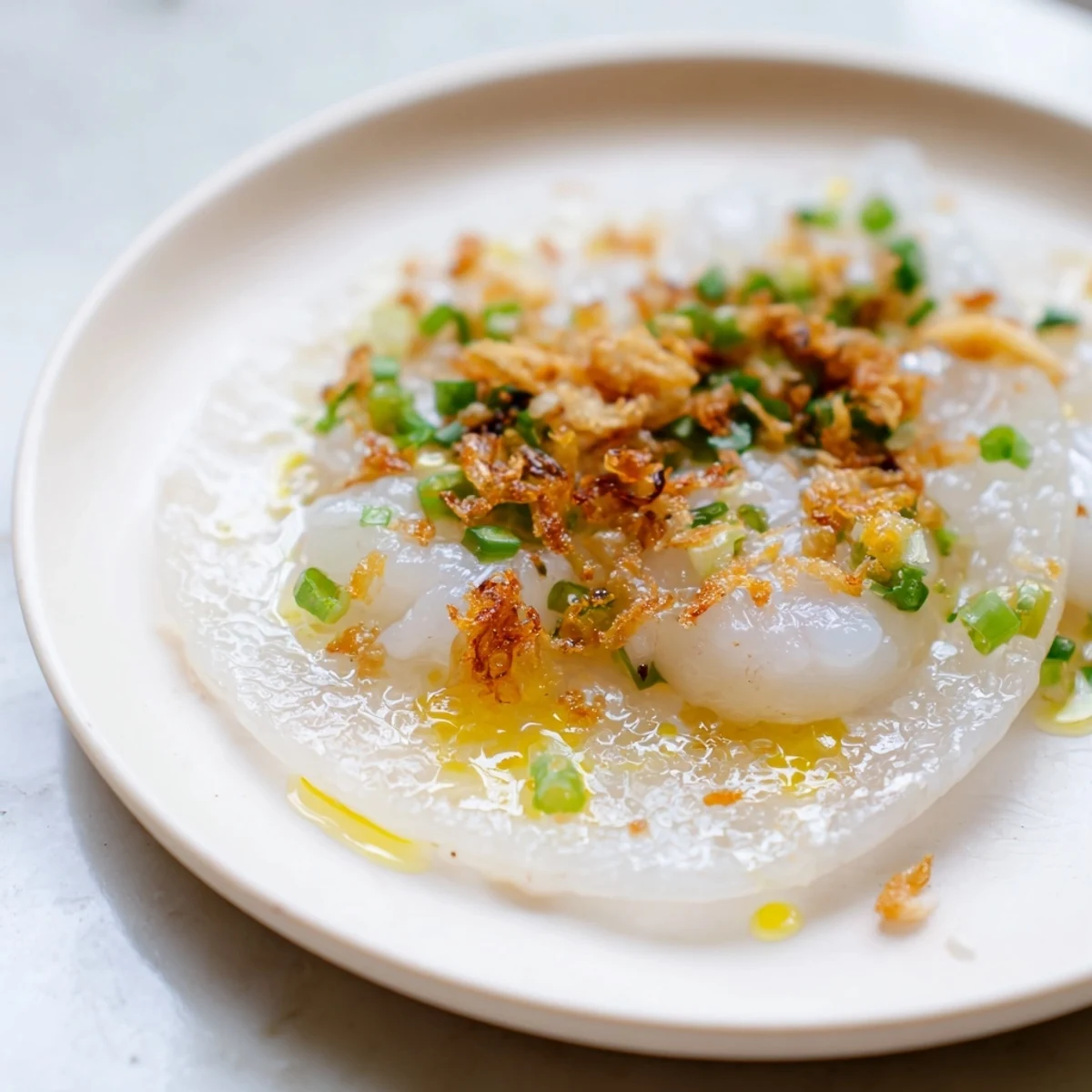
- Top each steamed rice cake with shrimp mixture, a drizzle of scallion oil, crispy shallots, and optional mung bean paste. Serve immediately with dipping sauce.
 Save to Pinterest
 My friend Linh taught me that the secret to perfect banh beo is patience when steaming. The translucent appearance signals they are done, and rushing this step means dense, chewy cakes instead of delicate ones. Now I set a timer and trust the process completely.
Mastering The Texture
The ratio of rice flour to tapioca starch creates that characteristic bounce without being rubbery. Too much rice flour yields dense cakes, while excess tapioca makes them overly sticky. After testing several proportions, this balance produces the most authentic texture.
Making Crispy Shallots At Home
Frying your own shallots transforms this dish completely. Slice them as thinly as possible, then fry in neutral oil over medium heat until they turn golden brown. The trick is removing them from the oil before they look fully done, as they continue crisping as they cool.
Serving Suggestions And Pairings
Banh beo shines as an appetizer or light lunch, especially when served with fresh herbs and cold beer. These delicate cakes also pair beautifully with other Vietnamese small dishes like spring rolls or fresh summer rolls for a complete sharing spread.
- Prepare all toppings before starting to steam the cakes
- Set up an assembly station so toppings are ready when the cakes are done
- Keep the steamer covered between batches to maintain consistent heat
 Save to Pinterest
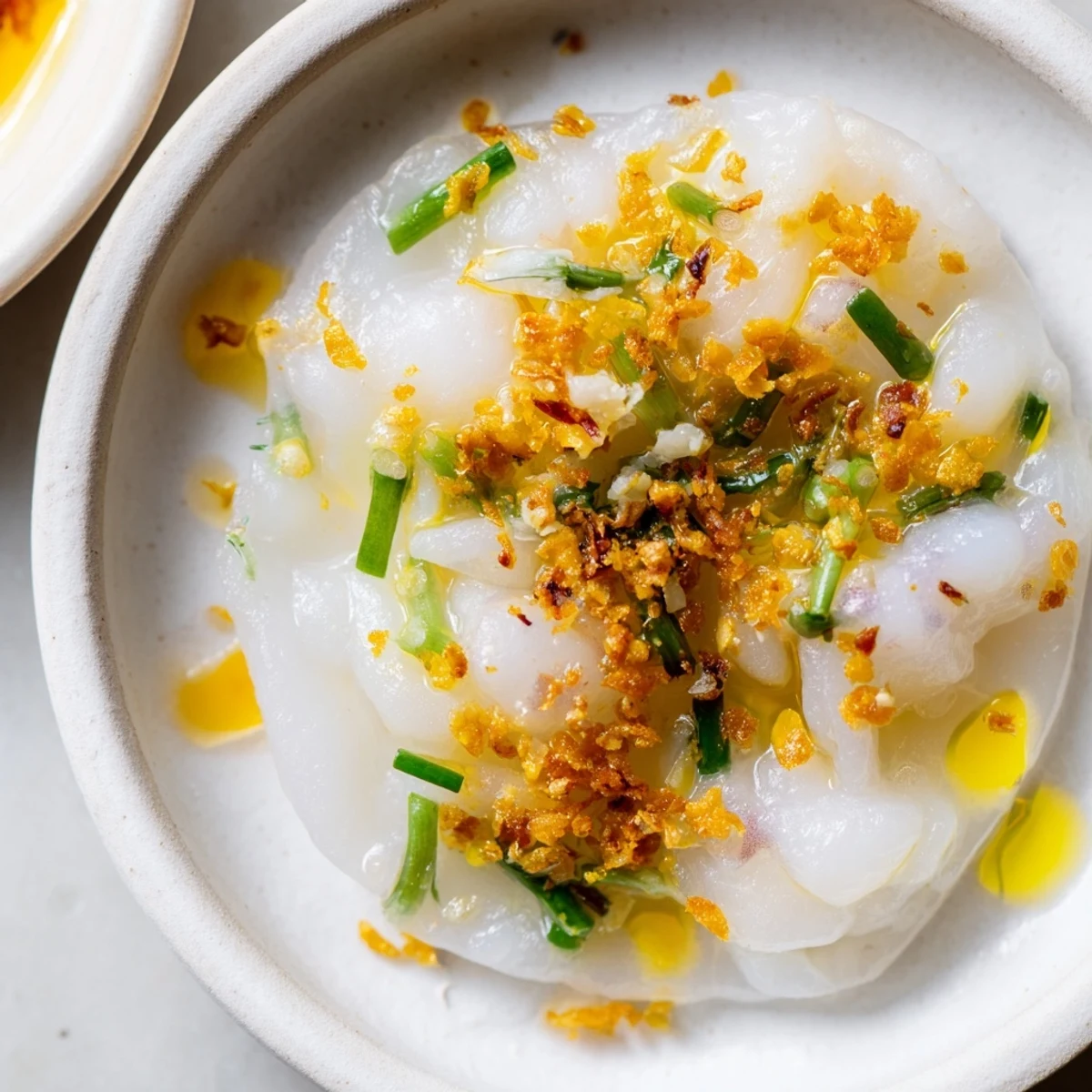
 There is something deeply satisfying about lifting the lid off the steamer and seeing rows of glistening rice cakes ready for their toppings. These delicate bites bring people together in the best possible way.
Recipe Questions
- → What makes Banh Beo texture unique?
-
The combination of rice flour and tapioca starch creates a silky, gelatinous texture that sets into delicate translucent cakes. Steaming rather than frying produces this signature softness, while the toppings provide essential crunch.
- → Can I steam Banh Beo without individual dishes?
-
You can use a large greased pan and cut into squares after steaming, though individual servings are more traditional. Small ramekins, custard cups, or even lined muffin tins work well as alternatives to ceramic dishes.
- → Why is the shrimp topping cooked until dry?
-
Cooking the shrimp until slightly dry creates a concentrated savory topping that adheres better to the soft rice cakes. This technique, common in Vietnamese cuisine, intensifies the umami flavor and prevents the topping from making the cakes soggy.
- → What can I substitute for fish sauce?
-
For vegetarian versions, use soy sauce or a vegetarian fish sauce alternative. You can also make a dipping sauce with mushroom broth, lime juice, sugar, and salt. The flavor profile will differ slightly but still complement the dish.
- → How do I store and reheat leftovers?
-
Store assembled cakes in the refrigerator for up to 2 days, though they're best enjoyed fresh. Reheat by steaming for 2-3 minutes. Keep toppings separate and add just before serving to maintain texture contrast.
- → Is mung bean paste necessary?
-
Mung bean paste is traditional in some regions but optional. It adds a creamy, slightly sweet element that balances the savory shrimp and salty fish sauce. If unavailable, the dish remains delicious without it.