
 Save to Pinterest
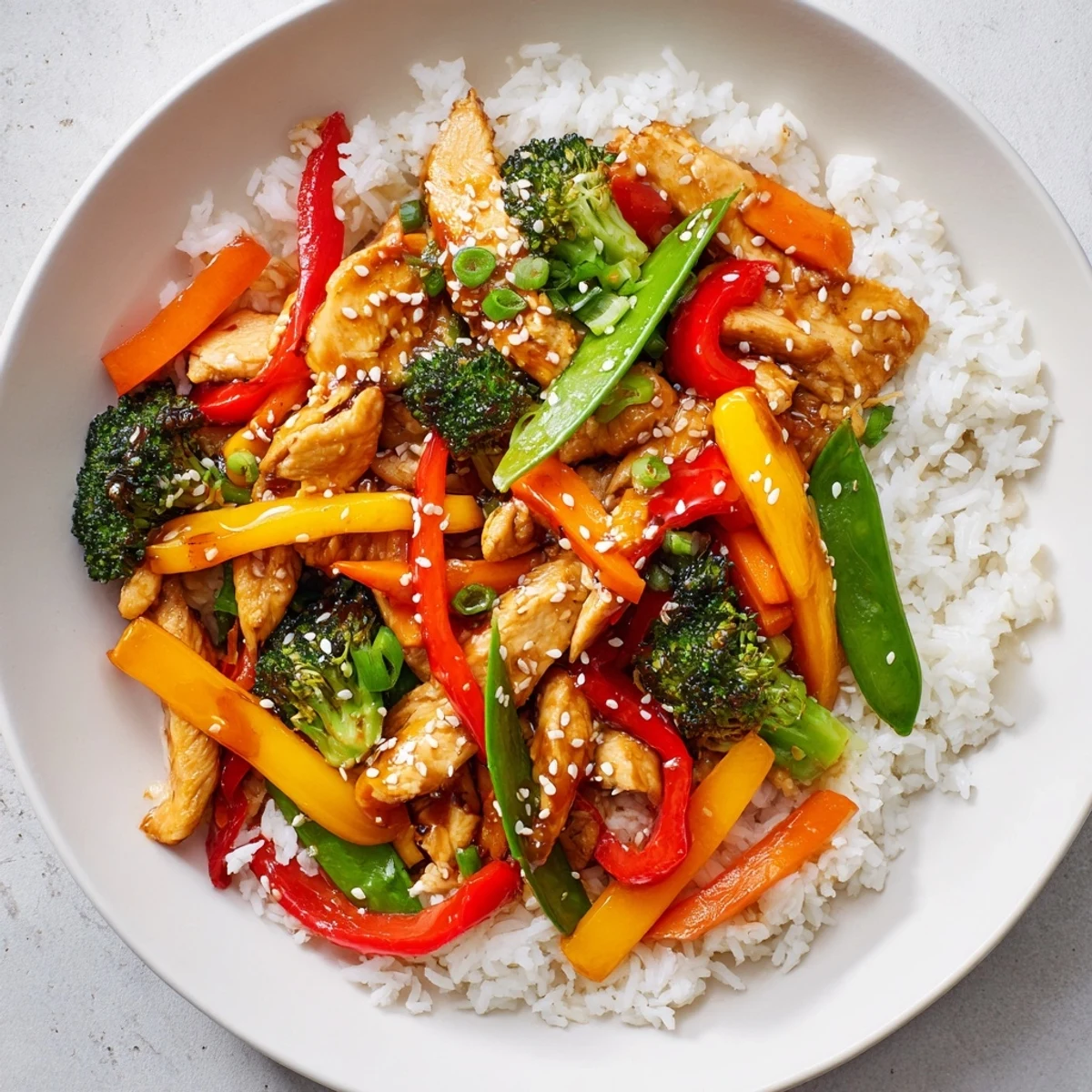
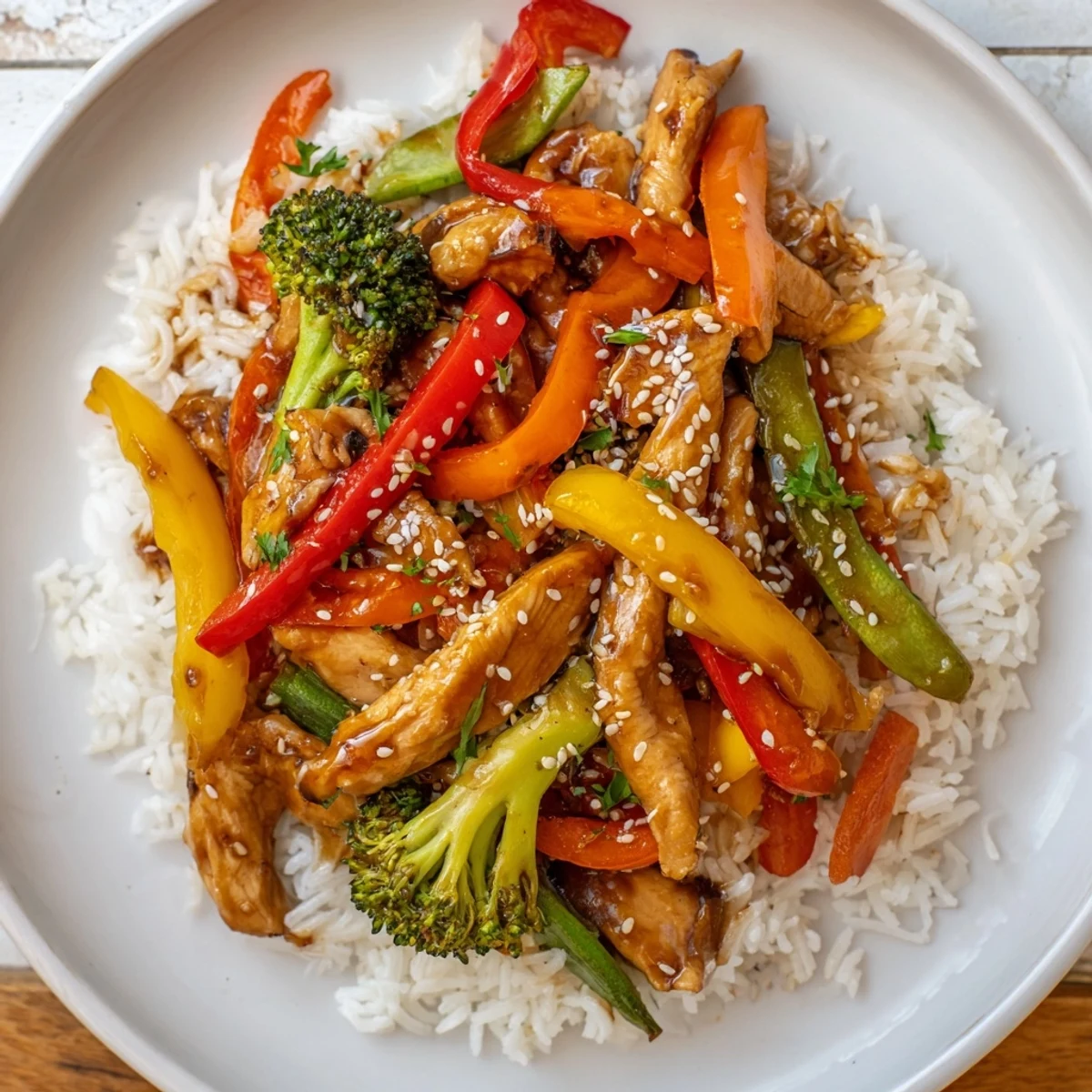
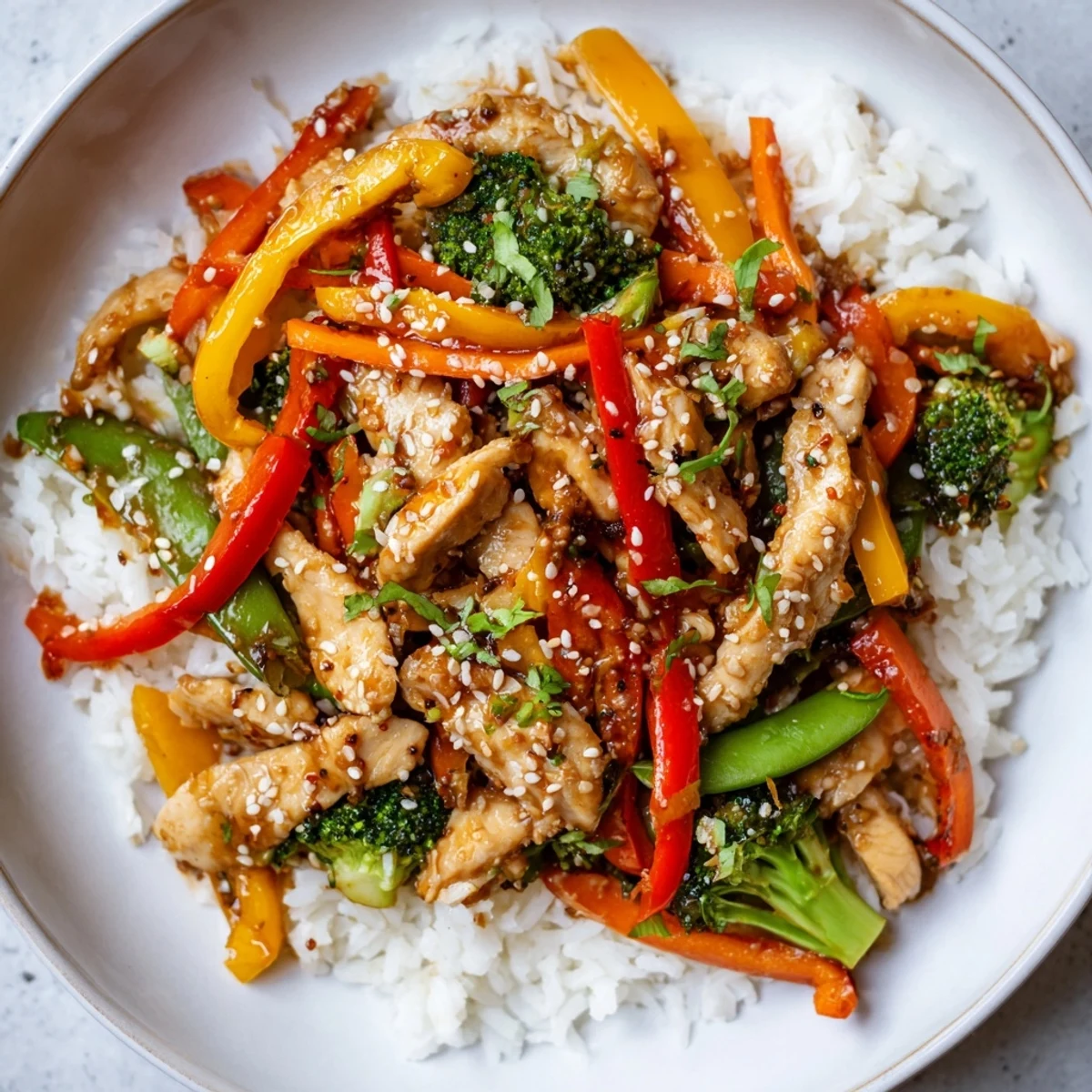
 This Asian-inspired dish combines tender chicken breast with colorful vegetables including bell peppers, broccoli, carrots, and snap peas, all tossed in a savory soy-based sauce and served over fluffy jasmine rice. Quick to prepare in just 35 minutes total, it's an easy weeknight dinner that's naturally dairy-free and highly customizable. The combination of fresh ginger, garlic, and sesame oil creates authentic flavor, while the cornstarch-thickened sauce coats each ingredient beautifully. Perfect for serving four, this dish can easily be adapted with different proteins or vegetables based on your preferences.
The sound of sizzling vegetables hitting my hot wok always takes me back to bustling nights in my tiny apartment kitchen. I first stumbled upon this chicken veggie stir fry recipe during my post-college years when I was desperate for something nutritious that wouldn't break my budget. The vibrant colors against the steaming rice created a picture-perfect meal that somehow made my weeknight feel special despite the simplicity.
Last winter, I invited my neighbor over after she helped me shovel snow from my driveway, and this stir fry was the only thing I could quickly prepare. We ended up huddled at my kitchen island, steam rising from our bowls, trading stories while the wind howled outside. She asked for the recipe before leaving, and now its apparently in regular rotation at her house too.
Ingredients
- Chicken breast: Slicing it thinly against the grain makes all the difference in tenderness, a trick my mother taught me after years of my chewy chicken complaints.
- Bell peppers: Using both red and yellow creates not just flavor variety but a visual feast that makes the dish instantly more appealing.
- Fresh ginger: Store yours in the freezer and grate it while frozen, a game-changing discovery that gives you perfectly minced ginger without the stringy bits.
- Oyster sauce: This umami powerhouse is what separates mediocre stir fries from memorable ones, adding a complex savory note that cant be replicated.
Instructions
- Prepare your workspace:
- Before turning on any heat, have all your ingredients chopped, sliced, and ready to go. The cooking happens so quickly that youll thank yourself for this prep work.
- Perfect your rice:
- Rinse the rice until the water runs mostly clear, which removes excess starch and prevents gumminess. The 1:2 rice-to-water ratio creates fluffy grains that separate beautifully.
- Master the chicken:
- Cook the chicken in batches if needed to avoid overcrowding the pan. Youre looking for that light golden color that indicates caramelization without drying out the meat.
- Layer your vegetables:
- Add vegetables in order of cooking time, starting with carrots and broccoli that need longer to soften. The snap peas and peppers go in later to maintain their delightful crunch.
- Sauce magic moment:
- When you pour in that glossy sauce mixture, keep everything moving constantly. Youll see it transform from liquid to silky coating in just seconds.
 Save to Pinterest
 My vegetarian friend stopped by unexpectedly one evening as I was making this, so I quickly set aside some vegetables and sauce before adding the chicken. We ended up having a lovely impromptu dinner where she could enjoy the veggie version while I had the original. Sometimes the most memorable meals come from these unplanned moments of adaptation.
The Art of Stir-Fry Timing
Ive learned through many mediocre attempts that the secret to exceptional stir fry isnt just ingredients but sequence. Starting with aromatics like ginger and garlic infuses the oil with flavor, creating a foundation for everything that follows. When I rush this step, the depth just isnt there, but giving those aromatics 30 seconds in the hot oil transforms the entire dish.
Customizing Your Creation
The beauty of this recipe lies in its flexibility. When my cilantro-hating brother visits, I substitute flat-leaf parsley for garnish. During summer months when my garden explodes with zucchini, I add thin half-moons that cook perfectly alongside the bell peppers. Even the protein can change based on whats available, with tofu absorbing the sauce beautifully for a plant-based alternative.
Leftovers Reinvented
After making this countless times, Ive discovered the leftovers might be even better than the original meal. The flavors deepen overnight as the sauce penetrates every ingredient, creating a more complex taste profile by lunchtime the next day.
- Try wrapping leftovers in large lettuce leaves for a fresh lunch option that doesnt feel like youre eating the same meal twice.
- Add a splash of chicken broth to transform leftover stir fry into a quick soup, throwing in some rice noodles for substance.
- Cold stir fry makes an amazing filling for omelet roll-ups, especially with a bit of extra soy sauce drizzled on top.
 Save to Pinterest
 This humble stir fry has become more than just dinner in my house, its a solution to so many everyday situations. Whether youre cooking for one or surprising friends with a colorful meal, these vibrant flavors never disappoint.
Recipe Questions
- → Can I prepare the components ahead of time?
-
Yes, you can prep vegetables and slice chicken up to 4 hours before cooking. Store them in separate airtight containers in the refrigerator. Mix the sauce ingredients together and refrigerate. This makes cooking much faster when you're ready to eat.
- → What's the best way to achieve crispy vegetables?
-
Keep your wok or skillet at medium-high heat and avoid overcrowding the pan. Add vegetables in stages based on their cooking time. Bell peppers and snap peas should be added near the end to maintain their crispness and bright color.
- → How can I make this dish gluten-free?
-
Replace regular soy sauce with gluten-free tamari and choose a gluten-free oyster sauce alternative. Check all product labels carefully, as some brands may contain hidden gluten. The rest of the ingredients are naturally gluten-free.
- → What proteins work best as chicken substitutes?
-
Firm tofu, shrimp, or beef work excellently. For tofu, use extra-firm varieties and pan-fry until golden before mixing with vegetables. Shrimp cooks quickly, so add it near the end. Beef should be sliced thin and cooked similarly to chicken.
- → How do I prevent the sauce from becoming too thick?
-
Start with the full amount of cornstarch recommended and adjust based on your preference. If the sauce thickens too much, add water one tablespoon at a time. Remember the sauce will continue to thicken slightly as it cools.
- → Can this be made in a regular skillet instead of a wok?
-
Absolutely. A large deep skillet works well for stir frying. Cook in smaller batches if needed to avoid overcrowding, and maintain consistent high heat. The results will be just as delicious as with a traditional wok.