
 Save to Pinterest
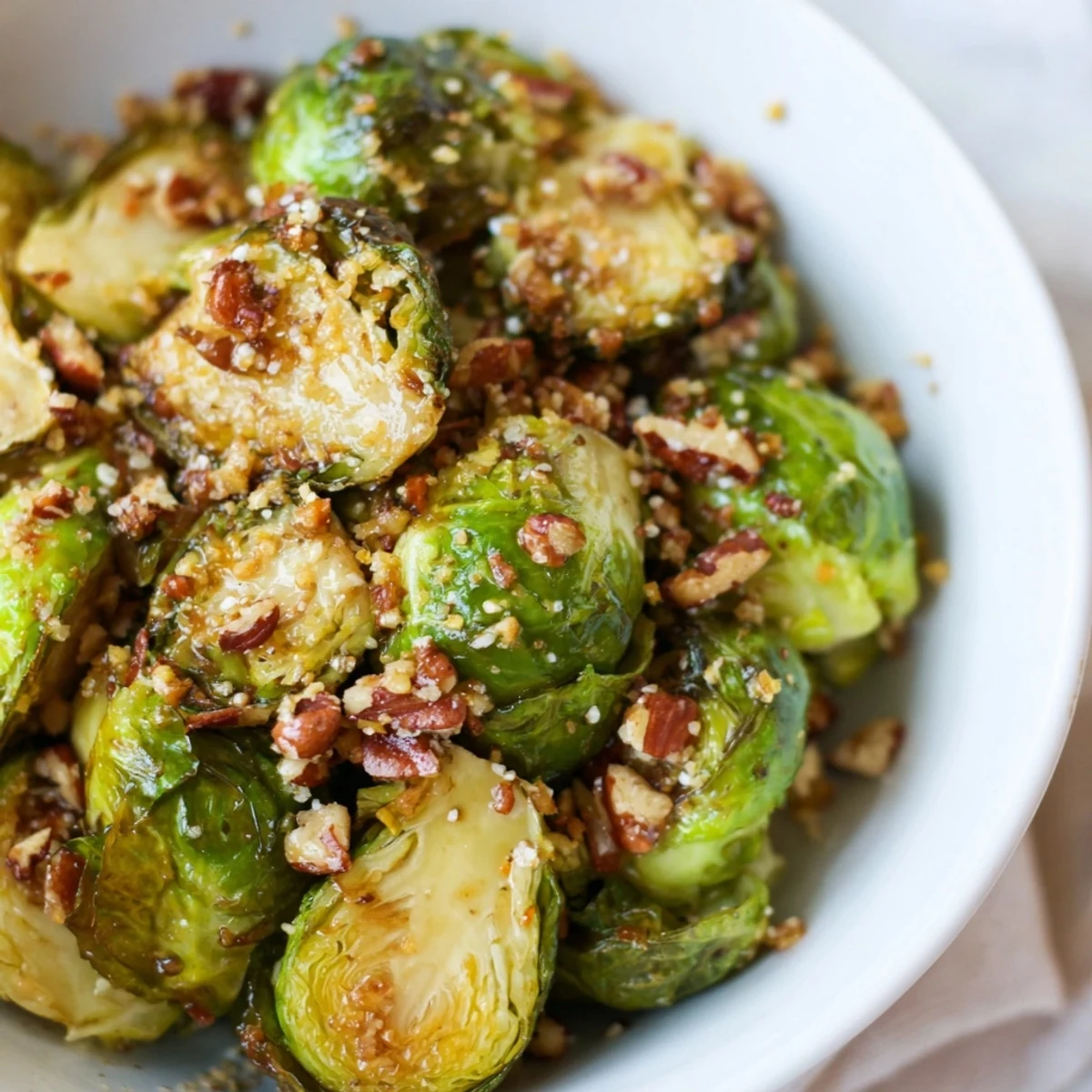
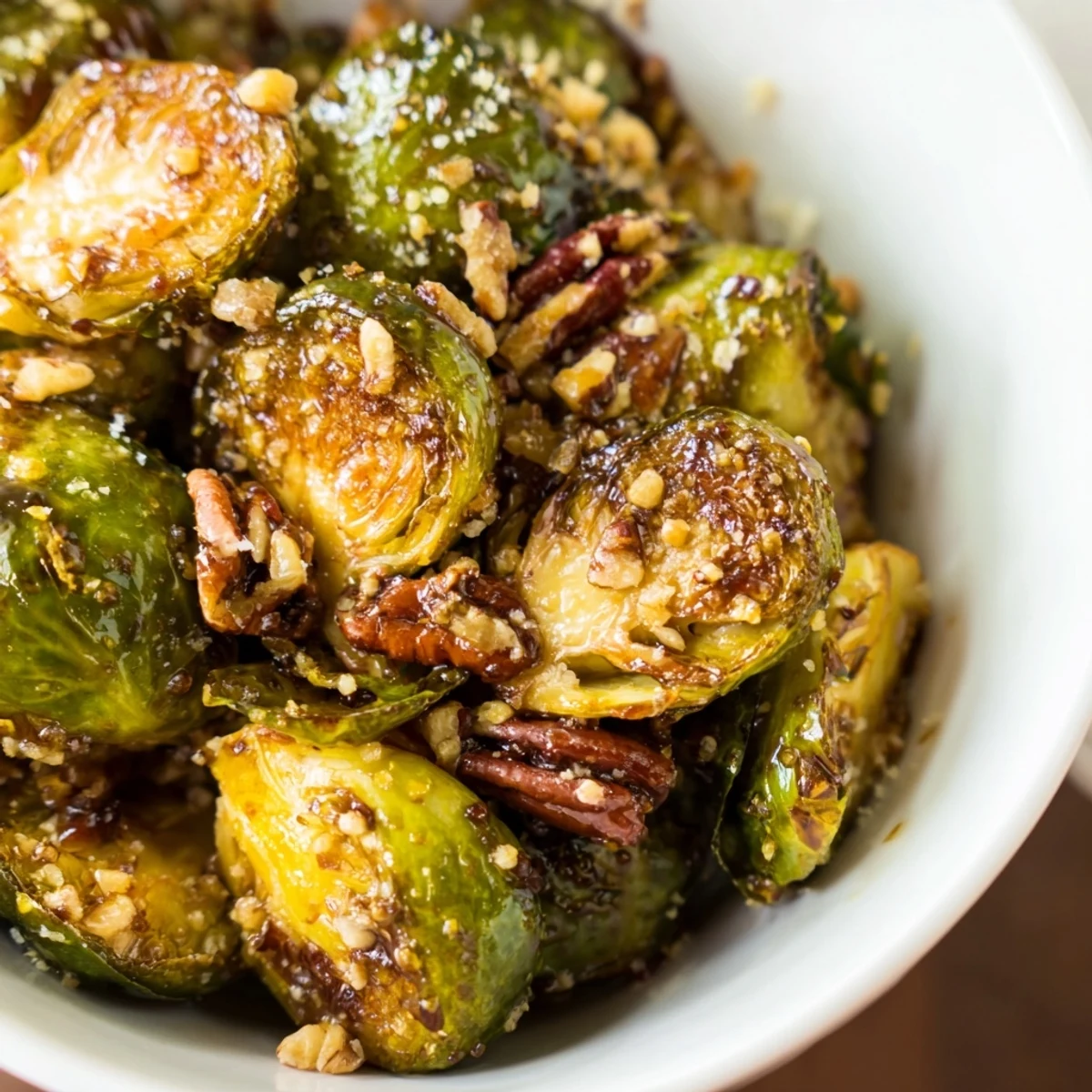
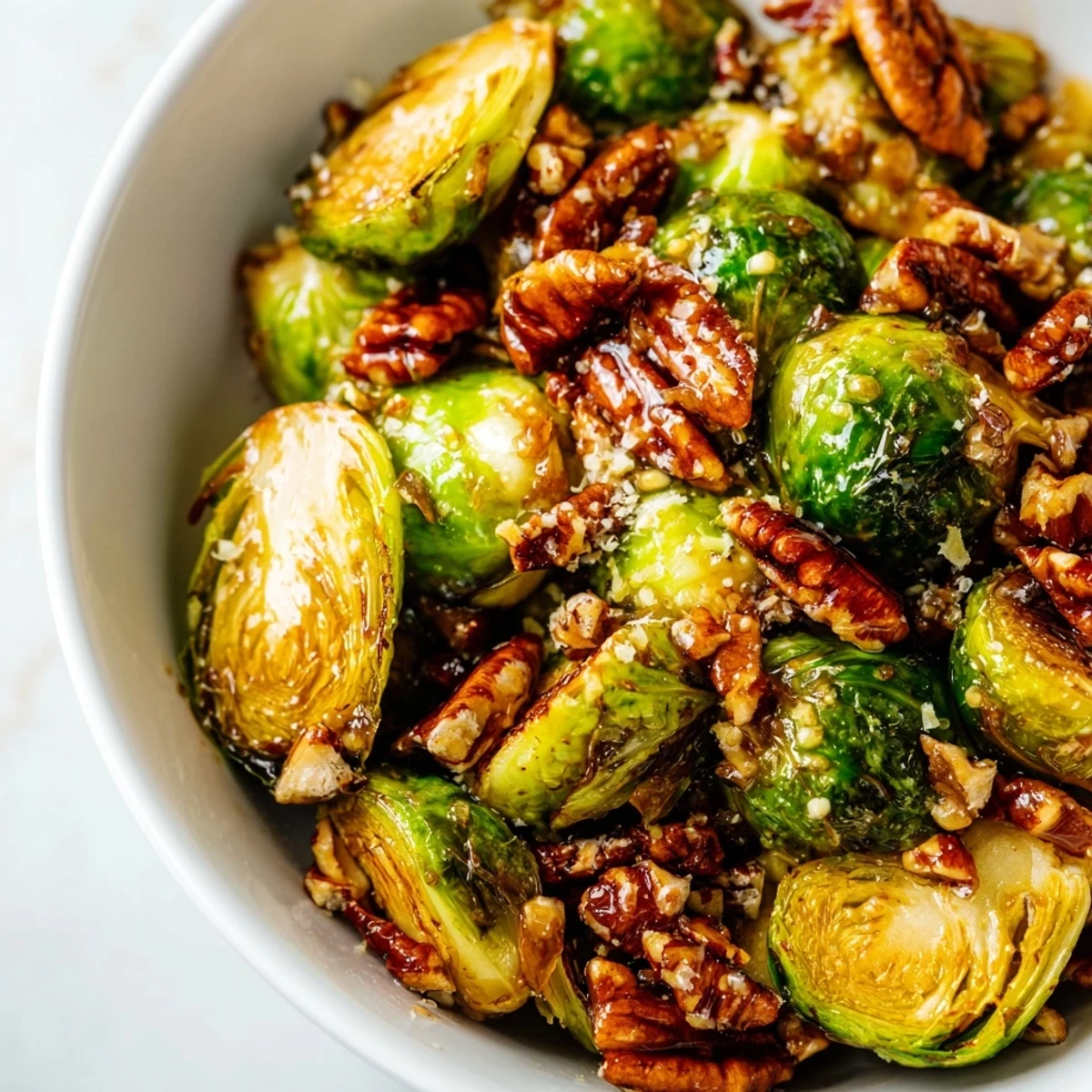
 These Brussels sprouts are trimmed and halved, then tossed in olive oil, salt, and pepper before oven roasting until perfectly crisp. A rich maple syrup and balsamic vinegar glaze is whisked together and drizzled over the warm sprouts, creating a savory-sweet coating. Optional toppings like toasted pecans and parmesan add texture and depth. Quick to prepare, this side highlights caramelized edges and a balance of crisp and tender bites.
I discovered the magic of crispy Brussels sprouts by accident one October when a bag started to wilt in my crisper drawer. Rather than toss them, I roasted them with the last of some good olive oil and a drizzle of maple syrup I'd been saving. What came out of the oven changed everything—caramelized edges, sweet and savory in every bite, nothing like the mushy versions I'd avoided for years. Now they disappear faster than almost anything else I make.
I made these for a Thanksgiving potluck last year and set them on a table between a casserole and mashed potatoes. They were gone in twenty minutes, and someone actually asked for the recipe instead of complimenting the turkey. That's when I knew these weren't just a side dish—they were the thing people had been waiting for.
Ingredients
- Brussels sprouts: Look for ones that feel firm and heavy, about the size of a walnut or slightly larger—they shrink as they roast and the smaller ones can overcook and dry out.
- Olive oil: Use something you actually like to taste, not the cheapest bottle, because it carries flavor when the sprouts caramelize.
- Kosher salt and freshly ground black pepper: Toast the peppercorns yourself if you can—pre-ground pepper loses its bite and the fresh kind makes a real difference.
- Pure maple syrup: Real maple syrup, not the pancake syrup substitute, or the glaze won't have that authentic depth.
- Balsamic vinegar: The sweetness cuts through the richness and adds complexity that keeps people guessing.
- Toasted pecans: Toasting them yourself takes three minutes and transforms them from forgettable to the thing people pick off the plate.
- Parmesan cheese: Optional but worth it—the umami pairs beautifully with the maple.
Instructions
- Get your oven ready and prep the pan:
- Preheat to 220°C (425°F) and line a baking sheet with parchment paper. A hot oven is non-negotiable—it's what creates those burnished, crispy edges.
- Coat the sprouts:
- Toss the halved Brussels sprouts in a large bowl with olive oil, salt, and pepper until every piece glistens. Don't skip the salt here; it draws out moisture so they can crisp rather than steam.
- Arrange them strategically:
- Spread the Brussels sprouts cut side down on the prepared sheet in a single layer. Don't crowd the pan or they'll steam instead of caramelize—this is where patience actually matters.
- Roast with a flip:
- Roast for 20-25 minutes, flipping halfway through, until the bottoms are deeply golden and the edges look almost charred. You want them crispy enough that the edges shatter slightly when you bite.
- Make the glaze:
- While they finish roasting, whisk maple syrup and balsamic vinegar together in a small bowl. This simple combination is the reason everyone asks for seconds.
- Toss and finish:
- Transfer the roasted sprouts to a serving bowl, drizzle with the glaze, and toss until everything is coated. The residual heat helps the glaze coat evenly.
- Garnish and serve:
- Sprinkle with toasted pecans and parmesan if using, and serve immediately while they're still warm and crispy.
 Save to Pinterest
 The first time I served these to someone who claimed to hate Brussels sprouts, they ate half the batch before realizing what they were eating. There's something deeply satisfying about converting a skeptic with something this simple and honest.
Why This Glaze Works
Maple syrup alone would be too sweet and one-note, but the balsamic vinegar adds tang and depth that makes your taste buds work a little harder. The two together create a balance that feels sophisticated without being fussy. It's the kind of pairing that tastes like someone spent hours developing it, when really it just takes a bowl and a whisk.
Temperature Matters More Than You'd Think
I've tried roasting these at 400°F and they never get quite as crispy—they brown instead of caramelize. The higher heat matters because it creates a Maillard reaction that low and slow cooking simply can't match. If your oven runs cool, invest in a thermometer to check the actual temperature, because that final texture depends on genuine heat.
Ways to Make It Your Own
Once you master the base, this recipe becomes a playground. I've added cumin and smoked paprika, toasted walnuts instead of pecans, and even a tiny drizzle of hot honey. The maple-balsamic foundation is strong enough to handle experimentation without falling apart.
- Try a pinch of cayenne or chili flakes if you want heat cutting through the sweetness.
- Swap the pecans for walnuts, almonds, or skip them entirely if you're serving someone with allergies.
- A light grating of aged cheddar works beautifully if you want to try something other than parmesan.
 Save to Pinterest
 These Brussels sprouts have become my answer to potlucks, holiday tables, and the question of what to bring when someone says bring whatever you want. They're the kind of simple dish that reminds you why cooking for people matters.
Recipe Questions
- → How do I get the Brussels sprouts crispy?
-
Ensure the sprouts are spread in a single layer on the baking sheet and roast at a high temperature without overcrowding. Flipping halfway helps even crispness.
- → Can I substitute the balsamic vinegar?
-
Yes, a mild acid like apple cider vinegar can be used but balsamic adds a unique sweetness that complements the maple syrup.
- → What makes the glaze stick well to the sprouts?
-
Applying the glaze immediately after roasting while the sprouts are hot helps it adhere and enhances caramelization.
- → How can I make this dish vegan?
-
Simply omit the parmesan cheese or replace it with a plant-based alternative to keep it vegan-friendly.
- → Are toasted pecans necessary in this dish?
-
They add a pleasant crunch and nutty flavor, but you can skip or substitute them based on preference or allergies.