
 Save to Pinterest
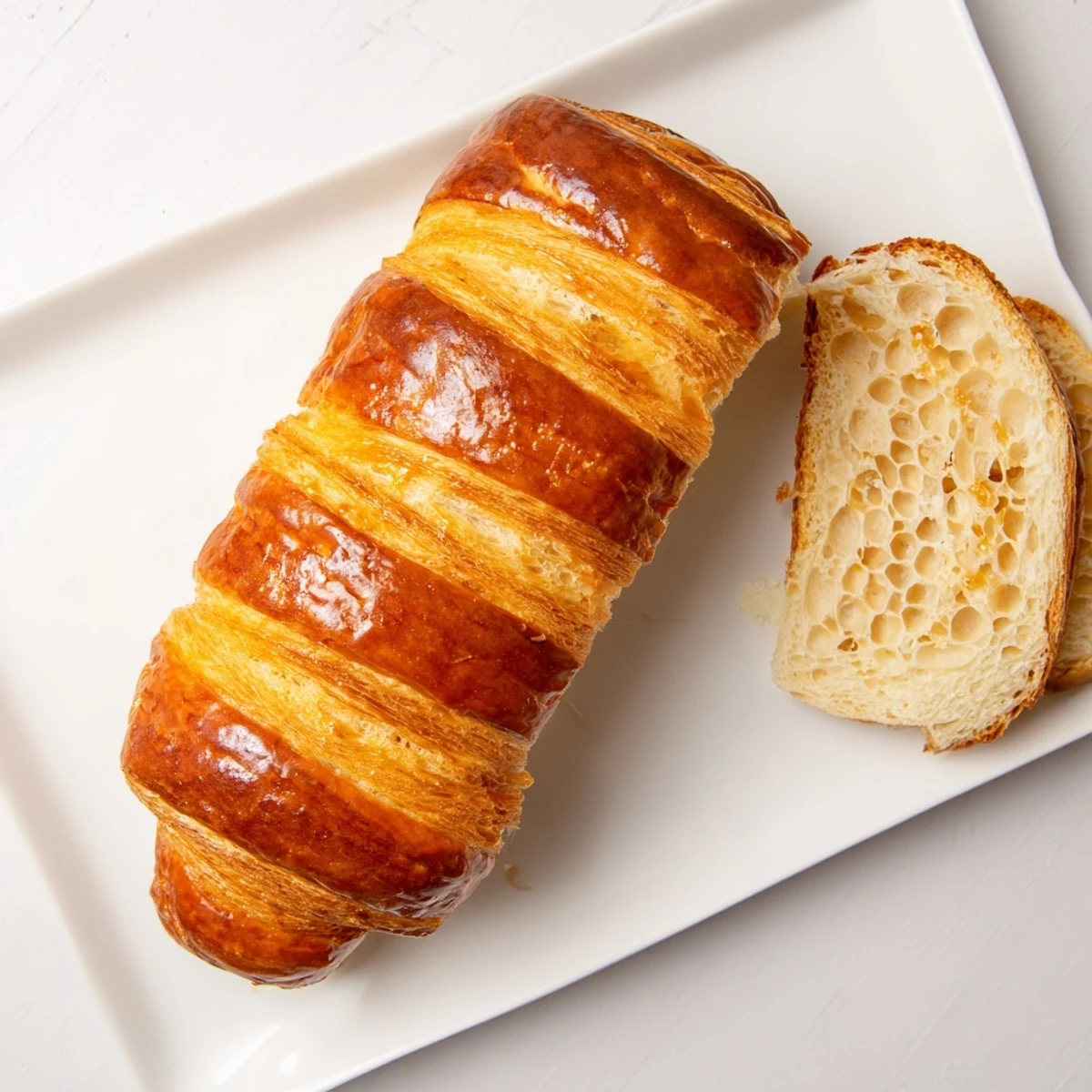
 Create bakery-quality laminated dough at home with this French-inspired loaf. The process involves creating multiple butter layers through a series of rolling and folding techniques, resulting in irresistibly flaky texture. Plan ahead as the dough requires chilling periods between folds to develop proper structure. The finished loaf offers golden crust outside while maintaining tender, airy layers inside.
Serve warm with honey, jam, or simply toasted with butter. The effort rewards you with professional pastry results right from your kitchen.
The first time I attempted croissant bread, my kitchen looked like a flour bomb had gone off. I was trying to recreate those impossibly flaky layers from a tiny Parisian boulangerie I'd visited years earlier, where the baker had handed me a still-warm baguette with a knowing wink. Three failed attempts later, I finally understood that patience isn't just a virtue in laminated dough—it's the entire secret. Now this recipe lives in my weekend rotation, and the smell of buttery dough baking has become synonymous with slow Sunday mornings.
My sister stayed over last winter when I was testing this recipe, and she literally hovered by the oven for the final ten minutes of baking. We tore into that first loaf while it was still too hot to handle, butter dripping down our wrists, and she announced it was better than anything we'd eaten in France. I've since learned to make two loaves at once because one mysteriously disappears before it even cools completely.
Ingredients
- 3 ½ cups all-purpose flour: This provides the structure for all those beautiful layers to develop
- 3 tbsp granulated sugar: Just enough to balance the salt and help with browning
- 2 tsp instant yeast: Gives you reliable, consistent rise without needing to proof first
- 1 ½ tsp salt: Crucial for flavor contrast against all that butter
- 1 cup whole milk, lukewarm: Creates a tender crumb and activates the yeast evenly
- ¼ cup unsalted butter, melted: Adds richness to the dough itself before you even start laminating
- 1 large egg: Provides structure and helps the dough hold its shape through multiple folds
- 1 cup cold unsalted butter: The absolute star of the show—keep it icy cold for distinct layers
- 1 large egg and 1 tbsp milk for egg wash: Creates that gorgeous golden bakery finish
Instructions
- Make the Base Dough:
- Combine the flour, sugar, salt, and yeast in your large bowl, being careful to keep the yeast and salt separated. Pour in the warm milk, melted butter, and egg, then mix until everything comes together into a shaggy, sticky dough.
- Knead Until Smooth:
- Work the dough for 7 to 10 minutes until it feels silky and elastic, bouncing back when you press it. Let it rise in a greased bowl for about an hour, until it's doubled in size and puffy.
- First Chill:
- Gently deflate the dough and shape it into a rough rectangle, then wrap it and refrigerate for 30 minutes. This rest period makes the dough much easier to roll out later.
- Prepare the Butter Block:
- While the dough chills, slice your cold butter into thin, even pieces and arrange them on parchment paper. You'll want them pliable but still cold, so work quickly.
- First Fold and Layer:
- Roll your chilled dough into a 12 by 16-inch rectangle, then arrange the cold butter slices over two-thirds of the surface. Fold the unbuttered third over the center, then fold the remaining third on top like you're folding a letter.
- Second Turn:
- Rotate the dough 90 degrees so the open edges face you, then roll it out again to 12 by 16 inches. Fold into thirds once more, wrap tightly, and refrigerate for another 30 minutes.
- Complete the Lamination:
- Repeat the rolling and folding process two more times, chilling for 30 minutes between each turn. Those three turns are what create the signature flaky layers that make this bread so special.
- Shape Your Loaf:
- After the final chill, roll the dough to about 8 by 16 inches, then roll it up tightly from the short end into a neat cylinder. Place it seam-side down in your greased loaf pan and let it rise until doubled, about an hour.
- Bake to Golden Perfection:
- Preheat your oven to 375°F, whisk together the egg wash, and gently brush the surface of your risen loaf. Bake for 35 to 40 minutes until it's deeply golden and sounds hollow when tapped, tenting with foil if it browns too quickly.
- Cool Completely:
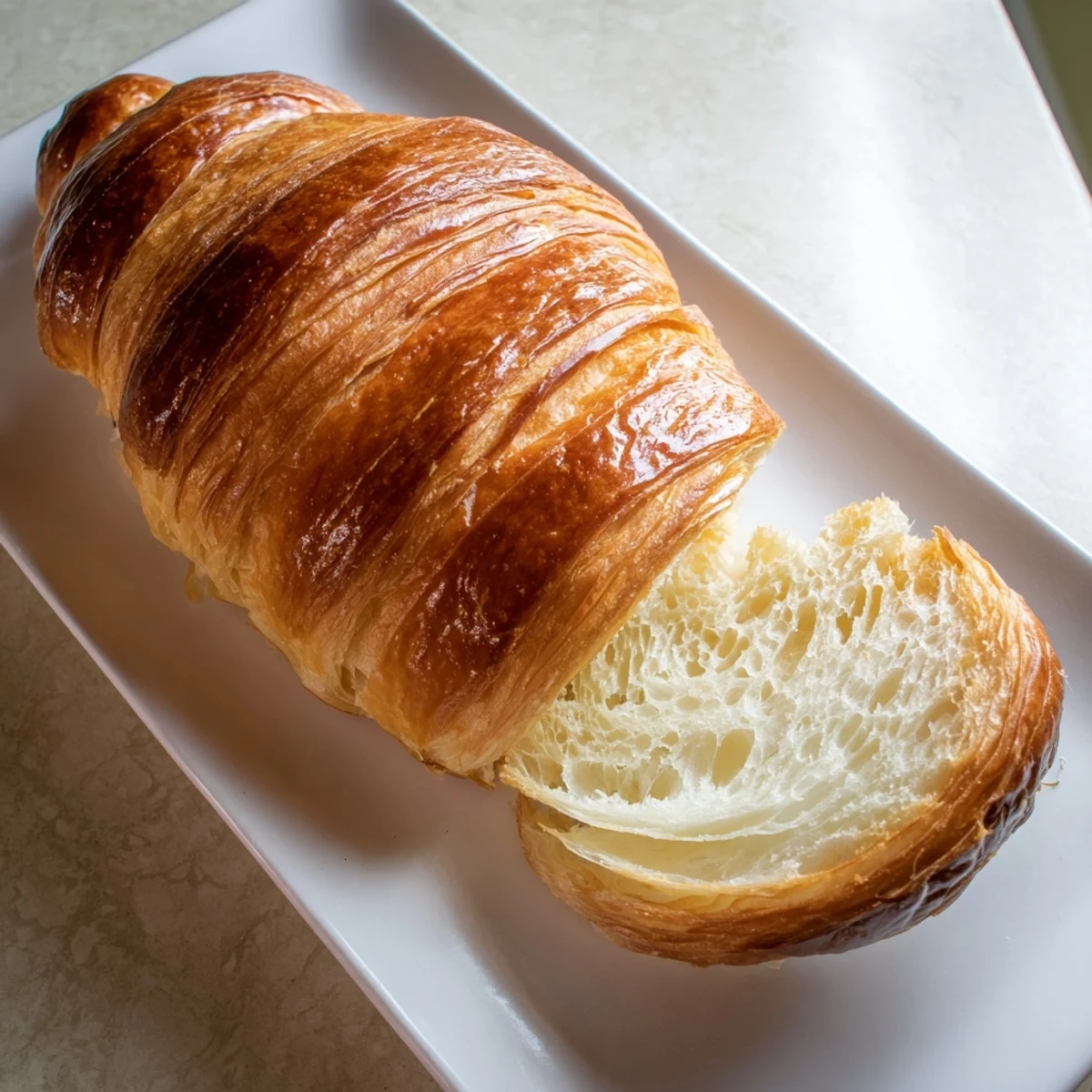
- Let the bread rest in the pan for 10 minutes, then transfer to a wire rack. I know the wait is torture, but cooling fully before slicing ensures clean cuts and preserves those delicate layers.
 Save to Pinterest
 Last Christmas morning, my dad took one bite of this bread and declared he was never buying store-bought again. Seeing someone who typically regards bread as mere sandwich filler get genuinely excited about a bake reminded me why I put in the effort. Food becomes memory when you share it with people you love.
Making This Your Own
Sometimes I'll roll cinnamon sugar into the dough before that final shaping, and honestly, it's transformative. The sugar caramelizes slightly as it bakes, creating these irresistible sticky spots throughout the loaf. Just don't go overboard or you'll interfere with the layer structure you worked so hard to create.
The Laminating Secret
Those three rolling and folding sessions might feel tedious, but they're literally what separates ordinary bread from something extraordinary. Each fold creates dozens of butter sheets that puff up in the oven, forming the flaky pockets we're all chasing. Think of it as meditation—there's something deeply satisfying about the rhythm of rolling, folding, and chilling.
Serving Suggestions
This bread deserves to be the star of whatever meal you're building around it. I love it simply toasted with salted butter, letting the quality shine through. But it's also a game-changer for French toast—those layers soak up the custard in the most incredible way.
- Slice and freeze individual portions for busy weekday breakfasts
- Use day-old slices to make the most decadent bread pudding you've ever tasted
- Pair with sharp cheddar and apple slices for an elevated afternoon snack
 Save to Pinterest
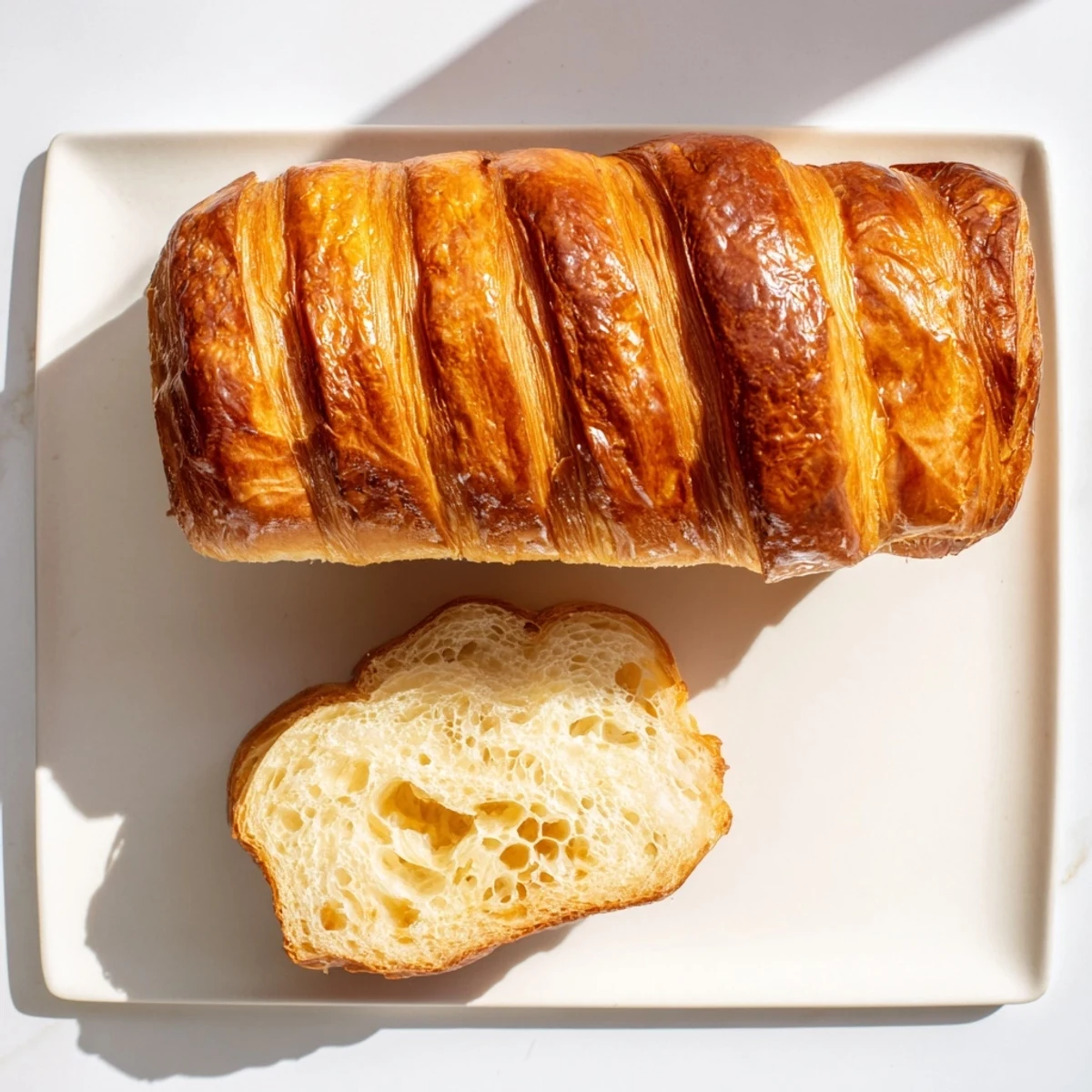
 There's something profoundly satisfying about pulling a golden, laminated loaf from your own oven. Every buttery, flaky bite is proof that you stuck with it through the waiting and the folding—and that's the best ingredient of all.
Recipe Questions
- → Why is chilling the dough necessary between folds?
-
Chilling keeps the butter cold and firm, preventing it from melting into the dough. This separation creates distinct flaky layers during baking.
- → Can I use salted butter instead of unsalted?
-
Unsalted butter works best for controlling sodium levels. If using salted, reduce added salt in the dough by about half to avoid excessive saltiness.
- → How do I know when the loaf is fully baked?
-
The loaf should sound hollow when tapped on the bottom, and the crust will be deep golden brown. An instant thermometer inserted into the center should read 190°F (88°C).
- → Can I freeze the dough before baking?
-
Yes, wrap the shaped loaf tightly in plastic and freeze for up to 2 weeks. Thaw overnight in the refrigerator, let rise at room temperature, then bake as directed.
- → What's the purpose of the egg wash?
-
The egg wash creates a glossy, golden finish and helps the crust develop attractive color. Brush gently to avoid deflating the risen dough.
- → Why did my layers fuse together?
-
This typically happens when butter melts into the dough before baking. Ensure thorough chilling between folds and work quickly during rolling to keep everything cold.