
 Save to Pinterest
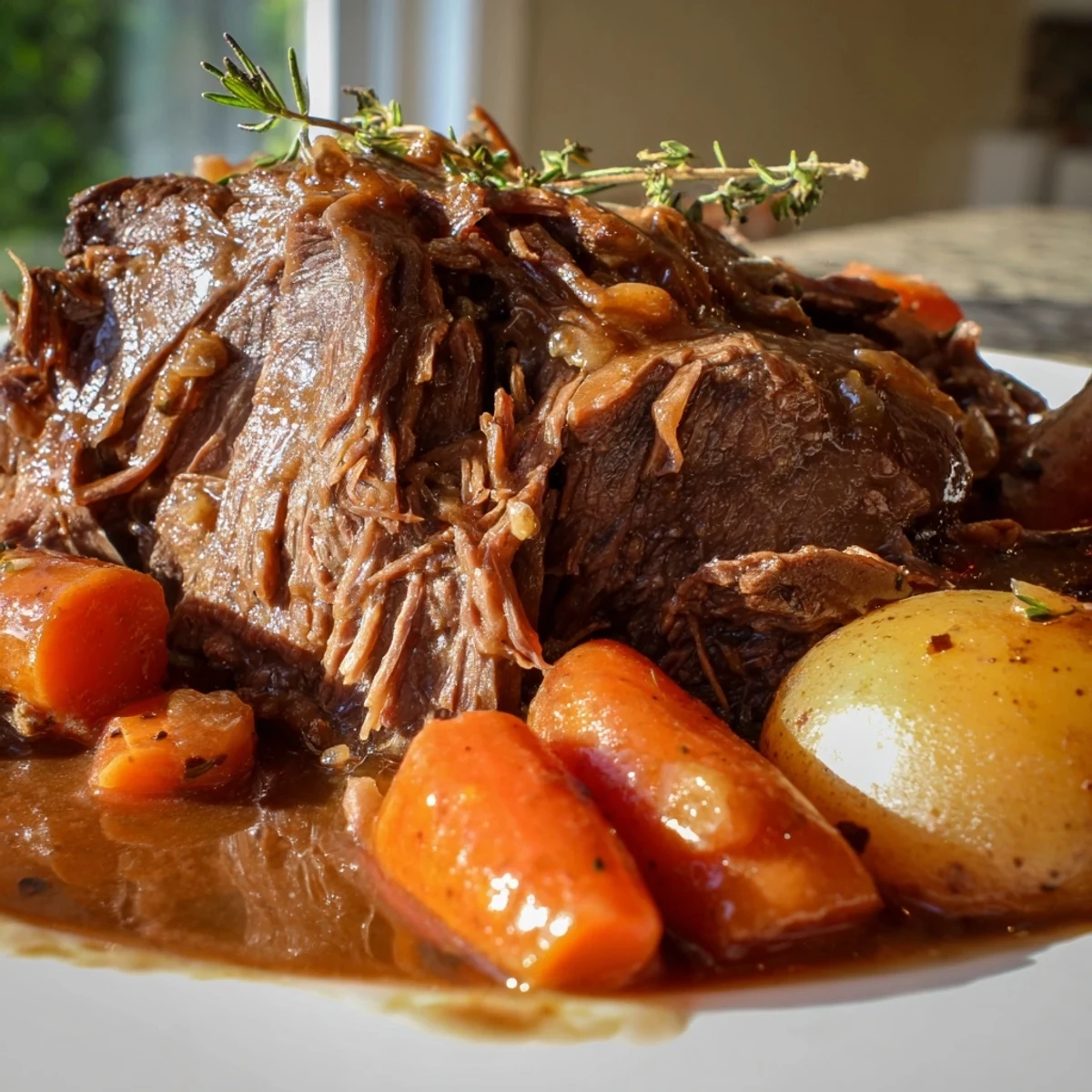
 This classic preparation transforms a humble beef chuck roast into an extraordinary centerpiece through slow braising with fresh herbs and vegetables. The meat develops rich, deep flavors while becoming meltingly tender after three hours in the oven.
Fresh thyme, rosemary, and bay leaves infuse the beef with aromatic notes, while carrots, celery, and onions create a flavorful base. Red wine and beef broth combine with tomato paste for a luxurious braising liquid that reduces into a savory sauce.
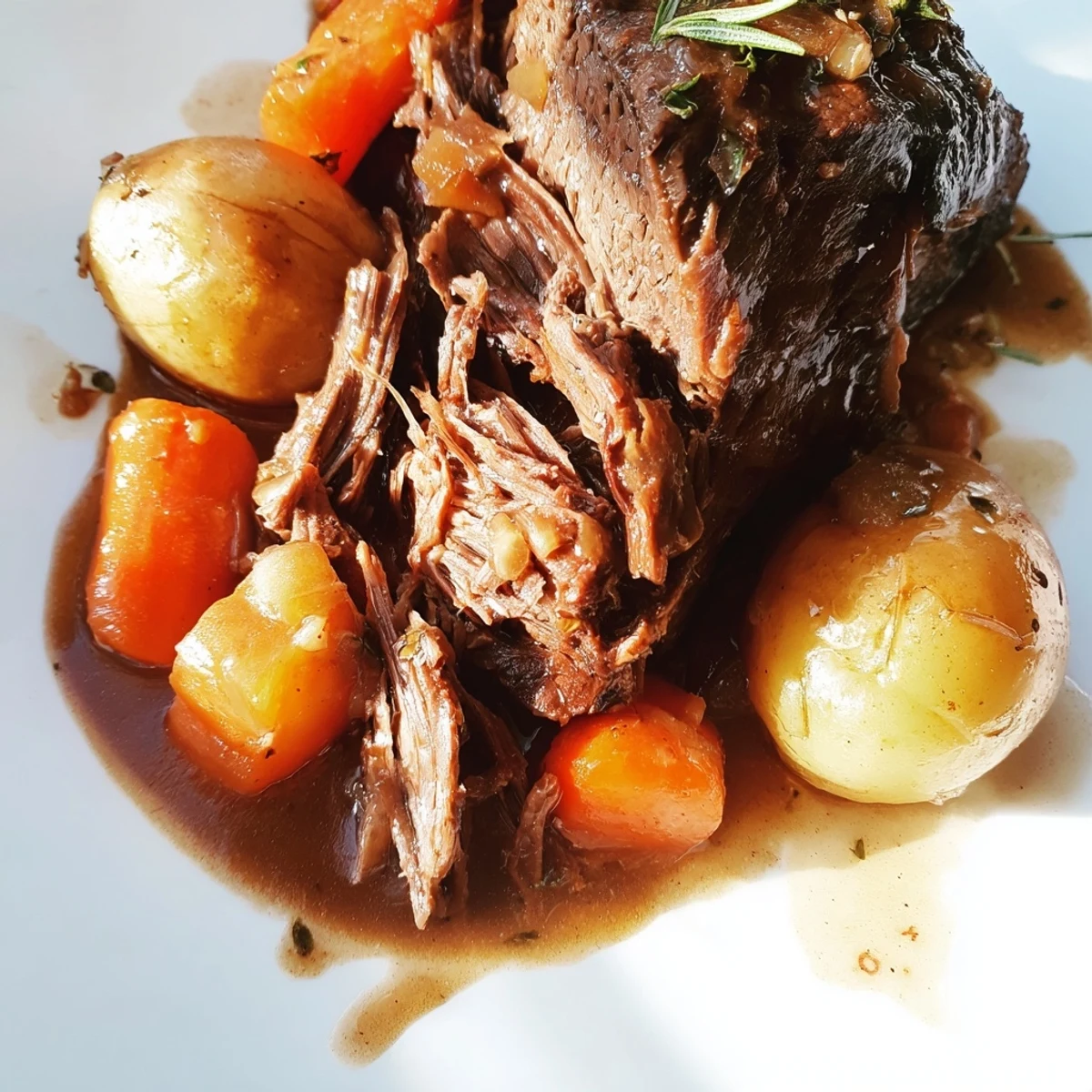
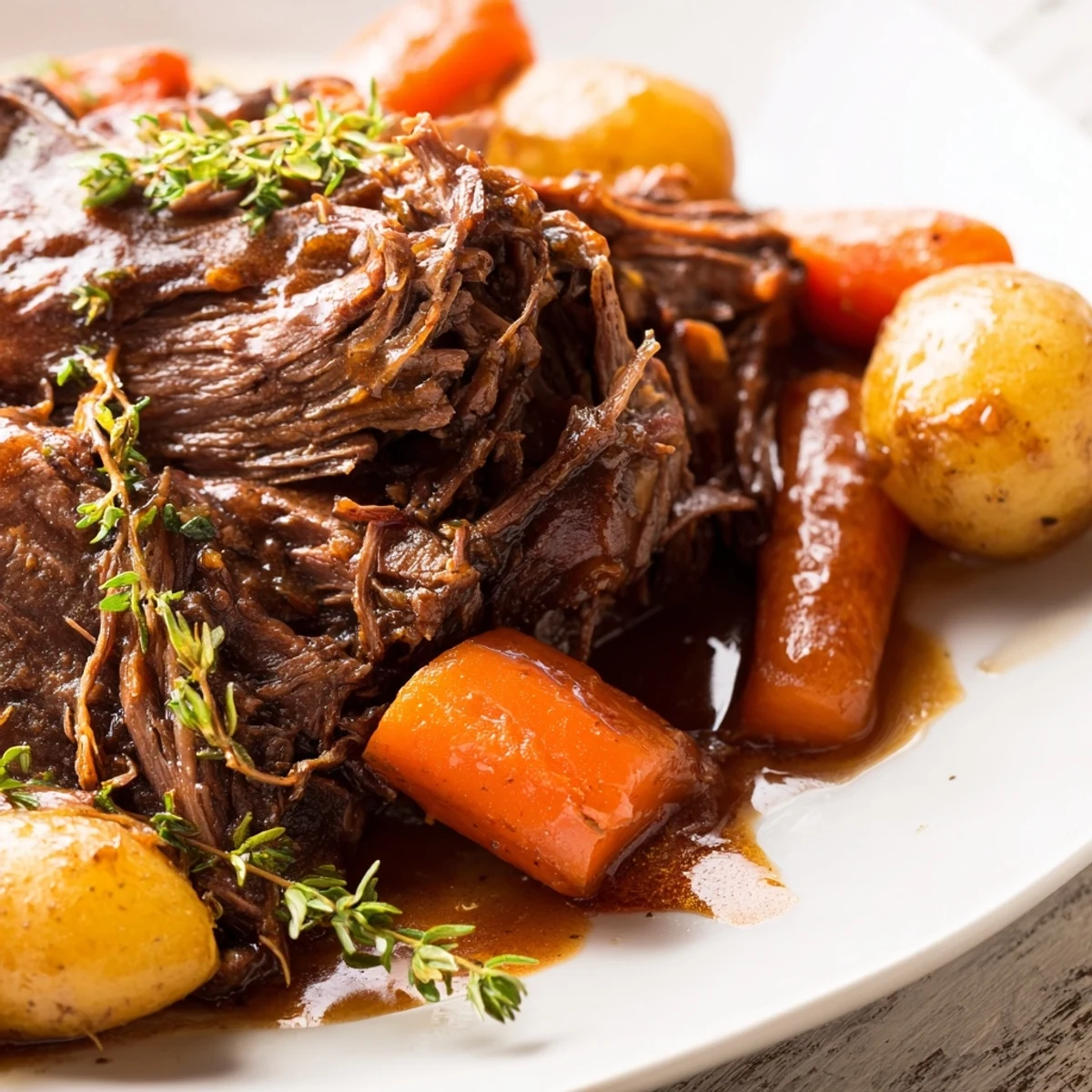
The result is fork-tender beef that can be sliced or shredded, served alongside tender vegetables and drizzled with the reduced cooking liquid. This warming dish pairs beautifully with mashed potatoes, polenta, or crusty bread to soak up the flavorful juices.
My tiny apartment kitchen smelled like a restaurant the first time I made this braised beef, the kind of rich, earthy aroma that makes neighbors pause in the hallway. I'd invited three friends over on a snowy February evening, crossing my fingers that a cheap chuck roast would somehow transform into something worth serving. When I lifted that Dutch oven lid after three hours, the meat practically fell apart at the touch of a fork, and we all went quiet for a second before someone reached for seconds. That night taught me that patience and simple ingredients can create something extraordinary.
Last winter, my sister called mid-braise, panicked because she'd forgotten to buy fresh herbs and only had dried ones in her pantry. I told her to use them anyway, and honestly, it still turned out wonderful. We ended up laughing about how recipe instructions can make everything sound so serious when really, braised beef is incredibly forgiving. Now she makes this every Sunday, and her family thinks she's some kind of kitchen wizard.
Ingredients
- 1 (3–4 lb) beef chuck roast: This budget cut transforms into silkiness when cooked slowly, so dont waste money on expensive cuts
- 2 tsp kosher salt and 1 tsp freshly ground black pepper: Season generously before searing to build flavor layers throughout the meat
- 2 large yellow onions, 4 carrots, 3 stalks celery: These aromatics create the flavor foundation and become melt-in-your-mouth sweet after hours of braising
- 4 garlic cloves, minced: Add after the vegetables soften so it doesnt burn and turn bitter
- 2 tbsp olive oil: You need enough fat to get that gorgeous crust on the roast without smoking
- 2 cups beef broth and 1 cup dry red wine: The combination creates depth, but use all broth if you prefer not to cook with wine
- 2 tbsp tomato paste: This concentrate adds umami and helps thicken the sauce naturally
- 2 bay leaves, 4 sprigs fresh thyme, 2 sprigs fresh rosemary: Fresh herbs make a difference, but dried work in a pinch at half the amount
- 1 lb baby potatoes, halved (optional): Tuck them around the roast during the last hour for a complete one-pot meal
Instructions
- Preheat and season the roast:
- Set your oven to 325°F and pat the beef completely dry with paper towels for better browning. Rub salt and pepper all over, pressing it into the meat so every bite is seasoned through.
- Get a gorgeous sear:
- Heat olive oil in your Dutch oven until it shimmers, then brown the roast on every side for 3 to 4 minutes each. Listen for that satisfying sizzle and dont move the meat around—let it develop a deep, caramelized crust.
- Build the aromatic base:
- Toss in onions, carrots, and celery, cooking until they smell sweet and look golden at the edges. Stir in the garlic for just one minute so it releases its fragrance without burning.
- Deglaze and deepen the flavors:
- Stir in tomato paste and let it darken slightly, then pour in the wine while scraping up every browned bit from the bottom. Those caramelized bits are where all the flavor lives, so dont skip this step.
- Bring everything together:
- Add the broth, herbs, and tuck the roast back into the pot along with any juices that escaped. Arrange potatoes around the meat if youre using them for a complete meal.
- Low and slow does it:
- Bring the liquid to a gentle bubble, cover tightly, and slide the whole pot into the oven. Baste once or twice during those three hours, but mostly just let the oven work its magic.
- The final rest:
- Fish out the herbs and bay leaves, then let the meat rest for 10 minutes so the juices redistribute. Slice or shred against the grain, spooning plenty of that rich sauce over everything.
 Save to Pinterest
 This recipe became my go-to for bringing dinner to new parents because it reheats beautifully and feels like a proper hug in a bowl. Last month, my friend texted at midnight to say her toddler had asked for beef stew again, which is basically the highest compliment a cook can receive.
Making It Your Own
Once you've made this a few times, you'll start playing with the vegetable combination. Sometimes I throw in parsnips for their subtle sweetness, or swap red wine for stout when I want something darker and richer. The technique stays the same, but small tweaks make it feel new every time.
Serving Ideas
Mashed potatoes are classic for good reason, but creamy polenta soaks up that braising liquid like nothing else. On busy nights, I've served it over crusty bread with nothing else, and nobody complained. The key is having something to catch all that sauce.
Storage and Reheating
This beef actually improves after a day or two in the refrigerator as the flavors meld and deepen. Store it in the braising liquid for maximum moisture, and reheat gently on the stove with a splash of broth if needed.
- Freeze portions in the sauce for up to three months
- Reheat covered so it doesnt dry out
- The fat will rise to the top—skim it off if you want, or leave it for flavor
 Save to Pinterest
 There's something deeply satisfying about turning an inexpensive cut of meat into something that feels luxurious. This recipe proves that good cooking isn't about fancy ingredients or complicated techniques—it's about patience and letting time do the work.
Recipe Questions
- → What cut of beef works best for slow braising?
-
Chuck roast is ideal for braising because its connective tissue breaks down during long, slow cooking, resulting in incredibly tender meat. The marbling throughout the cut keeps the meat moist while developing rich flavor.
- → Can I prepare this in a slow cooker instead of the oven?
-
Yes, cook on low for 8-10 hours or high for 4-6 hours. Sear the meat first, sauté vegetables, then combine everything in the slow cooker. The results will be similarly tender with slightly less concentrated sauce.
- → What wine should I use for braising?
-
A dry red wine like Cabernet Sauvignon, Merlot, or Pinot Noir works beautifully. Choose something you would enjoy drinking, as the flavor concentrates during cooking. Avoid very tannic wines which may become bitter.
- → How do I know when the beef is done?
-
The beef is ready when it forks apart easily and shreds without resistance. An instant-read thermometer should read 195-205°F for maximum tenderness. The connective tissue will have completely broken down.
- → Can I make this ahead of time?
-
This actually improves when made ahead. Cool, refrigerate overnight, then remove solidified fat before reheating. The flavors meld and become even more developed. Reheat gently on the stove or in a 325°F oven.
- → What vegetables can I add or substitute?
-
Beyond the classic mirepoix, try adding parsnips, turnips, or rutabaga with the carrots. Baby potatoes work well if added in the last 90 minutes. Avoid delicate vegetables that would disintegrate during long braising.