
 Save to Pinterest
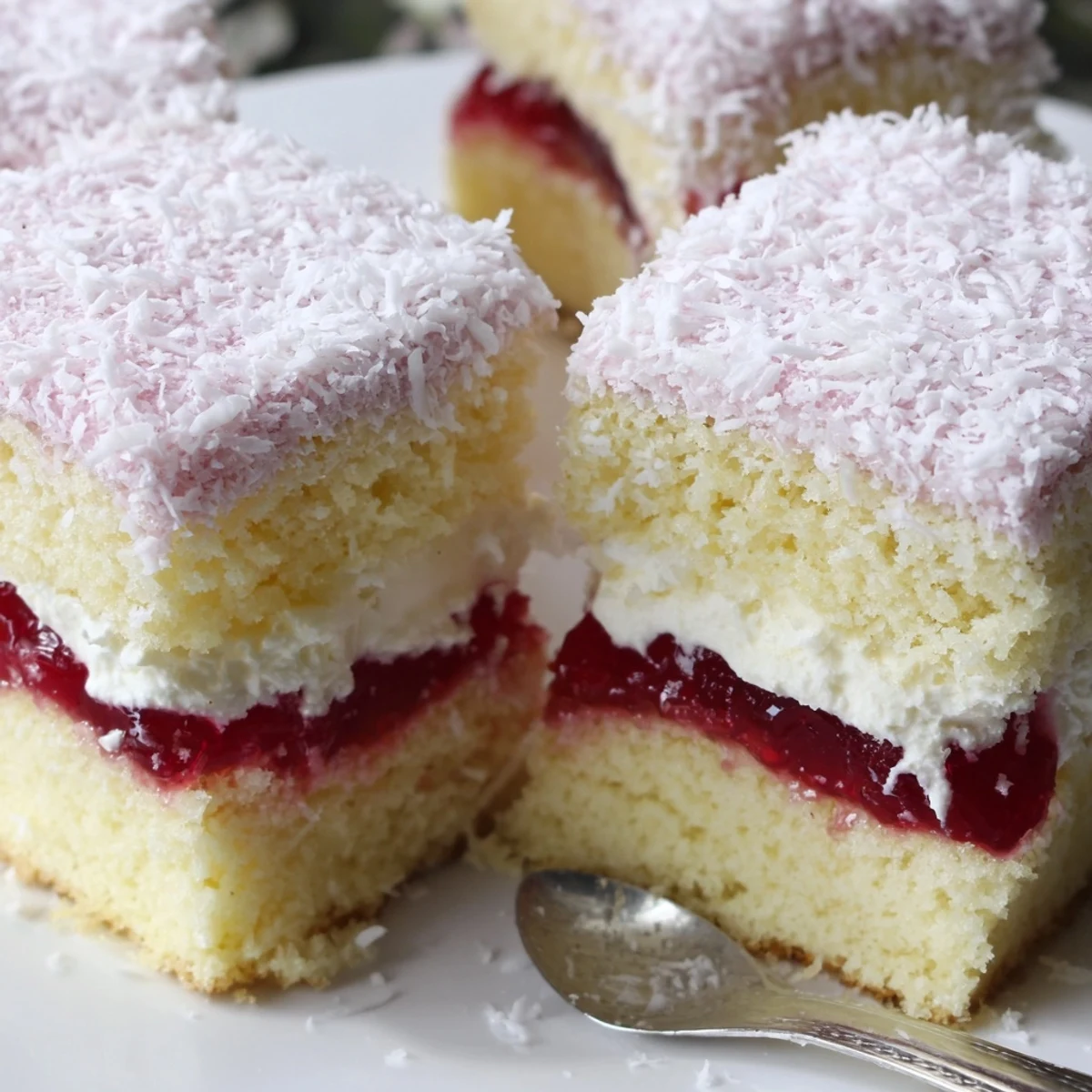
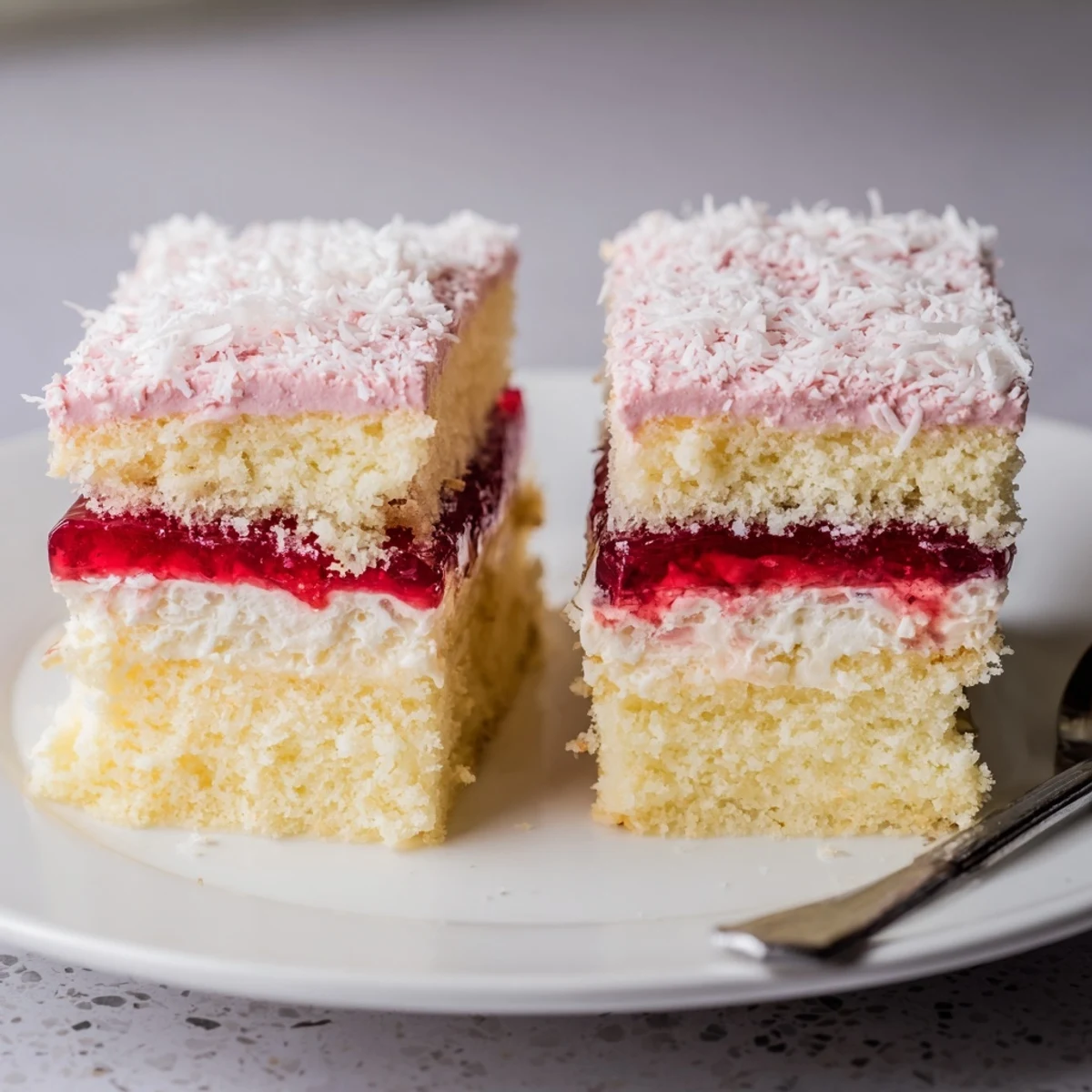
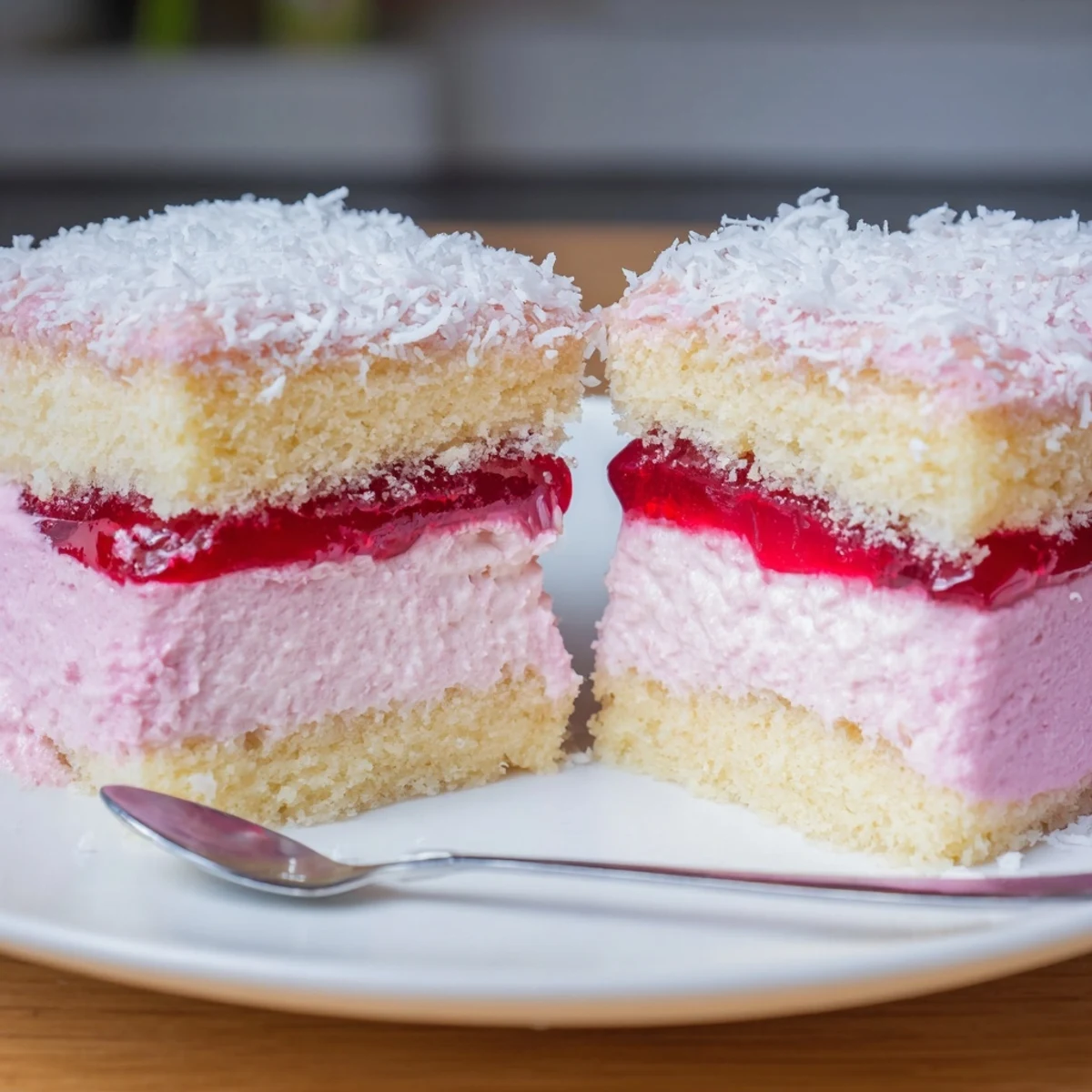
 Bake a pale, tender sponge in a sheet tin, cool completely and cut into squares. Whip thickened cream with a touch of vanilla and sandwich between two sponge pieces. Dissolve fruit jelly and chill until semi-set, then dip each cream-filled sandwich so the glaze clings and roll in desiccated coconut. Chill briefly to firm. Yields about 12 double-layer cakes; swap jelly flavours or use coconut cream for dairy-free.
The afternoon sun hit the kitchen table just right, casting a pink glow across the plate of jelly cakes my grandmother had set out for her ladies group. I was eight, dressed in my school uniform still, and I reached for one before anyone had sat down. She swatted my hand but laughed, and that coconut dusted, cream filled little square became the thing I asked for at every family gathering for the next twenty years.
I tried making these alone in a share house kitchen with a broken oven thermometer and ended up with sponge so flat I could have used it as a mouse pad. My housemate Kate ate two anyway and said they were rustic, which was generous.
Ingredients
- Unsalted butter (125 g, softened): Pull it out of the fridge an hour ahead, cold butter will never cream properly and you will know it the moment you try.
- Caster sugar (125 g): The fine texture dissolves into the butter faster than regular sugar, giving you a lighter sponge.
- Large eggs (2): Room temperature eggs incorporate more air, which is the whole point of a sponge cake.
- Vanilla extract (1 tsp): Use real extract if you can, the artificial stuff flattens out during baking.
- Self-raising flour (180 g, sifted): Sift it twice if you have the patience, your sponge will thank you with every extra millimeter of height.
- Milk (100 ml): Whole milk keeps the crumb tender, do not be tempted to swap it for water.
- Raspberry or strawberry jelly crystals (85 g packet): Raspberry is traditional and gives that classic pink colour but strawberry works if that is what the shop has.
- Boiling water (250 ml) and cold water (150 ml): The ratio matters, too much liquid and the jelly will never set enough to coat the cakes.
- Thickened cream (200 ml): Thickened or heavy cream holds its shape when whipped, which you need for sandwiching without collapse.
- Icing sugar (1 tbsp) and vanilla extract (1/2 tsp): Just enough to sweeten and flavour the cream without making it cloying.
- Desiccated coconut (100 g): Pour it into a wide shallow bowl for rolling, you will need the surface area.
Instructions
- Get the oven ready:
- Heat your oven to 180 degrees Celsius, grease your tin, and line the base with baking paper so nothing sticks when you try to flip it out later.
- Beat the butter and sugar until they transform:
- Use an electric mixer for at least three minutes until the mixture turns pale and looks almost fluffy, this is where your rise begins.
- Add eggs and vanilla:
- Drop the eggs in one at a time, beating well after each, then pour in the vanilla and mix until everything looks smooth and cohesive.
- Fold in flour and milk gently:
- Alternate between the sifted flour and the milk, folding with a large spoon or spatula, and stop the moment everything is just combined.
- Bake the sponge:
- Spread the batter evenly into your prepared tin and bake for 12 to 15 minutes until the top springs back lightly and a skewer comes out clean, then cool in the tin for 10 minutes before turning onto a wire rack.
- Set the jelly while the sponge cools:
- Dissolve the jelly crystals in boiling water, stir in the cold water, pour it into a shallow dish, and refrigerate for about 45 to 60 minutes until it is thick but not fully set.
- Cut and fill the cakes:
- Cut the cooled sponge into 24 equal squares, whip the cream with icing sugar and vanilla to firm peaks, and sandwich pairs of squares together with a generous spoonful.
- Dip and roll:
- Dip each sandwiched cake quickly into the semi set jelly, coating all sides and letting the excess drip off, then roll immediately in coconut and place on a wire rack to set before refrigerating for 30 minutes.
 Save to Pinterest
 I brought a plate of these to a neighbour who had just moved in and she stood in her doorway eating three before she even introduced herself properly.
Getting The Sponge Right
The sponge is the backbone of this whole recipe and it is surprisingly forgiving if you respect two things, do not overmix and do not open the oven door early. Every time I have been impatient and peeked at the five minute mark, the centre has sunk and I have had to pretend it was intentional.
Working With The Jelly
The jelly window is narrow and that is the real trick of this recipe. You want it thick enough to cling to the cake but loose enough that you can dip without tearing. Set a timer at the 40 minute mark and check it every five minutes after that because every fridge runs differently.
Making Them Your Own
Once you have the basic technique down, these become a canvas for whatever flavours you are craving.
- Passionfruit jelly turns them tropical and slightly tart, which cuts through the cream beautifully.
- A squeeze of fresh lemon juice in the cream filling adds brightness that balances the sweetness.
- They are best eaten on the day they are made, so plan accordingly and enjoy them at their peak.
 Save to Pinterest
 These little cakes are a labour of love in the gentlest way, and watching someone bite into one and immediately reach for another is all the reward you need.
Recipe Questions
- → How do I get the jelly to coat evenly?
-
Chill the dissolved jelly until it is semi-set and viscous, not fully firm. The slightly gelatinous texture clings to the sponge and creates a smooth glossy coat when you dip each sandwich.
- → Can I use other jelly flavours?
-
Yes. Raspberry, strawberry, passionfruit or orange work well; choose a brightly flavoured jelly to balance the cream and sponge. Adjust sweetness to taste if using tart flavours.
- → How long should the cakes chill before serving?
-
After coating and rolling in coconut, refrigerate for about 30 minutes to let the jelly set and the cream firm slightly. This helps the cakes hold their shape when served.
- → Any tips for keeping the sponge soft?
-
Do not overbake; remove the sheet cake when a skewer comes out clean and the surface is pale. Cool on a rack and handle gently to avoid compressing the crumb before sandwiching with cream.
- → How can I make these dairy-free?
-
Replace thickened cream with chilled whipped coconut cream and use dairy-free butter or a neutral oil in the sponge. Ensure the coconut cream is well chilled so it whips to stable peaks.
- → What are good storage practices?
-
Store coated cakes loosely covered in the refrigerator for up to one day to preserve texture and freshness. Avoid airtight sealing immediately, which can soften the coconut coating.