
 Save to Pinterest
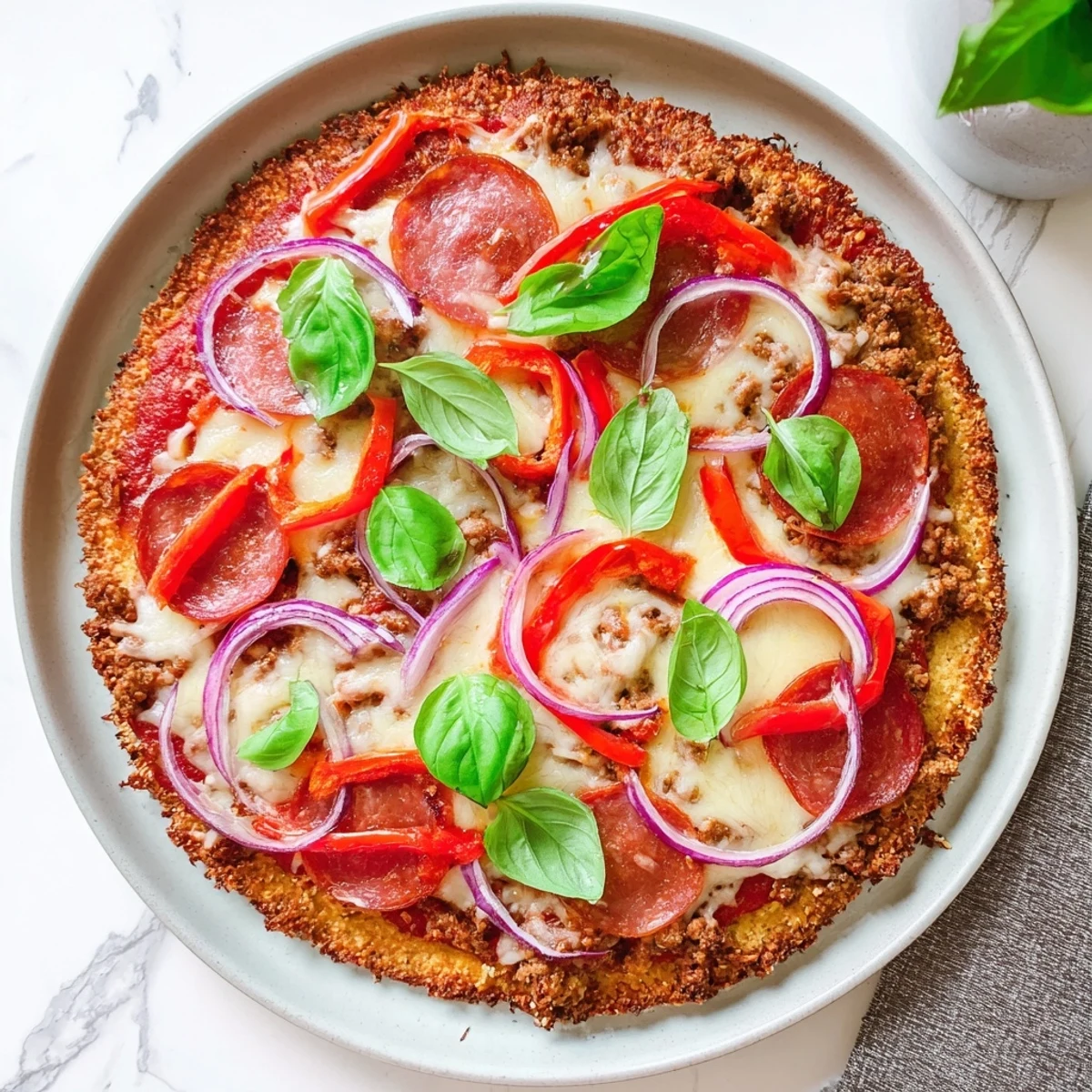
 This innovative pizza swaps traditional dough for a seasoned ground chicken base, creating a crispy, golden foundation that's naturally gluten-free and low in carbohydrates. The crust combines ground chicken with Parmesan, garlic powder, and Italian herbs, then bakes until firm before adding classic pizza toppings.
The result delivers 35 grams of protein per serving while maintaining the satisfying crunch and cheesy appeal of regular pizza. Perfect for those following keto or gluten-free lifestyles, or anyone seeking a protein-rich twist on a beloved comfort food.
I stumbled onto chicken crust pizza during one of those phases where I was trying to reduce carbs but refused to give up Friday pizza night. My husband was skeptical at first, raising an eyebrow when he saw me mixing ground chicken with pizza seasoning. But the moment that golden, crispy crust came out of the oven and he took his first bite, his expression changed completely. Now he requests this version more often than traditional dough.
Last summer, my sister came over for dinner and watched me press the chicken mixture into a circle. She kept asking if I was serious, if it would actually work, if it would taste like chicken on bread. When we sat down to eat, she went quiet for a full minute, then reached for a second slice. That was the moment I knew this recipe wasnt just a diet hack, it was legitimately good.
Ingredients
- Ground chicken: Use the mixture with some dark meat for juiciness, or all breast if you prefer it leaner
- Egg: This acts as the binder, holding everything together so your crust doesnt crumble
- Grated Parmesan: Adds savory depth and helps the crust brown beautifully
- Garlic powder and Italian seasoning: The classic pizza flavor base that makes the crust taste like crust, not chicken
- Salt and black pepper: Essential seasoning since chicken needs more help developing flavor than dough does
- Sugar-free pizza sauce: Look for one with no added sugar to keep the carb count down
- Shredded mozzarella: Low-moisture part-skim melts best without making the crust soggy
- Pepperoni and vegetables: These are your canvas, add whatever makes your pizza heart happy
- Fresh basil: Adds that bright, herbal finish that makes pizza feel complete
Instructions
- Preheat your oven:
- Get it to 220°C (425°F) and line a large baking sheet or pizza stone with parchment paper. The parchment is non-negotiable, it makes transferring the finished pizza so much easier.
- Mix the crust:
- Combine the ground chicken, egg, Parmesan, garlic powder, Italian seasoning, salt, and pepper in a bowl. Use your hands, it feels weird but it works best.
- Shape the base:
- Spread the chicken mixture into a 30 cm (12-inch) circle, about 1 cm (1/3 inch) thick. Press firmly and evenly, thinner spots will burn and thick spots wont crisp.
- Par-bake the crust:
- Bake for 15 minutes until its firm and starting to turn golden. This is crucial, an undercooked crust will be disappointing.
- Blot the moisture:
- Carefully pat the surface with paper towels after the first bake. This simple step prevents a soggy crust later.
- Add your toppings:
- Spread the sauce, then layer on mozzarella, pepperoni, onion, and bell pepper. Dont overload it or the toppings will slide off.
- Finish baking:
- Return to the oven for 8-10 minutes until the cheese is bubbly and lightly golden in spots.
- Rest and serve:
- Let the pizza stand for 5 minutes before slicing. This feels like torture but helps everything set. Top with fresh basil and eat while hot.
 Save to Pinterest
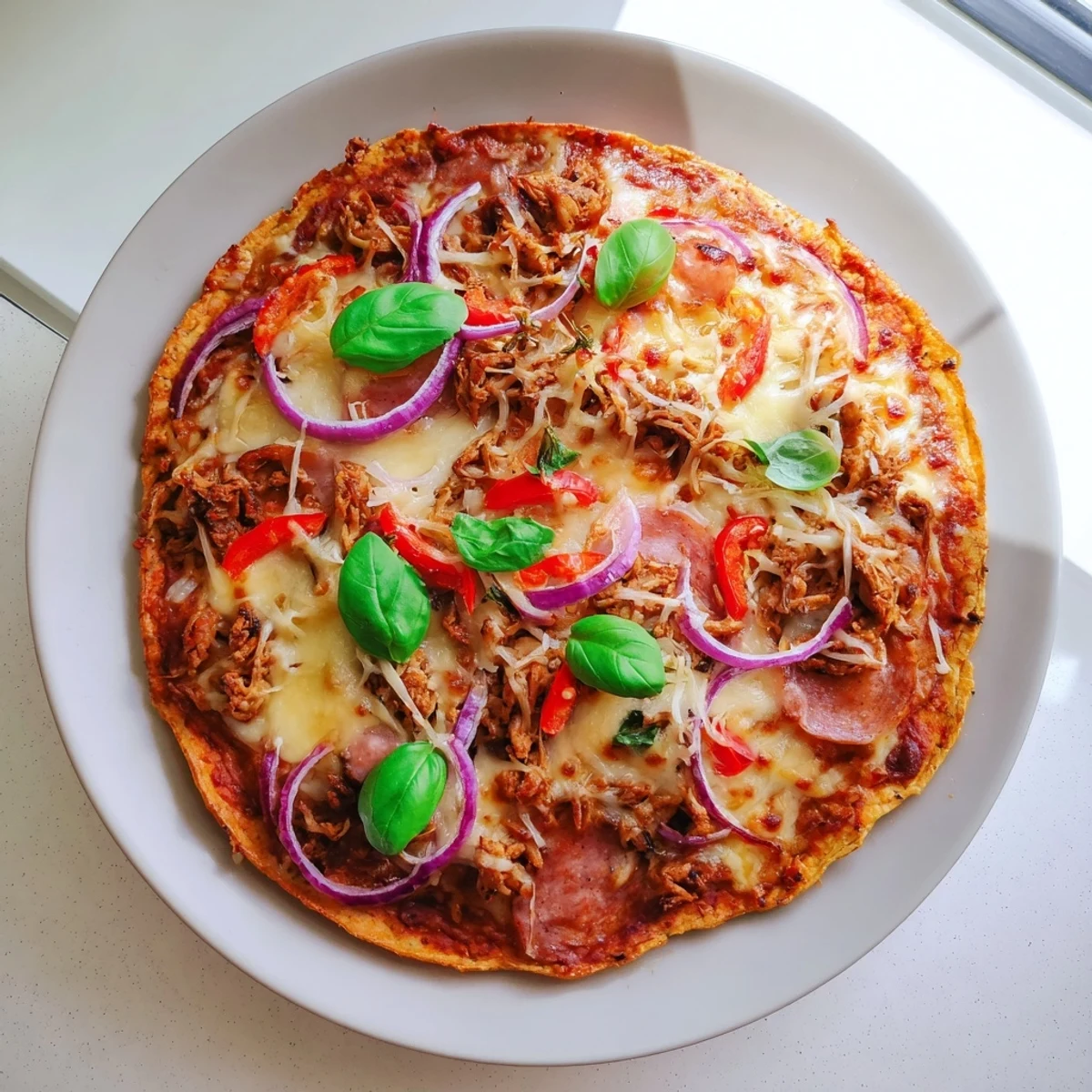
 My friend who owns an Italian restaurant tried this and admitted, with genuine surprise, that he would serve this in his restaurant. That might be the highest compliment this pizza has ever received. It has become my go-to when friends are doing keto or watching carbs, because nobody feels like they are missing out.
Getting The Crust Right
The thickness of your chicken layer determines everything about your final result. Spread it too thin and it will bake into something hard and cracker-like. Leave it too thick and you will end up with a chicken patty that does not satisfy the pizza craving. Aim for that sweet spot around 1 centimeter, about the thickness of a traditional thin crust pizza dough.
Topping Strategy
Heavy, wet toppings will undermine all your careful crust work. Pre-cook vegetables like mushrooms or spinach if they release a lot of water. Go lighter on the sauce than you might on regular dough, the chicken crust does not absorb moisture the same way wheat crust does. These small adjustments keep the final pizza crisp and satisfying.
Make It Your Own
Once you have mastered the basic technique, this crust becomes a canvas for whatever pizza combination you crave. A white pizza with garlic, spinach, and feta works beautifully. Barbecue chicken with red onion and cilantro transforms the crust into something entirely new. The method stays the same, the personality changes with your mood.
- Try mixing chopped fresh herbs or sun-dried tomatoes directly into the crust mixture
- Pre-bake the crust for 20 minutes if you plan to load it with extra toppings
- Leftovers reheat surprisingly well in a skillet over medium heat
 Save to Pinterest
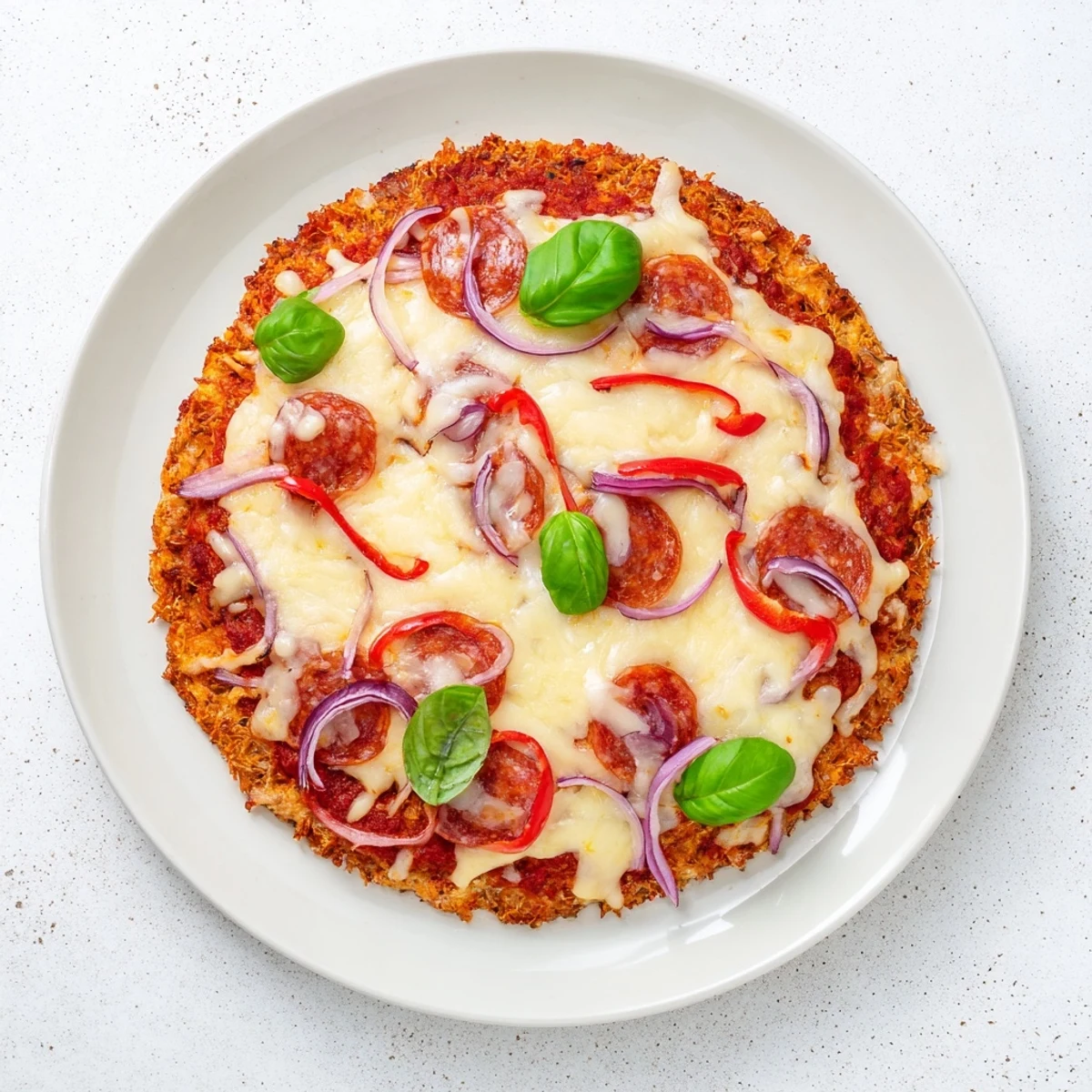
 This pizza has converted more skeptics than any other recipe in my collection, and it might do the same for you. There is something deeply satisfying about eating pizza that actually nourishes you.
Recipe Questions
- → Is the chicken crust actually crispy?
-
Yes, baking the seasoned chicken base at high heat creates a firm, golden crust that holds toppings well without becoming soggy.
- → Can I freeze the chicken crust?
-
Bake the crust completely, cool, then wrap tightly and freeze for up to 3 months. Thaw and add toppings before reheating.
- → What toppings work best?
-
Classic toppings like mozzarella, pepperoni, vegetables, and Italian herbs complement the savory chicken base perfectly.
- → Is this suitable for keto diets?
-
With only 6 grams of carbohydrates per serving and 35 grams of protein, this fits well into low-carb and keto eating plans.
- → How do I prevent soggy crust?
-
Pat the baked chicken crust with paper towels to remove excess moisture before adding sauce and toppings.