
 Save to Pinterest
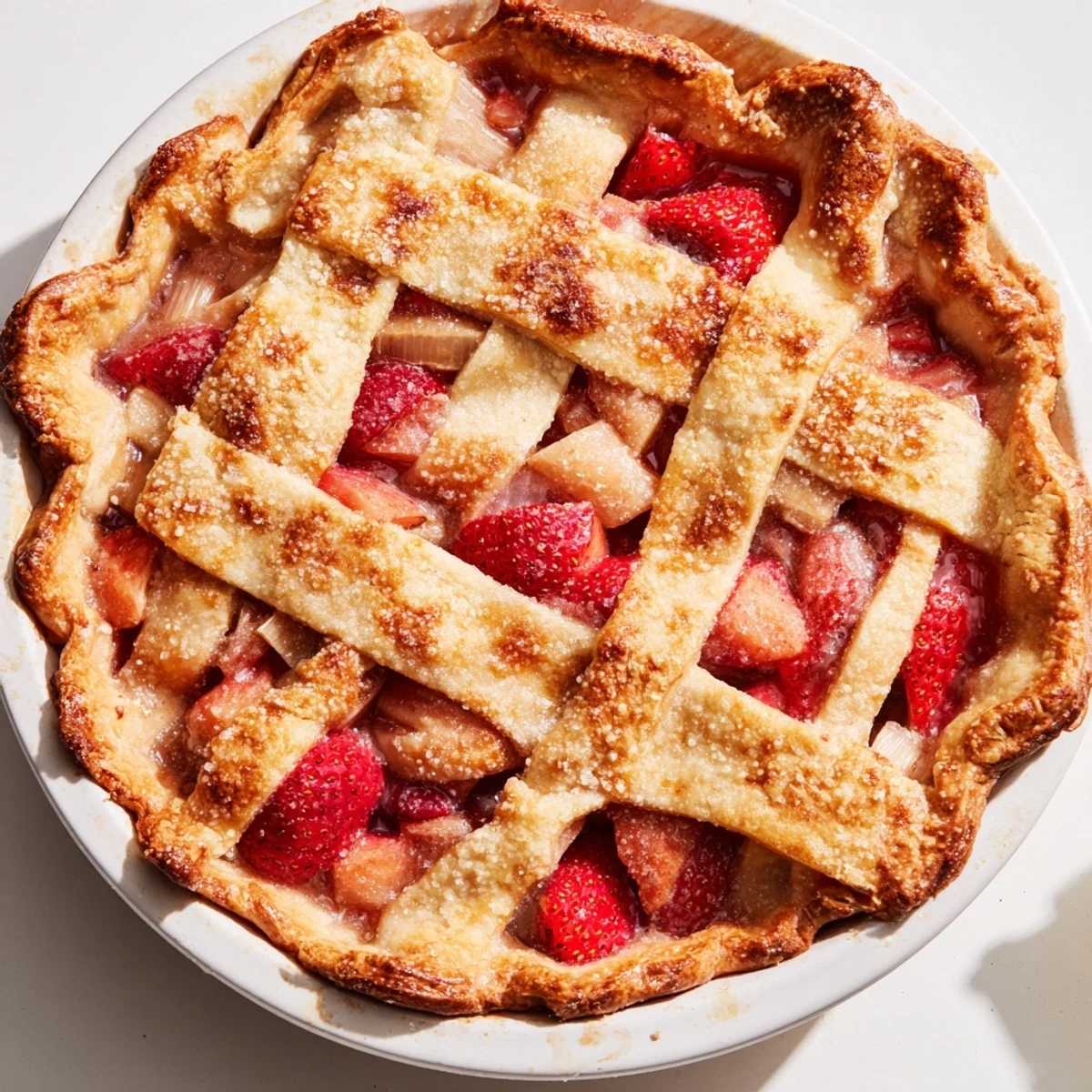
 This dish showcases a balance of sweet strawberries and tangy rhubarb nestled within a buttery, flaky crust topped with a delicate lattice pattern. Preparation involves making a tender crust, mixing fresh fruit with sugar and spices, assembling the layers carefully, and baking until golden and bubbling. Perfectly cooled, it yields harmonious flavors and textures that celebrate classic American dessert traditions.
My grandmother grew rhubarb behind her garage, those crimson stalks pushing through the soil every spring like she ordered them personally. She would hand me a cup of sugar and tell me to dip the raw stalks, laughing at how my face puckered at the sharp tang. That first bite of this pie at her kitchen table, steam still rising from the lattice, taught me that rhubarb needs strawberries to really shine, and patience to transform from something that makes you wince into something that makes you close your eyes.
I made this for a potluck last summer, still wearing my apron when guests started knocking. The pie had only cooled for forty minutes, which I know is not enough, but the smell was driving everyone to distraction. We ate those first slices standing up in the kitchen, juice running down our wrists, and nobody complained that the filling was still settling on the plate.
Ingredients
- 2 1/2 cups all purpose flour: The foundation of everything, and keeping some extra nearby for rolling saves so much frustration
- 1 cup unsalted butter, cold and cubed: Cold butter creates those flaky layers we all chase, so work quickly once it is out of the fridge
- 1 tsp salt and 1 tbsp sugar: Just enough to balance the dough without interfering with the filling
- 6 to 8 tbsp ice water: Add this gradually, letting the dough tell you when it has had enough
- 2 1/2 cups fresh rhubarb, sliced: Look for stalks that are firm and deeply colored, avoiding any that feel limp or tired
- 2 1/2 cups fresh strawberries, hulled and quartered: They should smell like strawberries before you even cut into them
- 1 cup granulated sugar and 1/4 cup cornstarch: This duo creates that perfect syrupy consistency while keeping the fruit intact
- 1 tsp vanilla extract and 1 tbsp lemon juice: The lemon brightens everything while vanilla adds warmth
- 2 tbsp unsalted butter, cut into small pieces: These little butter dots melt into the filling and create pockets of richness
- 1 egg and 1 tbsp milk: Whisked together, this gives your lattice that golden, professional finish
Instructions
- Make the dough your anchor:
- Combine the flour, salt, and sugar in a large bowl, then cut in that cold butter until the mixture looks like coarse crumbs with some pea sized pieces remaining. Drizzle in the ice water one tablespoon at a time, stirring gently, until the dough holds together when you pinch it. Divide it in half, form two disks, wrap them tight, and let them rest in the fridge for at least an hour.
- Let the fruit get acquainted:
- In a large bowl, toss together the rhubarb, strawberries, sugar, cornstarch, salt, vanilla, and lemon juice until everything is coated. Let this mixture sit for about fifteen minutes while you clear some counter space and preheat your mindset.
- Roll out the bottom crust:
- On a lightly floured surface, roll one dough disk into a 12-inch circle, turning it frequently to prevent sticking. Transfer it carefully into your 9-inch pie dish, letting the edges drape over the sides without stretching the dough.
- Nestle in the filling:
- Pour the fruit mixture into the crust, including all those beautiful juices at the bottom of the bowl. Scatter the butter pieces across the top like you are tucking them in for a nap.
- Weave your lattice:
- Roll the second dough disk and cut it into 1-inch wide strips. Lay half the strips parallel across the pie, then fold back every other strip and place a perpendicular strip in the gap, repeating this weave until you have crossed the entire pie. Trim the overhang and crimp the edges to seal everything together.
- Give it some shine:
- Whisk the egg and milk until blended, then brush this wash generously over the lattice. A sprinkle of coarse sugar on top catches the light and adds a satisfying crunch.
- Bake with patience:
- Preheat your oven to 400°F and place the pie on a baking sheet to catch any drips. Bake for twenty minutes, then reduce the temperature to 350°F, tent loosely with foil if the crust is browning too quickly, and continue baking for thirty-five minutes until the filling bubbles thickly through the lattice openings.
- The hardest part:
- Let the pie cool completely on a wire rack for at least two hours before slicing. This gives the filling time to set so you get clean wedges instead of a soup situation on the plate.
 Save to Pinterest
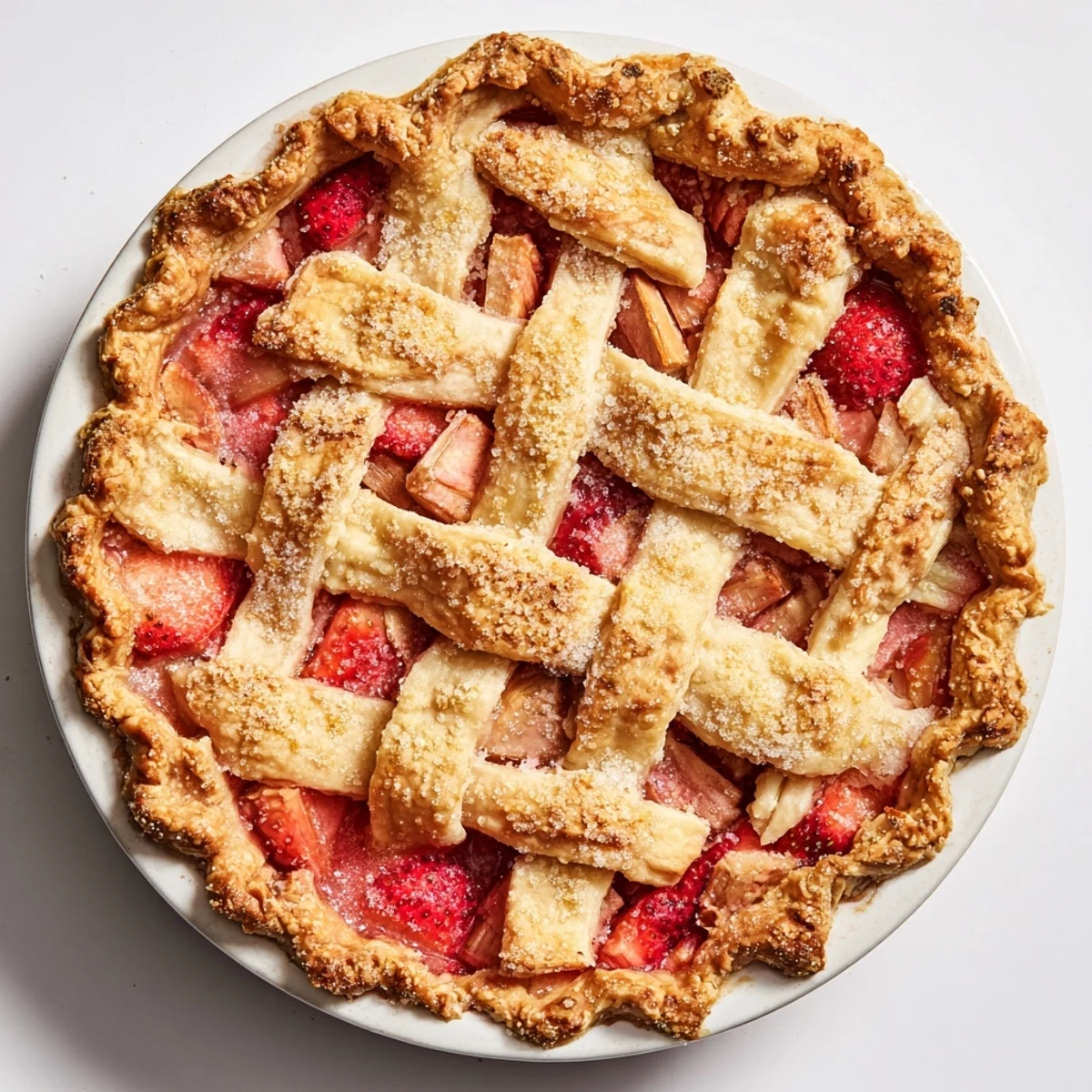
 There is something about sliding this pie onto the table that makes conversation stop for a moment. My sister called me the day after she made her first lattice, sounding genuinely proud of herself in a way that recipes rarely inspire. She said she stood there staring at it for five minutes before serving, just admiring what her hands had created.
The Temperature Dance
Starting at a higher temperature helps set the crust structure quickly, which prevents the bottom from getting soggy from all those fruit juices. That drop to 350°F allows the interior to cook through without burning the lattice, and that foil tent is not optional if your oven runs hot. I have learned that watching the pie like a hawk during the last ten minutes prevents the kind of darkening that makes you wish you had been more attentive.
Seasonal Swaps
Rhubarb has a short spring window, but I have used frozen rhubarb in January with excellent results as long as I thaw it thoroughly and drain off the excess liquid. Sometimes I swap in half raspberries for a deeper, darker berry flavor, though the pink becomes more crimson. Peaches work surprisingly well in place of strawberries when summer turns the corner toward August, though you might want to increase the cornstarch slightly.
Serving Thoughts
This pie wants to be the star of the show, but a scoop of vanilla ice cream melting into those warm juices never hurt anyone. I have also served it with barely sweetened whipped cream when I want something lighter. The pie keeps at room temperature for about a day, though the crust will soften slightly, and it refrigerates well for up to four days if you somehow have leftovers.
- Warm individual slices in a 300°F oven for ten minutes if you are serving it the next day
- A sprinkle of flaky salt right before serving highlights the sweet-tart contrast beautifully
- Leftovers make an absolutely decadent breakfast with coffee, I will not apologize for it
 Save to Pinterest
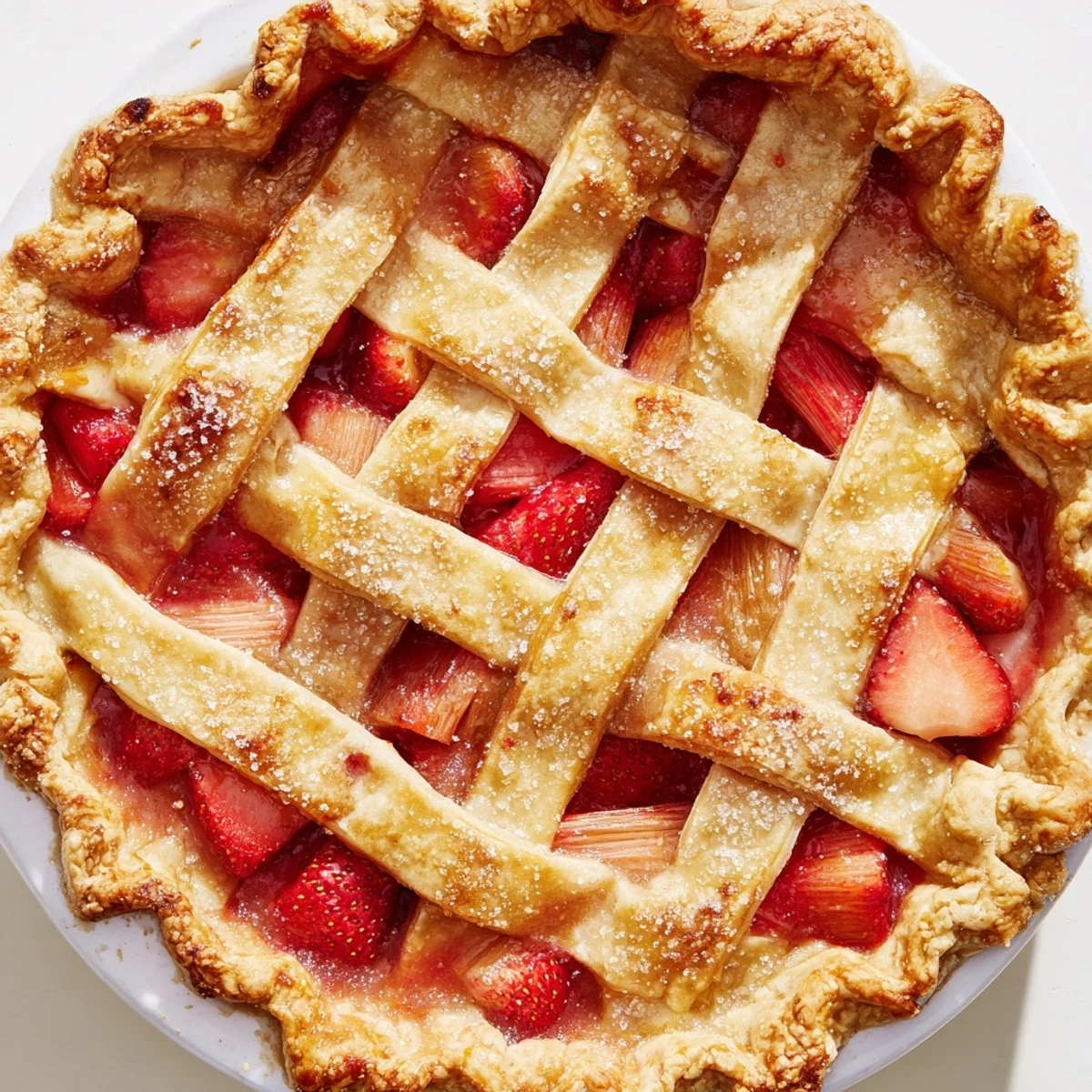
 There is no better way to welcome someone to your table than with a homemade pie, the lattice crust saying you cared enough to weave something beautiful. The first slice might be messy, but nobody minds when it tastes like June in a crust.
Recipe Questions
- → How do I achieve a flaky crust?
-
Use cold, cubed butter and minimal handling of the dough to maintain flaky layers. Chill the dough before rolling to keep it firm.
- → Can I replace fresh strawberries or rhubarb with frozen?
-
Frozen fruit should be thawed and drained thoroughly to prevent excess moisture from making the crust soggy.
- → What is the purpose of the lattice crust?
-
The lattice crust provides a decorative finish and allows steam to escape, preventing a soggy filling while showcasing the vibrant fruit.
- → How long should the pie cool before slicing?
-
Let the baked dish cool completely for at least two hours. This allows the filling to set properly for clean slices.
- → What variations can enhance the filling?
-
Adding raspberries for a richer flavor or serving alongside vanilla ice cream complements the tart and sweet notes beautifully.